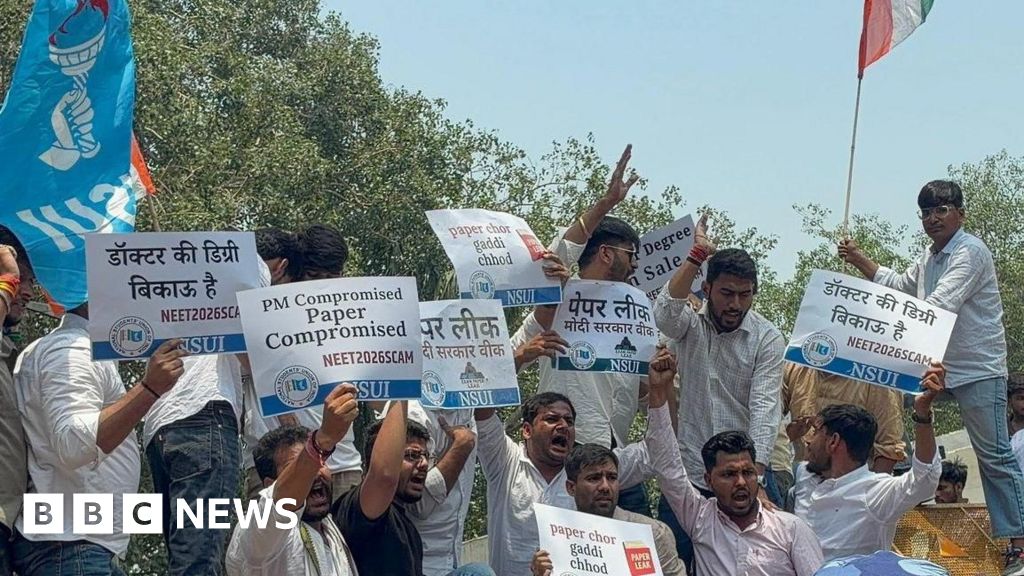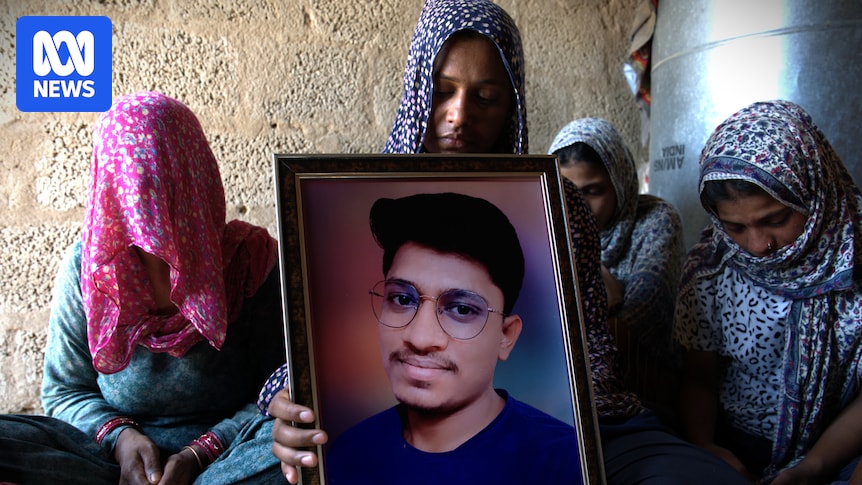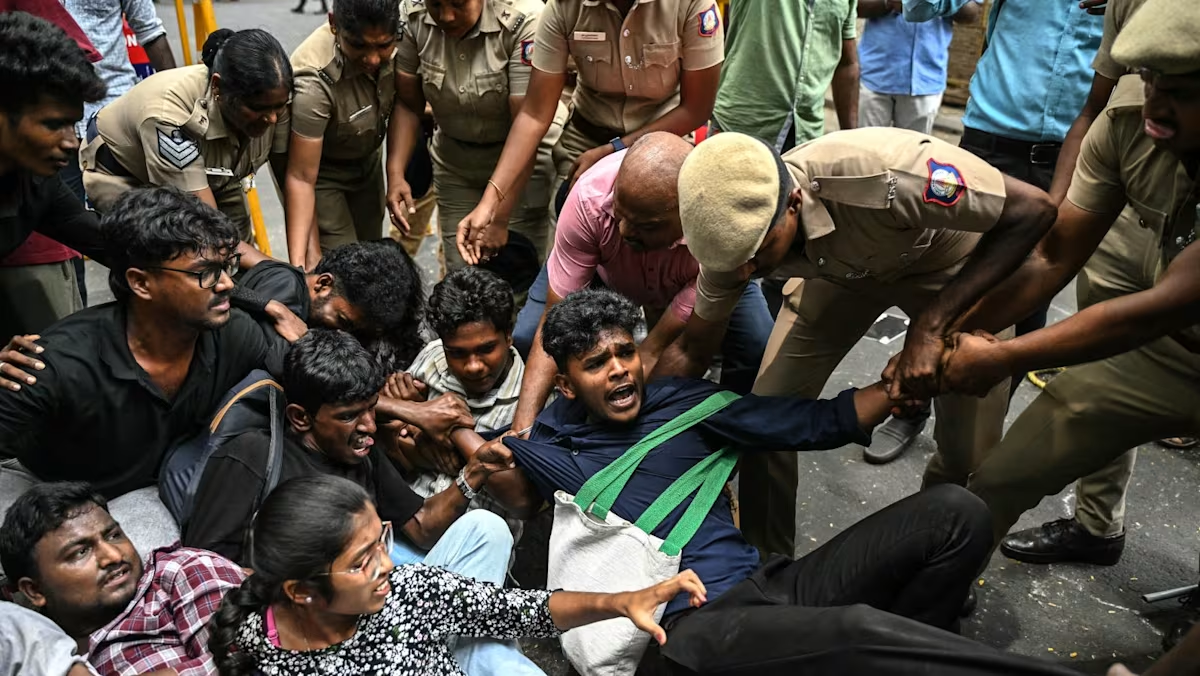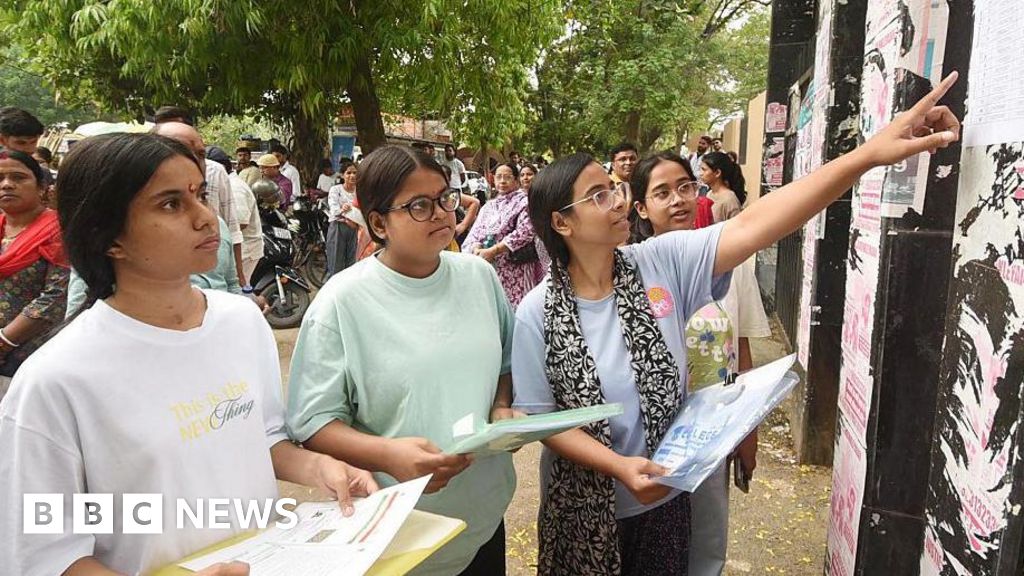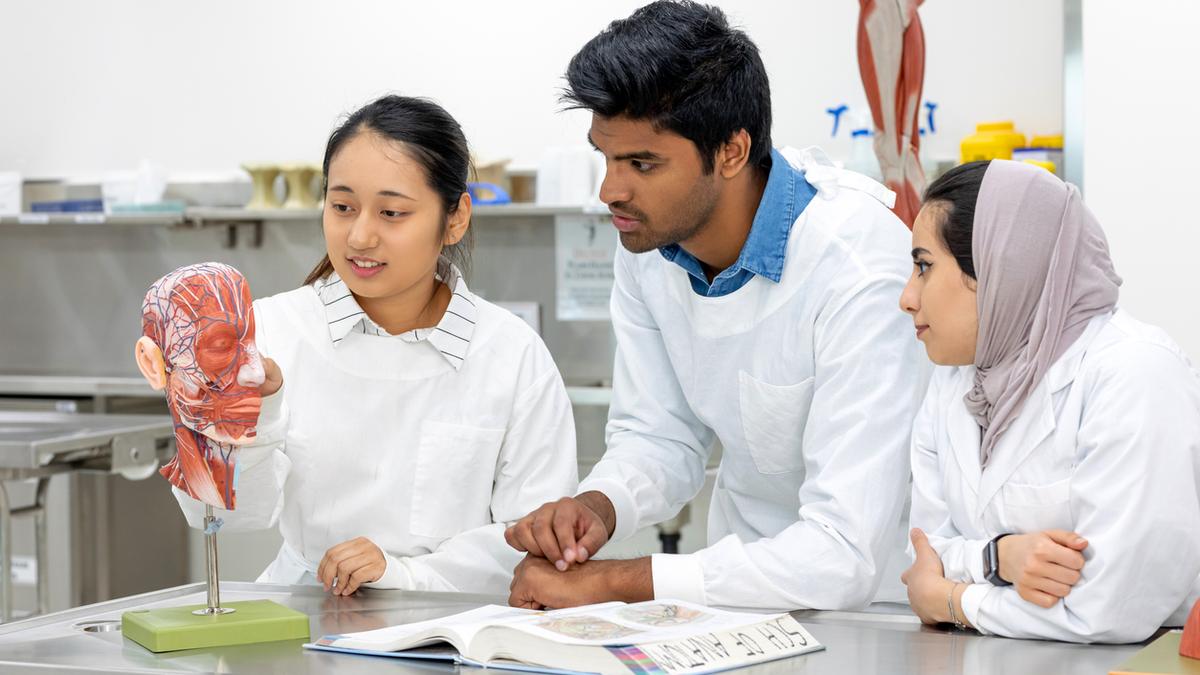
In June 2026, thousands of students gathered at Delhi’s Jantar Mantar after the National Eligibility-cum-Entrance Test (NEET-UG) was cancelled following a paper leak, demanding accountability from the government. The protests, which culminated in the resignation of Union Education Minister Dharmendra Pradhan on July 25, reflected the anguish of aspirants whose futures had been thrown into uncertainty.But the admissions controversy has also exposed a deeper question. Even after students secure a seat, will India’s rapidly expanding medical education system produce competent doctors who can ensure patient safety?Over the past decade, the government has significantly increased medical training capacity. According to a written reply by Minister of State for Health and Family Welfare Anupriya Patel, the number of medical colleges has more than doubled, rising from 387 in 2014 to 844 today. MBBS seats have increased from around 51,000 to nearly 1.39 lakh, while postgraduate seats have grown from 31,185 to approximately 85,839. On September 24, 2025, the Union Cabinet announced plans to add over 10,000 new medical seats across existing government colleges and hospitals, part of a broader vision to create 75,000 additional medical seats within the next five years.The rapid expansion of medical colleges and seats is driven by shortages of doctors in the country. According to Health Dynamics of India (formerly known as Rural Health Statistics), an annual publication from the Ministry of Health and Family Welfare, Community Health Centres still face an 80% shortage of specialists, and many Primary Health Centres continue to struggle. Expanding the medical workforce has therefore become a key policy priority.Yet expansion alone does not guarantee access. Government MBBS seats cost around Rs 5 lakh for the full course, while private seats can be nearly ten times higher. The National Medical Commission (NMC) introduced a rule that half of private seats should be charged at government rates, but its lack of enforcement so far leaves students to cough up capitation fees. Talented students from poor backgrounds who cannot afford capitation remain excluded, forcing themselves into other fields or out of medicine altogether. This loss of potential weakens the overall quality of doctors, putting patient safety at risk.Lack of infrastructureBut even where seats are available and affordable, the quality of training depends on whether institutions have the infrastructure to support rigorous medical education. “Without essentials, graduates risk entering practice without the ability to perform even basic procedures safely, directly endangering patients. Also, if this trend continues, private medical colleges in districts may face the same decline that engineering colleges experienced years ago. Graduates from such institutions will struggle to pass government examinations or secure positions in corporate hospitals, leaving them with limited prospects,” says Dr. Gajendra Prasad with 45 years of experience in the medical field.He further adds, “The result will be a surge of poorly trained doctors, echoing the crisis seen a decade ago when engineering graduates were left underemployed, some earning as little as Rs 15,000 while working as supervisors at construction sites. Producing large numbers of graduates without ensuring quality serves little purpose. Future generations risk inheriting a healthcare system staffed by substandard doctors, with serious consequences for public health.”
India’s rush to expand medical education may put patient safety at risk
India's rapid medical education expansion raises concerns about the quality of training and patient safety for future healthcare professionals.
1,586 words~7 min read