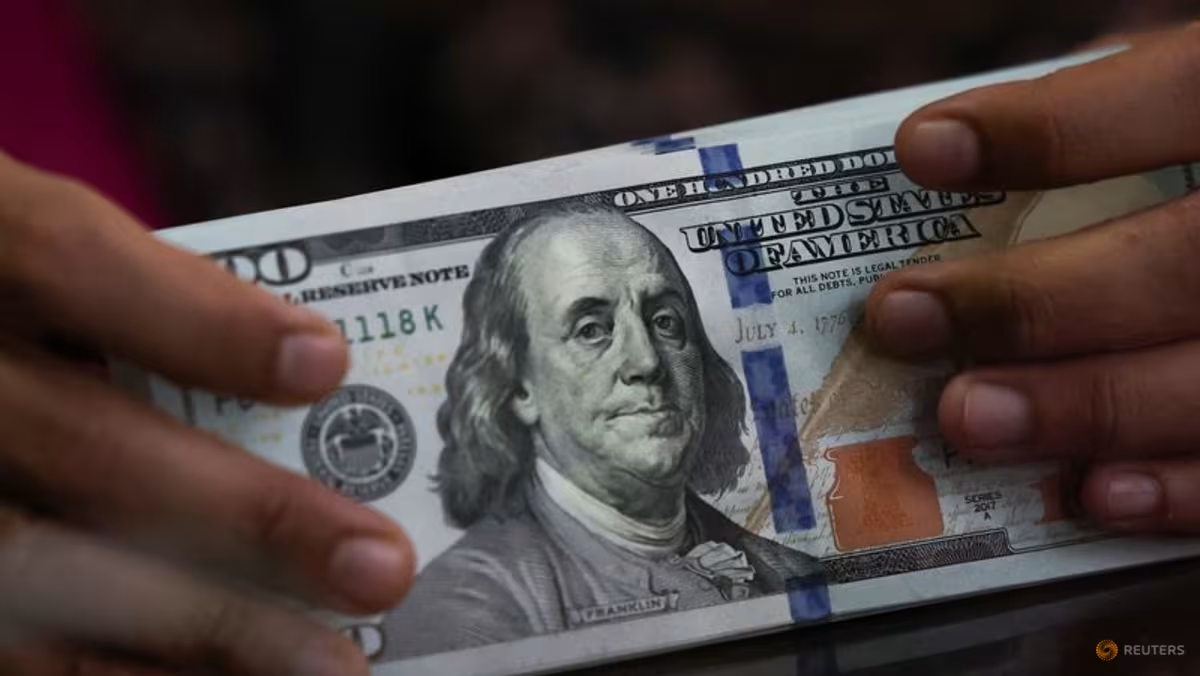
LONDON, Aug 20 : The U.S. dollar was pinned near a three-month low on Thursday after the Treasury Department moved to calm a bond market selloff that had pushed long-end yields to their highest since 2007, lifting risk sentiment and undercutting the currency. The dollar index, which measures the dollar against six other currencies, was at 98.723, its lowest level since May 14. The euro was at $1.1692, perched at the highest level since mid-May.ING global head of markets Chris Turner said the Treasury's move to increase buybacks of Treasury securities with maturities between 10 and 30 years should reassure markets that longer-dated bonds are unlikely to face a disorderly selloff."It reduces one of those left-field risks out there which is good for risk, good for the investment environment and slightly dollar negative," Turner said.
Investors have been grappling this week with a sharp selloff in the global bond market on mounting concern about soaring government debt and the spectre of higher oil prices due to the lack of progress in ending the U.S.-Israeli war with Iran.The 30-year Treasury yield rose to a 19-year high of 5.337 per cent earlier this week. It was last at 5.198 per cent after dropping 9 basis points following the move by the Treasury that effectively shifts more of the government's borrowing toward short-term bills.EYES ON YENThe broad dollar weakness provided some relief to the Japanese yen as the fragile currency pulled away from the closely watched 160 level. It traded at 158.41 per dollar, surrendering part of its advance from the previous session.The yen has been in the spotlight since a rare coordinated intervention by U.S. and Japanese authorities at the end of July sought to arrest its slide after it weakened to a 40-year trough near 164 per dollar. Sterling rose to $1.3631, its highest in three months, while the Swiss franc was slightly weaker at 0.7986 per U.S. dollar, after rising by almost 2 per cent in the previous session. FED MINUTESConcern about inflation deepened at the Fed's meeting last month, with several policymakers ready to raise interest rates and many saying a hike in borrowing costs would be needed if inflation did not decline to the U.S. central bank's 2 per cent target, the minutes of the session showed."The minutes of the Fed’s July meeting confirmed that the rate-setting committee had become more hawkish since the June meeting but, with the inflation, labour market and activity data since then all on the soft side, there is little to suggest that interest rate hikes are imminent," said Ariane Curtis, senior North America economist at Capital Economics.