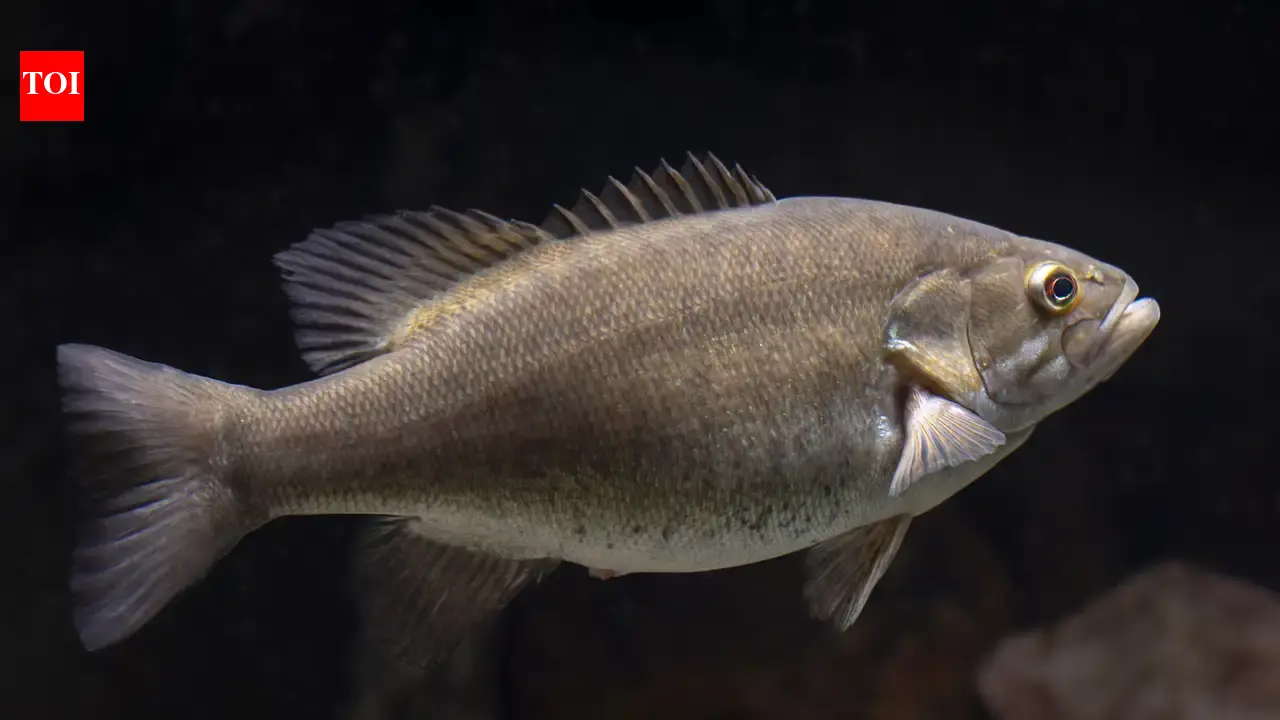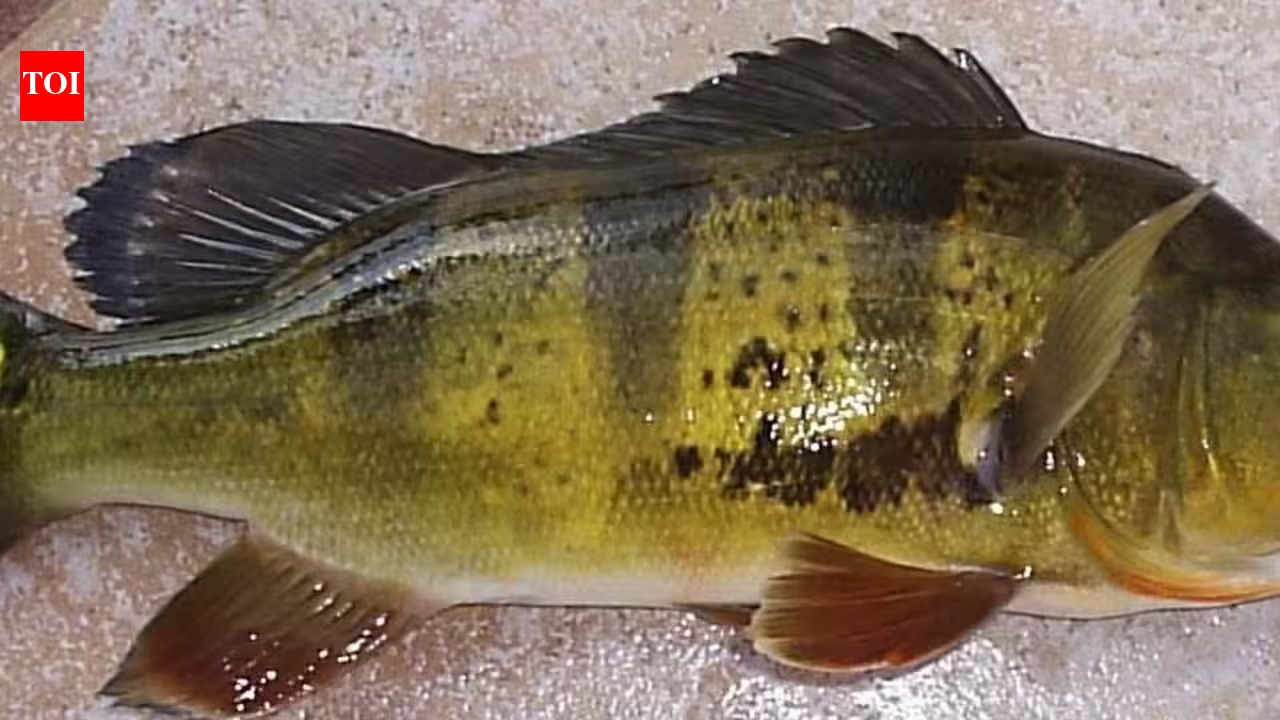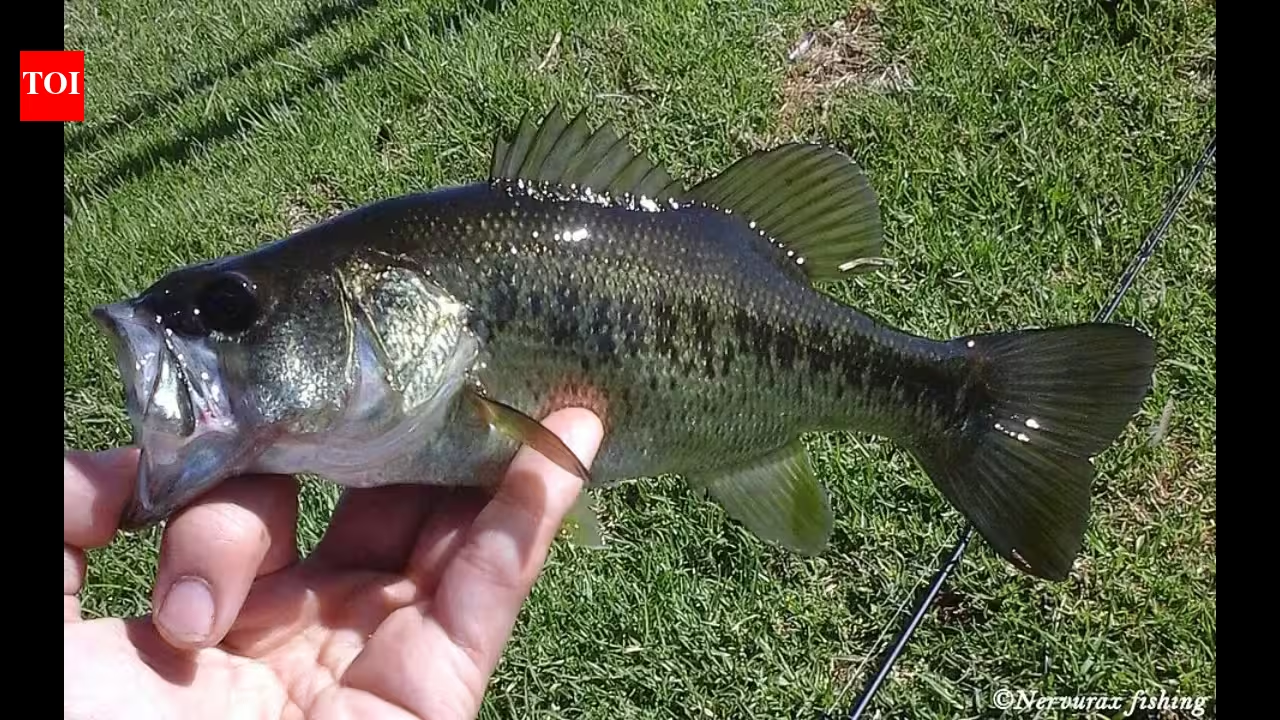
In 1958, largemouth bass were introduced into Lake Atitlán in Guatemala as a sport fishing endeavor. Image Credits: Wikimedia Commons.In 1958, an attempt to make Guatemala’s Lake Atitlán more attractive to visiting anglers set in motion an ecological change that would unfold over the next three decades. Largemouth bass were introduced into the lake with assistance from Pan American Airways in the hope that sport fishing would draw more tourists. Instead, the predatory fish entered an ecosystem that had evolved without them, preying on native fish and other aquatic life while adding pressure to the lake’s only endemic grebe.The bird, known as the Atitlán grebe or giant pied-billed grebe (Podilymbus gigas), was an unusual species found only at Lake Atitlán. It was considerably larger than the widespread pied-billed grebe and was generally described as flightless. Its entire known range was confined to a single lake, leaving it with no other population to fall back on as conditions at Atitlán changed.When the bass arrivedAccording to the Congressional Research Service, Pan Am Airways and a local hotel introduced largemouth bass into Guatemala’s Lake Atitlán in 1958. The introduction was intended to promote sport fishing, but over the following 25 years it was associated with the collapse of a sustainable crab fishery, declines in native fish, and the extinction of a bird found nowhere else. The idea seemed simple, but the lake’s ecological balance was not. The introduced bass grew rapidly and became predators in a system where native aquatic species had not evolved alongside them. Contemporary environmental assessments later recorded severe effects on native fish and other aquatic organisms, including the freshwater crabs that had long been important to local fishing.For the Atitlán grebe, the change was particularly serious. The birds depended on fish and crustaceans as food, and their chicks were vulnerable to predation. The arrival of a large predatory fish therefore affected the grebes both by changing what was available to eat and by creating a new danger for young birds. According to Environmental Conservation, the Atitlán grebe population had fallen sharply by the mid-1960s. LaBastille reported that numbers dropped from an estimated 200 birds to just 80–85 in 1965, prompting urgent conservation efforts to protect the species.A brief recovery could not lastEnvironmental Conservation also notes that the conservation efforts led by Anne LaBastille and her colleagues helped the Atitlán grebe recover after its population had fallen to about 80 birds in 1965. An April 1972 census recorded a marked improvement, with roughly 200 birds estimated to remain by the early 1970s. The recovery, however, proved temporary.The lake soon faced renewed pressures. Shoreline vegetation was disturbed, fishing continued, and the introduced fish remained part of the ecosystem. Then, in 1976, a major earthquake struck Guatemala, altering conditions around Lake Atitlán and damaging reed beds that provided important habitat for the grebes. The population declined again, falling to an estimated 50 birds by the early 1980s. The brief rebound had shown that the species could recover under favourable conditions, but its dependence on a single lake left it with little room to withstand another period of ecological disruption.The introduction of largemouth led to the extinction of a bird found nowhere else, the Pied-billed Grebe. Image Credits: Wikimedia Commons.The final searchAccording to The Condor, Laurie A. Hunter’s surveys of Lake Atitlán in 1986 and 1987 found no clear evidence of the Atitlán grebe (Podilymbus gigas). The six grebes captured during the surveys matched the size and bill measurements of the pied-billed grebe (Podilymbus podiceps), a smaller species, rather than those expected for P. gigas. Their territorial calls also showed no significant differences from those of pied-billed grebes recorded at other locations. Based on these findings, Hunter concluded that P. gigas no longer appeared to be present in the lake. She suggested that competition with pied-billed grebes or hybridisation between the two species might have contributed to its disappearance, although the available evidence could not determine which, if either, was responsible.That uncertainty does not erase the role of largemouth bass in the grebe’s decline. The introduced fish disrupted Lake Atitlán’s food web by preying on native species that formed part of the grebe’s food supply and by adding new competition and predation pressures to an already vulnerable ecosystem. Other factors, including changes in shoreline habitat, fishing and environmental disturbances, also affected the lake, but the arrival of largemouth bass became a major turning point in the grebe’s decline. By the late 1980s, P. gigas was considered extinct, turning the story of a fish introduced for sport fishing into a stark example of how an introduced predator can help drive a uniquely adapted species towards extinction.
In 1958, Pan Am helped introduce bass to Guatemala’s Lake Atitlán for sport fishing; by the late 1980s, the lake’s endemic grebe was no longer found
In 1958, an attempt to make Guatemala’s Lake Atitlán more attractive to visiting anglers set in motion an ecological change that would unfold over the next three decades. Largemouth bass were introduced into the lake with assistance from Pan American Airways in the hope that sport fishing would draw more tourists.
772 words~4 min read