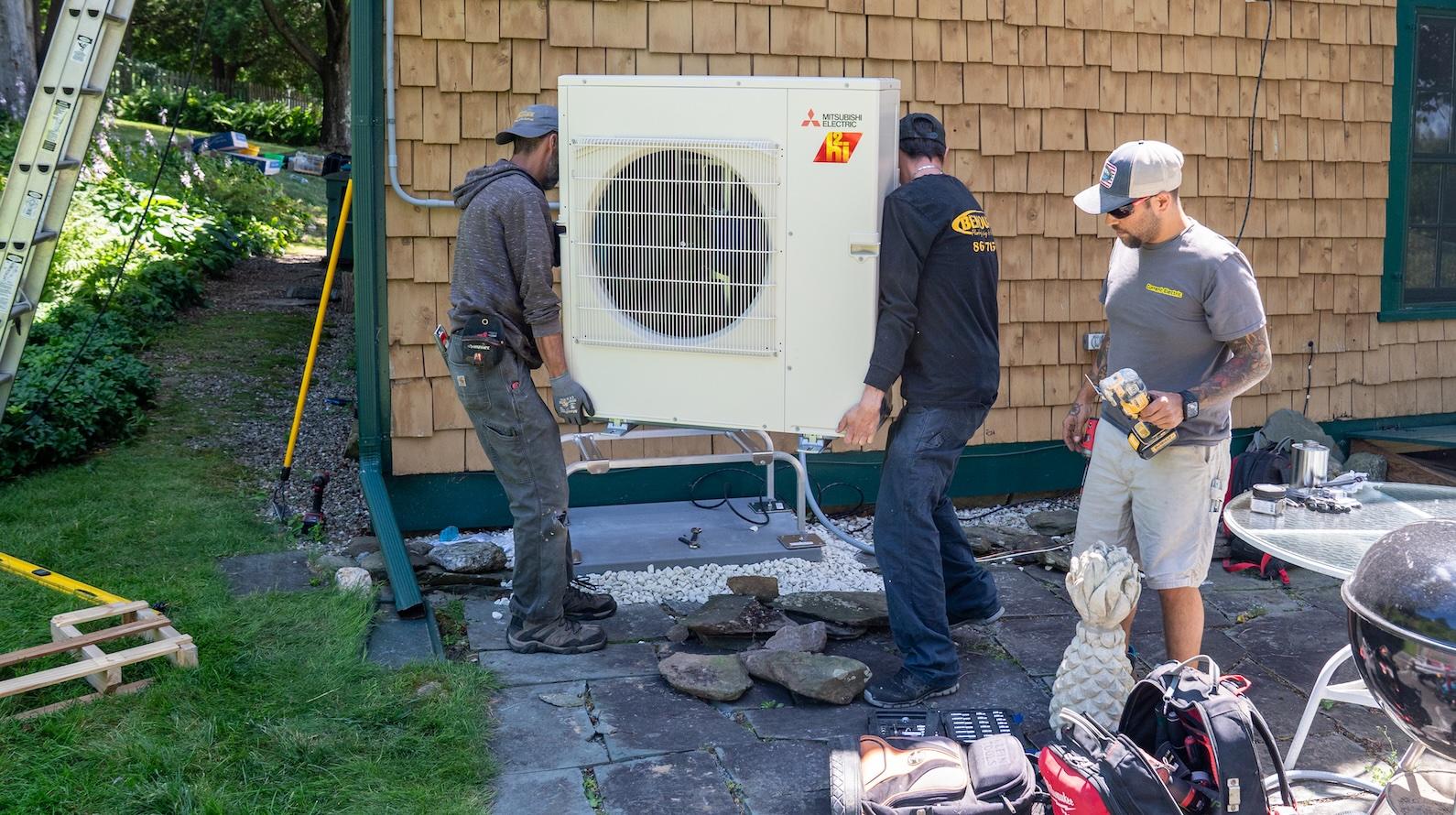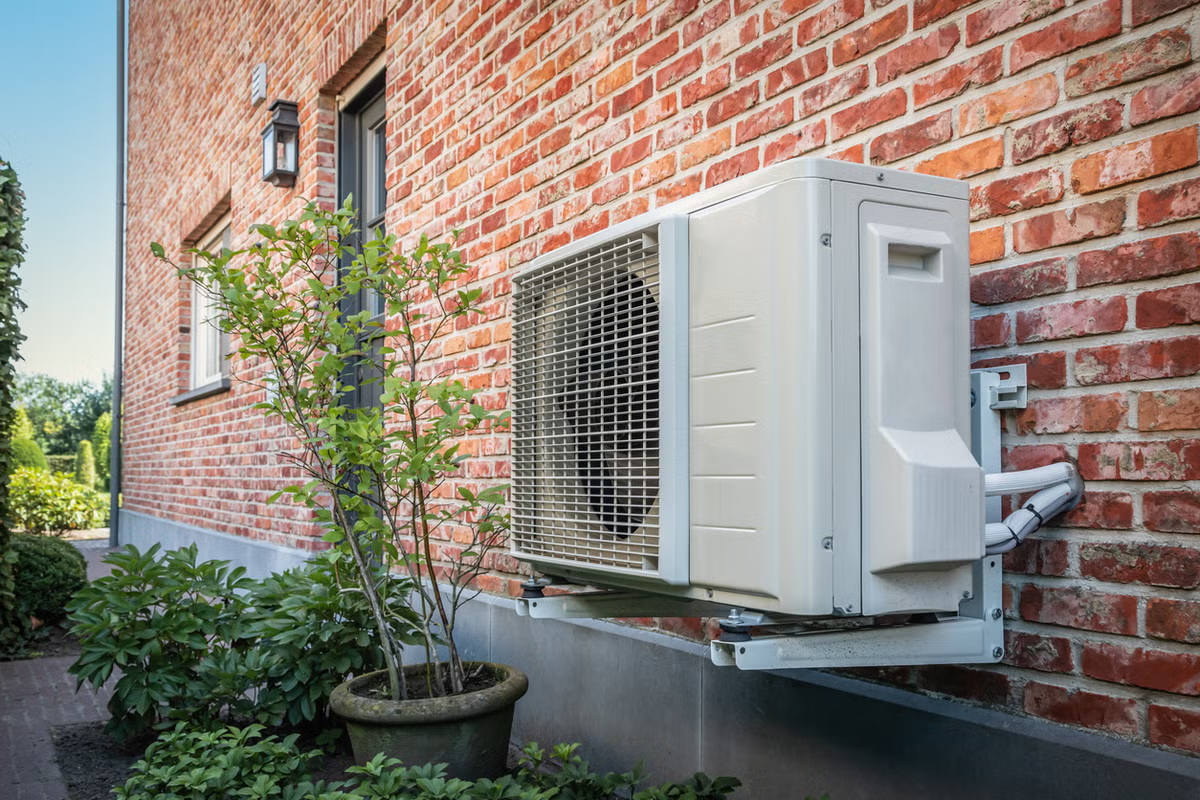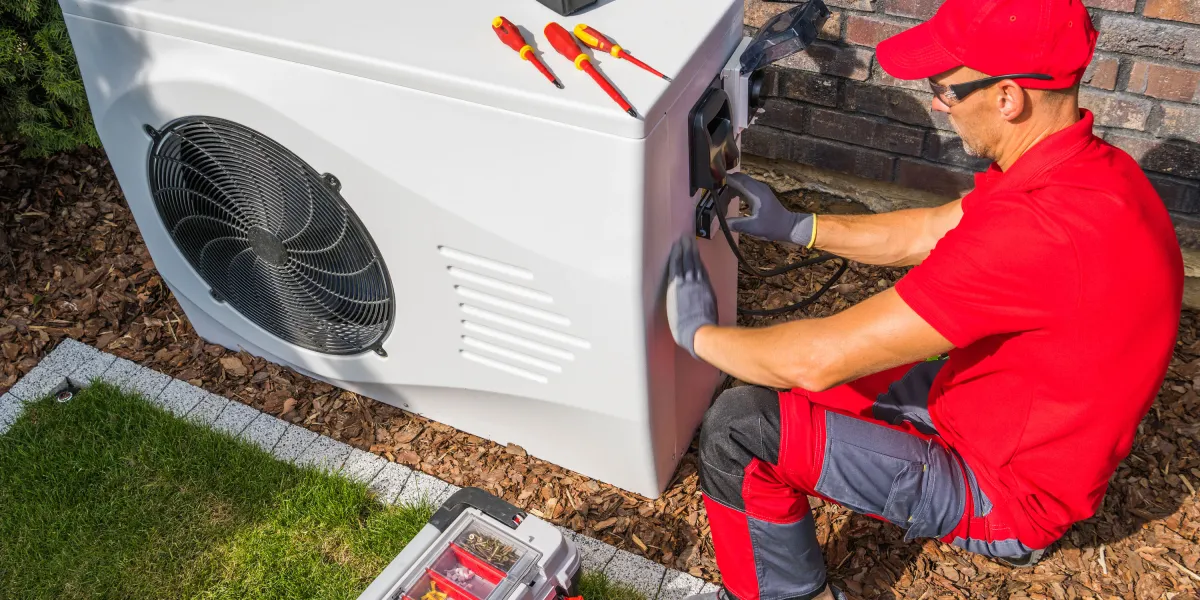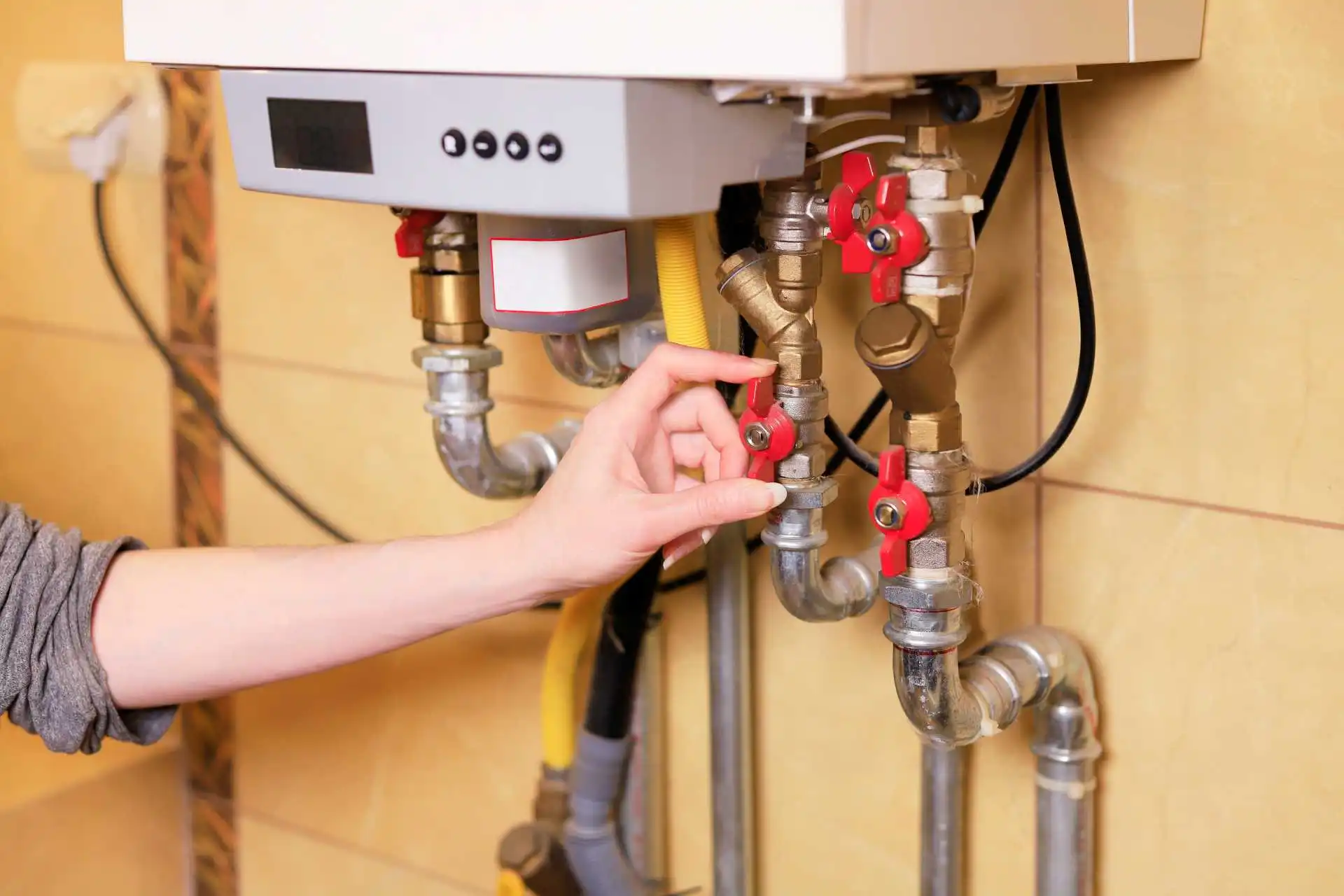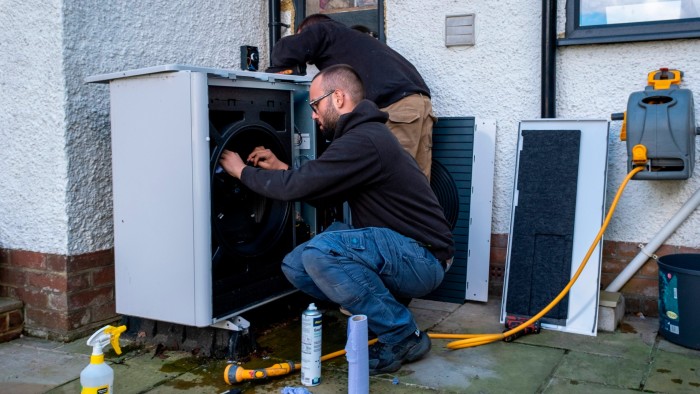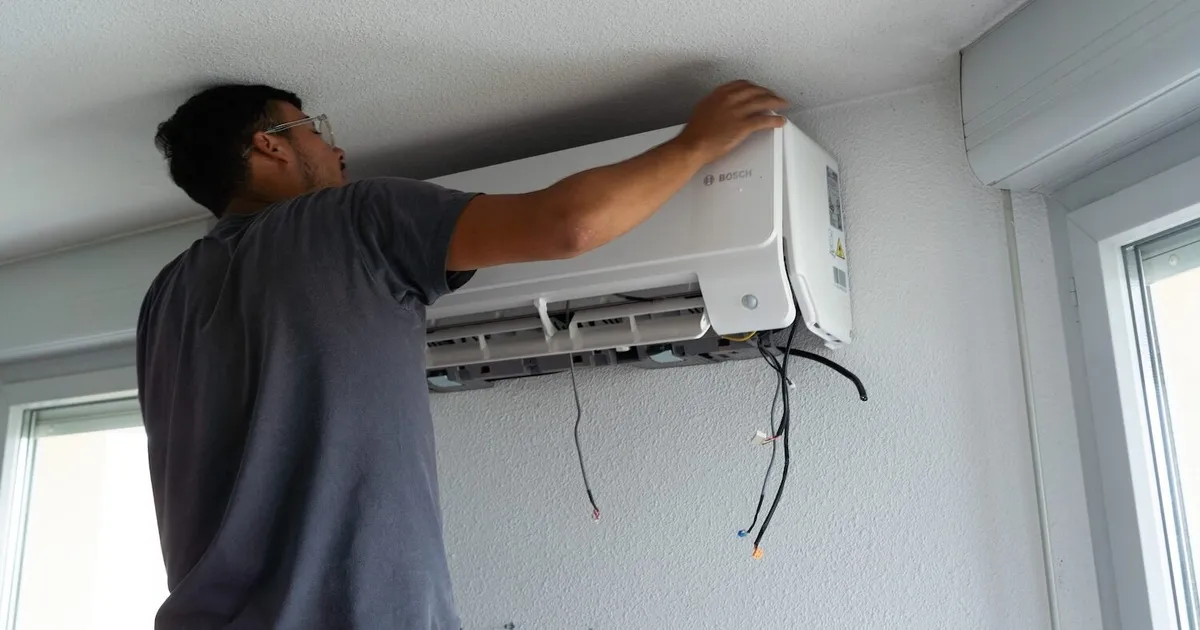
This trend toward electric heating has persisted for over two decades now, across federal administrations, though it varies regionally. For example, in the South, with its milder winters, 96% of new apartments are electrically heated; in the Northeast, it’s just 52%.
Driving the shift to heat pumps is likely a combination of factors, according to Alan Durning, executive director of the Sightline Institute, a sustainability nonprofit in the Northwest. The two that stand out, he said, are improvements to the technology and the increased demand for air conditioning during climate change–fueled heat waves. While heat pumps are pricier up front than gas furnaces, they can be competitive with a gas furnace plus central AC.
A federal tax credit expanded under the 2022 Inflation Reduction Act could have also spurred heat-pump installations. That incentive offered developers up to $5,000 per energy-efficient housing unit. But even though the credit expired last month after being axed by President Donald Trump and Republicans in Congress, developers still stand to profit by ditching gas in new buildings.
All buildings require electrical infrastructure. But hooking up to a gas pipeline on top of that adds complexity, time, and expense. New Mexico land developer John Moscato says that by skipping gas-line construction, his company reduces costs by $3,000 per lot. That adds up fast.