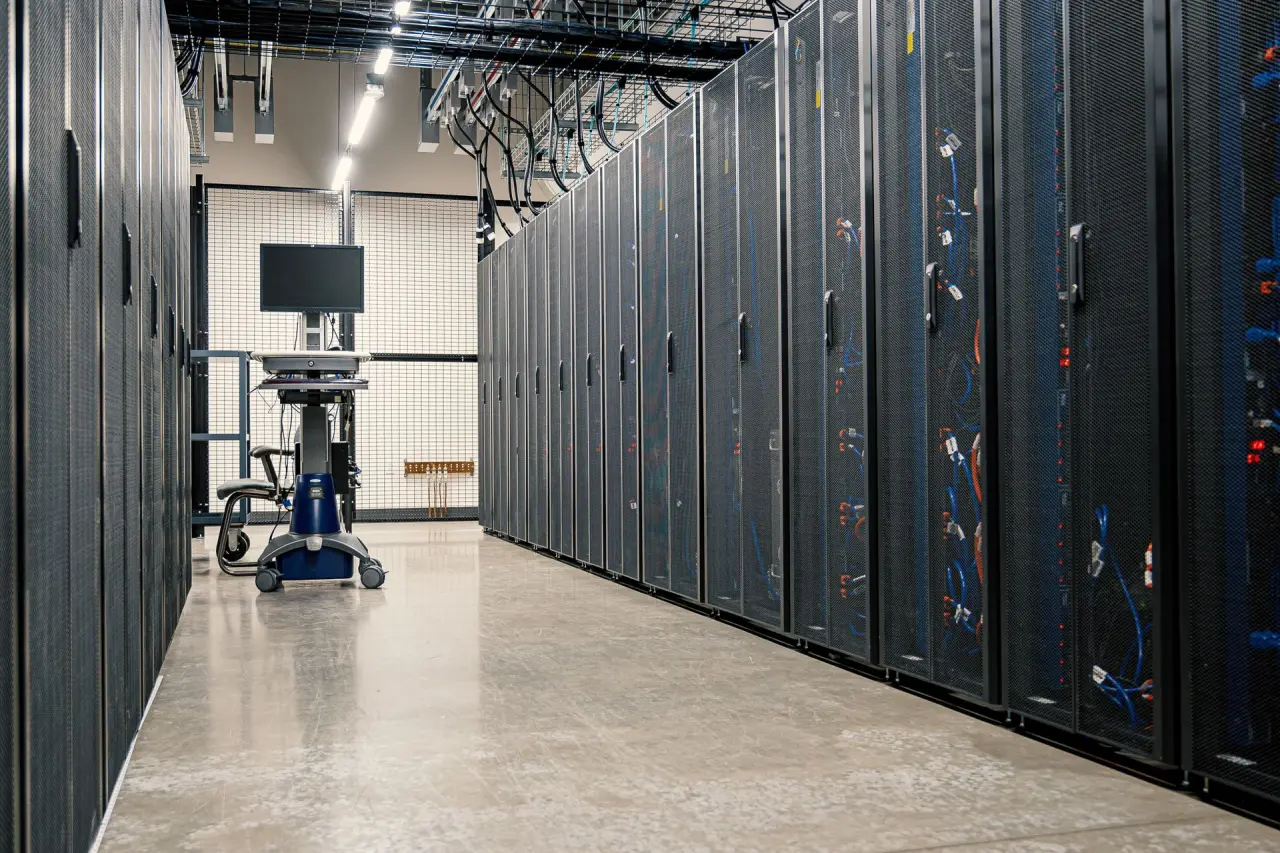
COBOL powers an estimated hundreds of billions of lines of code still running in global financial systems, government infrastructure, and enterprise backends. In the UK, many of those systems are running in banks, insurance companies, public sector organisations, and large retailers. The developers who wrote them are retiring. The organisations running them are feeling the pressure.
Python has become the migration target of choice for most COBOL modernisation projects, and for good reason. It is readable, has a vast library ecosystem, is the primary language for AI integration, and can be structured to replicate the procedural logic patterns that COBOL systems rely on.
This guide explains what a COBOL to Python migration actually involves, the different approaches available to UK enterprises, what it costs, and how to manage the risk.
TL;DR
Python is the primary COBOL migration target in 2026 because it maps naturally to COBOL's procedural logic and gives the migrated system immediate access to Python's AI and ML ecosystem