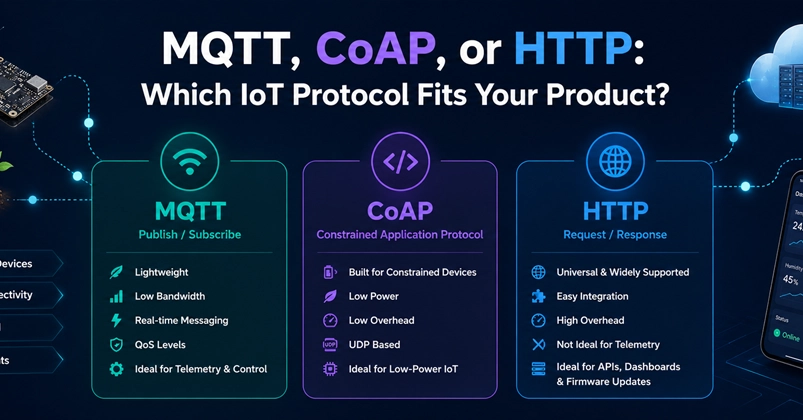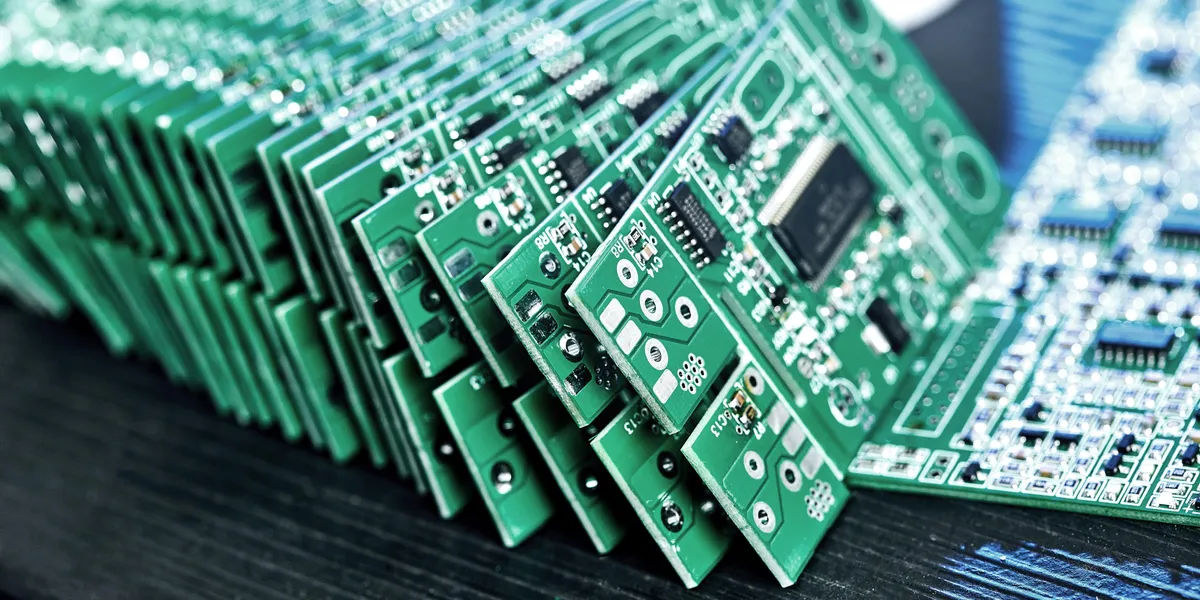
IoT testing involves more than checking whether a device works. Connected products depend on hardware, firmware, networks, cloud services, and applications working together. Without a structured approach, automation can quickly become difficult to maintain and may miss important device-specific failures.
A practical IoT test automation process can be organized into seven steps.
1. Map the Device and Firmware Matrix
Start by identifying the hardware revisions, firmware versions, and network conditions that need to be tested. This gives the team a clear view of the environments the product must support.
Testing only one device or firmware version can leave important compatibility issues undetected.