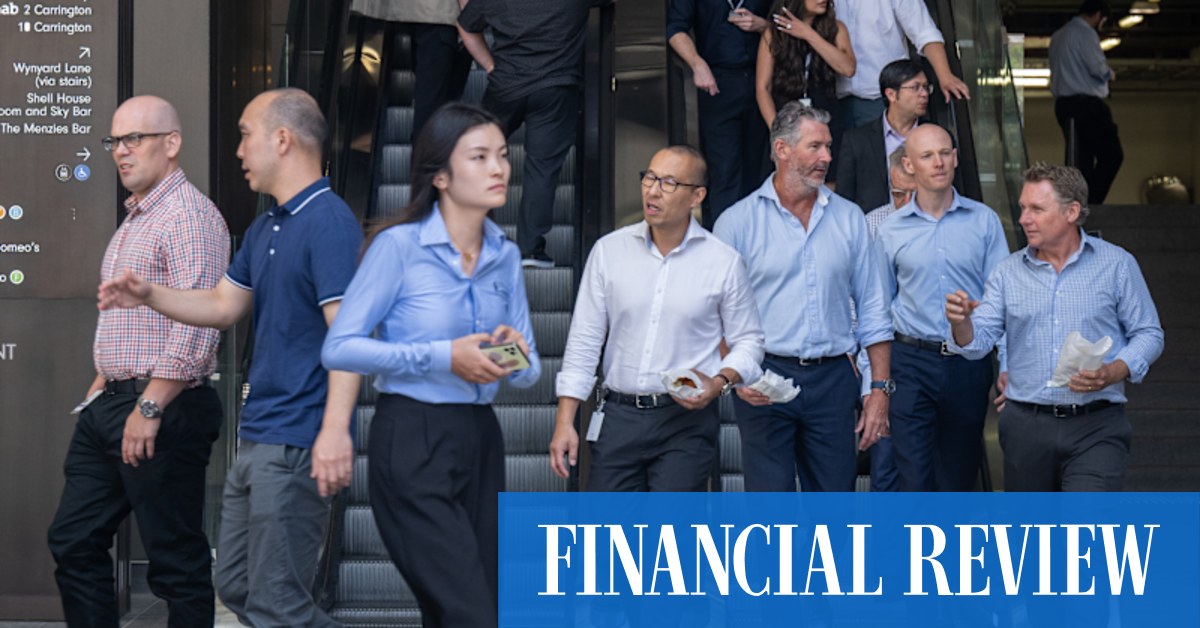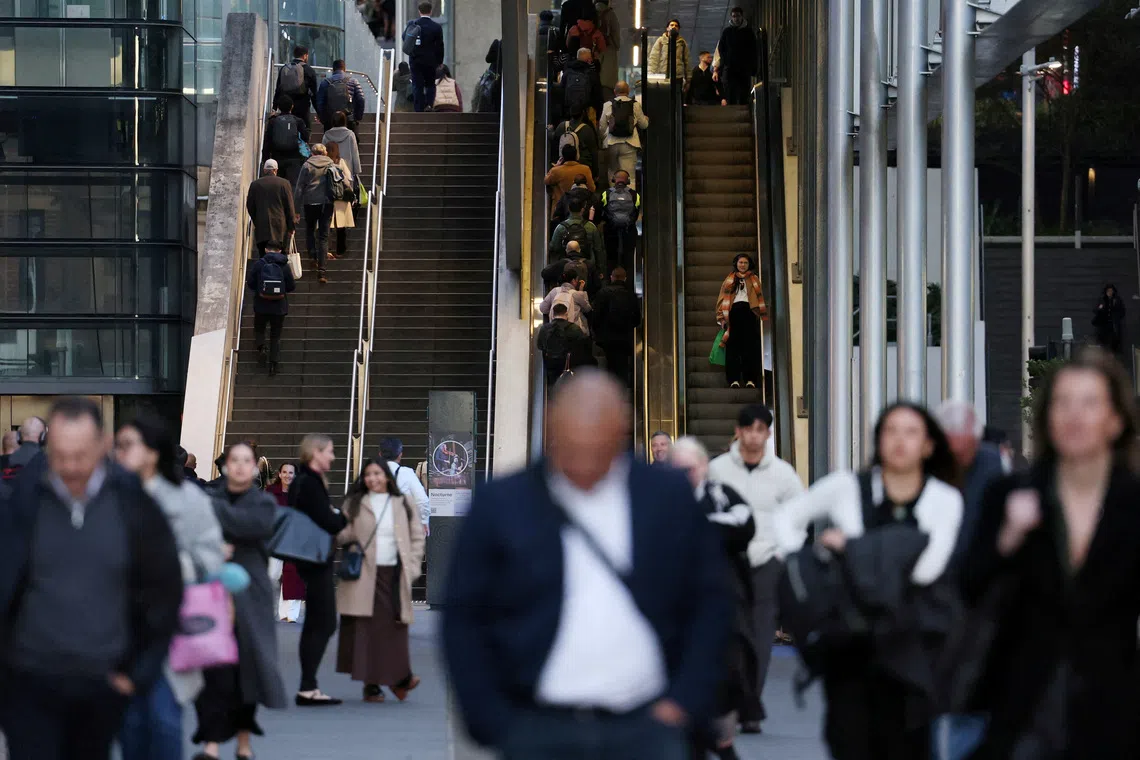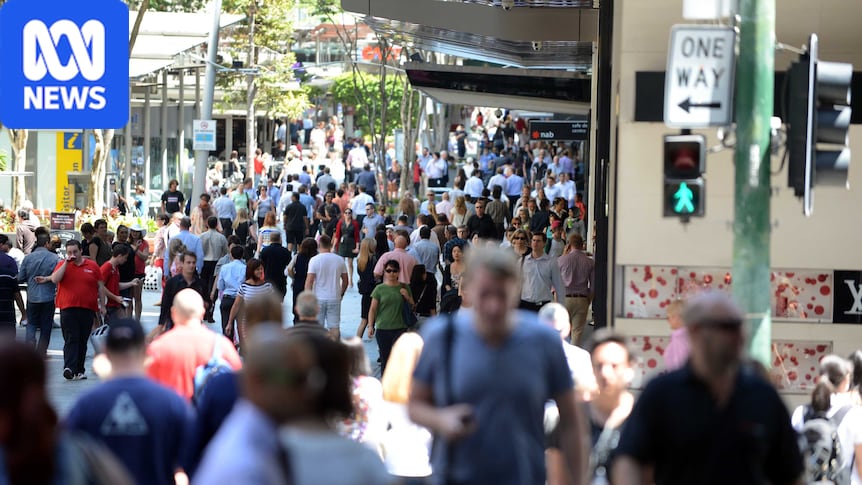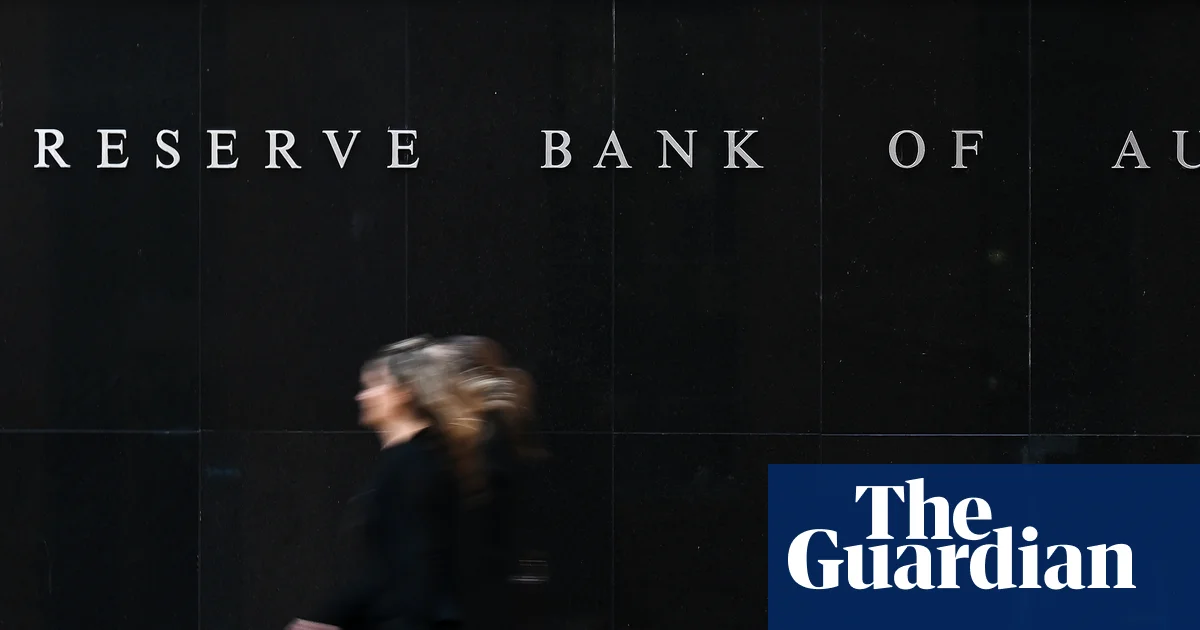
Australia’s unemployment rate surprisingly fell in July, snapping a recent strong run for the jobs market. But experts are divided on what it means for mortgage holders to celebrate. Fresh figures released from the Australian Bureau of Statistics on Thursday showed the jobless rate came in at 4.5 per cent for the month of July, up from 4.4 per cent in June. The number of unemployed rose by 15,800.This followed June’s shock surge in employment, when 76,300 Australians entered the workforce.VanEck head of investments Russel Chesler said it was great news for workers but bad news for anyone thinking the RBA is done hiking this year.“Contrary to the market’s view, we believe this resilience will put more pressure on the RBA to increase rates, and we expect at least another rate hike by year end,” Mr Chesler said.The Reserve Bank runs a dual mandate of price stability and full employment and has previously said it will need the economy to slow in order to remove inflation. Mr Chesler said strong ANZ-Indeed job ads surveys and rising inflation will worry the Reserve Bank. Australia’s headline inflation rate came in at 3.80 per cent, while the trimmed mean inflation rate – which strips out the top and bottom 15 per cent and is used by the RBA – came in at 3.60 per cent for the 12 months to JuneBoth of these figures are above the 2 to 3 per cent target range.“The 3.6 per cent trimmed mean remains well above the RBA’s target range of 2 to 3 per cent,” Mr Chesler said.“We also expect July’s inflation numbers to increase due to a combination of the government’s temporary winding back of the fuel excise discount, and the significant 6 per cent increase in minimum wage rates and a 4.75 per cent rise in award wages.”Going forward Mr Chesler says rising oil prices, and a lack of slowdown in public sector wage growth will also hamper the Reserve Bank’s fight against inflation. CreditorWatch chief economist Ivan Colhoun said while the unemployment rate increased it would not be enough to sway the Reserve Bank of a cooling economy.“The data is of course helpful to the many economists, including those of the four major banks, predicting that Australian interest rates have peaked,” Mr Colhoun said. “It’s in no way conclusive in this regard to me. The RBA continues to be (appropriately) worried about upside risks to inflation.”Mr Colhoun said the rising unemployment rate was simply due to rounding as the 0.03 per cent increase in unemployment ticked the country up from 4.43 to 4.46 per cent. “Overall, the data don’t suggest any significant current weakening in the Australian labour market, with job advertisements, one of my two favourite indicators of the Australian economy, having remained relatively stable in June and July after dropping 2.2 per cent in May,” he said. “Encouragingly, underemployment and youth unemployment both ticked lower this month after rising a little unusually in recent months.”BDO chief economist Anders Magnusson disagreed, saying Thursday’s data should rule out further rate hikes in the short-term. “The headline rate will attract attention, but the cause matters.“Employment decreased by 16,000, participation fell, and hours worked fell. Those figures all point to a labour market that is weakening materially.”Mr Magnusson said this followed wages figures released earlier this week that showed pay packets weren’t keeping up with inflation. “Households are now being squeezed from both directions: purchasing power has declined, and the security previously provided by an exceptionally strong labour market is beginning to soften,” he said. Betashares chief economist David Bassanese said while there was a shock fall in unemployment in July, it did follow two months of unusually strong gains. “It’s too early to suggest there’s been a marked slowing in employment growth,” he said.“That said, with labour supply also growing solidly, the challenge in coming months will be whether enough jobs will continue to be found for those who want one. “That seems unlikely, with high interest rates and falling house prices starting to slow economic activity.” Mr Bassanese said all up Thursday’s results were consistent with the RBA’s forecasts that the economy would gradually slow over the coming year. Why is a cooling jobs market important to the Reserve Bank?A soft jobs figure would reinforce the Reserve Bank of Australia’s view the labour market is gradually cooling, adding to the case for holding interest rates. The central bank runs a dual mandate of full employment and maintaining inflation between 2 to 3 per cent. Thursday’s figures followed a warning from RBA deputy governor Andrew Hauser who said employment growth must slow in order to get inflation back to target.“We’ve seen a little bit of that so far,” he said. “We’re going to need to see more to get inflation back.”“We’re not seeing in our forecasts a reduction in the number of jobs in the economy, but it’s a lot slower than Australia has known in the past, and it’s a lot slower than recently.”Prior to Thursday’s figures, experts were expecting a smaller lift in employment, with around 15,000 people expected to find work, while the participation rate was expected to slide down to 66.9 per cent.More details on labour marketABS head of labour statistics Sean Crick said males disproportionately left the workforce in July.“The majority of the fall in employment came from males, which fell by 11,000 people,” he said.“There were 10,000 fewer males employed part-time, and 1,000 fewer in full-time employment in July. “Female employment recorded a smaller fall of 5,000, with females employed part-time falling by 22,000 but full-time rising by 17,000.”Key states drags behindWhile Australia’s unemployment rate has edged higher overall, it was Victoria and Tasmania that is weighing on the national figures.Unemployment in Tasmania and Victoria came in at 5.1 per cent each, well above the rest of the nation.This is compared with NSW and Queensland which had an unemployment rate of 4.2 per cent, while South Australia out performed with an unemployment rate of 4.1 per cent. Meanwhile NSW unemployment rate crept up slightly to 4.2 per cent, while the number of Western Australia recorded a 4.4 per cent reading.
Rate hike relief as jobs market cools
Australia’s unemployment rate surprisingly fell in July, snapping a recent strong run for the jobs market. But experts are divided on what it means for mortgage holders to celebrate.
1,022 words~5 min read