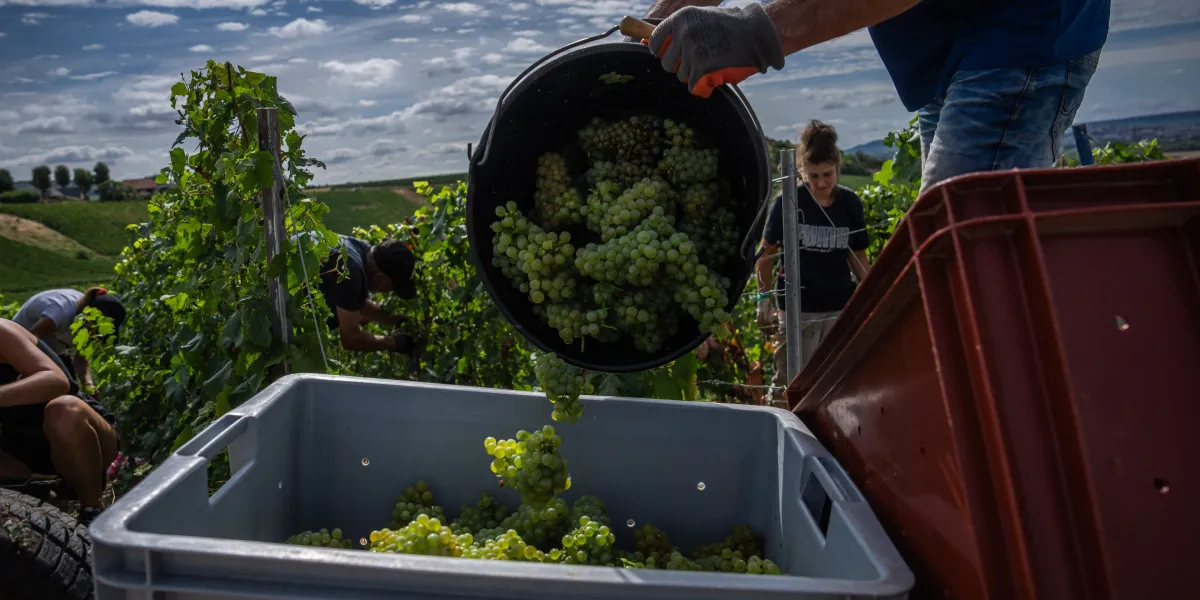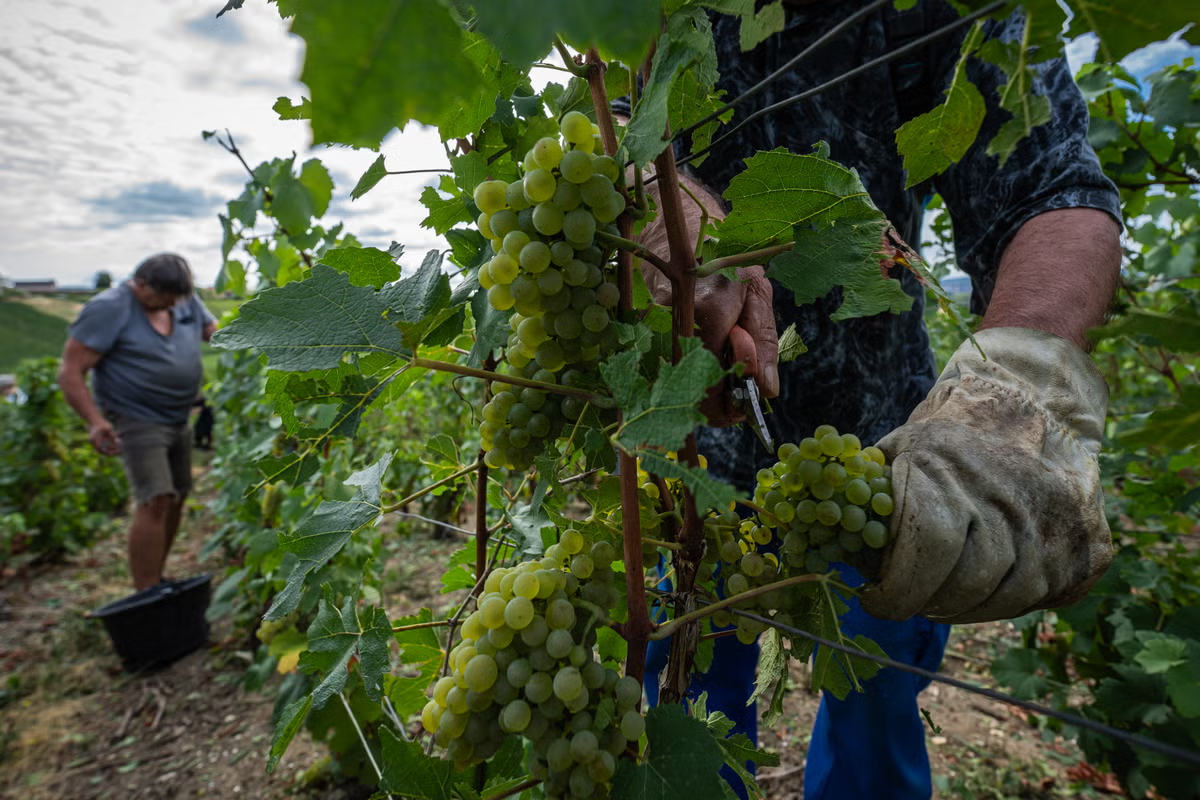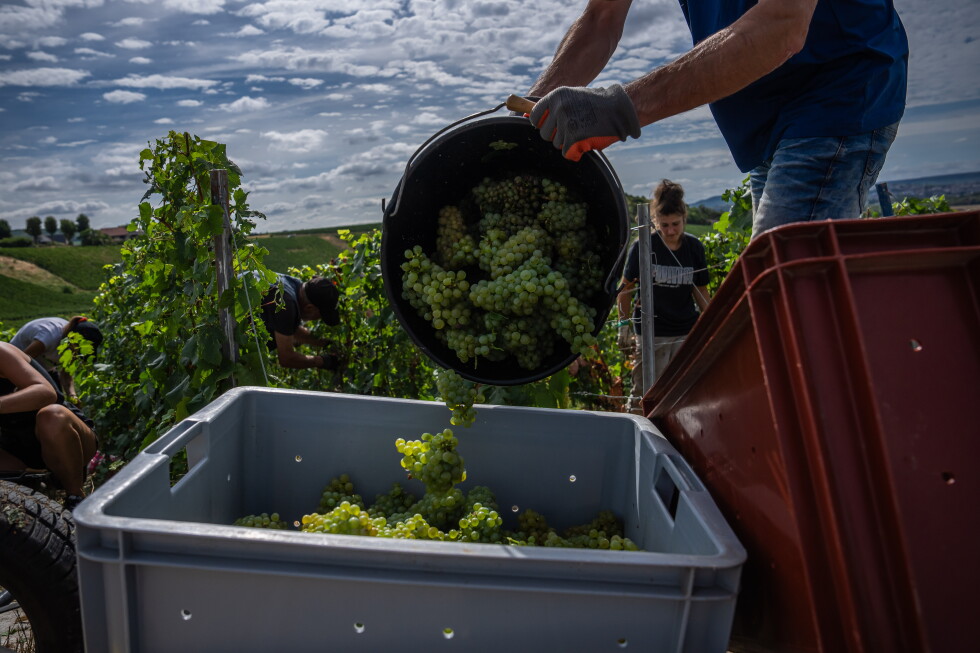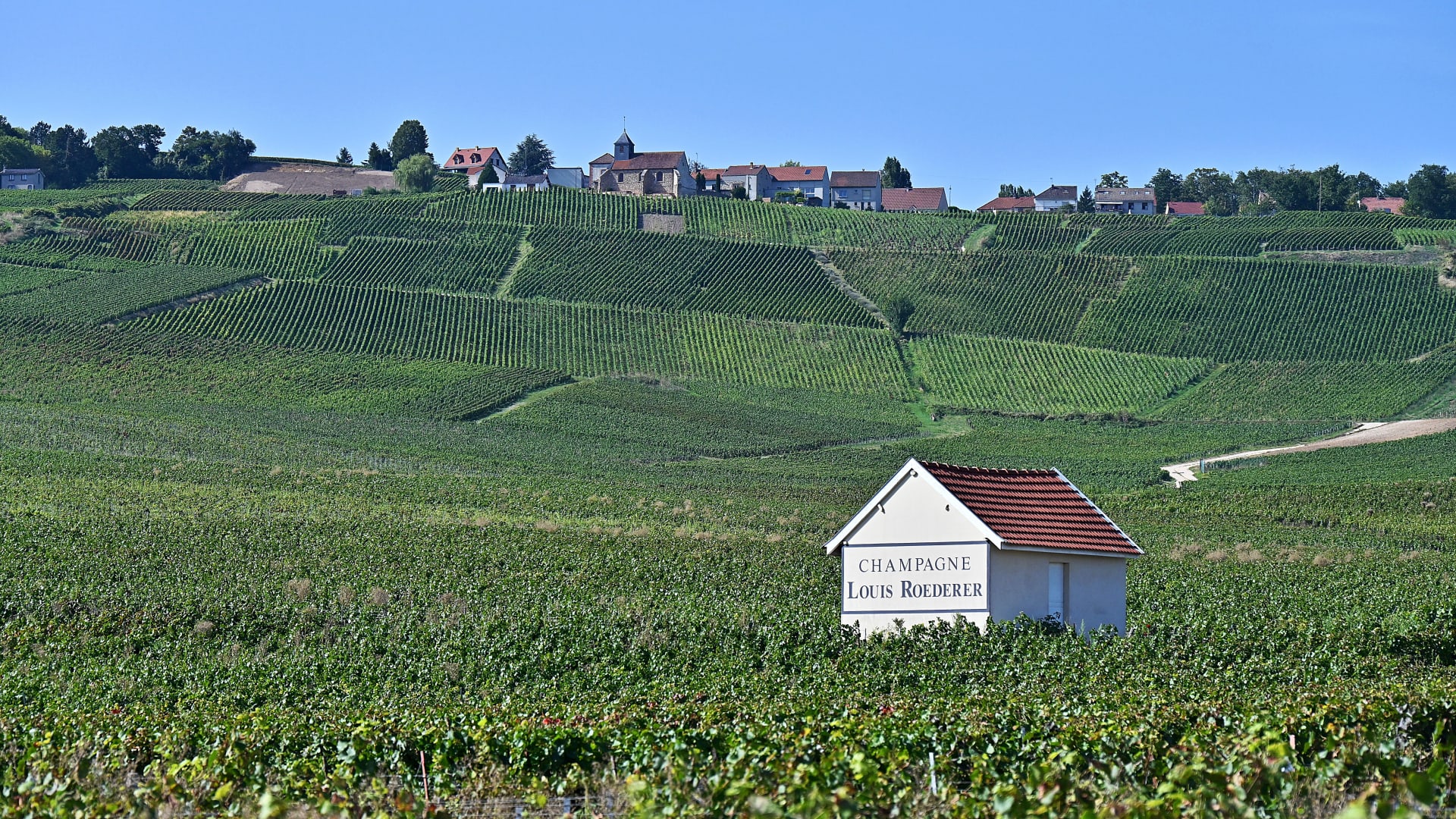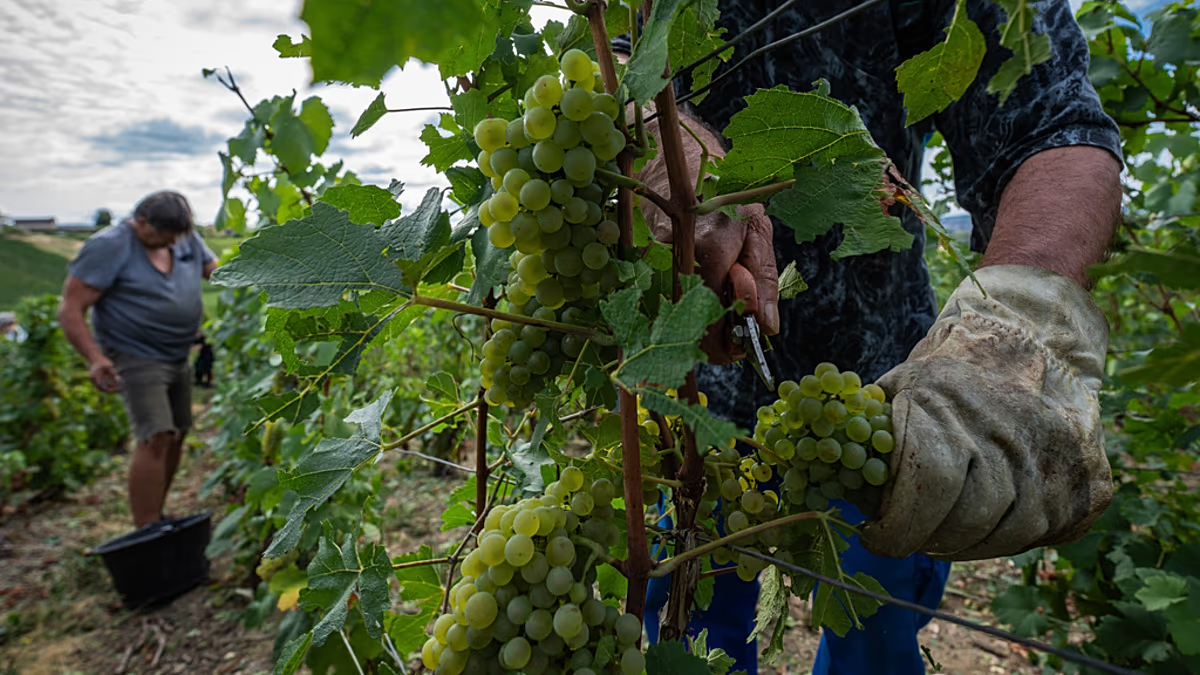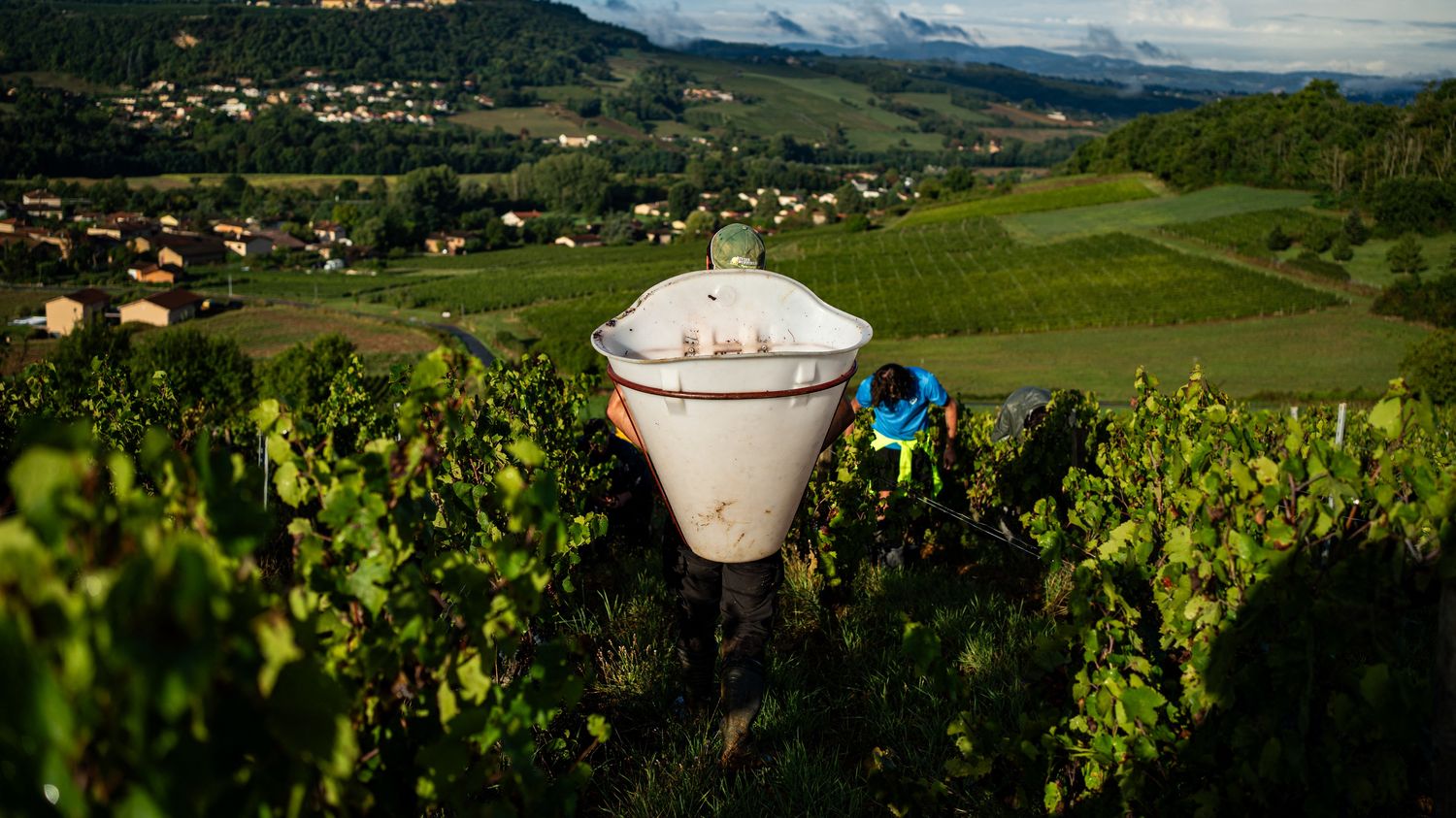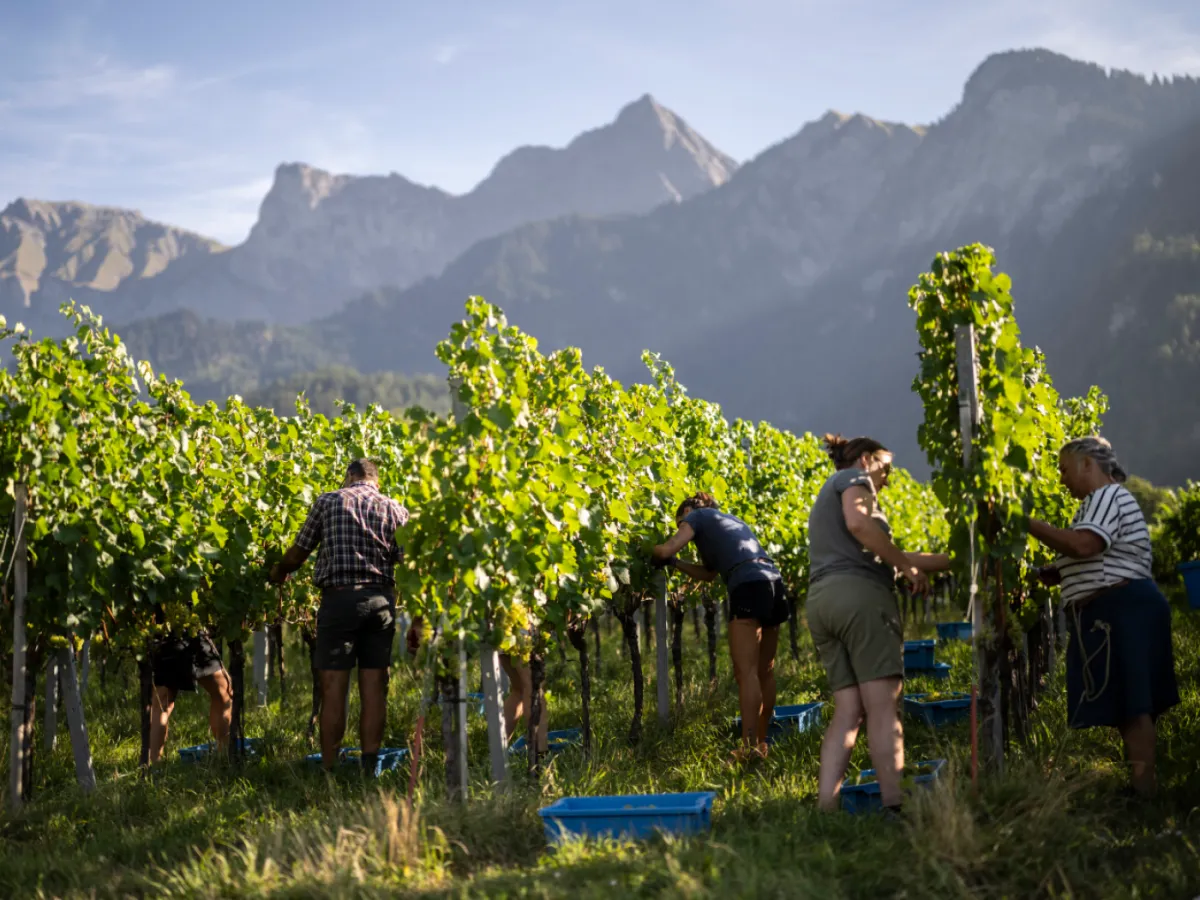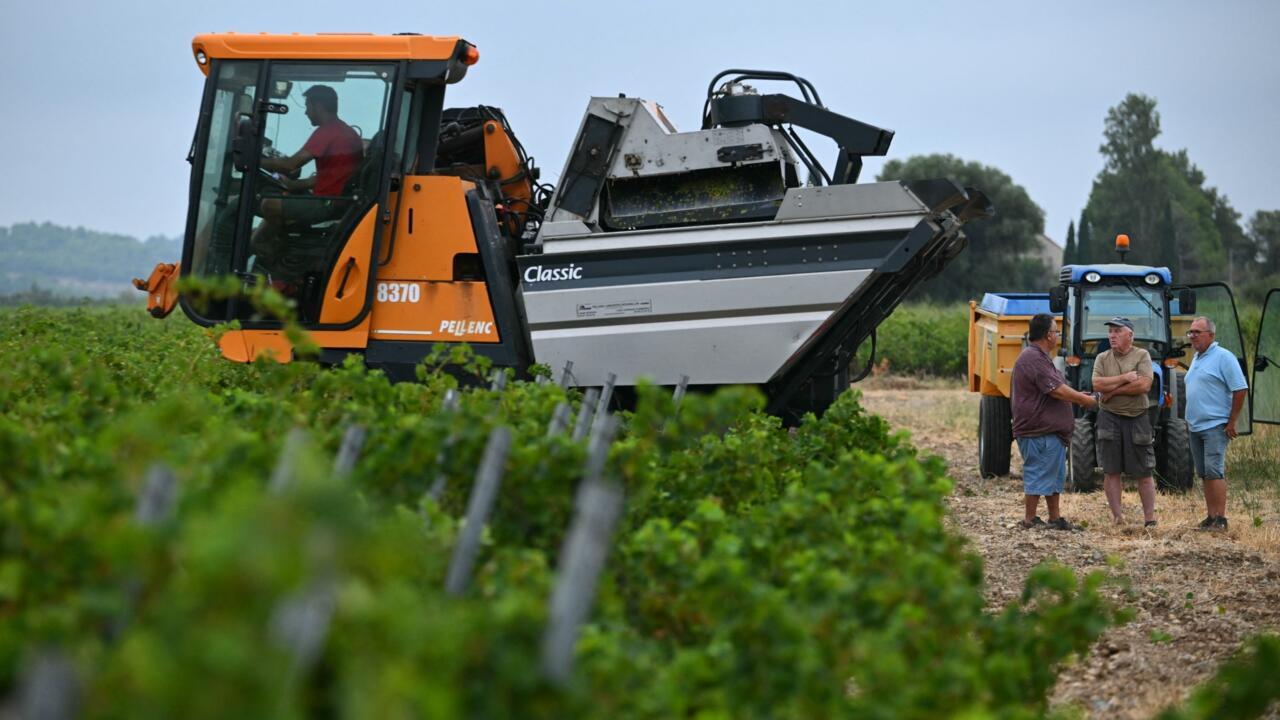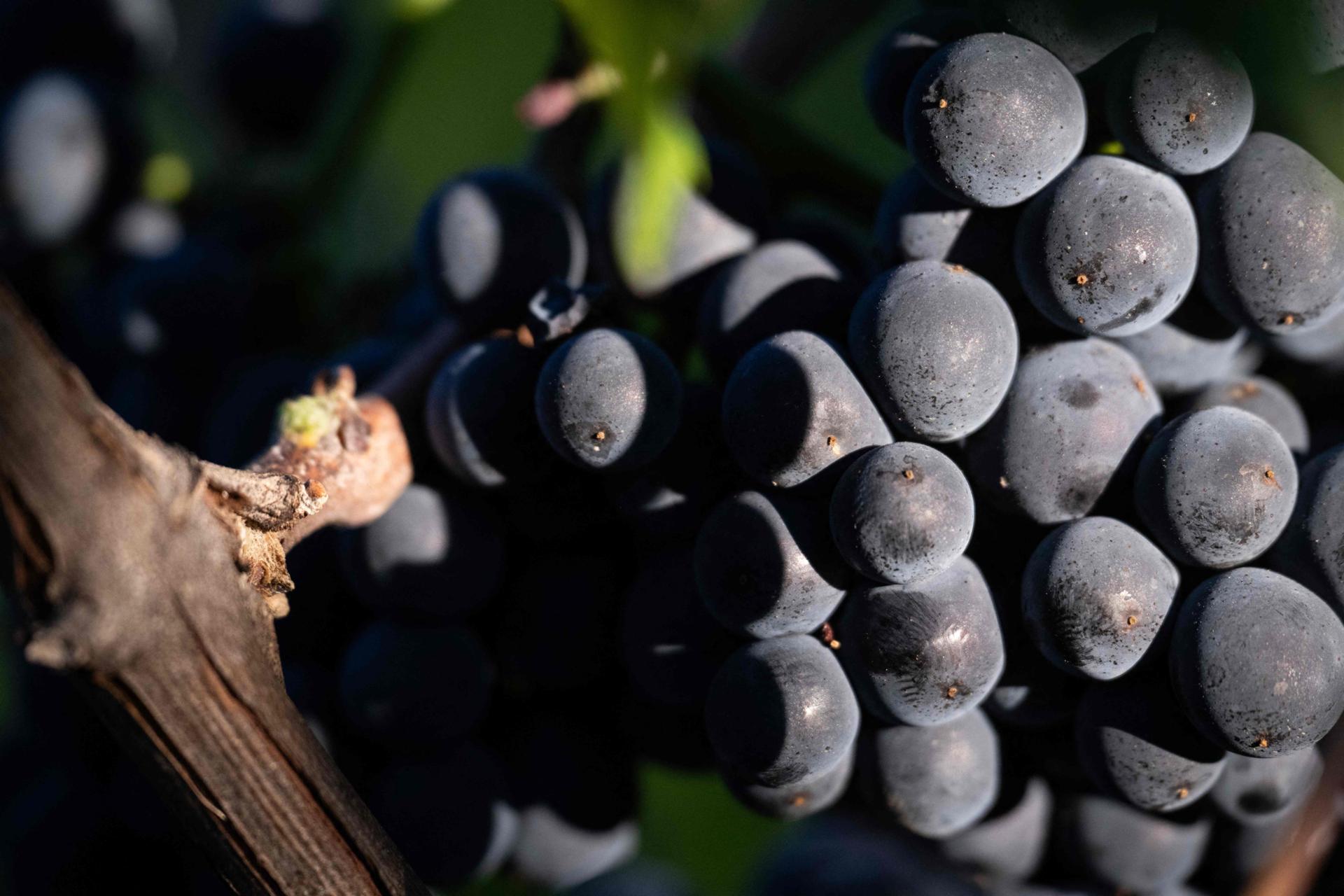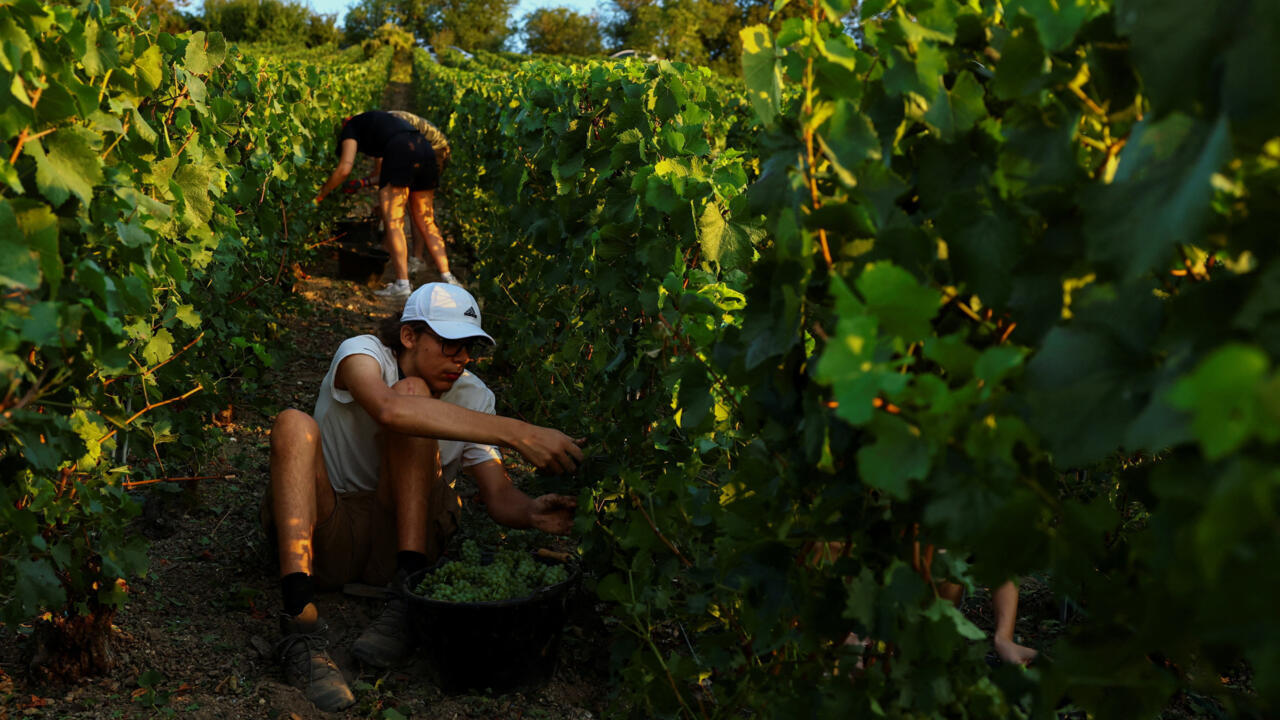
Drought and heatwaves have pushed French winegrowers to start picking grapes weeks ahead of schedule, with this year seeing some of the earliest harvests on record – a sign of how climate change is reshaping the wine calendar across the country.
Issued on: 20/08/2026 - 06:41
3 min Reading time
“It’s very intense,” says François, who is picking Muscadet grapes at the Huchet wine estate in the Loire-Atlantique department. The work is a race against the heat. “You have to work well under pressure. You have to be responsive, you have to be present." Less than 10 years ago, grapes at this estate were picked in September. Now the harvest takes place in August. “This is unprecedented, and it’s likely to happen again,” says owner Jérémie Huchet. “Winegrowers who used go on holiday at the end of August will have to change their habits,” he says – one of the many ways soaring temperatures are changing the wine industry. As temperatures climb, is the future of French wine in England? Climate change indicator The French Ecology Ministry says grape harvests are, on average, happening 24 days earlier than in the 1970s, and the dates are closely correlated with rising temperatures, making them a clear marker of climate change. Mild temperatures since the beginning of the year and successive heatwaves have accelerated the grapes’ ripening. Harvesting began as early as 15 July in the Languedoc region, while in Champagne, one of France’s most northerly wine regions, the harvest started on 12 August. The earlier harvest has also made it difficult to recruit grape pickers, who are seasonal workers accustomed to working in September rather than in August. At Huchet, the heat has forced a reorganisation of the working day. Picking starts at daybreak, at 6:45am, and finishes at 1pm. “Bringing grapes in when they are too hot is bad for their quality,” explains Huchet. The schedule also shields the pickers themselves from the hottest part of the day. Climate change helps France's Beaujolais wine find its sweet spot Working conditions Wine makers are not only adapting work habits, but their methods too. Picked grapes are usually put into 45kg crates, which are difficult to cool off. Some are testing smaller 15kg containers. The heat is also affecting the crop itself, producing smaller yields. “The harvest will be much lower than expected because the berries have shrunk,” says François. Grapes in Champagne this year are around 30 percent smaller than their normal size. Smaller grapes can also produce greater concentration, and at Huchet François expects “a very rich, fruity vintage, with plenty of body and breadth”. Climate change is “calling into question the qualities of wines, their variations and their links to their regions, territories,” says Jean-Marc Touzard, research director at France's National Research Institute for Agriculture, Food and Environment. Heat and lack of water make grapes sweeter, which makes for more alcoholic wines. Languedoc wines have averaged almost 14 percent alcohol since 2015, compared with 11 percent in the 1980s. Dilemma for French winemakers as alcohol content rises while consumption falls Changing identity Touzard says there are several ways winegrowers can adapt, including planting grape varieties that ripen later and are more resistant to drought and high temperatures. Growers can also use mulch to retain water, change how they prune their plants, or plant trees to provide shade for the grapes. Adaptation could eventually mean reorganising vineyards themselves, using plots with different exposures, altitude or soil compounds. But such changes are raising questions about the identity of wines, many of which have specific appellations that specify specific grape varieties and winemaking practices. Touzard argues for a more flexible definition of wine appellations, which will allow growers to innovate while maintaining the character of their individual regions. The price of wine could also be affected, says François: “Consumers will have to accept paying a little more for French agricultural products if they still want farmers in France.” This article was adapted from this radio report in French by RFI's correspondent in Loire-Atlantique, Léo Hélaine.