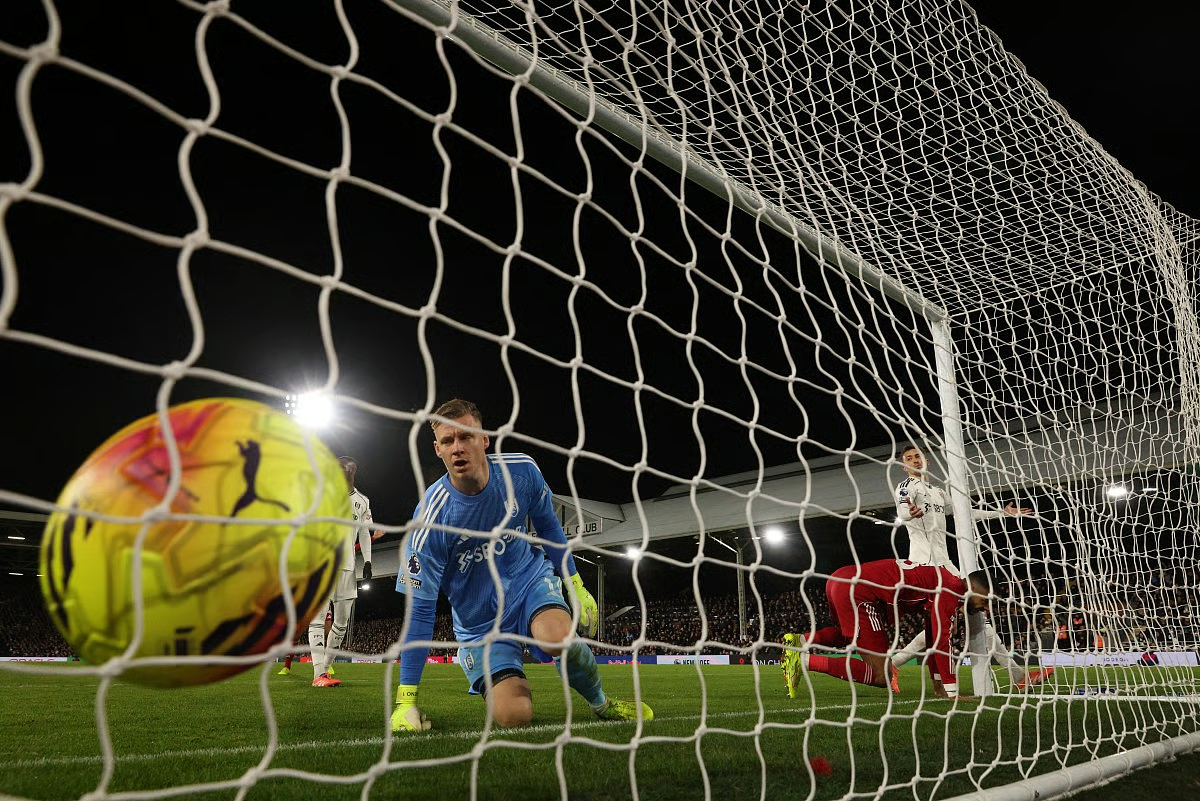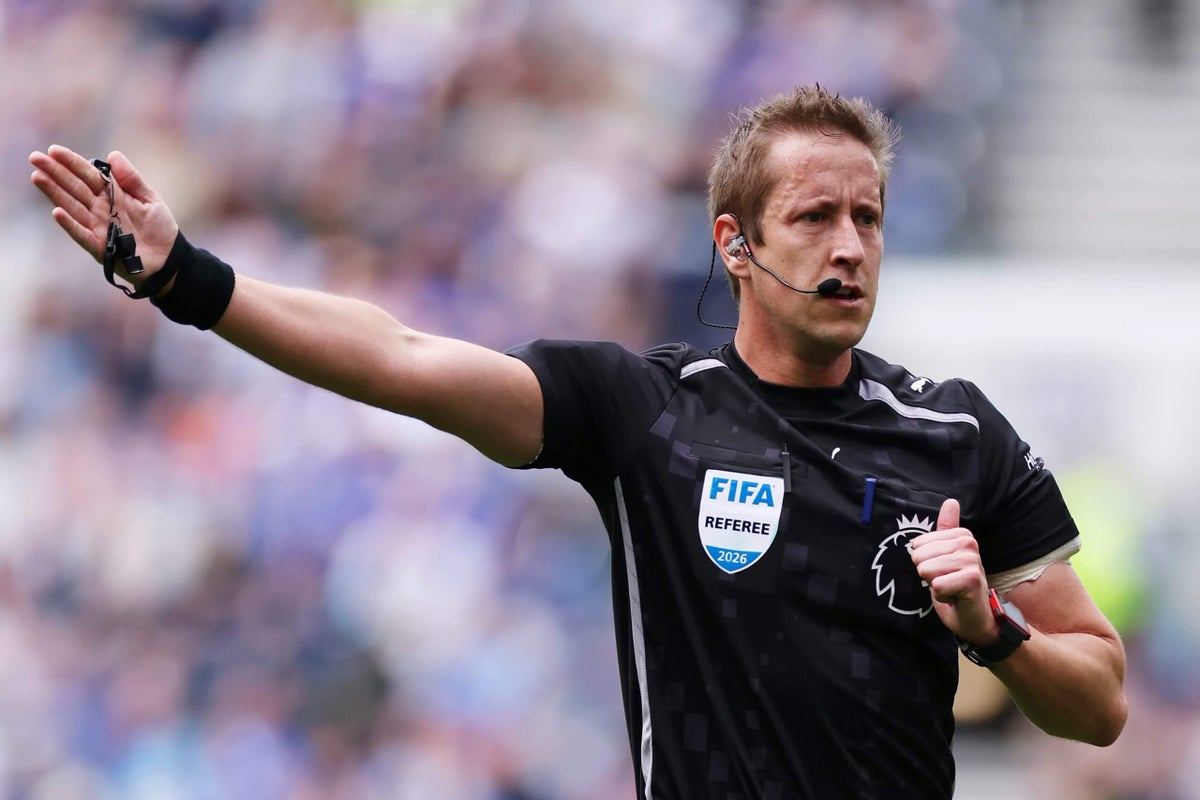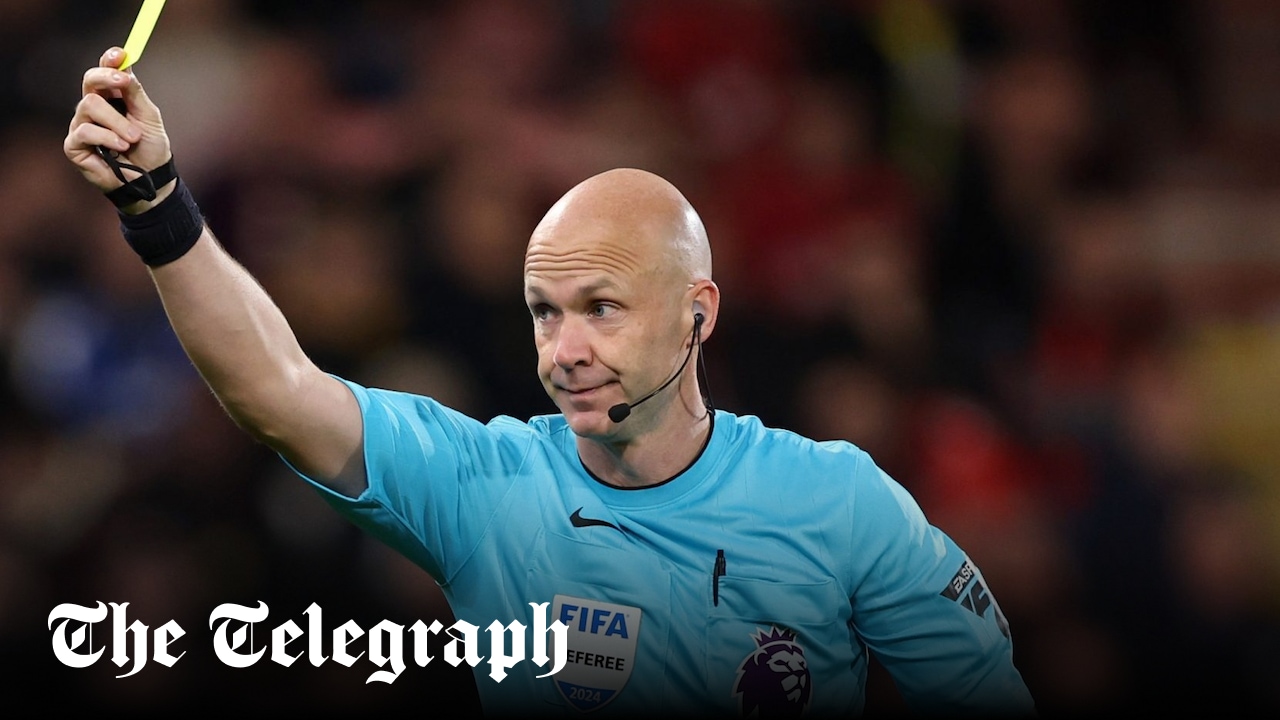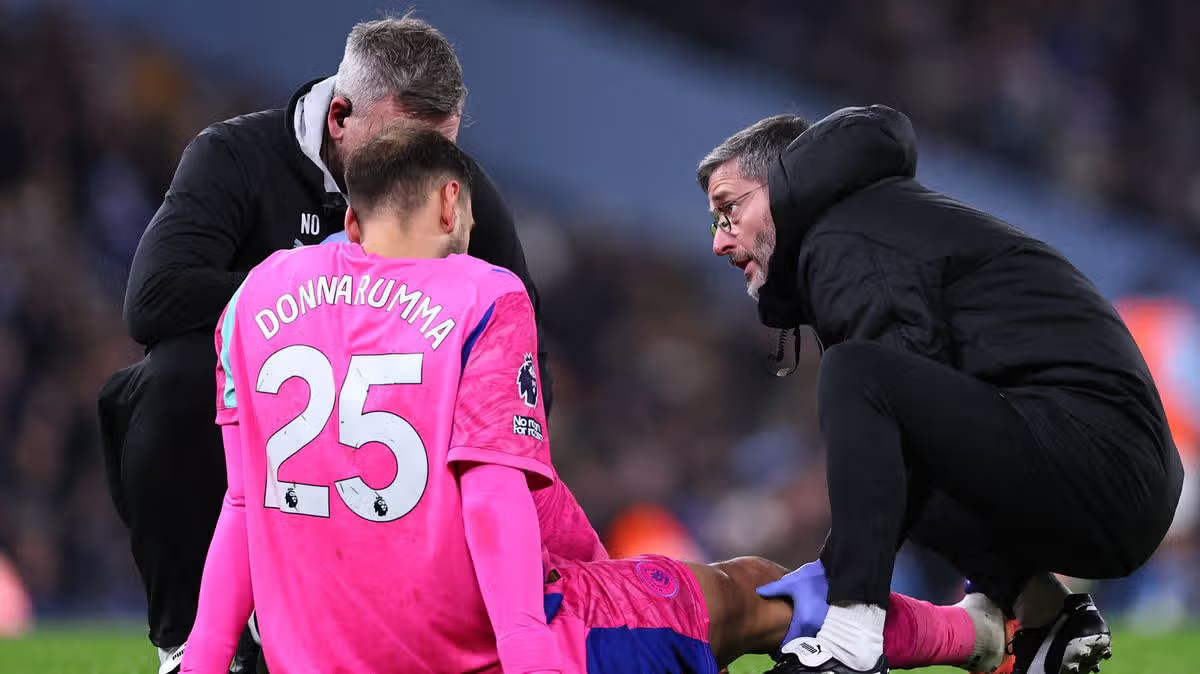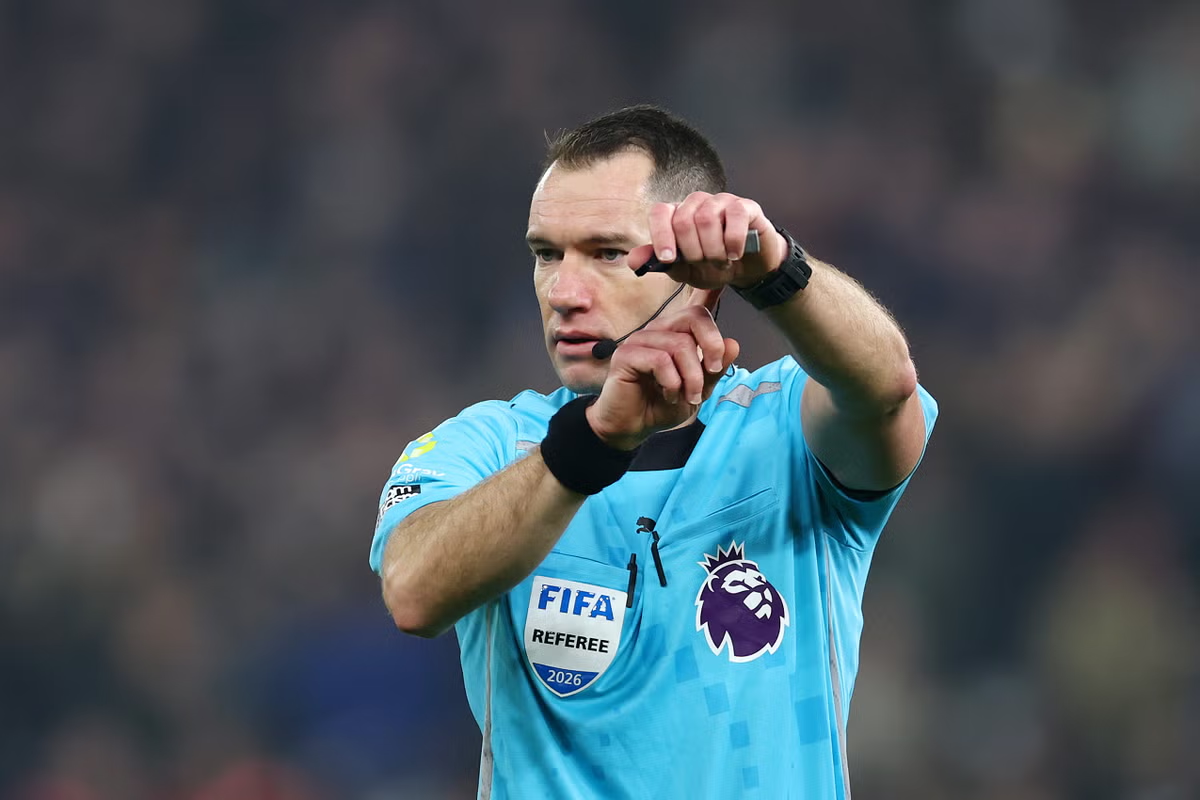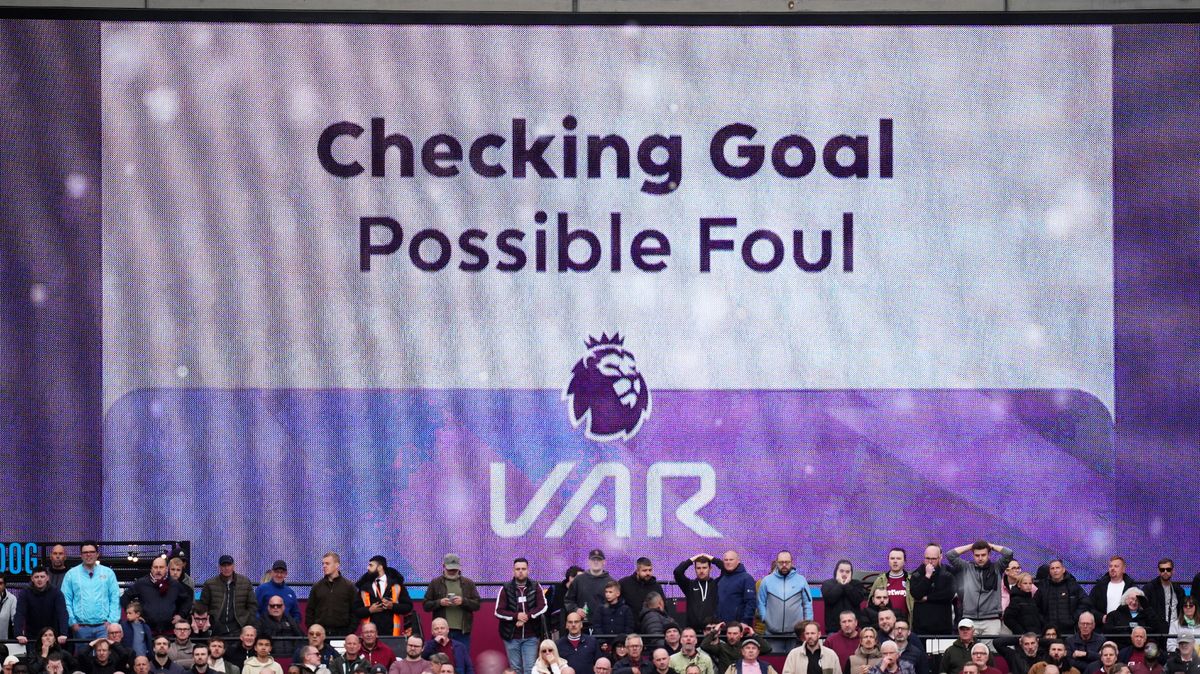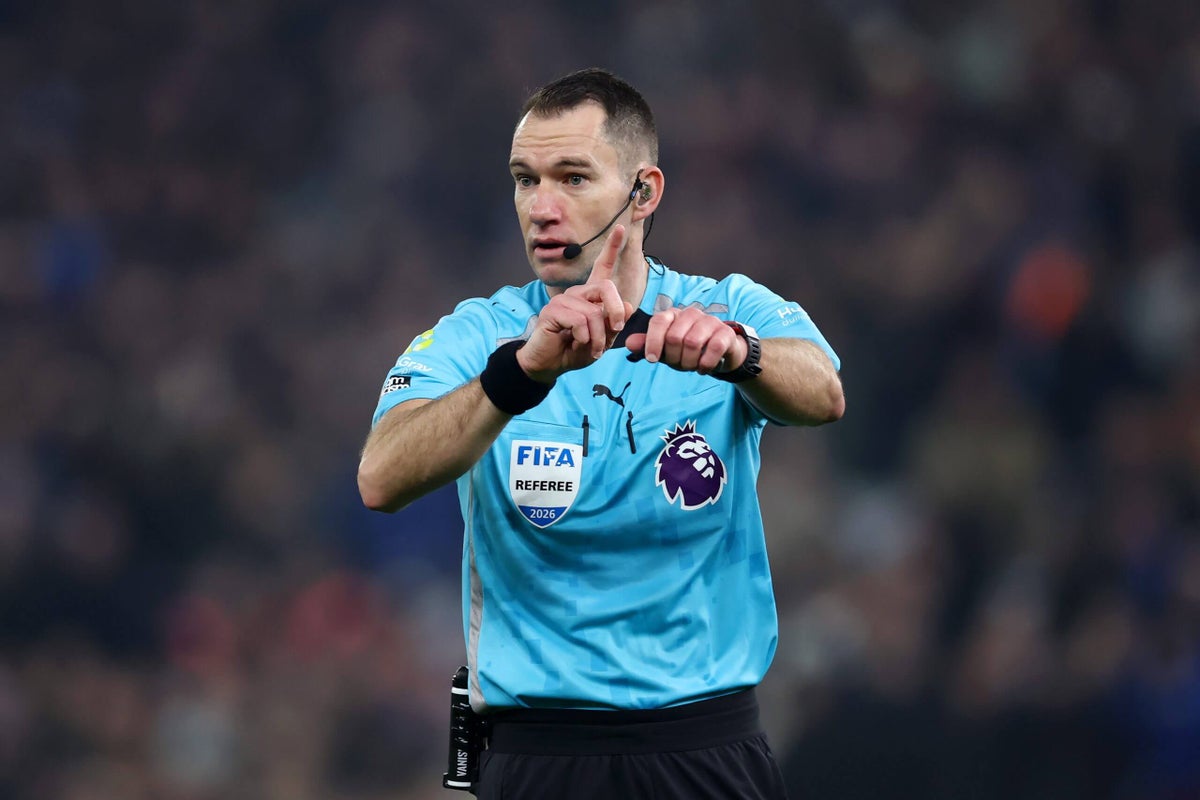
A plethora of new rules designed to speed up the game and increase the amount of time the ball is in play will be rolled out in the Premier League this weekend.Lawmakers want to see goal kicks, throw-ins and substitutions executed more quickly in the hope that fans who have purchased tickets or TV subscriptions obtain greater value for money. They also want to put a stop to goalkeepers faking injuries so their coach can call a tactical time-out, and inevitably, the scope of video assistant referees (VARs) has increased even further.In the Premier League last season, the ball was in play for 55 minutes and 22 seconds per game on average, down 2.8 per cent from 2024-25.Time lost through extended goal celebrations, red cards, penalties, substitutions, injuries requiring treatment and VAR checks is measured accurately by the fourth official and in the VAR room, with allowance made at the end of each half.But refs were not asked to add on time for slow goal kicks and throw-ins unless the amount taken was so great that a yellow card resulted. That will change this season – and not before time, so to speak.The new rules should work if applied and make more sense than stopping the clock every time the ball goes dead. Teams slow down the game to waste time, of course, but they also want to kill the tempo, especially when winning or away from home.Whether the changes endure is another question, as similar previous initiatives have quickly run into resistance from clubs who demand greater leniency.But the rules are written into the laws of the game, so they should sustain past September.Goal kicks and throw-ins
The Ref: Football’s new laws are designed to make the sport faster. Will they work?
A crackdown on time-wasting is well-intentioned but comes with some caveats, says Graham Scott
1,167 words~5 min read