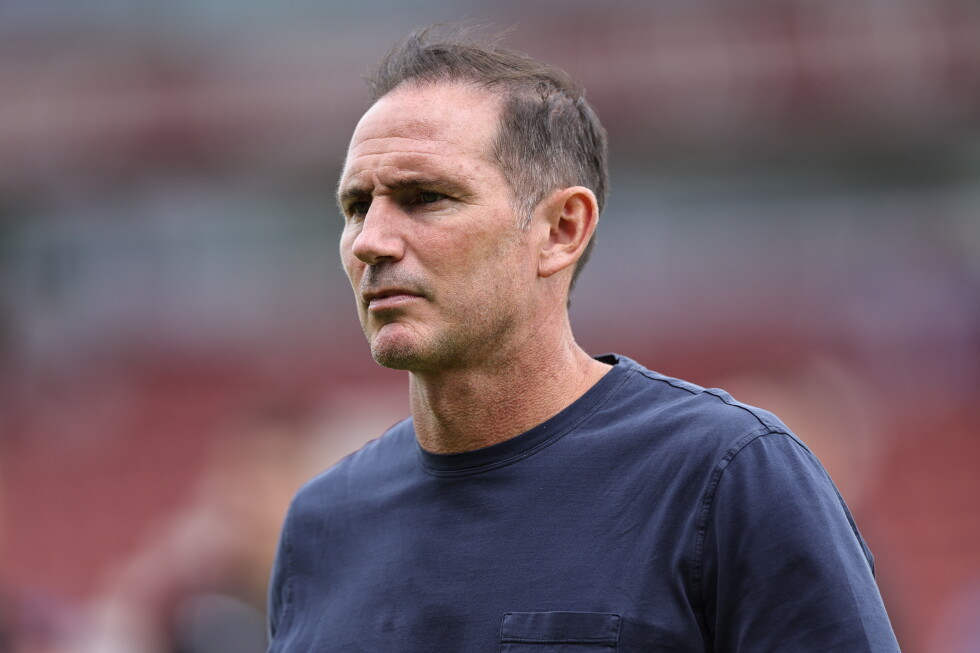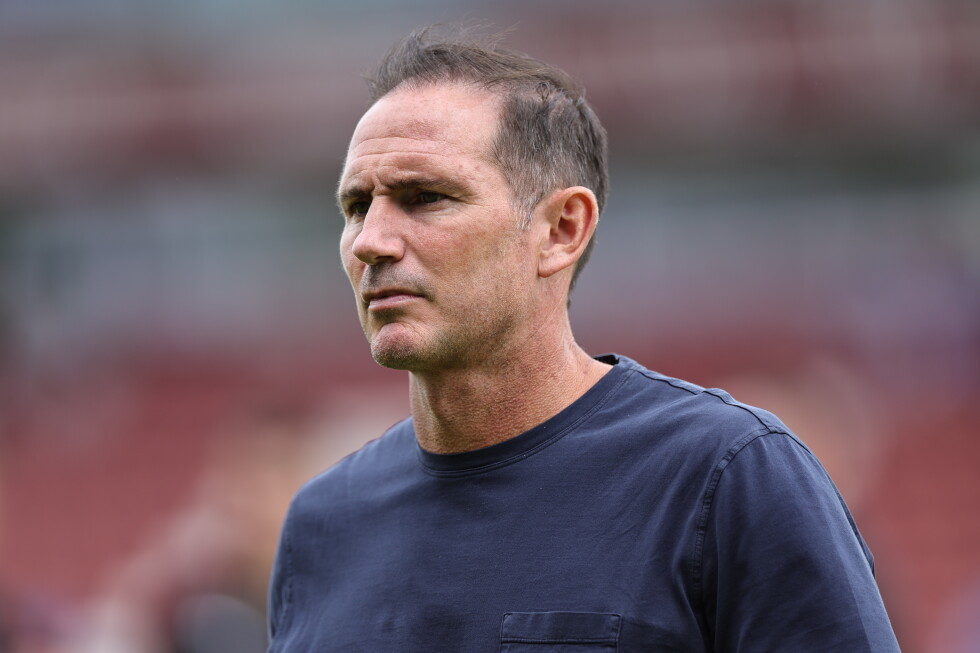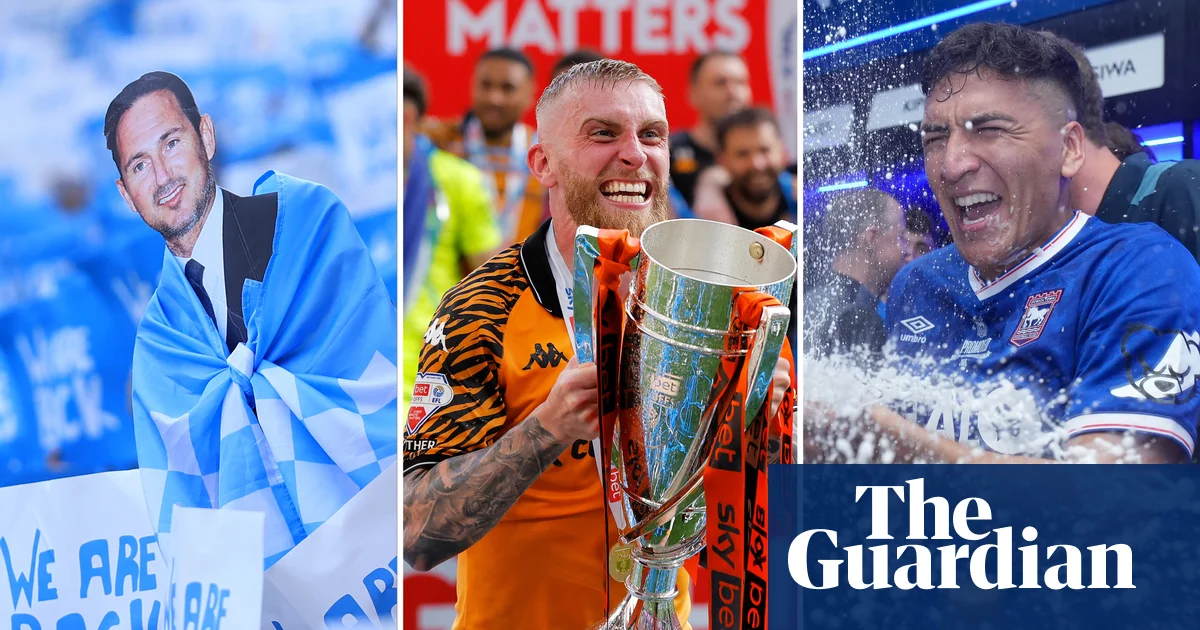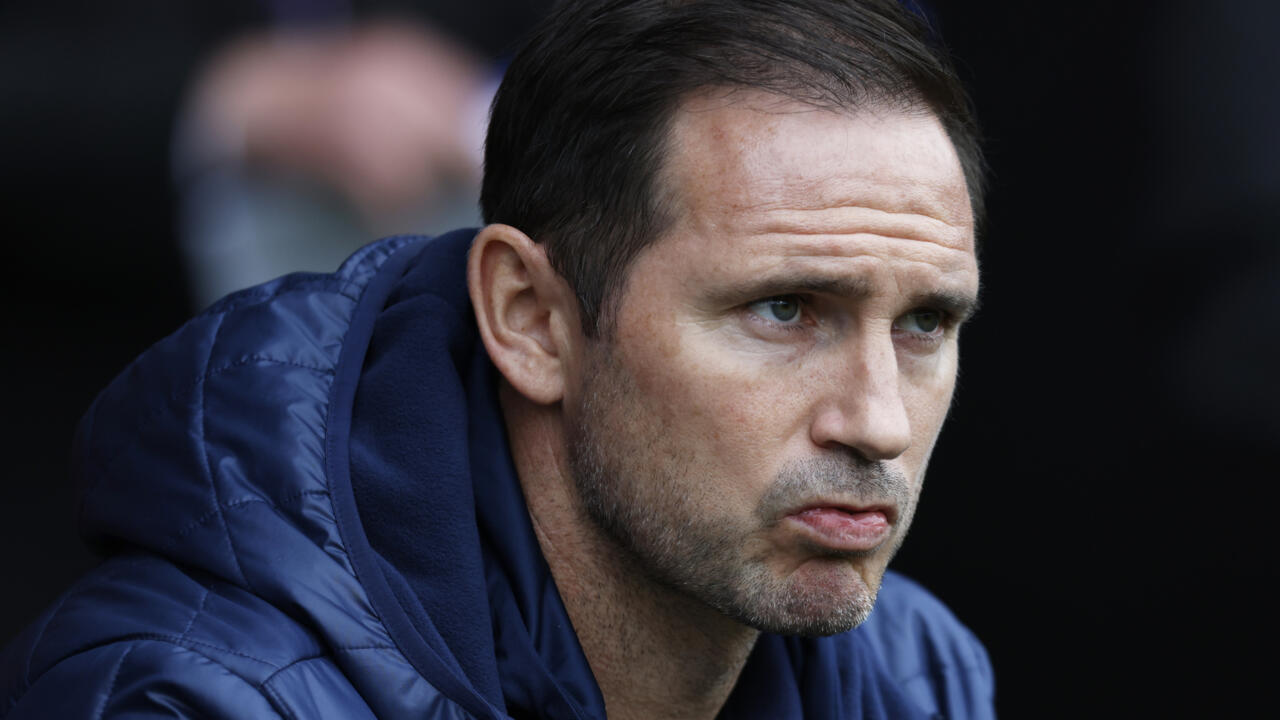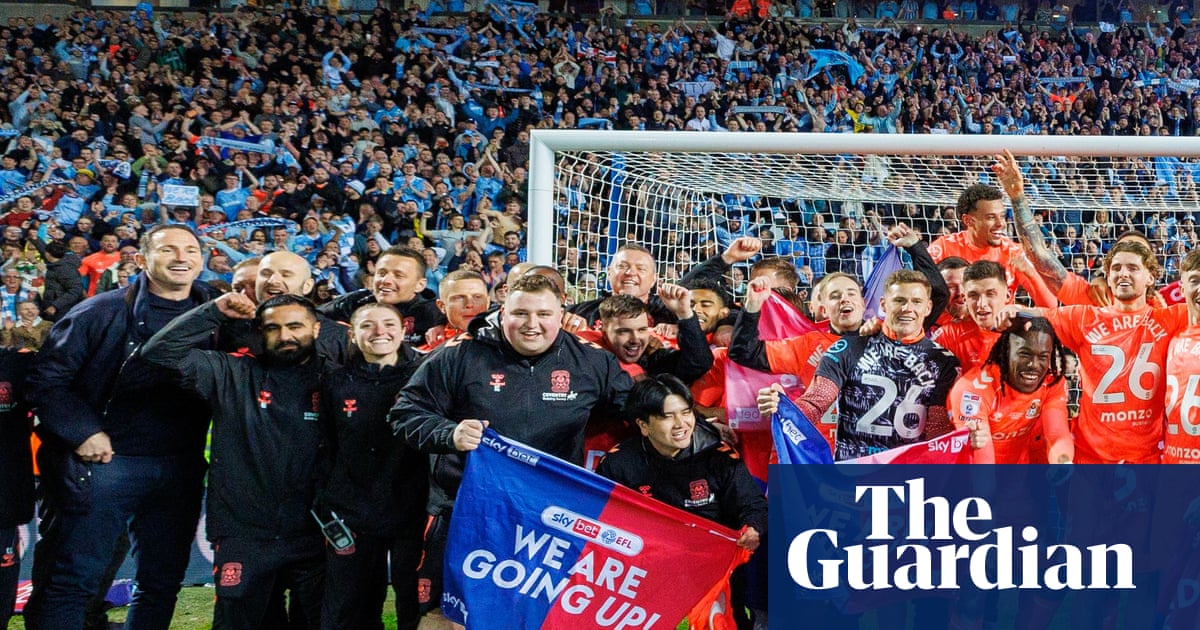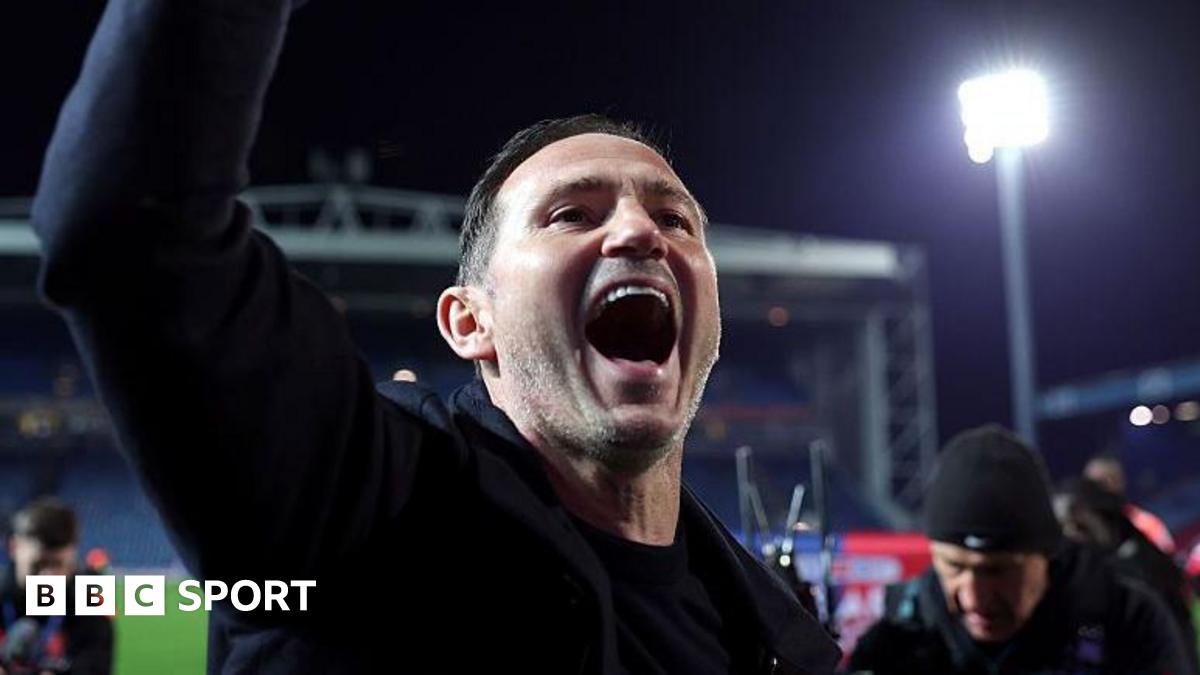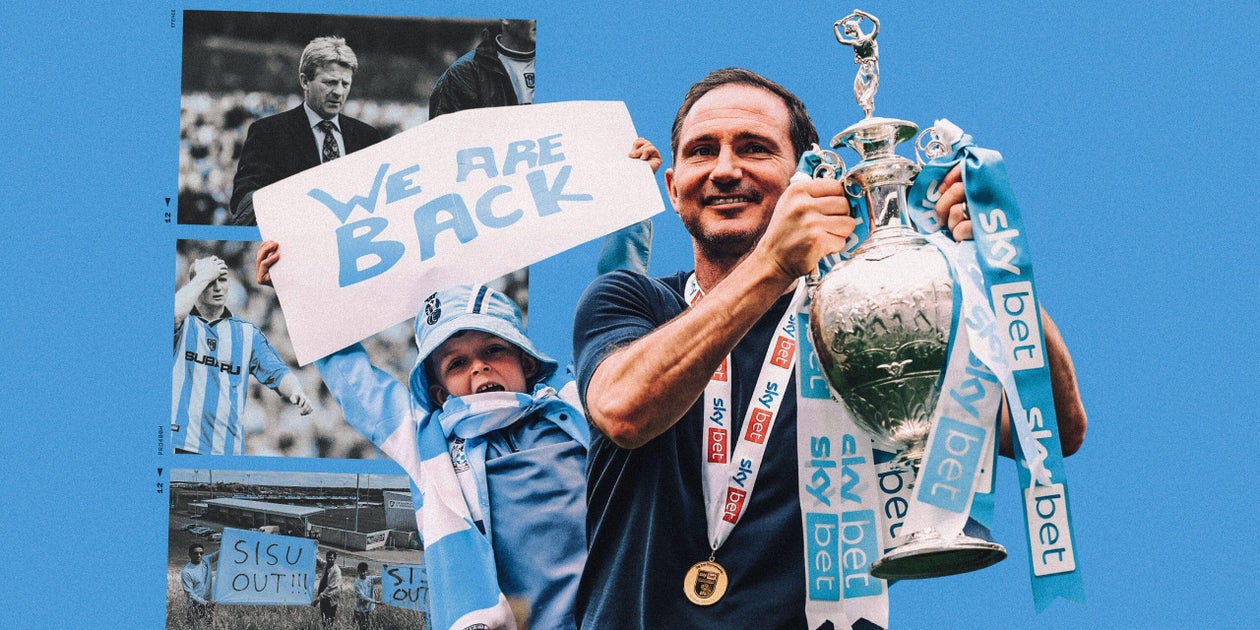
John Mullaney was on edge. It was Coventry City’s day of reckoning and he was dreading it. He had spent the morning feeling anxious, contemplating how, after 34 years in the top flight, relegation would feel — and at Villa Park of all places. He just wanted the whole ordeal over with, but his friend was late picking him up, compounding his agitation.Feeling the need to do something, anything, to ease his nerves, the Coventry fan found a blue marker pen and scrawled the words “we’ll be back” on a piece of paper. The sentiment smacked of resignation, but also of defiance — and a belief that relegation would be a mere blip before they returned to the Premier League a year later.For years, Coventry had lived a charmed life in the top flight, pulling off a few dramatic escapes either side of a glorious FA Cup success in 1987. But by May 2001, making the short trip to Aston Villa for their penultimate game, they needed a minor miracle.They nearly got one, rushing into a 2-0 lead, but a sinking feeling took hold and a 3-2 defeat sent them back to the second tier for the first time since 1967. It was then that Mullaney whipped out his homemade poster and held it up: “We’ll be back.”John Mullaney’s homemade banner was featured in the closing credits of Match of the Day (BBC)Drowning his sorrows with friends in a pub near Villa Park an hour later, he was aghast to see the television cameras had picked out him and his poster.He hadn’t done it for attention. “It was just a message to the Villa fans because I worked with a lot of them and they had been mickey-taking all week,” Mullaney, now 69, tells The Athletic. “But also, I really believed we would come straight back up again. If you had told me it was going to take 25 years…”Those 25 years saw three relegations, one administration and, worst of all, two periods of exile from their own city, forced to play their home matches in Northampton and Birmingham due to a bitter rent dispute between Coventry City Council, which part-owned the stadium, and SISU Capital, the hedge fund that bought the club in 2007.For a time, Coventry became the ultimate illustration of English football’s need for governance reform: playing in front of meagre crowds 35 miles away in Northampton while their own stadium stood empty. A hardcore of fans travelled to support them not from the terraces but, by way of protest, from a hill overlooking Northampton’s Sixfields ground. They were bleak times. “SISU nearly destroyed the club,” Mullaney says.And now, to a combination of joy and disbelief, they are back, under owner Doug King and the leadership of former Chelsea and England midfielder Frank Lampard. The opening game of the new Premier League season, on Friday, will be Coventry’s trip to champions Arsenal. Those years in the wilderness are behind them, but they will not be forgotten easily by the club’s supporters.Mullaney grew up a corner kick away from Highfield Road, Coventry’s home for 106 years. He remembers sneaking in to play on the pitch in the evenings — “with all the other ragamuffin kids all around the area” — sometimes joined by some of the club’s apprentices, who lived in digs at the end of the road. When manager (and later chairman) Jimmy Hill rolled up in the car park, they would clean his car. The relationship between the football club and the community felt symbiotic, as it should be.Legendary Coventry manager Jimmy Hill outside Highfield Road in the mid-1960s (R Viner/Daily Express/Getty Images)“Growing up in the 1980s and 1990s, we were always in what is now the Premier League,” says Dave Eyles, who was the chairman of the Sky Blue Trust, which formed in 2003 and led the protests against the club’s owner during the years of exile. “We were never going to be as flush as the bigger clubs, but we won the FA Cup in 1987 and we always tried to compete. By the mid-1990s, we were operating beyond our financial capacity and Highfield Road was looking a bit dilapidated so there was talk of getting a new ground.”In 2005, five years behind schedule and four years after the jolt of relegation from the Premier League, Coventry moved to a new home, initially called the Ricoh Arena. As so often, the new stadium was portrayed as a symbol of a brighter future.The move was beset by problems from the start. Coventry had been in debt for years, compounded by relegation and the collapse of the English Football League’s (EFL) commercial deal with ITV Digital, and made only a small contribution to the construction of the new stadium. Instead, it was funded almost entirely by Coventry City Council and the Alan Edward Higgs Charity, which took ownership of the Ricoh Arena in a joint venture called Arena Coventry Limited (ACL).Under the new arrangement, Coventry were tenants, paying roughly £100,000 a month in rent (about $180,000 in 2005), with no access to catering, parking or non-matchday income.Keith Houchen heads the winner in the 1987 FA Cup final, a high point in Coventry’s history (David Cannon/Allsport/Getty Images)Rather than move on to better things, Coventry drifted. The team stagnated, the surge in attendances didn’t happen and, by 2007, the club faced the threat of administration, at which point they were bought by SISU Capital, a London-based hedge fund.Again, it was portrayed as a new start, a significant step towards a brighter future. Iain Dowie, the team’s manager, spoke of “exciting times for everyone connected with the Sky Blues”, saying the uncertainty was over.“I was abroad at the time and I was cheering the news, thinking we had been saved,” Eyles says, “only to realise we had actually done a deal with the devil.”In April 2012, Coventry were relegated again, dropping down to the third tier for the first time since 1964. But even more damaging was a rent dispute. SISU began to withhold rent payments in the hope of forcing a renegotiation. ACL offered reduced terms, but a standoff ensued. Amid threats, counter-threats and court hearings, it was, inevitably, the club and its supporters who suffered.In March 2013, days after the office staff were relocated from the stadium to the training ground and the club store was emptied of merchandise, Coventry entered administration, citing an inability to pay the outstanding £1.3million rent bill. The threat of homelessness loomed and, shortly before the following campaign began, the club announced it would play home games in Northampton for the next three seasons, a decision the EFL approved with “deep regret”.“It was just awful,” says Moz Baker, another former chairman of the Sky Blue Trust. “Nobody could quite believe it had happened.”Such a move would be far less shocking in American sport, where franchise culture and the size of the country mean the relationship between teams and local communities can be less sacrosanct. Even moving from Highfield Road, in the heart of the city, to the Ricoh, on the northern outskirts, was a culture shock in the hope of progress. To move to Northampton, two counties away, was unthinkable, unnecessary and so damaging.Coventry’s average league attendance had fallen from 21,302 in their first season at the Ricoh to 10,950 in year eight as disillusionment — and anger with the owner — grew. Now it fell to just 2,348 as thousands of fans boycotted Northampton in protest. A small group of others watched from the hill, hoping the absurdity of the situation would draw attention to the club’s plight.Fans watching Coventry from the hill above Northampton’s Sixfields Stadium (Jamie McDonald/Getty Images)“I was one of the ones on the hill,” Eyles says. “You weren’t even watching the game because you could only see about half the pitch from the hill. You felt you were making a statement because it helped keep the club in the public eye, and the media coverage put some pressure on the owners to realise, ‘Bloody hell, what have we done here?’. But it was depressing.”“In the early days, there were probably 100 or more of us on the hill,” Baker says. “But as the season went on and the weather got worse, it became pretty bleak and the numbers diminished. There are people who went on the hill for every game.“I got to the point where I just couldn’t face doing it anymore. I kept going to the away games, but I couldn’t face going to Northampton. I ended up trying to find other things to do with my life on a Saturday, but it broke my heart.”An uneasy truce saw Coventry return home — if it could still be considered home — the next season. But an opportunity to buy the Ricoh was missed. Instead, the stadium was sold to Wasps, a rugby union club with no previous link to the city.Moreover, the damage done by the Northampton move was huge. The relationship between SISU and the fans was broken. There were regular protests, including a series of marches to the owner’s London office, demanding answers (which were never forthcoming).“It was exhausting,” Eyles says. “We’re just fans. We only ever wanted to support the team. The protests were because we wanted to defend the club from what the owners were doing. There were a lot of other clubs going through similar issues at the time: Blackpool, Charlton Athletic and others. The various supporter groups helped each other. We just tried to get our message across: that football clubs don’t belong to hedge funds or investors. They belong to the fans. Without the fans, there is nothing.”Somehow, against that mutinous backdrop, a sense of stability arrived. Mullaney, Eyles and Baker all praised the influence of manager Steven Pressley, in charge between 2013 and 2015, and his successor Tony Mowbray, but particular acclaim is reserved for Mark Robins.Robins returned for a second spell in charge in March 2017, shortly before Coventry were relegated to the fourth tier. But victory over Oxford United at Wembley in the EFL Trophy brought what Eyles calls “a glimmer of hope”, a hint of what could be achieved if only the club’s many off-the-field issues could be resolved.Winning the EFL Trophy in 2017 was the first glimmer of Coventry’s recovery (Bryn Lennon/Getty Images)Robins led them to promotion from League Two on the first attempt, beating Exeter City in the play-off final, another day out in the Wembley sunshine. “We took around 40,000 fans to Wembley that day, and the atmosphere was electric,” Eyles says. “That was probably the point where it felt like we could get our club back.”The divide between the fanbase and the owner was unbridgeable, but Robins strove to build a team the city could get behind. Behind the scenes, a new chief executive, Dave Boddy, sought to build bridges with the fans, who previously felt they had been treated as the enemy.In 2019, with the Ricoh dispute unresolved, Coventry were forced to relocate again to Birmingham City’s stadium. The travelling distance was ‘only’ 18 miles — and at least they were in their home county, West Midlands, not back in Northamptonshire — but the city is not, as outsiders might imagine, a satellite of Birmingham. Many fans stayed away in protest again. “At that point, it felt like there wasn’t a way back to playing in Coventry,” Eyles says.Against the odds, Coventry won promotion back to the Championship in a season curtailed by the Covid-19 pandemic. In March 2021, the club agreed a new 10-year rent deal to return to the Ricoh, which was renamed the Coventry Building Society Arena shortly afterwards. Five months later, on the opening day of the new Championship season, a crowd of 20,843 watched Coventry, inspired by new signing Viktor Gyokeres, come from behind to beat Nottingham Forest 2-1.Viktor Gyokeres celebrates scoring for Coventry on the opening weekend of the 2021-22 Championship season (Marc Atkins/Getty Images)A year later, SISU finally sold the club, which was bought by King, who had made his fortune from commodity trading. “There was a lot of scepticism because nobody knew who he was,” Eyles says. “After years of SISU bringing different people on board, we worried he might be another stooge. But he quickly showed he had a very clear vision about wanting to take the club forward, back to the Premier League.”They narrowly missed out on promotion in 2023, beaten by Luton Town on penalties in the play-off final. The following season brought an agonising defeat against Manchester United in the FA Cup semi-final, again on penalties after coming from 3-0 down to force a 3-3 draw. The dismissal of Robins in November 2024 upset many supporters. The appointment of Lampard, though a “big-name” appointment, did little to placate them.But Lampard brought fresh ideas and impetus. An impressive run took them to the promotion play-offs, where they were beaten by Sunderland. Last season, they were unstoppable, riding on the crest of a wave, playing free-flowing, free-scoring football. Amid joyous scenes, they won promotion with three games to spare. And on the day they lifted the trophy at the CBS Arena, the club printed thousands of placards bearing the slogan, “We are back”, in Mullaney’s writing.Coventry fans held up versions of John Mullaney’s ‘We Are Back’ banners when they won the Championship last season (Marc Atkins/Getty Images)Mullaney, now 69, smiled as he watched it all more than 10,000 miles away in Brisbane, Australia. Since emigrating in 2006, he has followed Coventry’s fortunes from afar, despairing at the trials and tribulations under SISU’s ownership, feeling sorry for friends who were still following the team every week — even from a hill in Northampton.But he has found his enthusiasm reignited over the past nine years, frequently getting up at 3am to watch his team, messaging his son in a state of excitement, “and then, when it’s been a great game, struggling to get back to sleep because it’s such a buzz”.Baker can relate to that. “My son George is 28,” he says. “I took him to his first game in 2003, so he grew up through all the really lean years: getting relegated three times, playing in Northampton and Birmingham. There are a lot of lads George’s age who grew up through those years and they stuck with the club. They’re the ones I feel happiest for because they must have thought they would never see us in the Premier League.”“It’s unbelievable when you think what we’ve been through,” Eyles says. “We’ve gone from playing in League Two against — no disrespect — Accrington Stanley, Fleetwood Town and Forest Green Rovers to being back in the Premier League, playing Liverpool and Manchester United.“I never thought we would get back there. Even stability in League One seemed more than we could hope for at one stage. We were in League Two. Oldham are the only club who played in the Premier League who have dropped down to the National League, but that could easily have been us. We’ve seen Macclesfield Town and Bury go out of business. We weren’t a million miles from that.”But instead, Coventry find themselves back in their own city — not as tenants but finally as owners of their own stadium, which the club bought in a £25m deal last August — and back in the Premier League. Already this summer, they have spent over £100m on new players to strengthen Lampard’s promotion-winning squad.Even within the rollercoaster existence of the Football League, it is remarkable to go from such depths of despair to such euphoria. Baker says the atmosphere in the city is unrecognisable. “It feels like everyone is wearing a Coventry shirt,” he says. “There’s a feel-good factor everywhere you go. Men, women, young and old, it has united the community again.”The mood is encapsulated in the lyrics of a song by local band The Enemy. We’ll Live and Die in These Towns has become the club’s official anthem, its words carrying a greater poignancy because of everything Coventry and their supporters have been through:“We’ll live and die
The extraordinary fall and rise of Coventry City
The club survived exile from its own stadium, going into administration and relegation to the fourth tier before its recent renaissance
2,731 words~12 min read