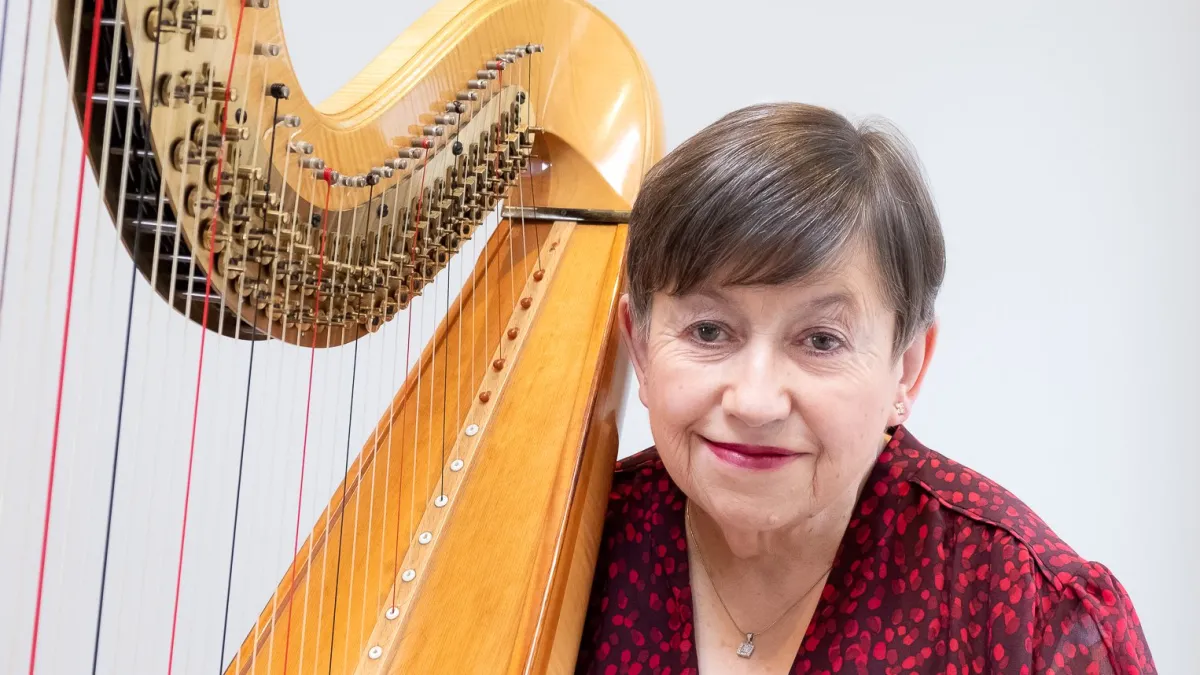
When Sioned Williams first realised that her hearing was not all it should be, she was not in mid-flow playing her harp at the Proms, but at home with her husband. “He asked why the radio was on so loud,” Williams says. “It didn’t seem loud to me.”
Williams, principal harp of the BBC Symphony Orchestra from 1990 to 2017, has endured a lifelong struggle with McArdle disease, a rare, inherited, metabolic muscle condition. “I shouldn’t really be able to play the harp at all,” she remarks. On top of that, hearing loss seemed like the last straw. “I told nobody and went to Musicians’ Hearing Services. When they said I’d got a problem in both ears, serious enough to warrant hearing aids, I completely fell apart.”
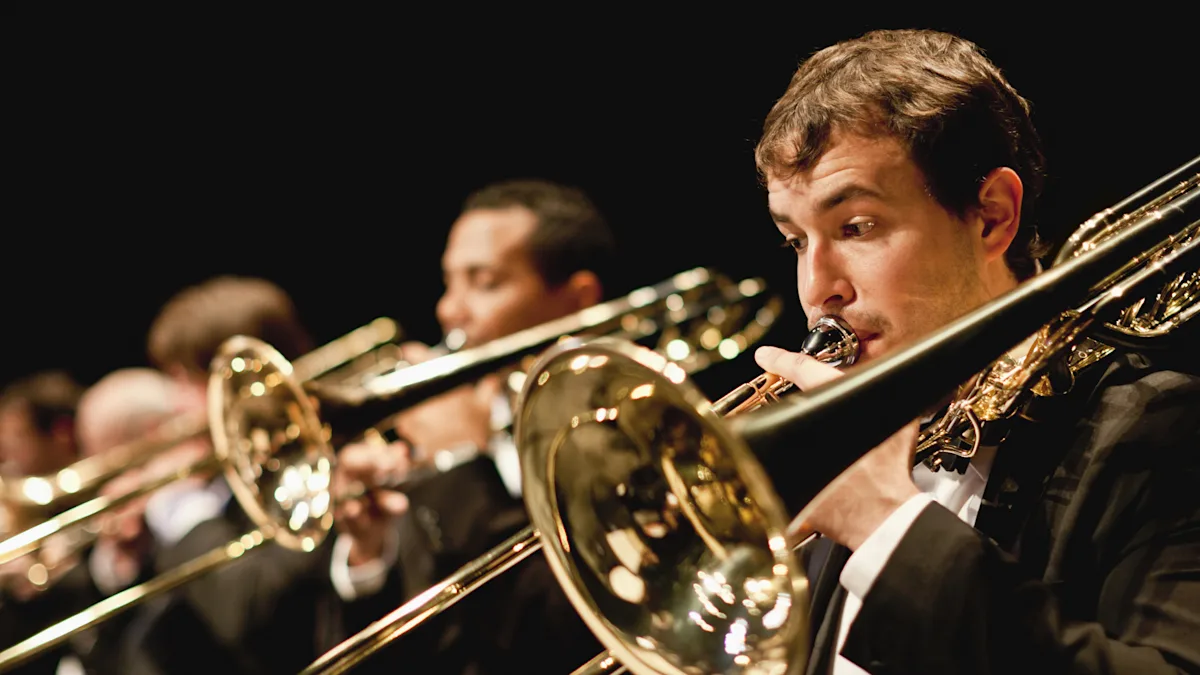
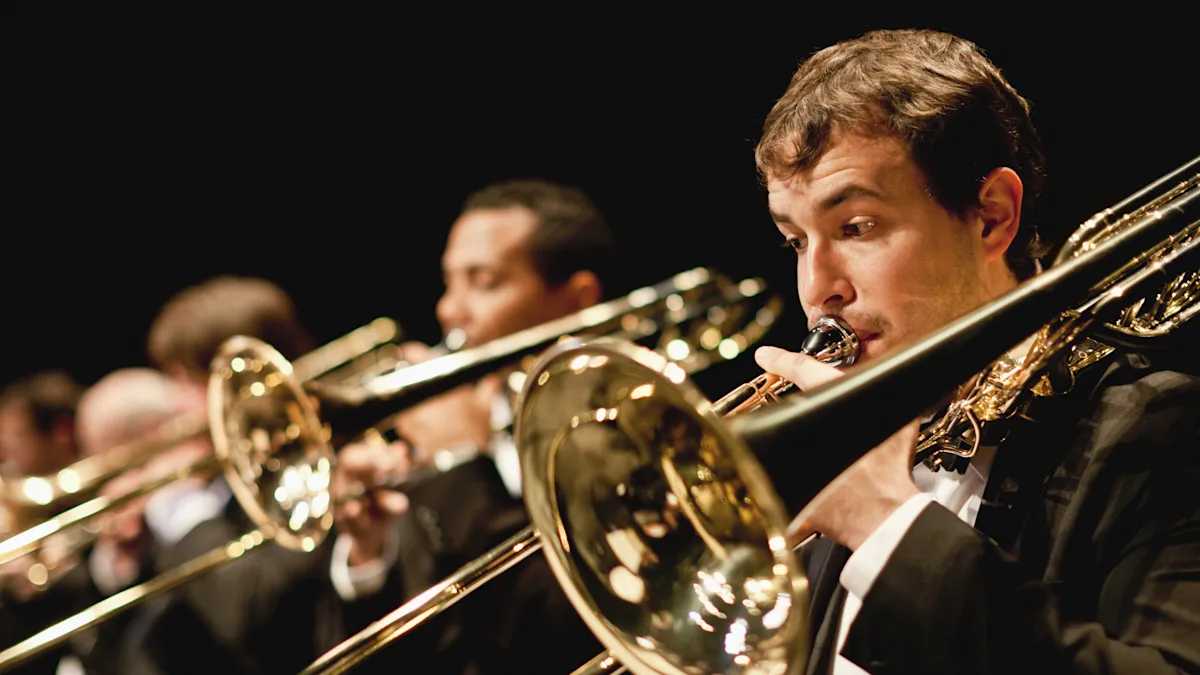
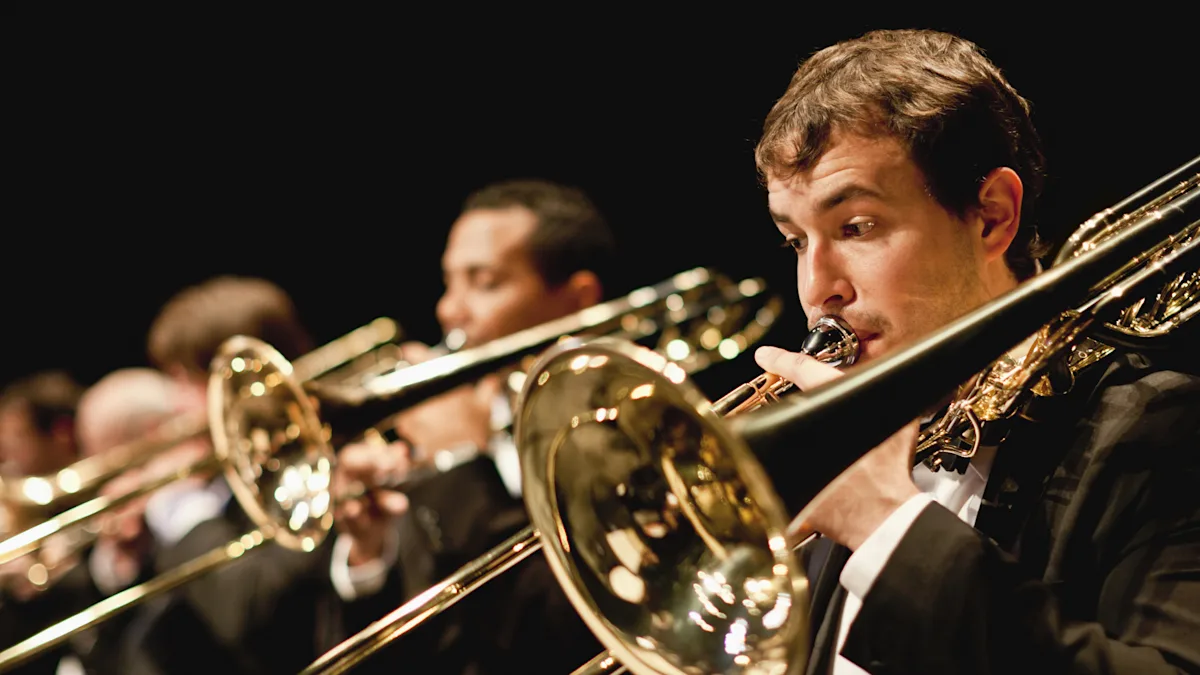
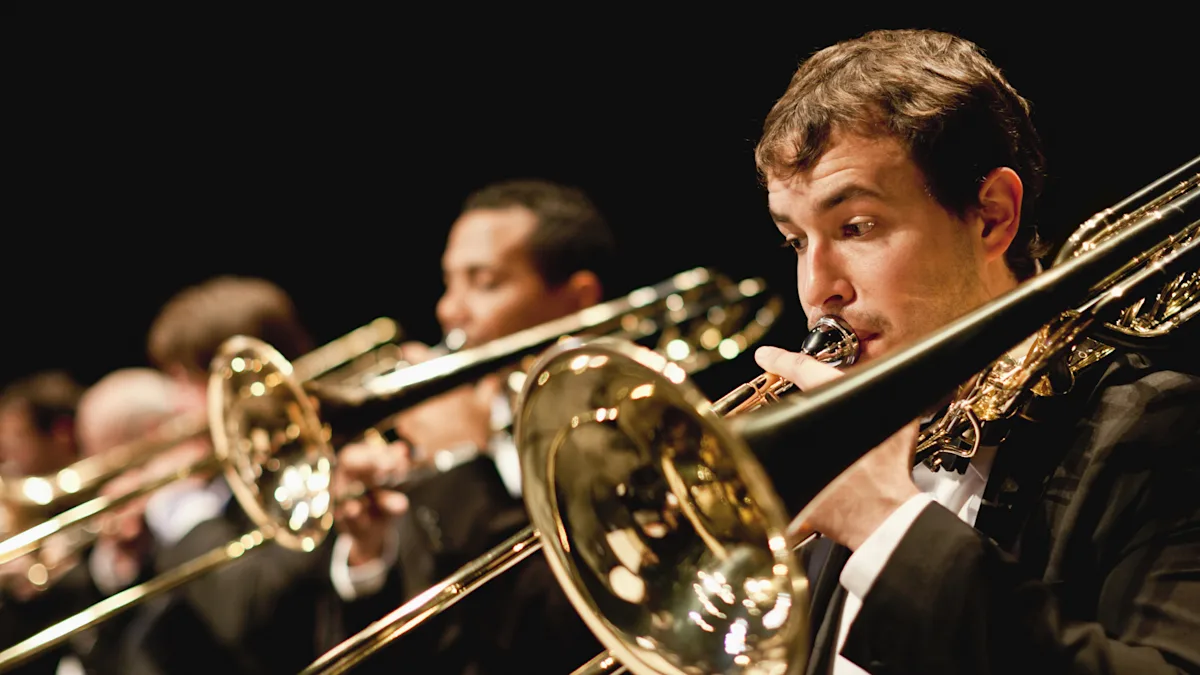
An alarmingly large number of musicians suffer hearing damage at work. Williams maintains that the situation is made worse by something of a taboo in the profession. Many musicians are reluctant to talk about the problem, and sometimes they demur from protecting their ears at all. “You don’t want to be the one making a fuss,” she says, “and people are scared to be different. They’re also scared of losing work.”
According to a 2015 survey by the charity Help Musicians, professional musicians are four times more likely than the general population to suffer noise-induced hearing loss. Some 47 per cent of respondent musicians reported occasional or permanent hearing problems. Nearly 40 per cent said that they had not sought professional help, believing the issue an unavoidable effect of their work as a musician.