Story audio is generated using AI
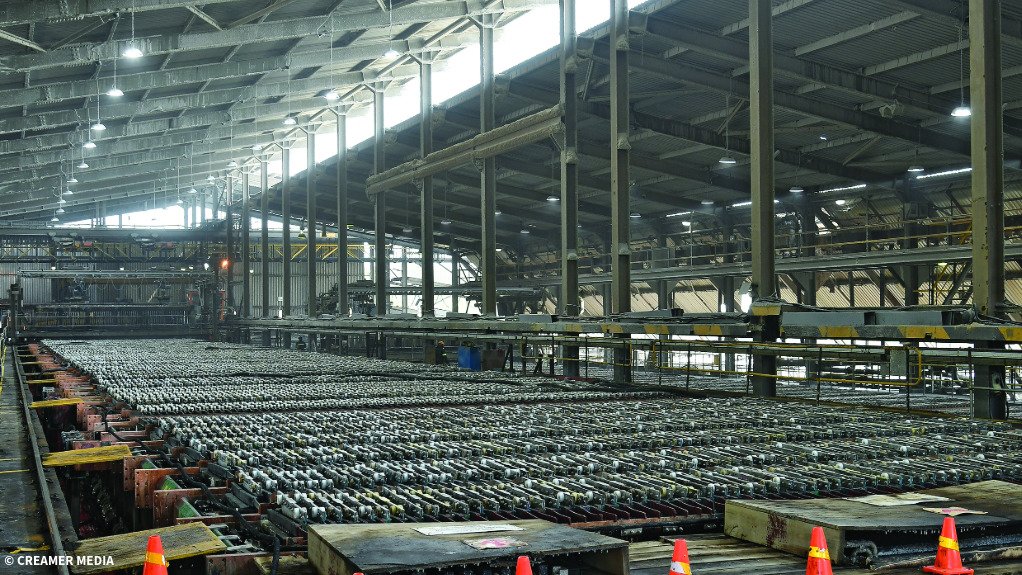
Nersa has approved Eskom’s application for two years of tariff relief for Manganese Metal Company (MMC), one of its top 10 electricity consumers, as South Africa’s industrial stalwarts queue at the power utility’s door for reprieve to stay afloat.The regulator on Wednesday said it had granted the application, saying this was in the best interest of the industry and the broader economy.“This approval will help safeguard critical industrial capacity, preserve thousands of direct and indirect jobs, support local beneficiation and mitigate broader negative economic and social impacts on affected communities and the national economy,” said Willy Majola, a regulator member responsible for electricity regulation at Nersa.Eskom’s view is that the negotiated price agreement will support the MMC’s global competitiveness from an electricity-cost perspective while mitigating the potential loss of baseload electricity sales and the associated negative impact on other customers and the broader economy.As things stand, electricity accounts for about 41% of MMC’s total production costs. Of every R10 the company spends, R4 is spent on electricity.The negotiated price agreement is immediately effective and will lapse at the end of July 2028. The agreement will see MMC, the country’s only producer of high-grade electrolytic manganese metal, pay a special base tariff.“MMC will be liable for a minimum consumption payment based on 80% of normal consumption, measured over each calendar quarter, and adjusted for substantiated significant events that prevented operating at normal levels, and will equally share with Eskom on an annual basis any gross profits above projections (6%), limited to the rebate provided against the Megaflex tariff,” Nersa said.MMC, whose plant is in Mpumalanga, has more than 120 customers in 20 countries, exporting about 95% of its production for industry and energy transition applications, including lithium-ion battery manufacturing, alloying and welding, and electronics.However, like many companies operating in the industrial, manufacturing and mining sectors, it has had to contend with runaway electricity costs, forcing it to seek relief. Its application for relief received support from the department of trade, industry & competition.The two-year relief will buy MMC time to bring its renewable-energy projects online. South Africa’s industrial giants, which spend billions a year on electricity, are seeking tariff relief to stay afloat as high energy costs crowd out spending on key growth initiatives.The country’s astronomical energy costs, which have increased more than 700% since 2007, have been singled out as a major impediment to competitiveness and reindustrialisation in the country.With Eskom’s sales having also taken a beating due to industrial players cutting back on spending and some closing, the power producer has become more amenable to providing short-term relief as authorities scramble to find a permanent solution to the energy cost conundrum.Nersa recently granted 54% tariff relief to the Glencore-Merafe joint venture and Samancor to help them reopen their smelters and save jobs in the chrome industry. China has emerged as the biggest producer of ferrochrome, largely due to its well-priced electricity.ArcelorMittal SA, which spends about R3.5bn a year on electricity, is also engaged in high-level discussions with Eskom to secure a favourable tariff, as is South32’s Hillside Aluminium smelter in Richards Bay.Eskom has already asked Nersa to grant Transalloys, the country’s last remaining manganese smelter, temporary tariff relief.Transalloys’ R5bn plant in Mpumalanga is in peril, weighed down by electricity prices. The jobs of hundreds of employees and subcontractors are on the line, with similar difficulties playing out in the ferrochrome and other industries.