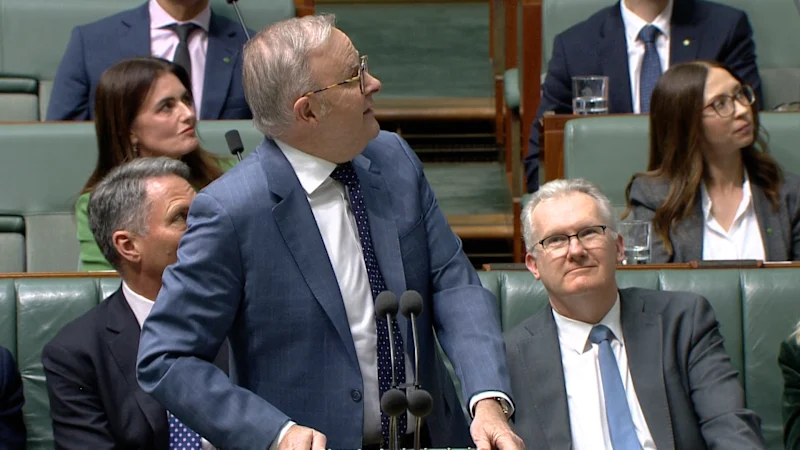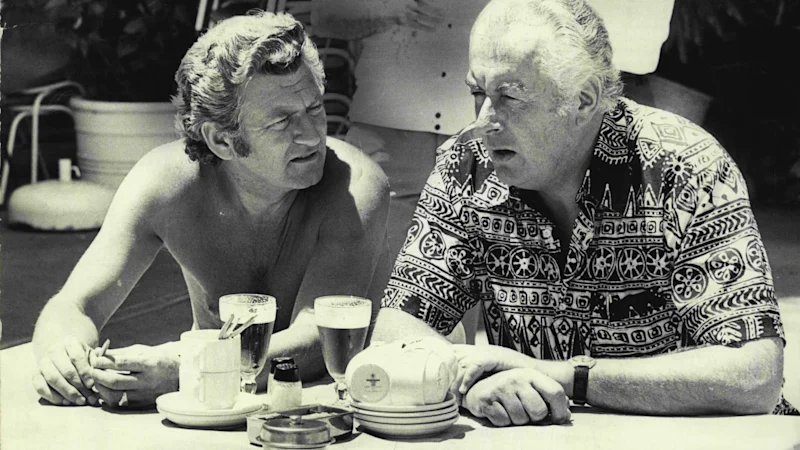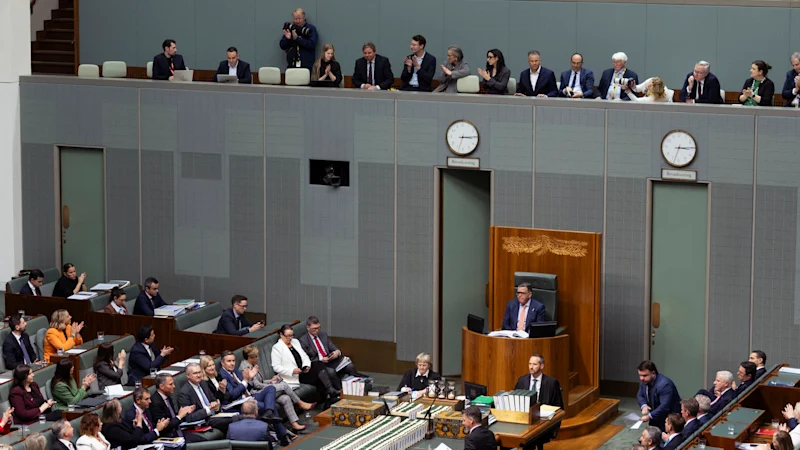
Soon after I landed in the federal press gallery in 1989 as a wet-behind-the-ears political correspondent, a call came from the prime minister’s office.“Hawkie would like to see you,” said a voice.I grabbed a notebook and in a lather of anticipation, hurried down labyrinthine corridors of the giant new Parliament House.Was the prime minister of Australia about to deliver me a scoop?Bob Hawke sat enthroned in a vast office, its walls panelled in the rich wood of a single Huon pine rescued from a flooded Tasmanian valley. He was smoking a fat cigar.“You won’t need the notebook,” he said.He simply wanted to welcome me to the political world.I could, said Hawke, wreathed in smoke, give his office a call any time I might need a useful steer on a story.It took me days to figure out the canny prime minister’s generosity also included using his famed charisma to try to harness the loyalty of a new press gallery scribbler in town, just in case.Bob Hawke knew how to play the press gallery.David James Bartho/Fairfax MediaSomebody was always trying to own you around Parliament House.Still, if politicians hoped to manipulate reporters a bit, the nation’s media tycoons weren’t above hard-edged persuasion, either.Not far from Parliament House, a mansion sat behind a hedge on the best street in town. It was owned by Kerry Packer’s media empire for use when Packer felt the need to invite a prime minister in for tea and a spot of arm-twisting regarding media legislation.In a quiet terrace nearby, Rupert Murdoch had a house for the same purpose. One night reporters ambushed Paul Keating as he was driven to what was supposed to be a clandestine meeting with Murdoch. Keating, who wasn’t keen to be seen doing anyone’s bidding, was furious.The Fairfaxes once had a mansion in the same suburb, too. Prime minister Robert Menzies was said to be a frequent visitor back in the 1960s.I thought about this ancient history as I wandered the press gallery this week, memories lurking in every corner. Old-time media tycoonery, except for Murdoch’s, has shrunk with the rise of the internet, but there are variations on a theme. As I wandered, the current Prime Minister, Anthony Albanese, was in parliament taking on the new breed of tech billionaires intent on stealing journalists’ work.Of the 250 or so members of today’s gallery, I could count on the fingers of one hand those who were there in 1989, though Michelle Grattan arrived long before all of us.Michelle Grattan in November 1987. She led The Age’s Canberra bureau for many years.David BarthoThe Age sent her to Canberra in 1971 when Billy McMahon was prime minister, and she still occupies a press gallery nook, writing for The Conversation, her words as wise as ever, her accuracy unquestioned.No politician of today, however, was in parliament in 1989. The inimitable north Queenslander, Bob Katter, currently the longest-serving MP, was elected to the federal parliament in 1993. Prime Minister Anthony Albanese arrived in 1996. He was a bit of a young tearaway, a trait that still occasionally peeks through his prime ministerial caution, with recently unfortunate results.Some things never change.More than three decades ago, the Coalition thundered against Paul Keating’s plan to introduce compulsory superannuation. It would destroy business, cried Liberal leader John Hewson in 1992, before Keating destroyed Hewson’s political ambitions.Now, superannuation is the battle once again. Liberal frontbencher Andrew Bragg likened it to communism a few days ago. Pauline Hanson claimed the super system was broken. Treasurer Jim Chalmers merrily forecast superannuation would be Labor’s chosen ground for the next election.Pauline Hanson during
‘Hawkie would like to see you’: Lessons, power and nostalgia from 30 years in the press gallery
From Bob Hawke’s cigar-smoke charm to Anthony Albanese’s tech battle, Tony Wright farewells three decades inside Parliament House.
1,643 words~7 min read