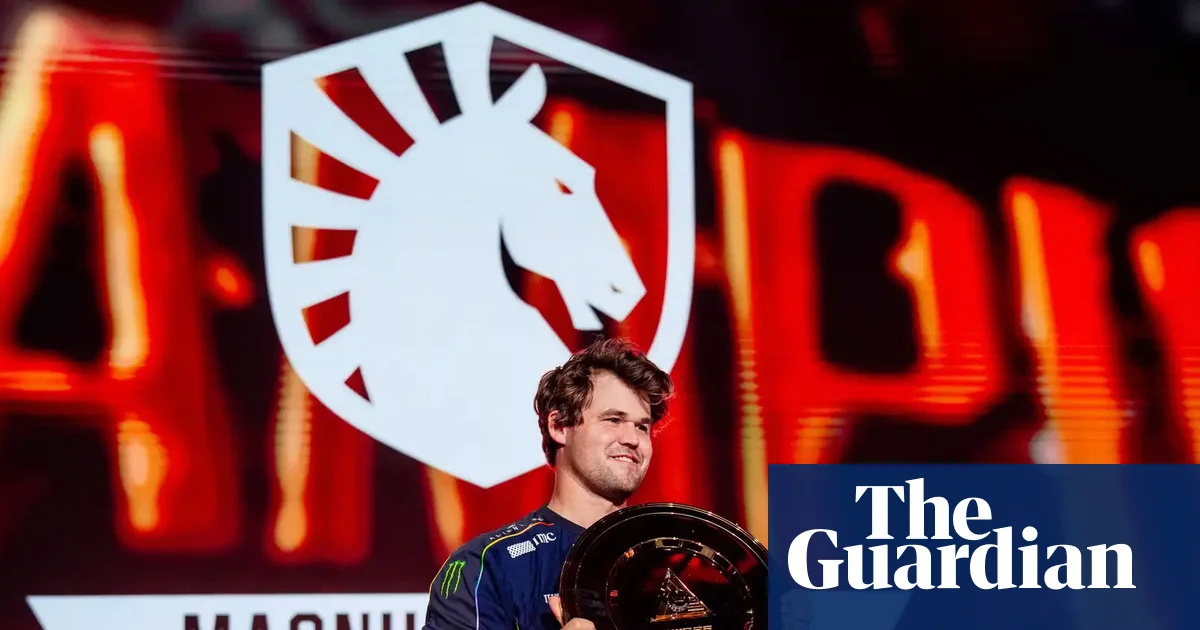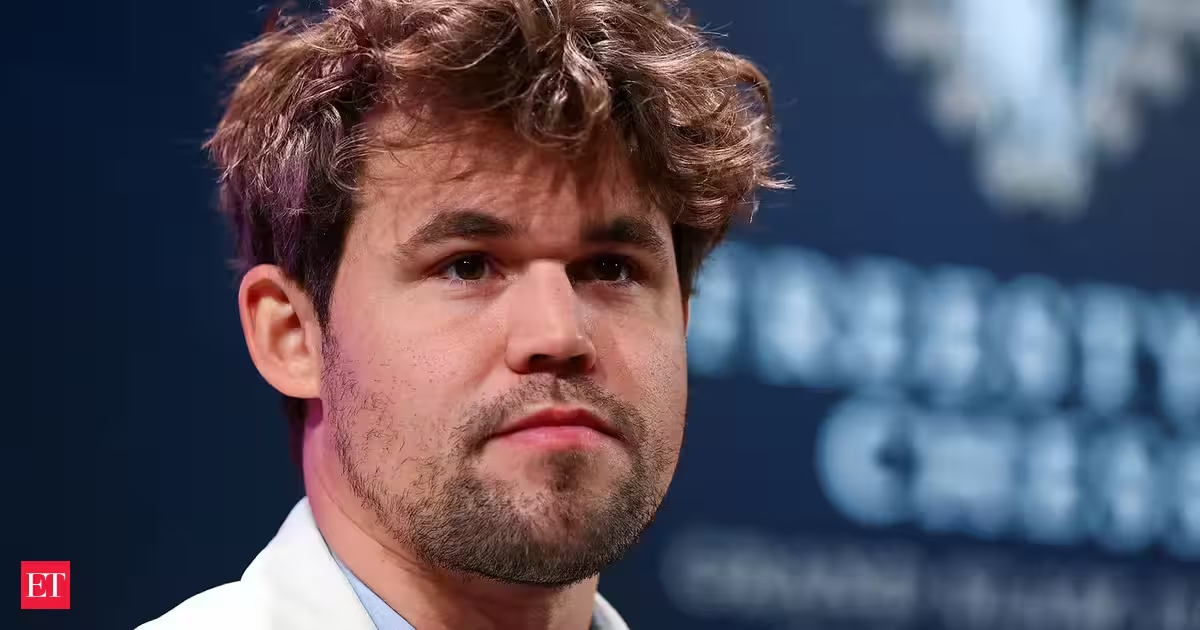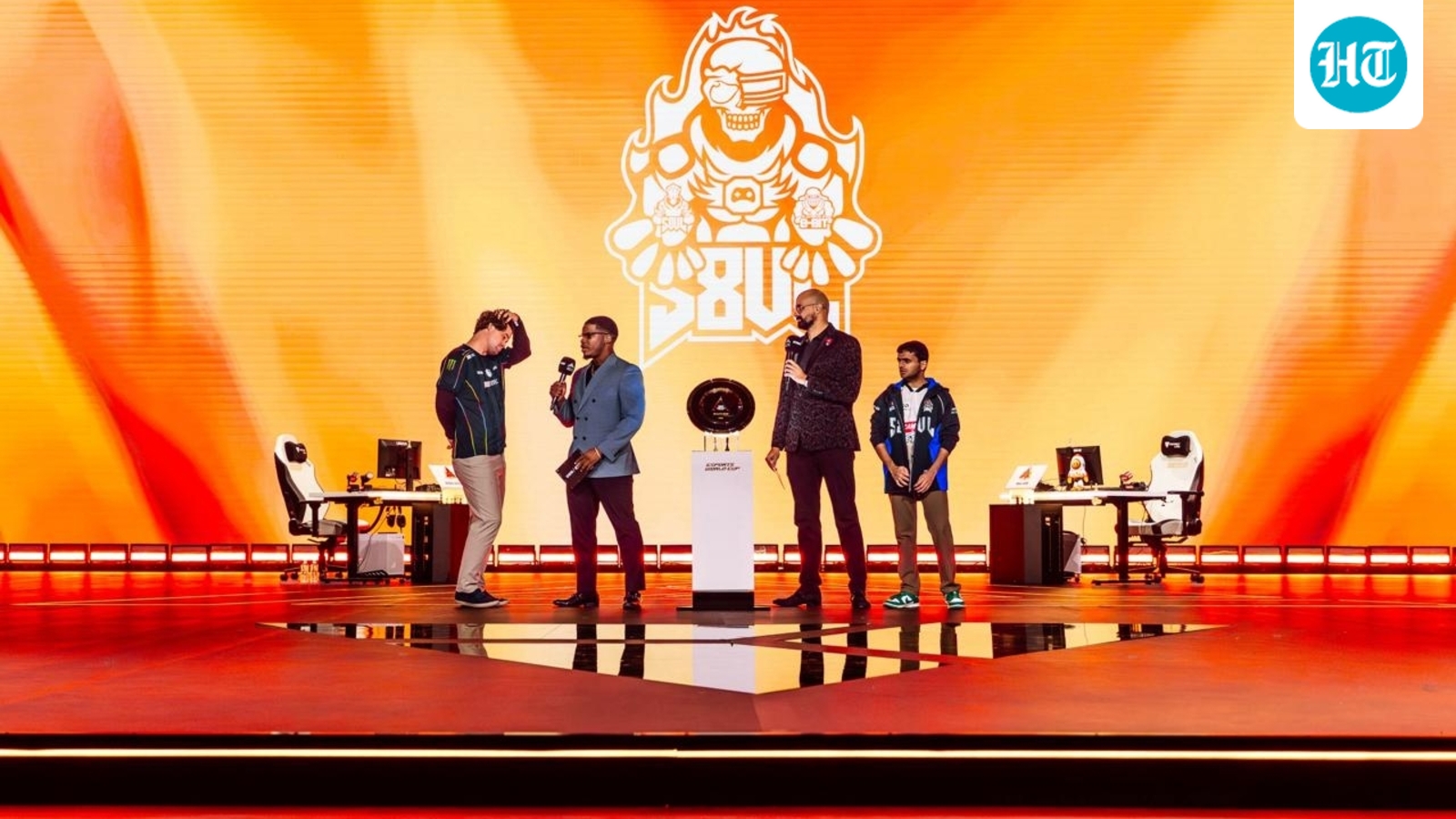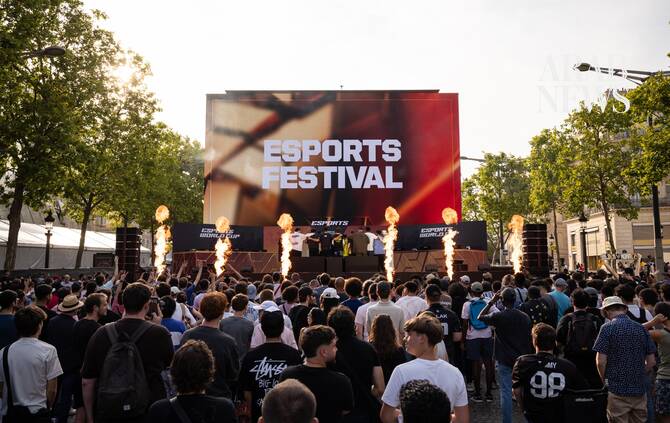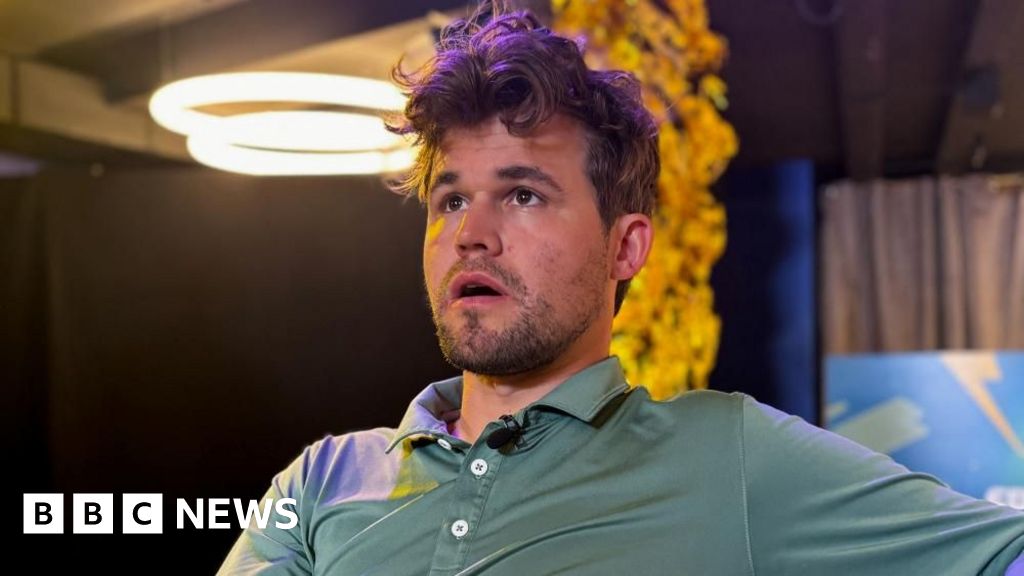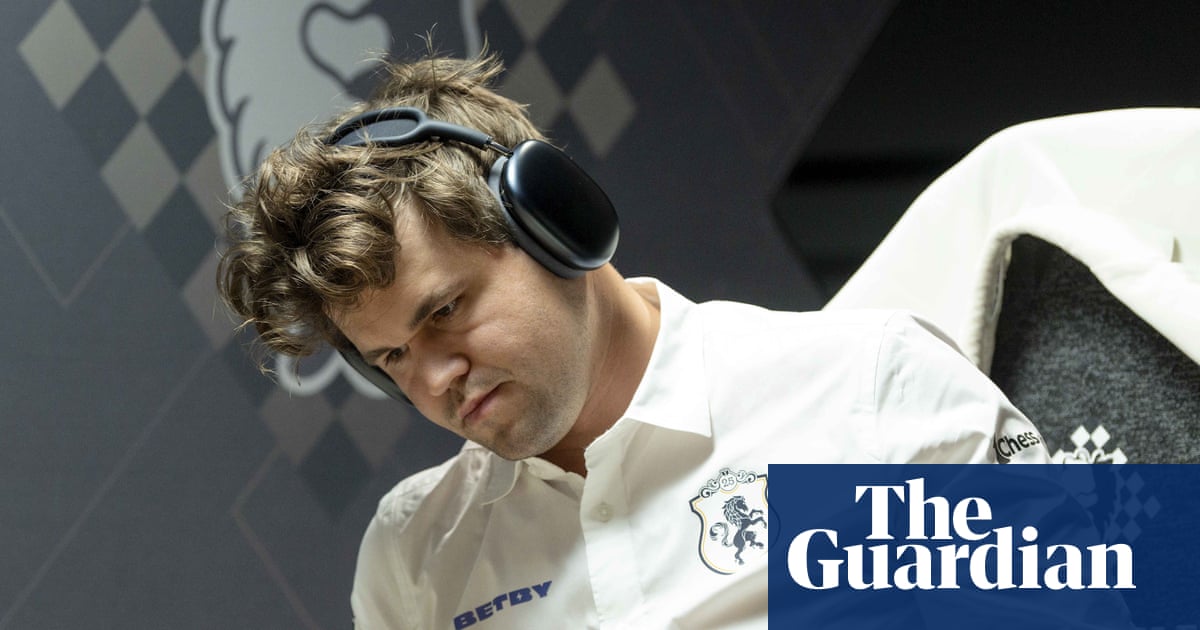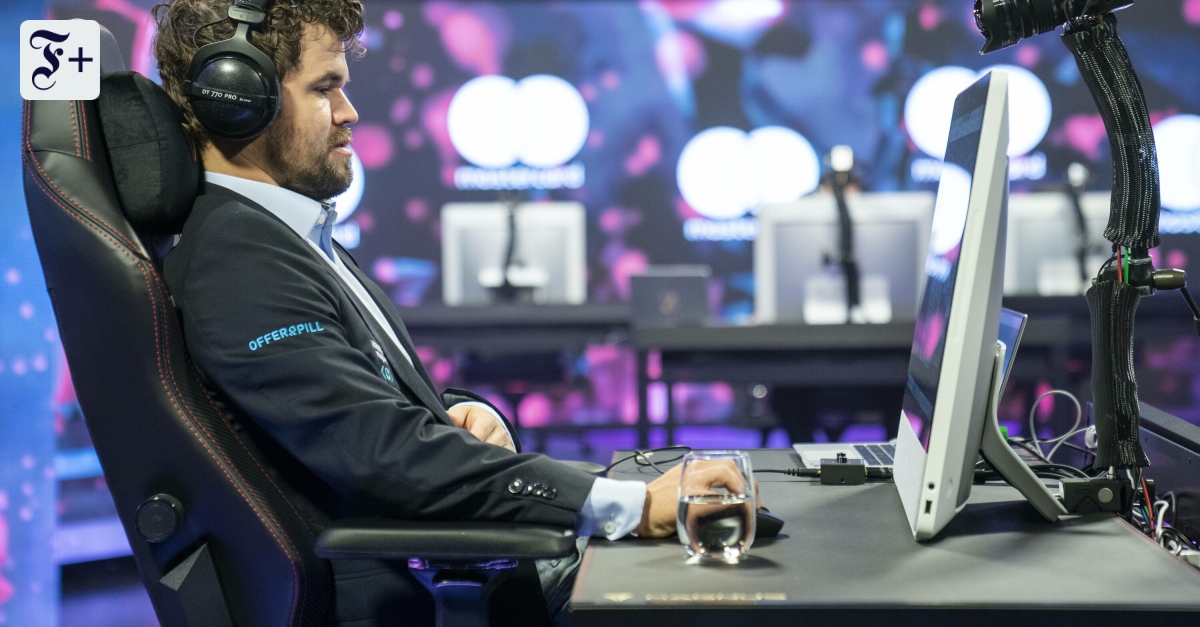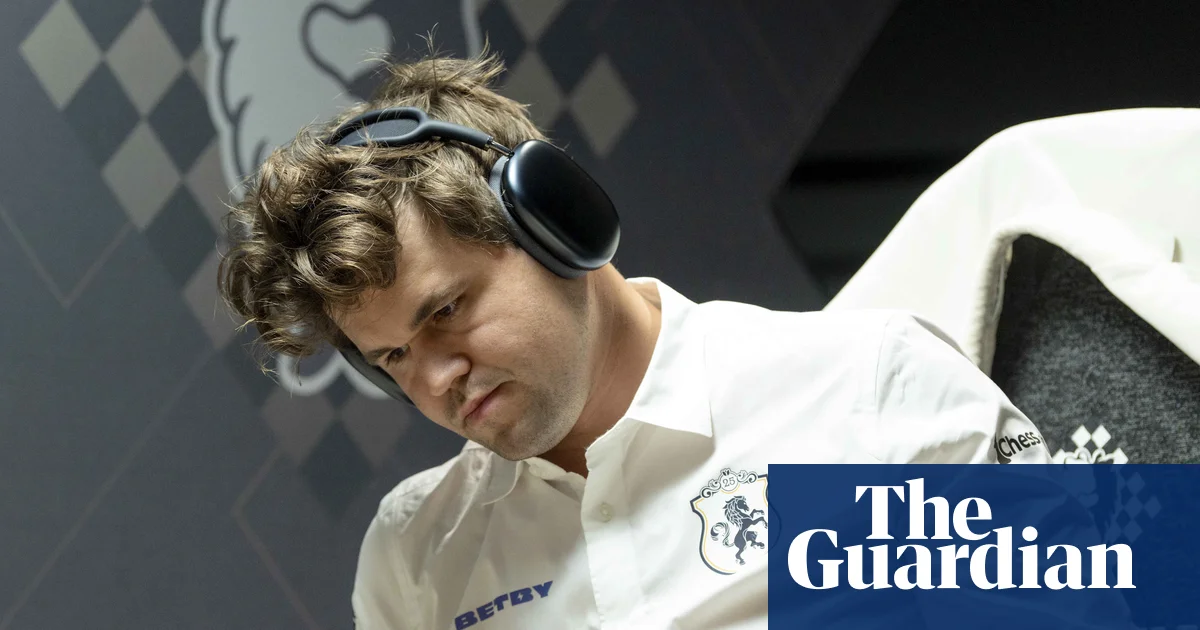
Played on computer screens at a fast pace, chess is a natural fit for the Esports World Cup. For the second year running, it took its place alongside dozens of major computer games, and Magnus Carlsen, who won last year’s event in Riyadh, was back to defend his title in Paris earlier this month. The Norwegian was undefeated throughout the event, and took home $250,000 by defeating 19-year-old Denis Lazavik, from Belarus, in the final, winning both sets 3-1.
Lazavik’s presence in the final (who won $190,000 for second place) was itself a sign of how much the game has changed. He plays very little classical (slow) chess, where he is still ranked outside the world’s top 100, but is one of a growing band of players to make their mark through consistent excellence in online play. On his way to the final, Lazavik defeated Nepomniachtchi, Abdusattorov and Nakamura, with the latter emphasising that Lazavik’s victory was ‘very, very deserved’. Carlsen noted of Lazavik that ‘He just doesn’t beat himself! He plays very, very solid positional chess and doesn’t really place his pieces on bad squares.’ That was not faint praise; particularly at fast time controls, many games are lost when players are seduced by some fanciful idea, only to regret the escapade. Lazavik played steady, pragmatic chess throughout the event.