22 Aug 2026
issue 22 August 2026
Comments
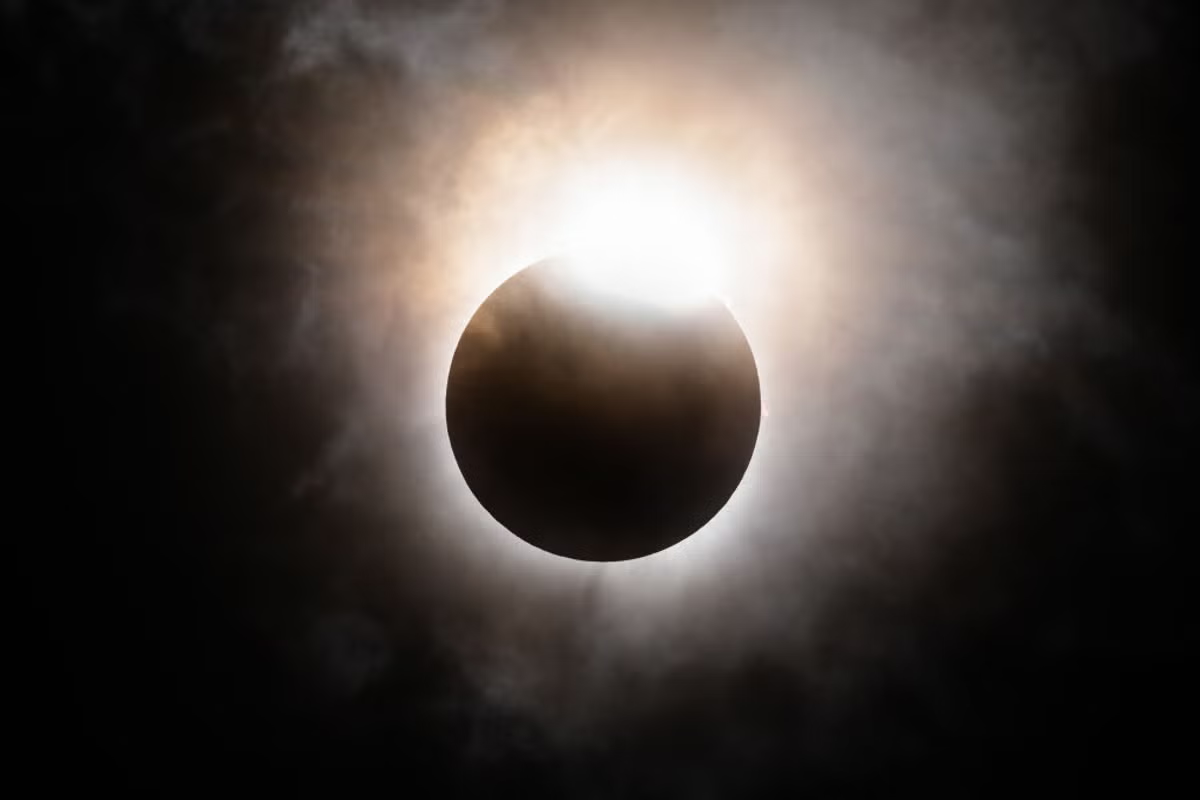
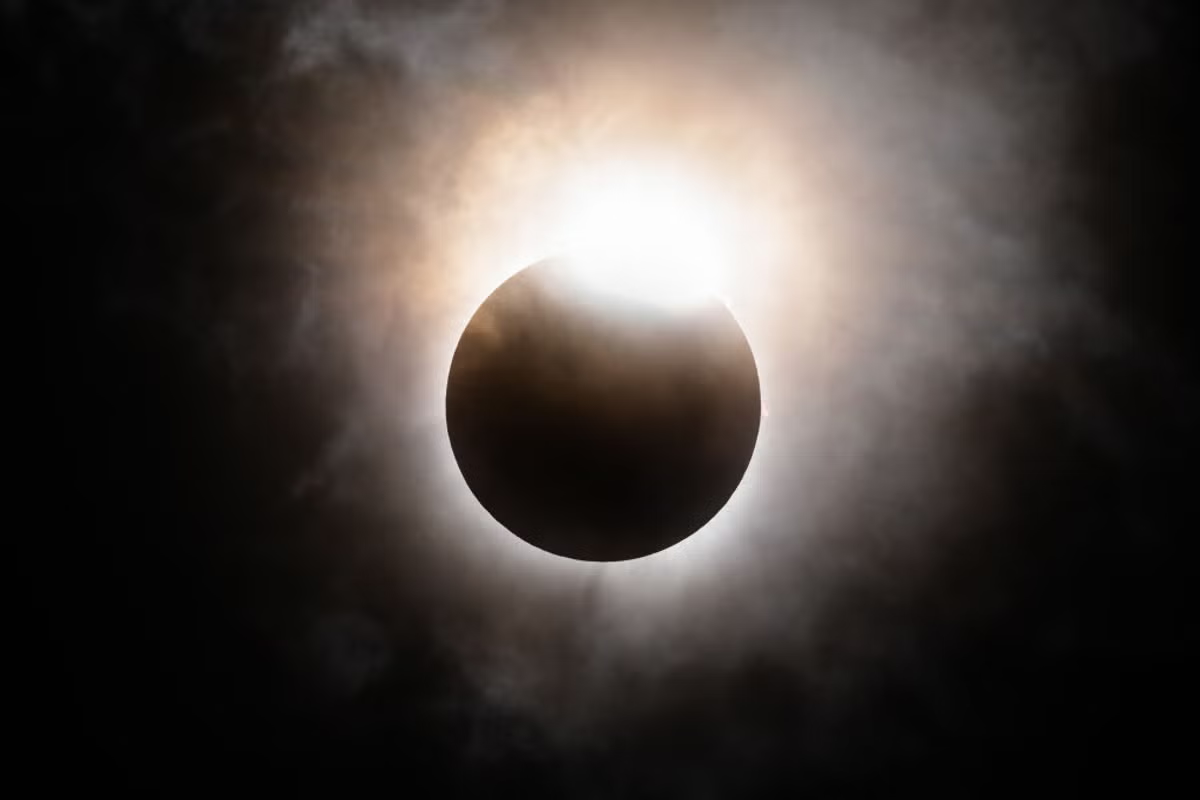
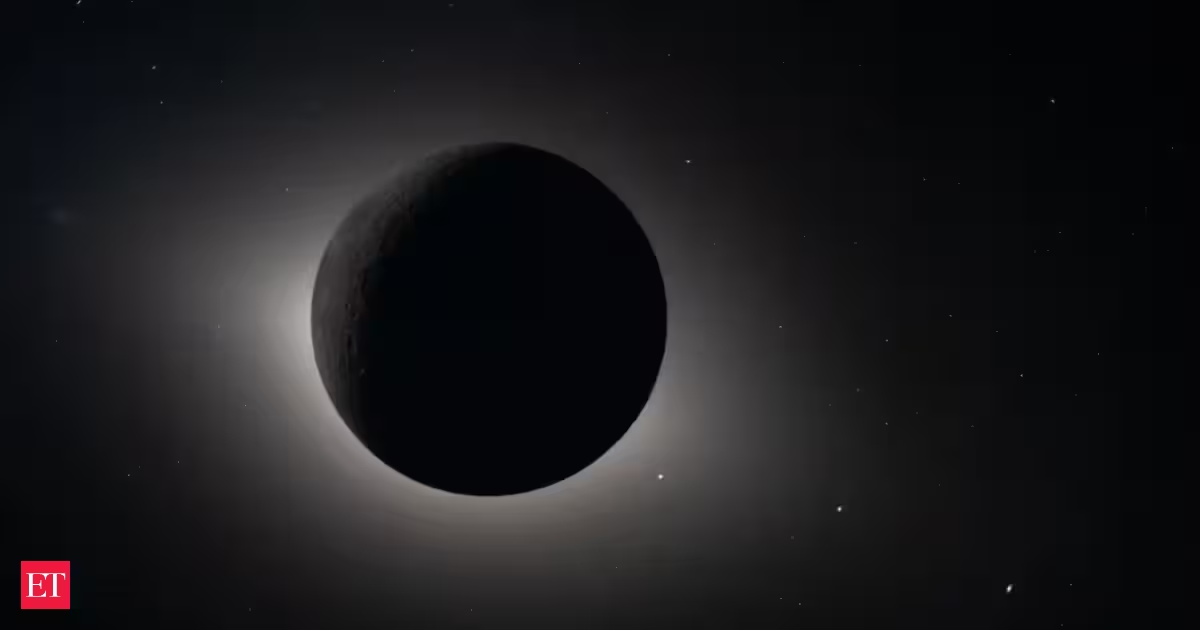
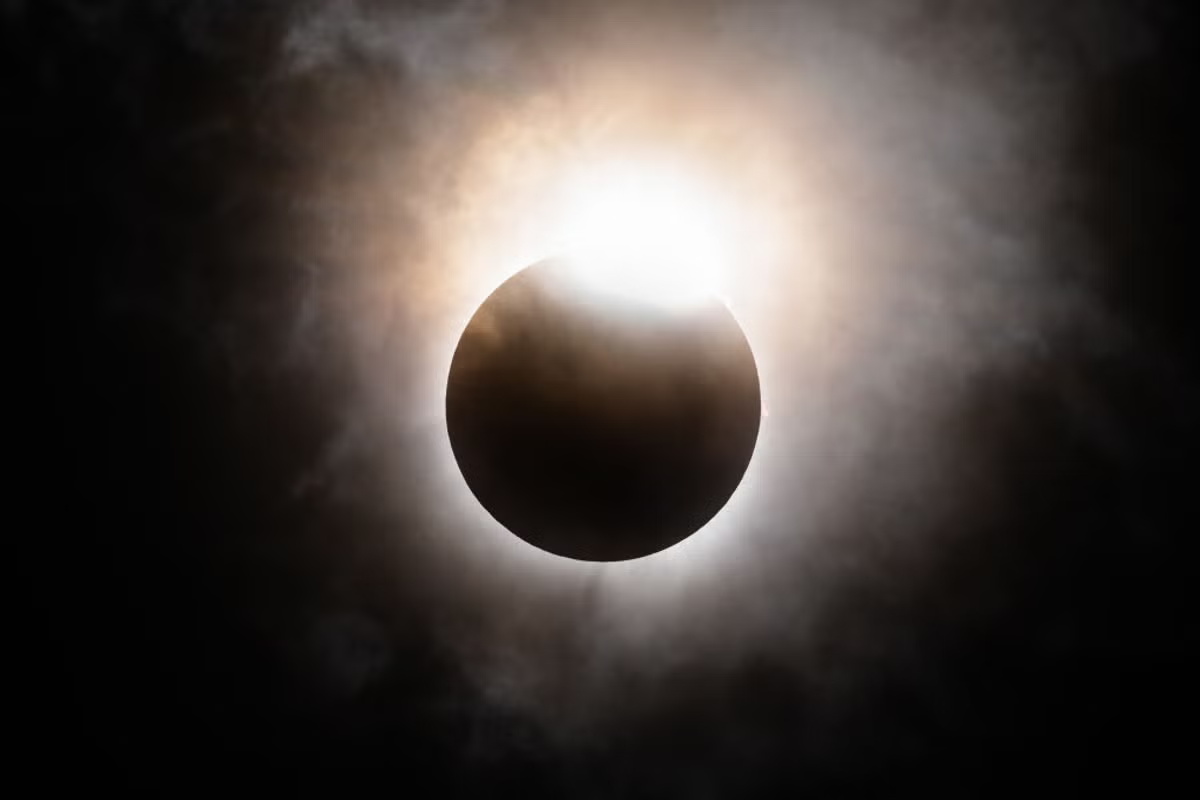
By the 5th century bc, probably thanks to the Babylonians, enlightened Greeks were well aware that eclipses were natural phenomena. On 3 August 431 bc, Pericles was about to lead his triremes into battle when a solar eclipse occurred, and panic broke out among his men at the ‘omen’. Pericles promptly wrapped a cloak around his helmsman’s eyes and asked whether he thought that was an omen. ‘Of course not,’ replied the helmsman. ‘Same difference,’ said Pericles. ‘The eclipse has just been caused by something bigger than this cloak.’ There was a very different outcome when a lunar eclipse occurred as the Athenian army was about to retreat from Sicily (27 August, 413 bc): the general Nicias ordered a fatal 3 x 9 day delay. The historian Thucydides commented: ‘He was rather too reliant on seers and such like.’
Fifth-century intellectuals, called sophists, preferred to rely on logos (‘reason, argument’) to advance their cause, whatever the implications for traditional belief (nomos). Protagoras thought evidence was lacking and life too short to know whether gods existed or not. Democritus thought that phenomena like thunder and eclipses, and natural laws controlling e.g. the succession of seasons, persuaded men to think in terms of higher powers. Critias argued that the gods were invented by a clever man to control people by the fear of unseen forces.