Academia
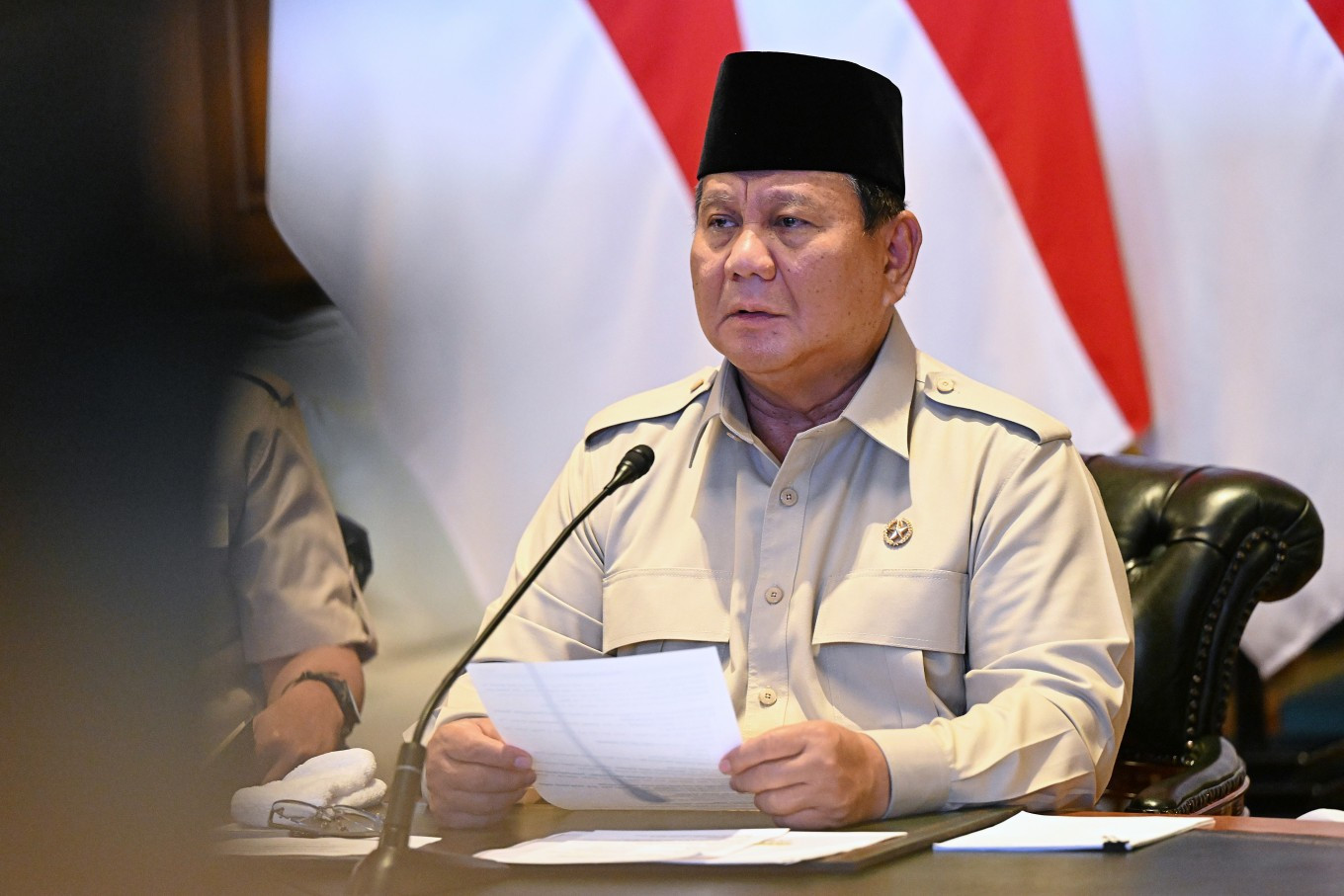
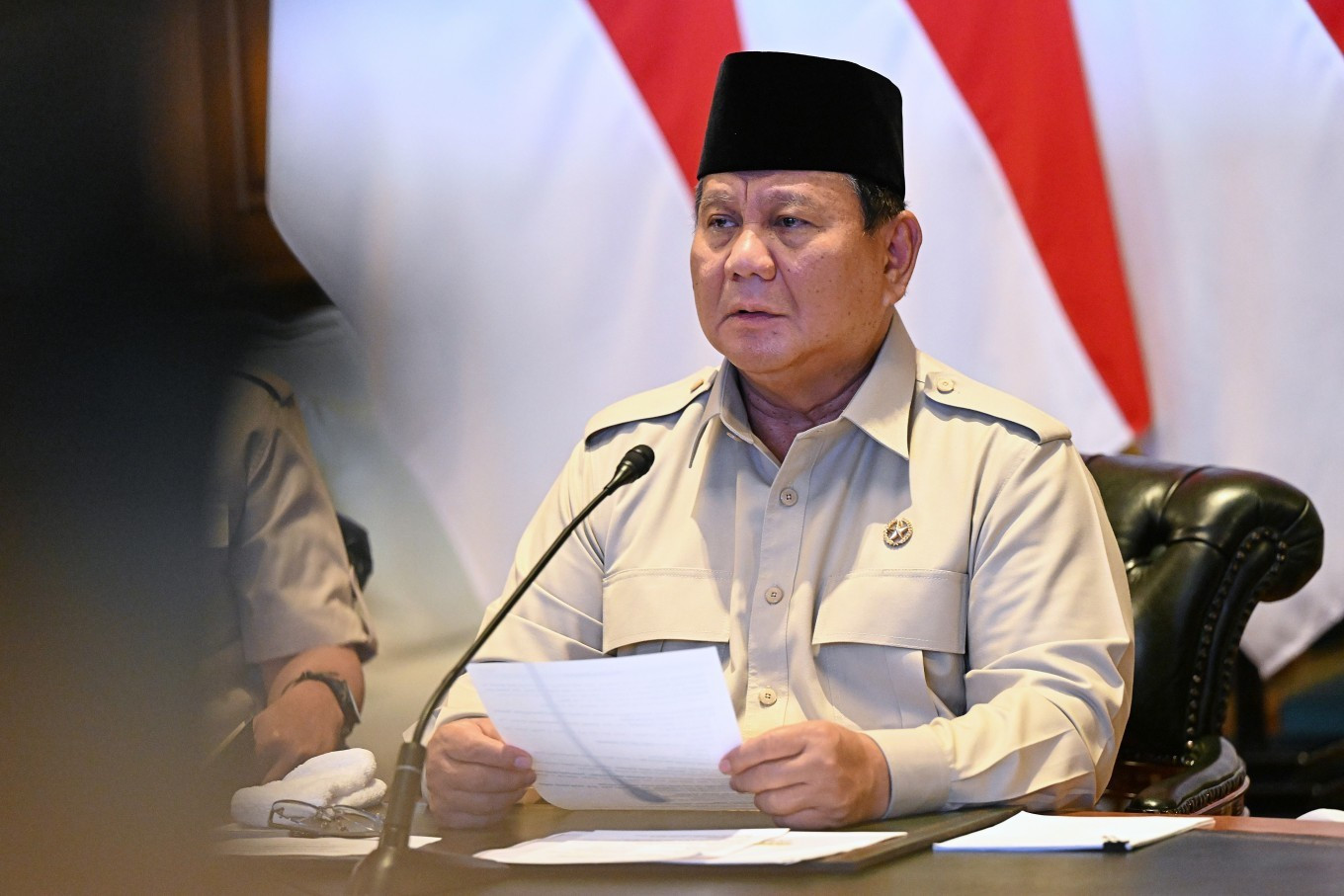
President Prabowo Subianto delivers a statement on March 9, 2026, at his private residence in Hambalang village, Bogor, West Java. (Courtesy of Presidential Secretariat Press Bureau/Muchlis Jr)
President Prabowo Subianto's tenure has been marked by a recurring pattern of rhetorical detours. His supporters see his direct, unscripted style as refreshingly authentic; critics see a habit that regularly produces high-profile verbal slips with real domestic and international consequences.He claimed at a business summit that Iran already possesses nuclear weapons, and has publicly branded critical journalists, researchers and civil society groups as modern-day "londo ireng" ("black Dutchmen," or foreign servants). The Iran remark forced Jakarta into diplomatic clarifications to reassure partners of Indonesia's nonaligned stance; the "londo ireng" comment drew sharp condemnation from press groups like the Alliance of Independent Journalists (AJI) and from governance watchdogs, who saw it as an attempt to delegitimize public oversight.
Both episodes point to the same underlying problem: an instinct for impulsive rhetoric that undercuts statecraft and keeps his communications team in permanent damage-control mode.