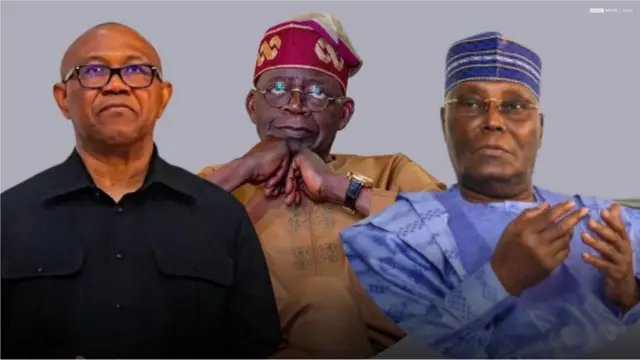
There are times in the life of a democracy when politics is not merely a contest for power but also a test of political maturity. Nigeria may well be approaching such a defining moment if the discussions within the camps of Nigeria’s opposition parties are anything to go by.
In April 2026, opposition leaders gathered in Ibadan, the Oyo State capital, and declared their intention to work together to field a single presidential candidate against the ruling All Progressives Congress and its candidate, President Bola Tinubu, in the 2027 general election.
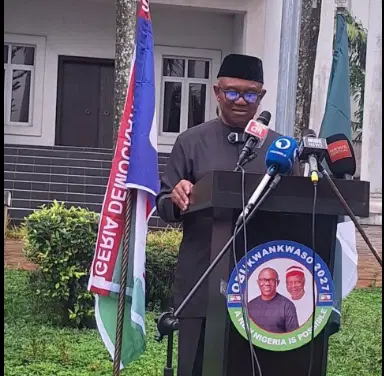
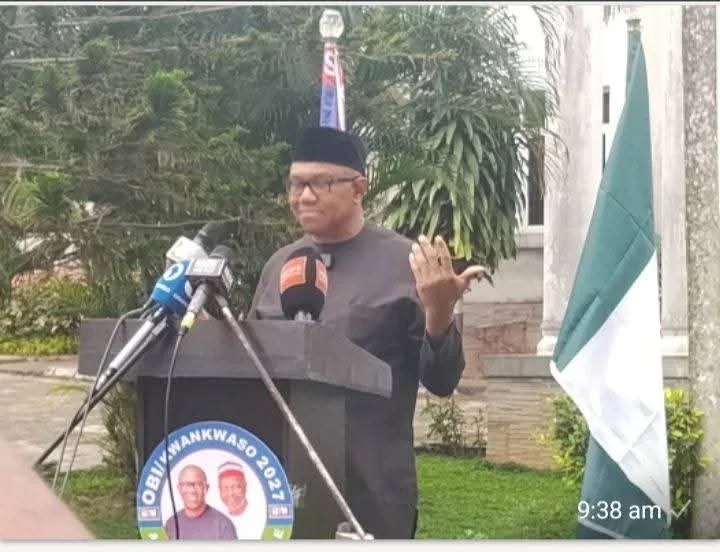
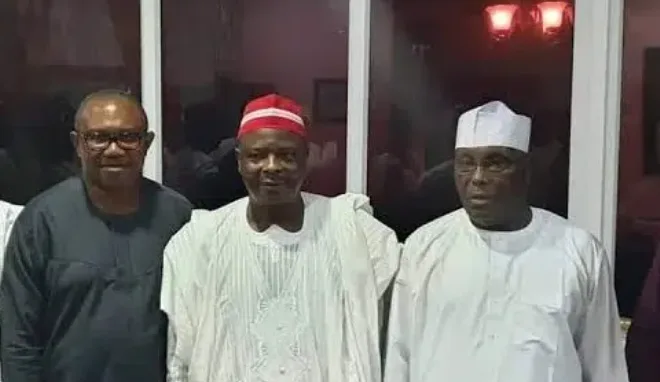
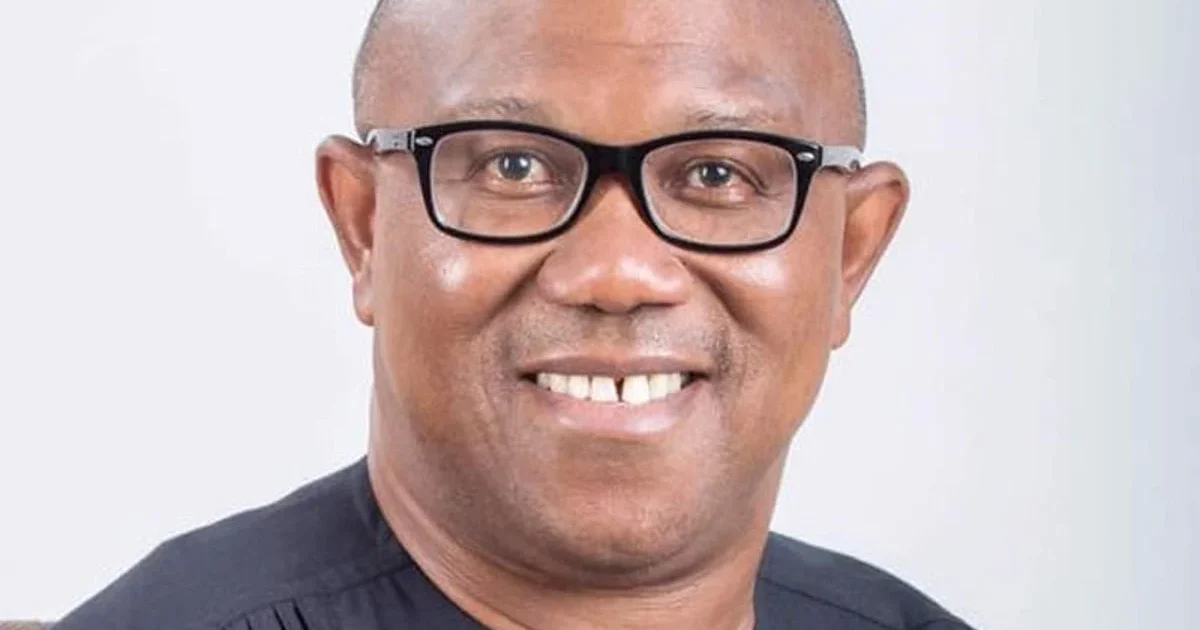
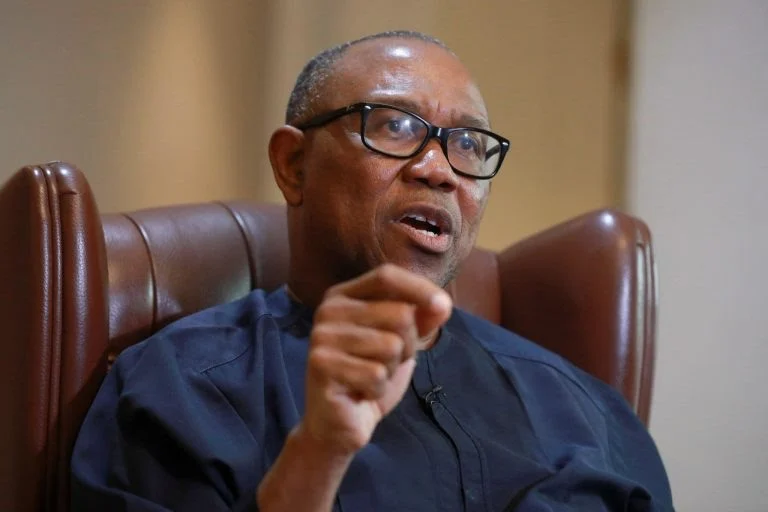
The summit brought together prominent political figures, including former Vice-President and presidential candidate of the African Democratic Congress, Alhaji Atiku Abubakar; former Governor of Anambra State and presidential candidate of the Nigeria Democratic Congress, Peter Obi; former Governor of Kano State and vice-presidential candidate of the NDC, Senator Rabiu Musa Kwankwaso; former Governor of Cross River State, Donald Duke; and the incumbent Governor of Oyo State, Seyi Makinde, among other political leaders drawn from Nigeria’s opposition parties.
But weeks later, the coalition’s unity came under considerable strain as different parties and political blocs began pursuing separate strategies and candidates. The development exposed the central contradiction confronting Nigeria’s opposition: everyone appears to agree that unity is necessary, but not everyone appears willing to pay the political price that genuine unity requires.