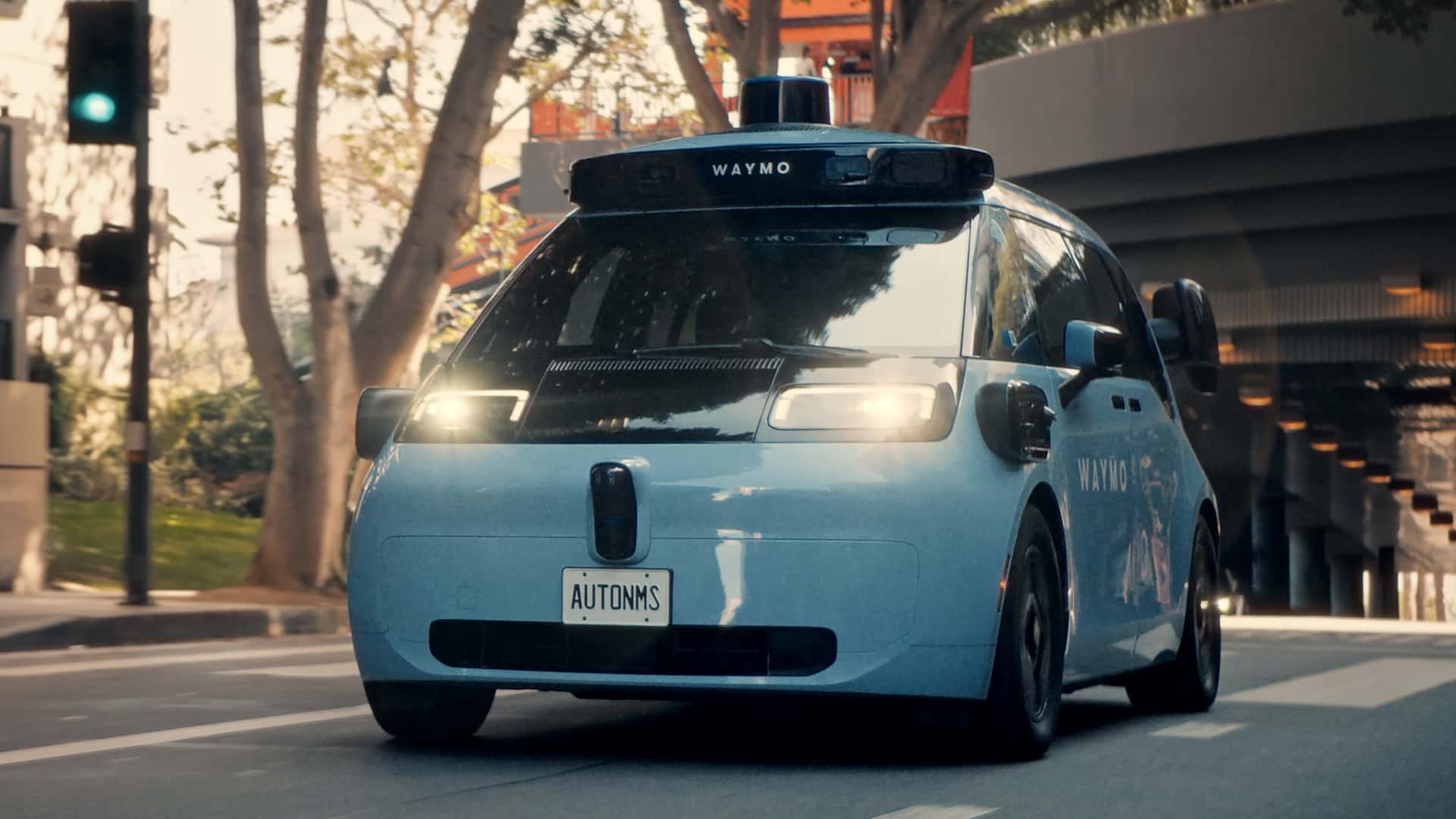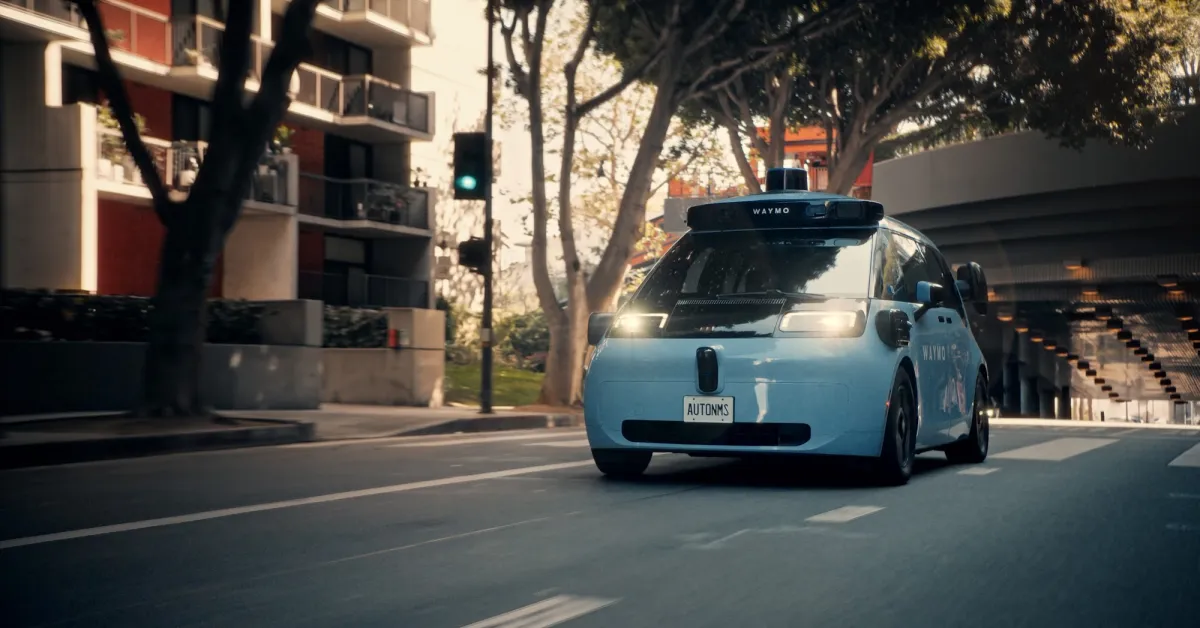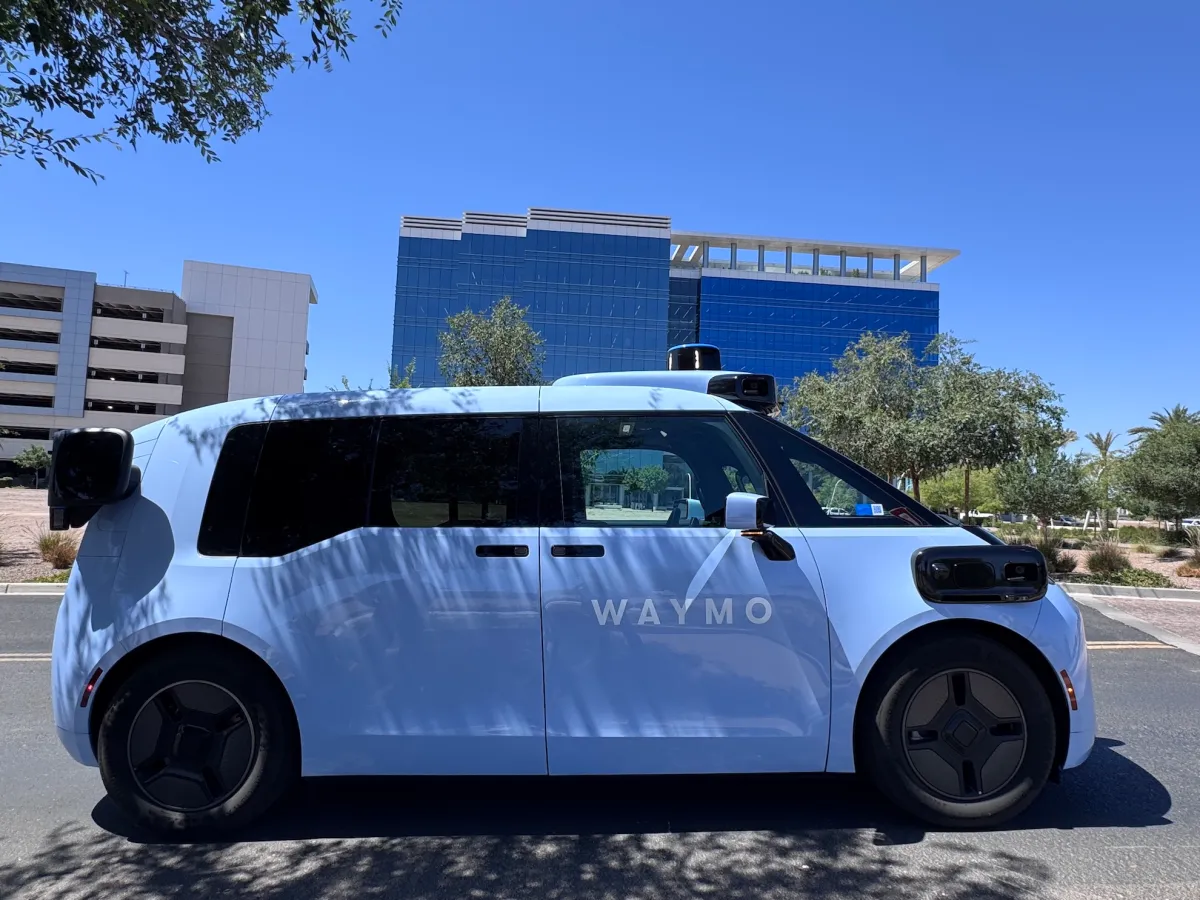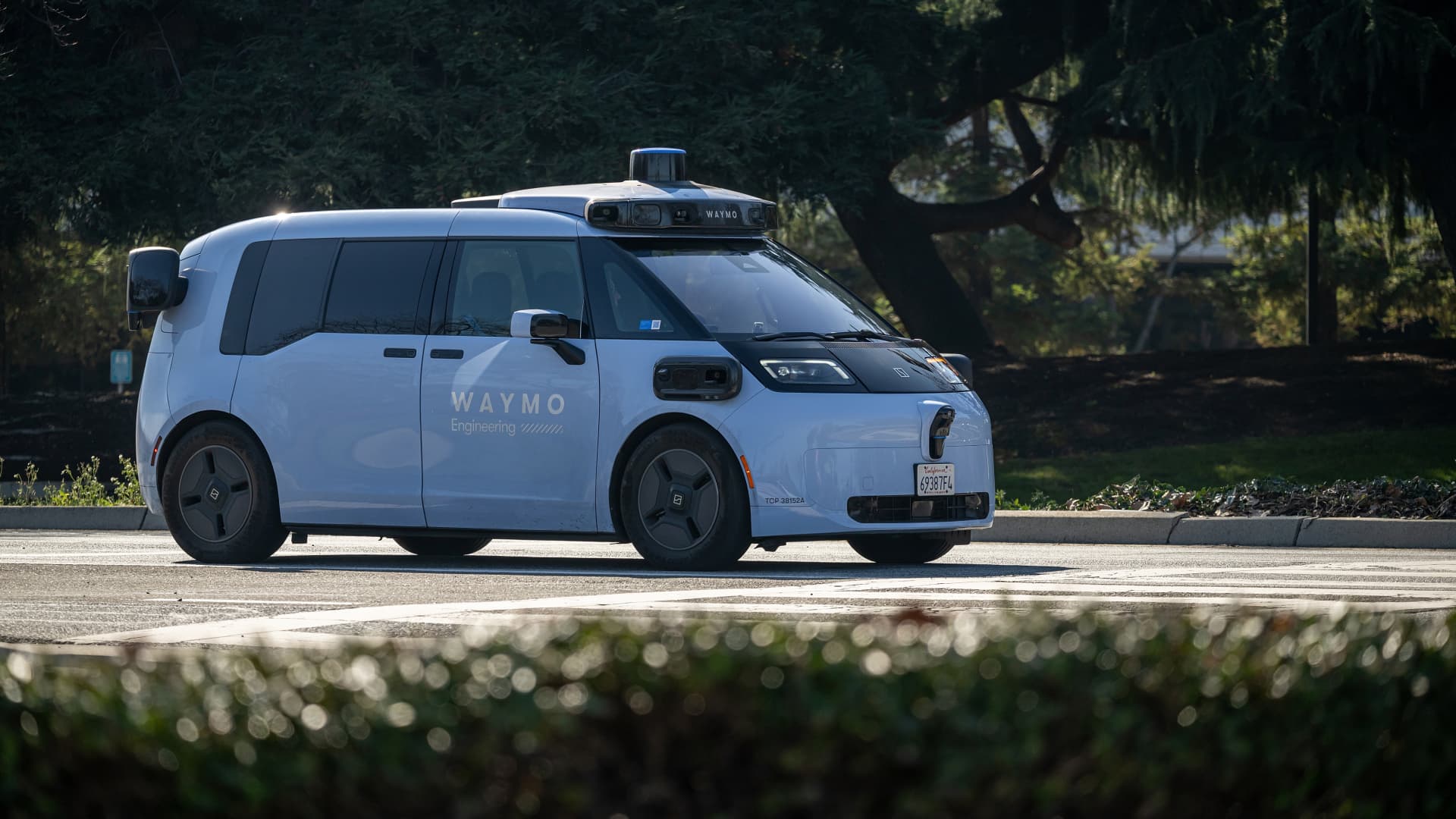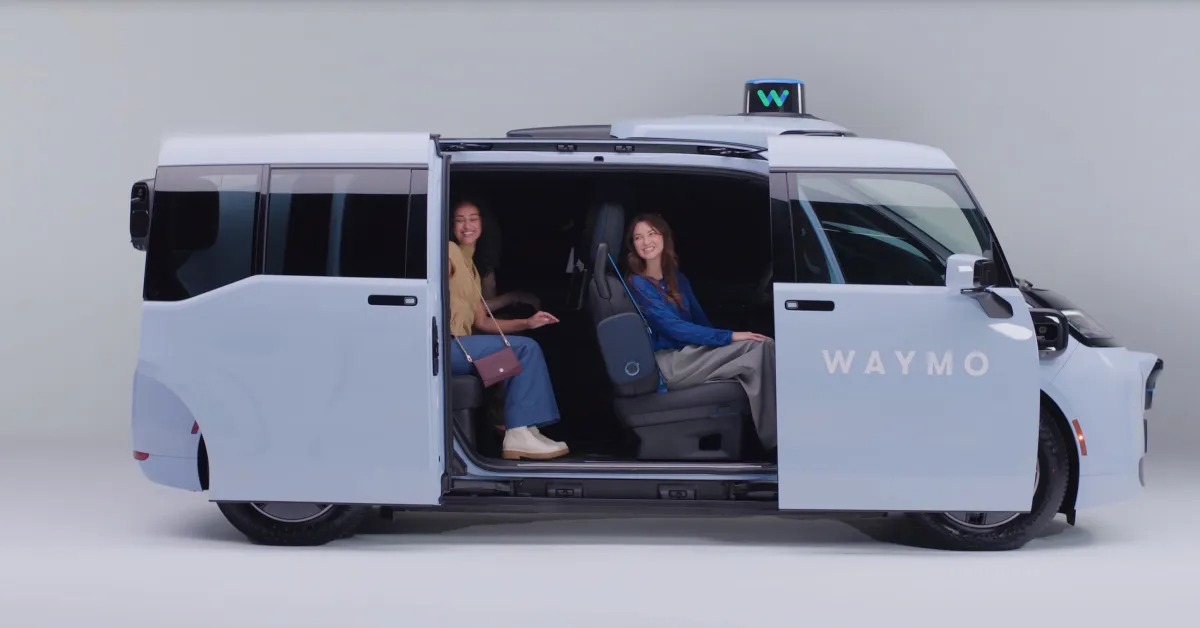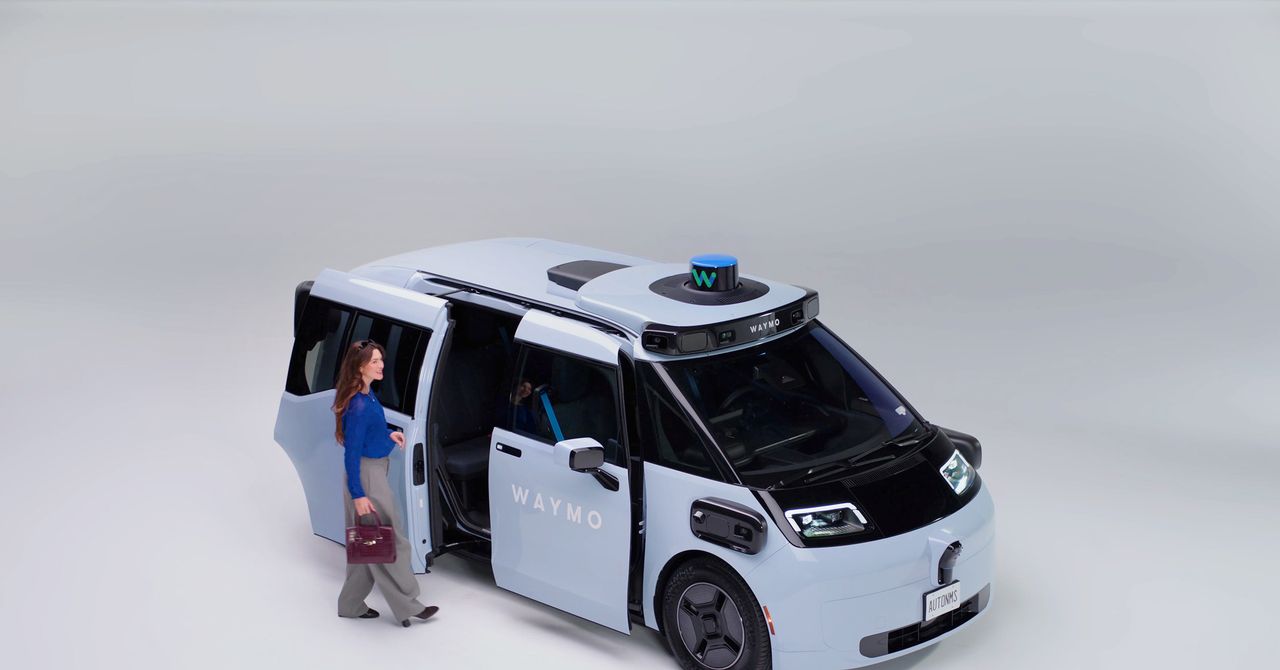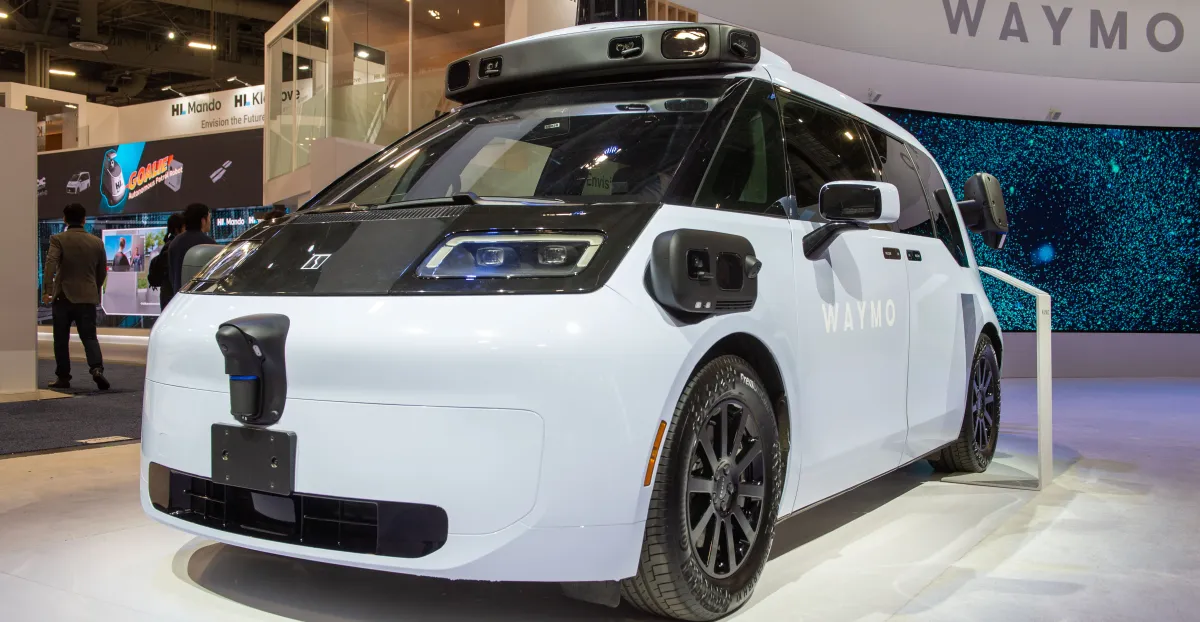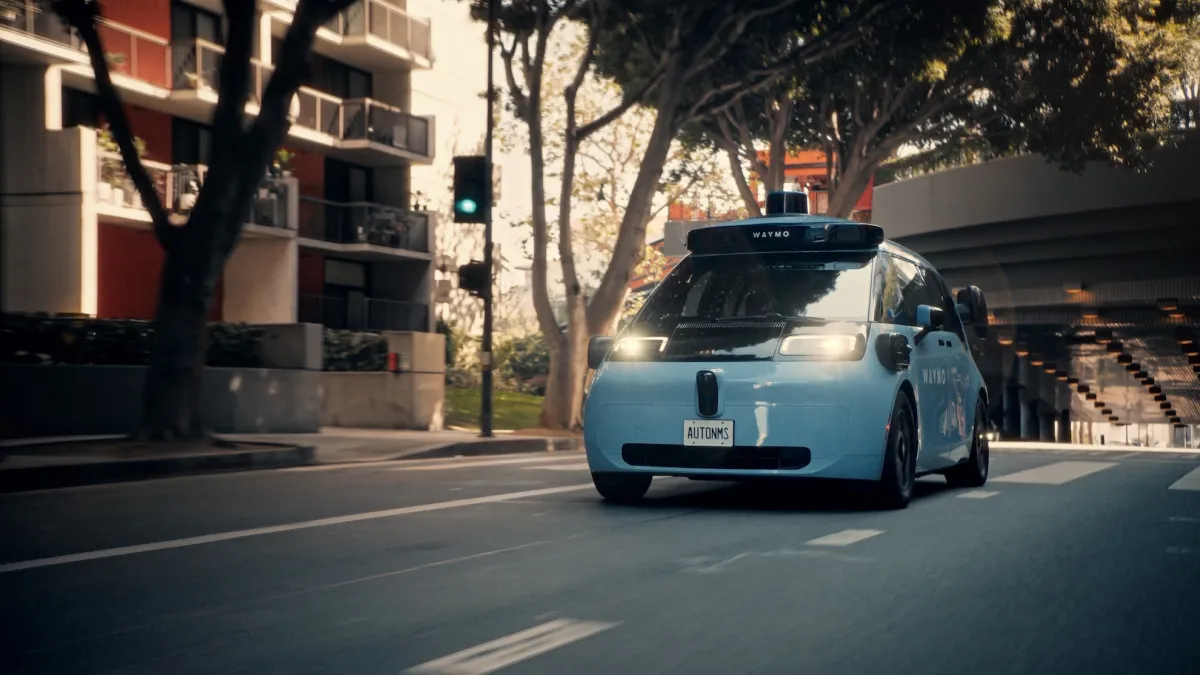
Waymo has opened its next-generation robotaxi to all riders in Los Angeles, Phoenix, and San Francisco — a notable milestone for the Alphabet company as it pushes to expand its fleet with vehicles that are cheaper to build, operate, and maintain.
For now, customers in these markets may be matched with the new robotaxi, called the Ojai (pronounced oh-hi) when they hail a ride. Once Waymo has enough Ojais in its fleet, riders will be able to choose between the new vehicle and the older Jaguar I-Pace robotaxi. Waymo has about 300 Ojai robotaxis in its commercial fleet today, according to a company spokesperson.
The company said Wednesday that it plans to roll out the Ojai in Denver, Las Vegas, and San Diego later this year.
For years, Waymo has relied on the all-electric, modified Jaguar I-Pace for its robotaxi fleet, which now operates in 11 U.S. cities today. While the white, sensor-laden autonomous hatchback has become ubiquitous in markets such as San Francisco, it has been more of a stopgap in Waymo’s longer term push towards mass scale, and eventually, profitability.
The Waymo Ojai robotaxi is meant to deliver on that ambition. The Ojai is equipped with Waymo’s sixth-generation self-driving system, which is critical to the company’s commercial strategy because it’s modular and designed to work across multiple vehicles types. The robotaxi also comes with a redesigned user interface and Google’s Gemini AI, which acts as an in-car assistant for riders.