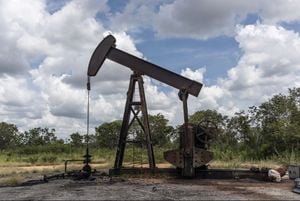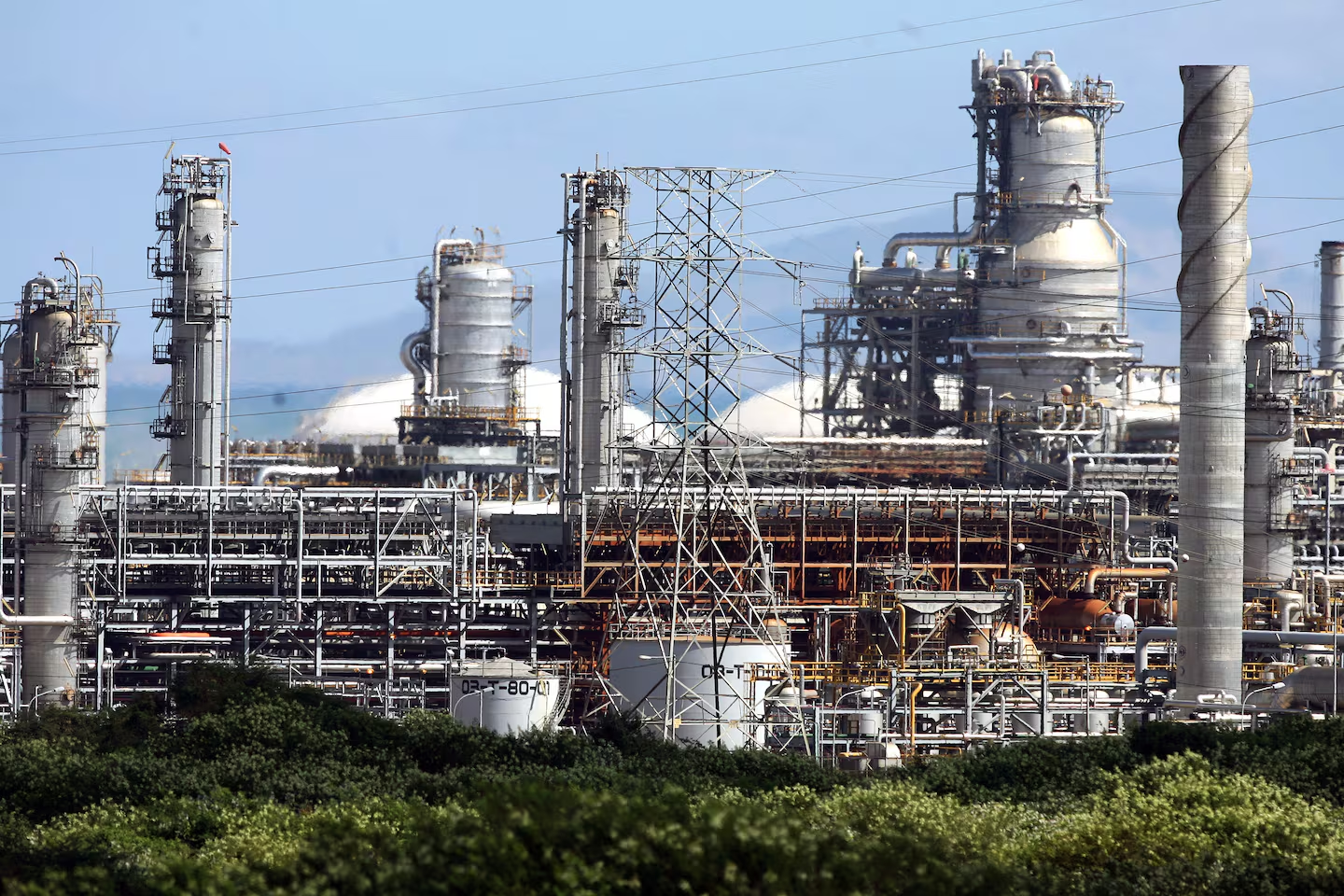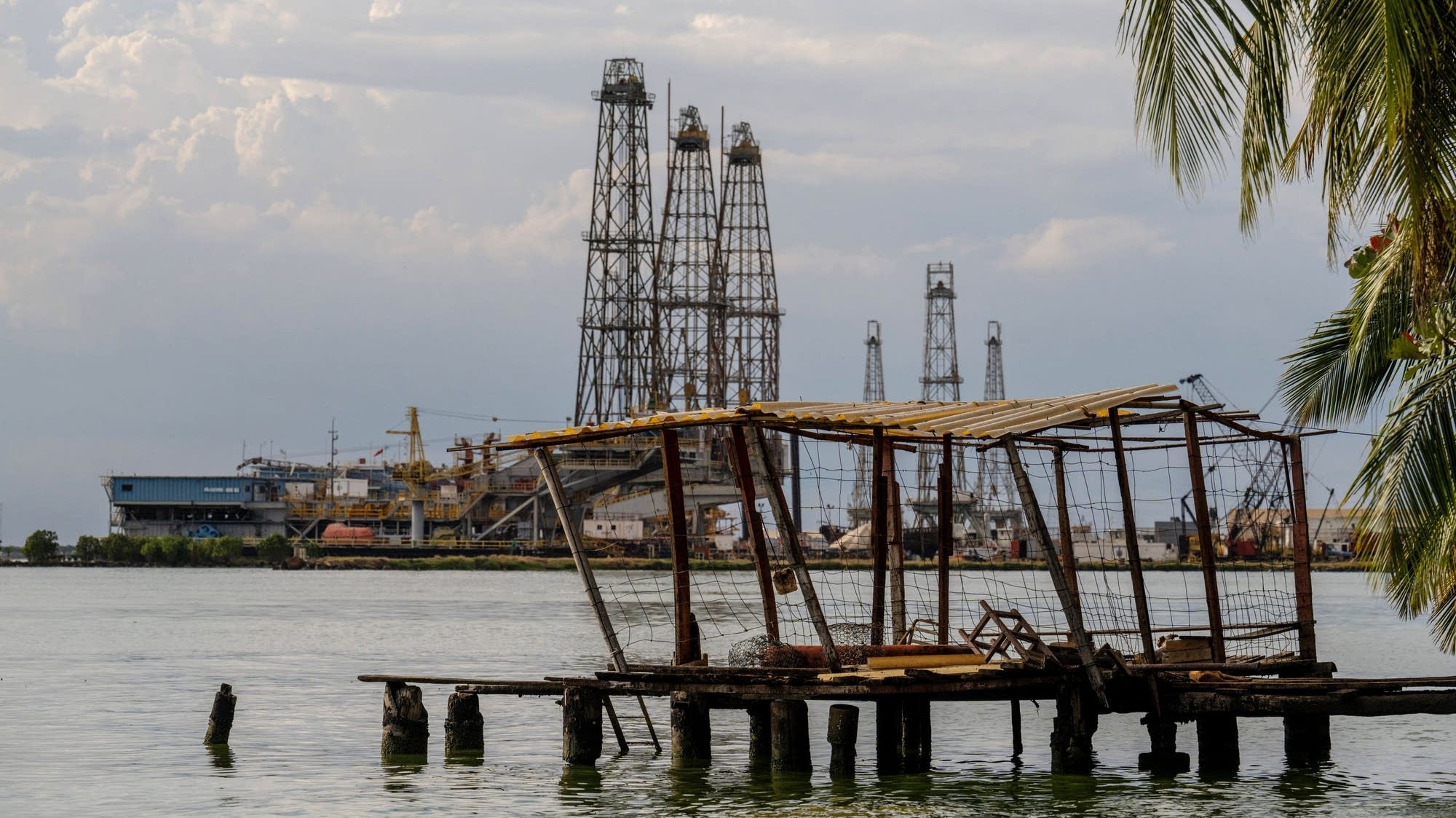
Remember back in January — pre-Iran war — when the U.S. took out the leader of Venezuela, the nearby country with more known oil underground than anywhere else in the world? Well, this week, there have been announcements that some U.S. energy companies are expanding their footprint in the country. On Tuesday night, Paula Henao, Venezuela’s oil minister, spoke to Venezuelan state television from Houston, Texas, telling Venezuelans about new deals with U.S. energy companies SLB and Hunt Oil Company. “This last one we signed with the company SLB, formerly Schlumberger,” Henao said in Spanish.She also told Venezuelans that U.S. companies want to invest in Venezuela. But Bob Fryklund, vice president and chief strategist for the Upstream Energy Group at S&P Global Energy, said the country still has a lot of work to do. “Venezuela is on a sort of cautious recovery period,” Fryklund said.He said the country has ramped up its oil production, a lot of which is getting refined in the U.S. But production is still just around 1.2 million barrels a day. “It's a long ways out to get back to 2 million barrels a day,” Fryklund said. “It’s a lot of money that needs to go. It’s a lot of work that happens.” That return won’t happen until the 2030s, and it will take billions of dollars.For now, David Goldwyn, president of Goldwyn Global Strategies, said investments are more modest and coming from independent companies. The big players are watching and waiting as the country reforms its energy sector. “You just don't know if you're going to get nationalized,” Goldwyn said. “You don't know if your deal is going to hold. You don't know if the country is going to implode and you don't know if the U.S. is going to reimpose sanctions.” But what these companies do know is that there’s no resource in the world that’s quite like Venezuela’s — because getting oil out of the ground there is such a sure thing. “There are not that many places in the world where you can find large, long-lived resources where you don't have any geologic risk — Venezuela is is that country,” Goldwyn said. “You know you're going to get the resources out, and you pretty much know what it costs to put them in shape to export.” Companies just have to manage the political risk above ground.
U.S. oil companies ink production deals with Venezuela
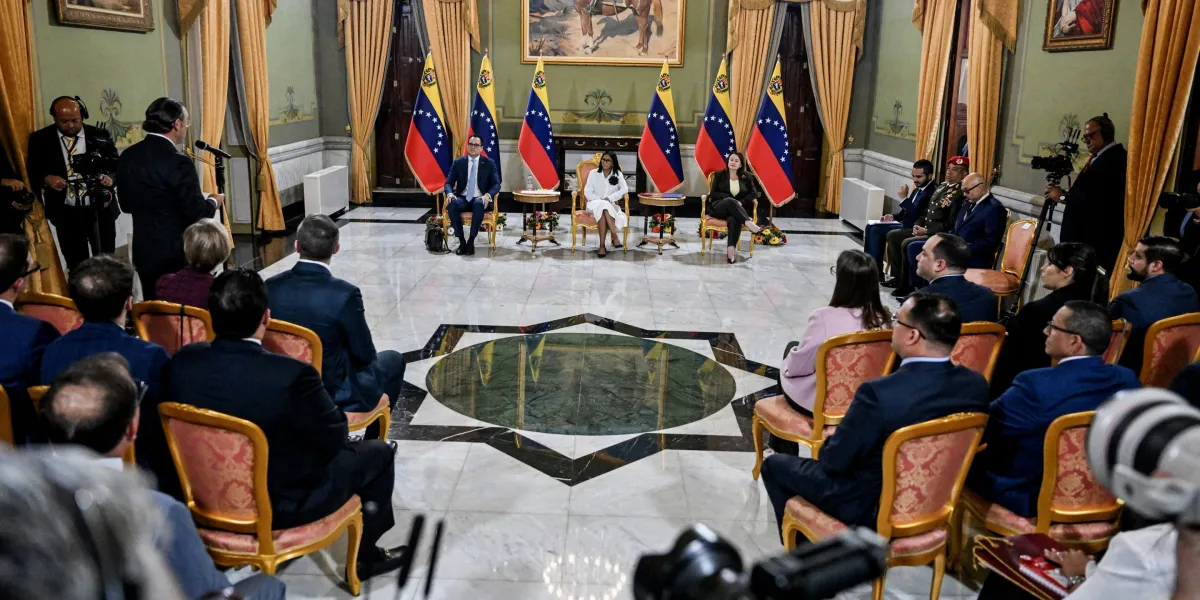
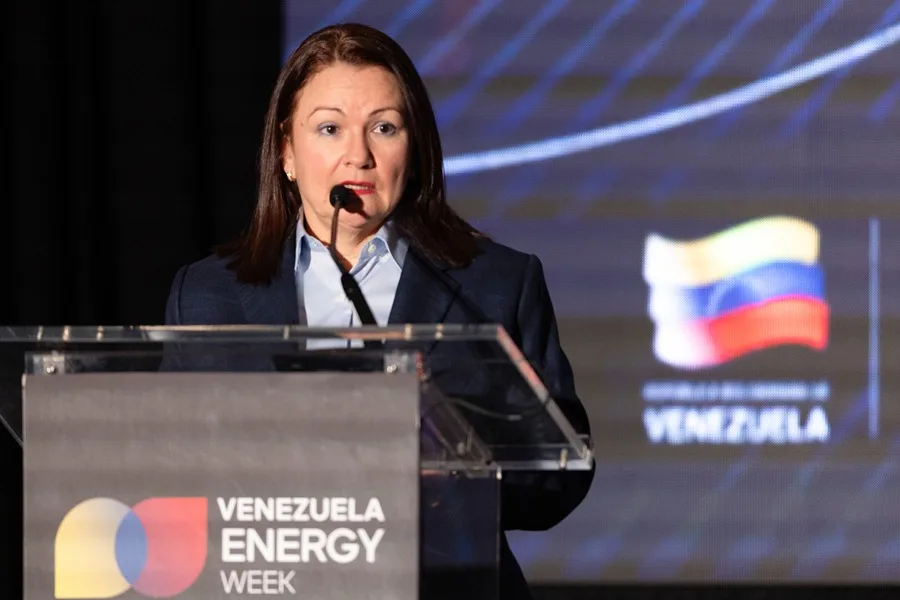
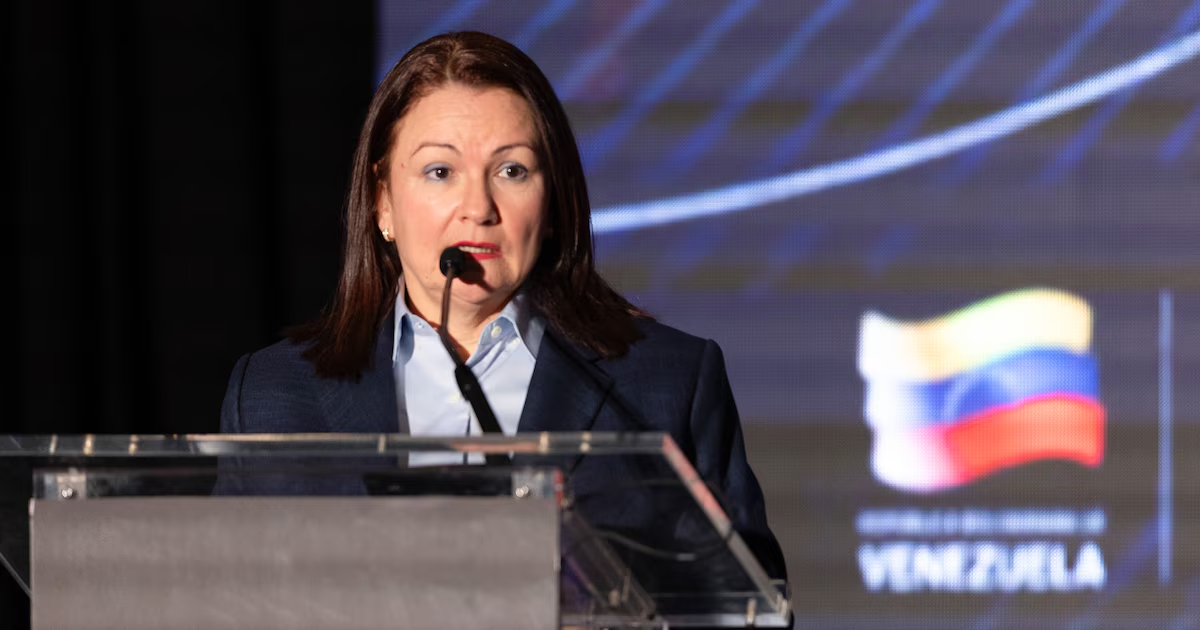
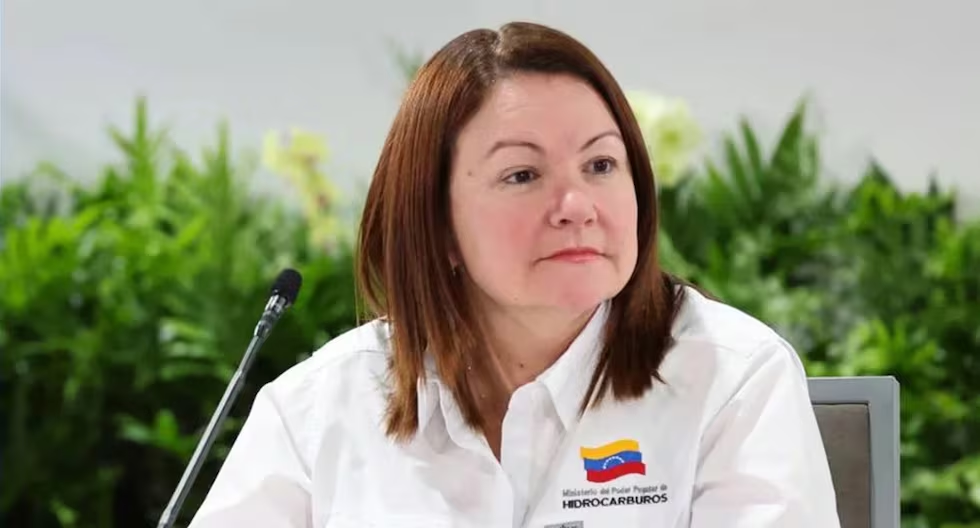
Venezuela’s oil minister, Paula Henao, spoke to Venezuelan state television from Houston, Texas on Tuesday night to announce the investments.
394 words~2 min read