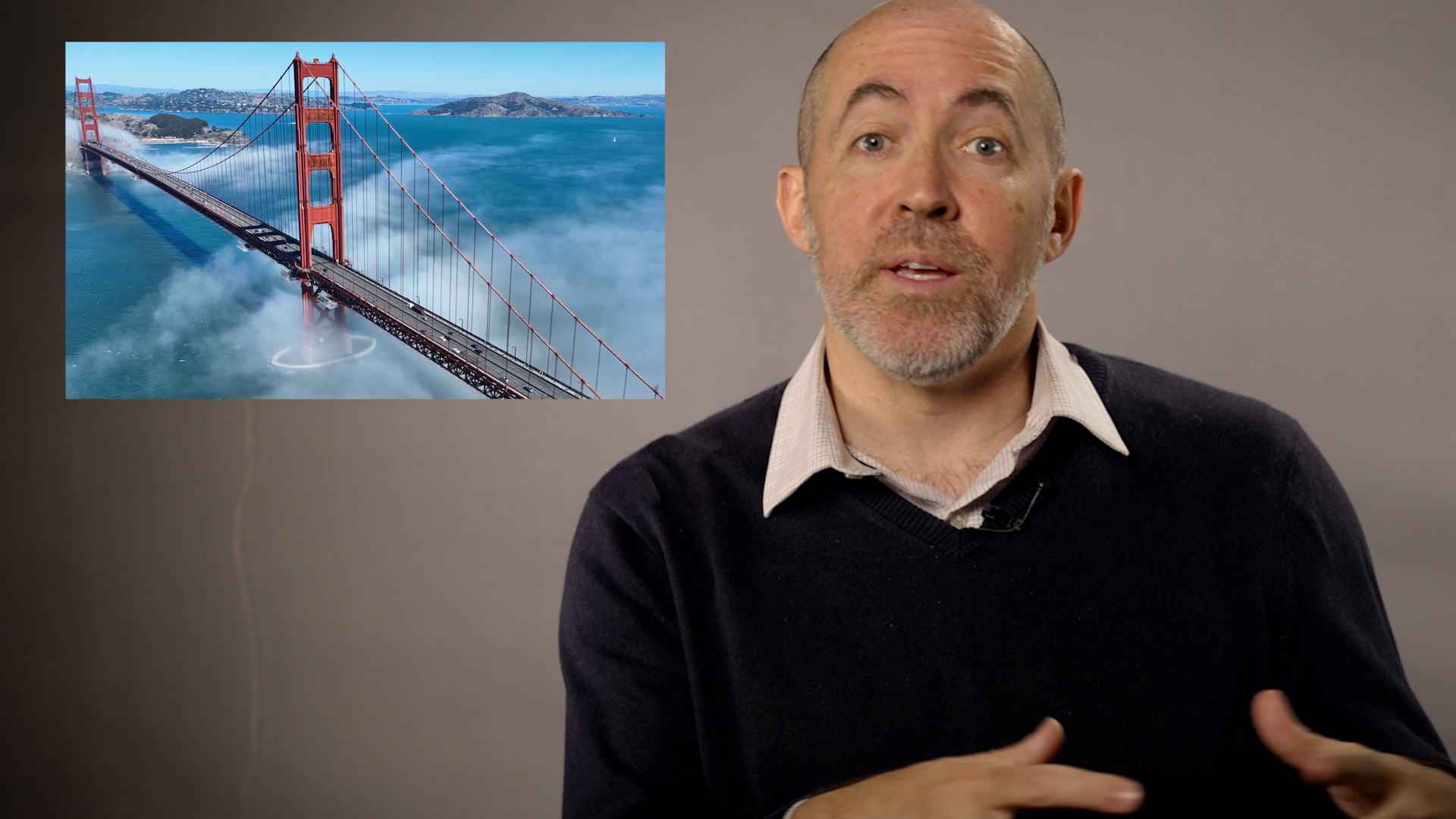
For decades, California had a golden glow in the public imagination: sun-lit surf, redwoods, Hollywood, the Golden Gate Bridge. Today, however, the state is often associated with shock-and-awe housing prices, and as a result, its reputation has lost some luster.
Sam Trachtman
How has the cost of living here grown so high, and so much higher than any state in the nation? UC Berkeley political scientist Sam Trachtman offers some striking answers, often posing a challenge to conventional wisdom.
In a just-completed series of four white papers published by the Berkeley Economy & Society Initiative (BESI), Trachtman traces how anti-growth policies, well-meaning but poorly implemented regulation, and the inefficiency of some state programs have contributed to the state’s affordability challenges.
Voters and policymakers became broadly wary of growth and development in the 1960s and ‘70s, he wrote. Popular policies aimed to preserve the state’s environment and its local landscapes and cultures, but also opened many ways for opponents to challenge and obstruct development.