By
Updated on: August 19, 2026 / 4:22 PM EDT
/ CBS News
Add CBS News on Google
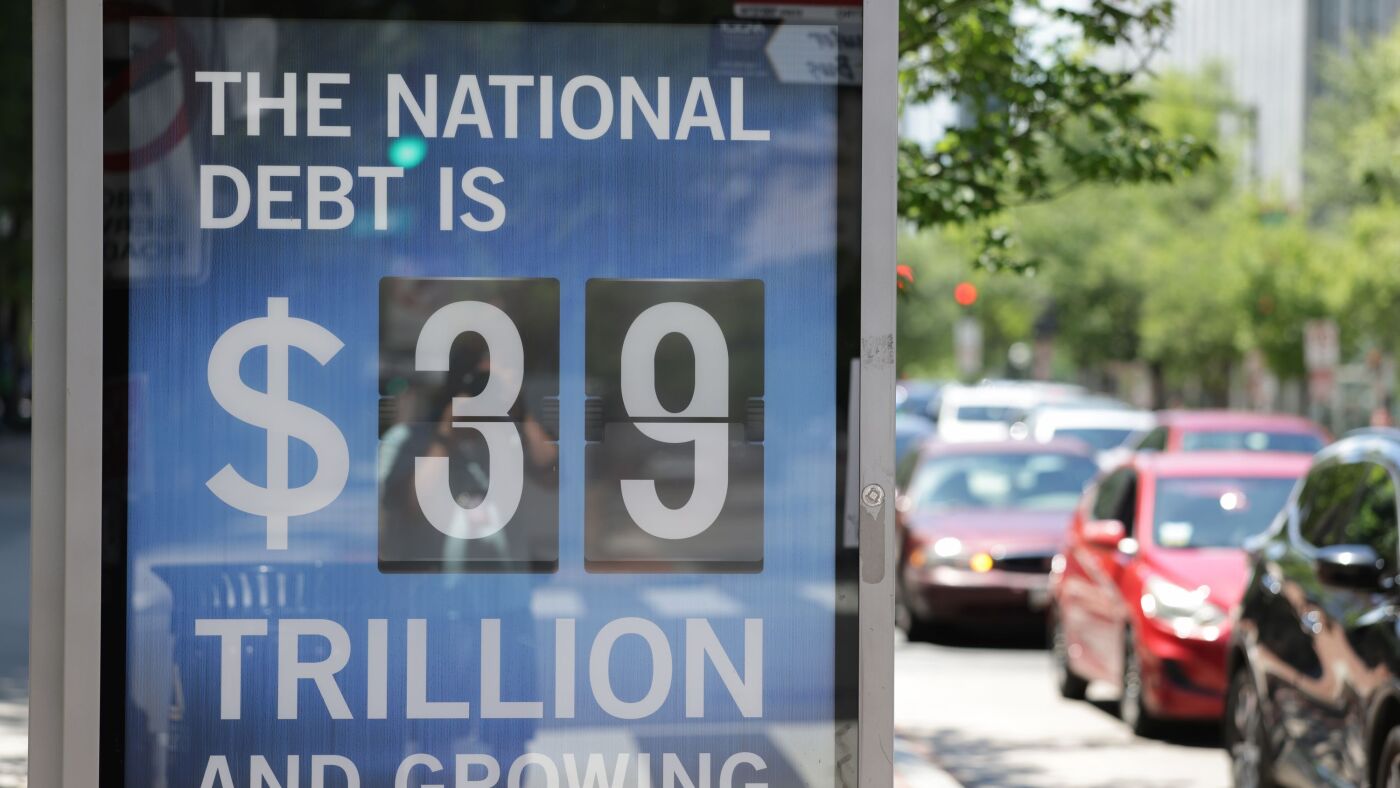
The national debt topped $40 trillion, according to Treasury Department data released on Wednesday, representing a fiscal milestone that underscores the federal government's mounting borrowing and interest costs. The Treasury Department's daily financial report shows that the nation's debt reached $40.05 trillion on August 18, more than double its level in 2017. The federal debt has ballooned because government spending is outstripping revenue, forcing the U.S. to borrow more money to cover the shortfall."We've been running deficits for the last 26 years, and we've basically ignored a lot of the structural challenges that exist in our budget that are very well known," Michael Peterson, CEO of the nonpartisan Peter G. Peterson Foundation, told CBS News. "It's clearly been accelerating because, like any debt problem, the longer you ignore it, the worse it gets."As the government continues to borrow, interest payments are consuming a larger share of the nation's spending, creating a compounding effect that further fuels the debt. The U.S. government now spends more on servicing its debt than on national defense or Medicare.Analysts say the nation's debt growth isn't likely to slow. "We're going the wrong way," said Dean Baker, the co-founder of the economic think tank Center for Economic and Policy Research. He cited the increase in military spending, which he said has exacerbated the country's fiscal burden.The Peterson Foundation estimates that the national debt could reach $50 trillion in six years if the country does not make spending or tax reforms.What is driving up the federal debt?Net interest costs, which approached $1 trillion in 2025 and accounted for nearly 14% of the nation's spending, are only part of the problem.