Introduction
Nigeria’s electricity market is gradually moving towards decentralised power, the adoption of renewable energy, and more flexible customer participation in the electricity value chain. For many businesses, the question is no longer whether to invest in alternative power solutions, but how to reduce costs and improve reliability whilst remaining compliant with regulatory requirements.
In June 2026, the Nigerian Electricity Regulatory Commission (“NERC” or “the Commission”) commenced the implementation of the Net Billing Regulations 2026 (“the Regulations”). In its public notice announcing the commencement of the Regulations, NERC stated that the Regulations are designed to promote renewable-energy adoption, improve energy security and reliability, encourage private-sector participation in distributed generation, reduce greenhouse gas emissions and support the efficient integration of renewable-energy systems into distribution networks.
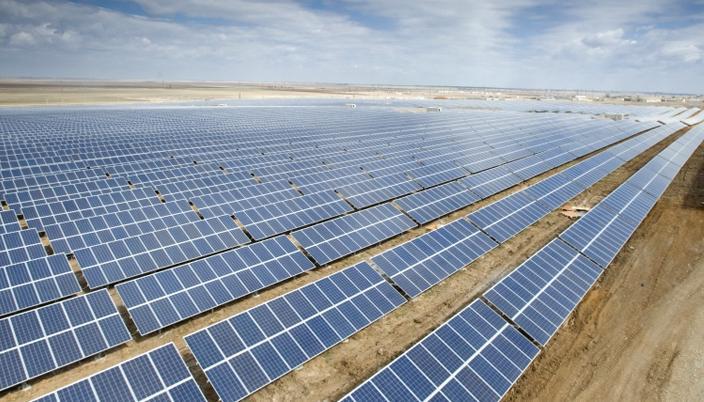
The Regulations create a framework through which eligible customers, referred to as prosumers, may generate electricity primarily from renewable-energy sources for their own consumption and export excess electricity to distribution networks under a net billing arrangement. In practical terms, the framework seeks to convert unused renewable power into billing credits, while also imposing approval, technical, metering, safety and grid-connection obligations.