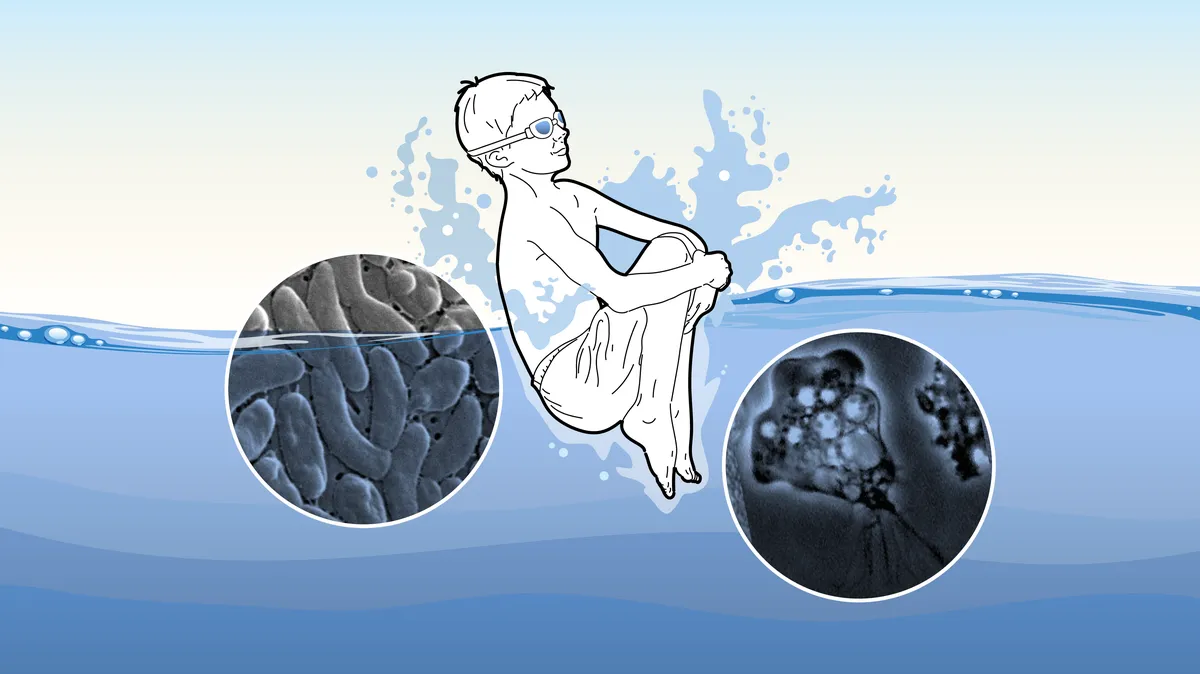
Jump to contentAllNewsSportCultureLifestyleSwimming or wading in water contaminated with fecal matter can lead to gastrointestinal and respiratory illnesses (Getty/iStock)A report by Environment America found potentially unsafe fecal contamination levels in 85 percent of Missouri's monitored recreational waterways in 2024 and 2025. Contamination was detected at 171 out of 202 testing locations, including high-risk sites like the Harry S. Truman Reservoir, Grand Glaize Creek and Sycamore Creek. Health experts warn that swimming or wading in contaminated water can lead to skin, eye, ear, respiratory and gastrointestinal infections. Primary causes of the bacterial pollution include stormwater runoff, sewage overflows, livestock manur and failing septic and wastewater systems. Across all 17 states evaluated in the study, 69 percent of tested waterway locations showed potentially unsafe contamination levels on at least one day. In full85% of Missouri’s waterways have ‘potentially unsafe’ amounts of feces in themMore bulletinsThank you for registeringPlease refresh the page or navigate to another page on the site to be automatically logged inPlease refresh your browser to be logged in
Most Missouri waterways face fecal contamination risk, report finds
Jump to contentAllNewsSportCultureLifestyleSwimming or wading in water contaminated with fecal matter can lead to gastrointestinal and respiratory illnesses (Getty/iStock)A report by Environment America found potentially unsafe fecal contamination levels in 85 percent of Missouri's monitored recreational waterways in 2024 and 2025. Contamination was detected at 171 out of 202 testing locations, including high-risk sites like the Harry S. Truman Reservoir, Grand Glaize Creek and Sycamore Creek. Health experts warn that swimming or wading in contaminated water can lead to skin, eye, ear, respiratory and gastrointestinal infections. Primary causes of the bacterial pollution include stormwater runoff, sewage overflows, livestock manur and failing septic and wastewater systems. Across all 17 states evaluated in the study, 69 percent of tested waterway locations showed potentially unsafe contamination levels on at least one day. In full85% of Missouri’s waterways have ‘potentially unsafe’ amounts of feces in themMore bulletinsThank you for registeringPlease refresh the page or navigate to another page on the site to be automatically logged inPlease refresh your browser to be logged in