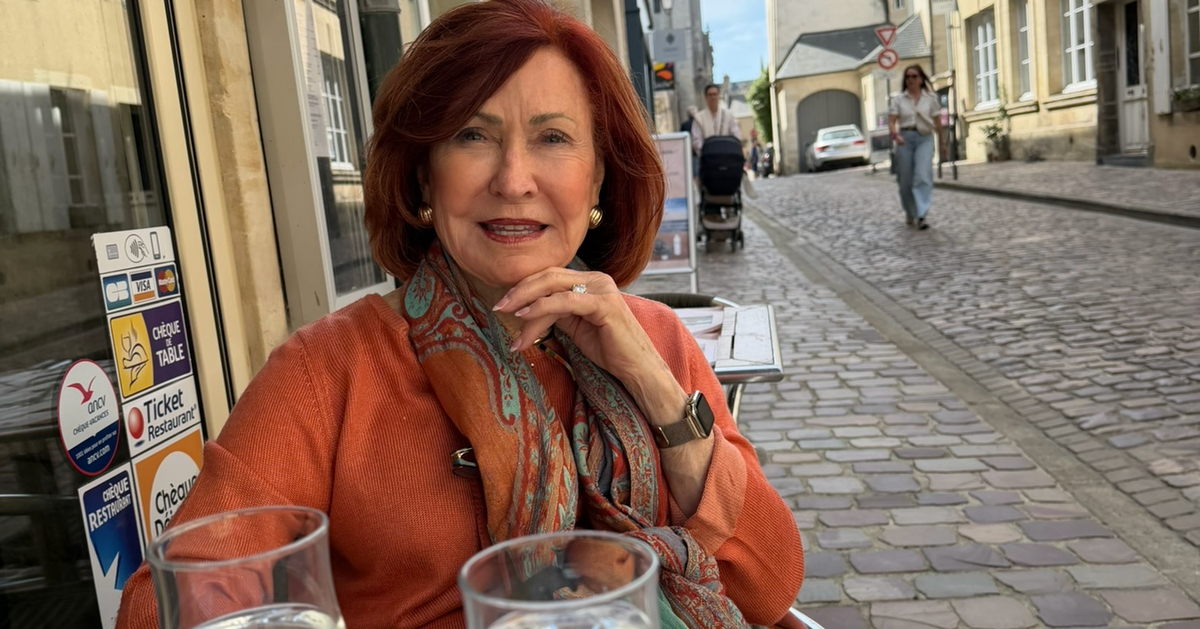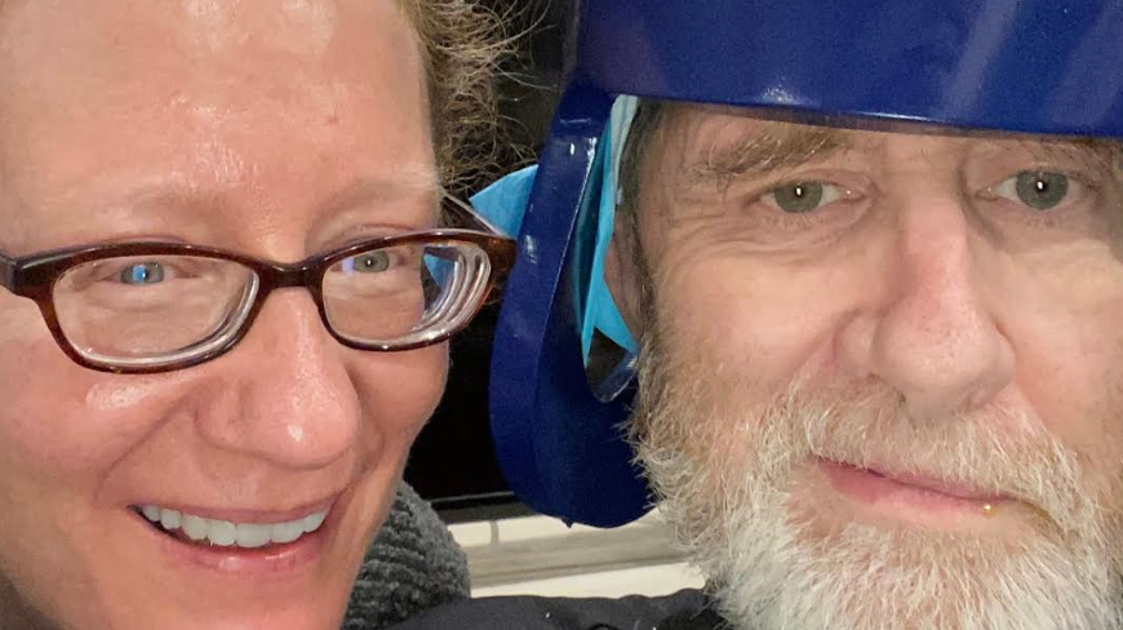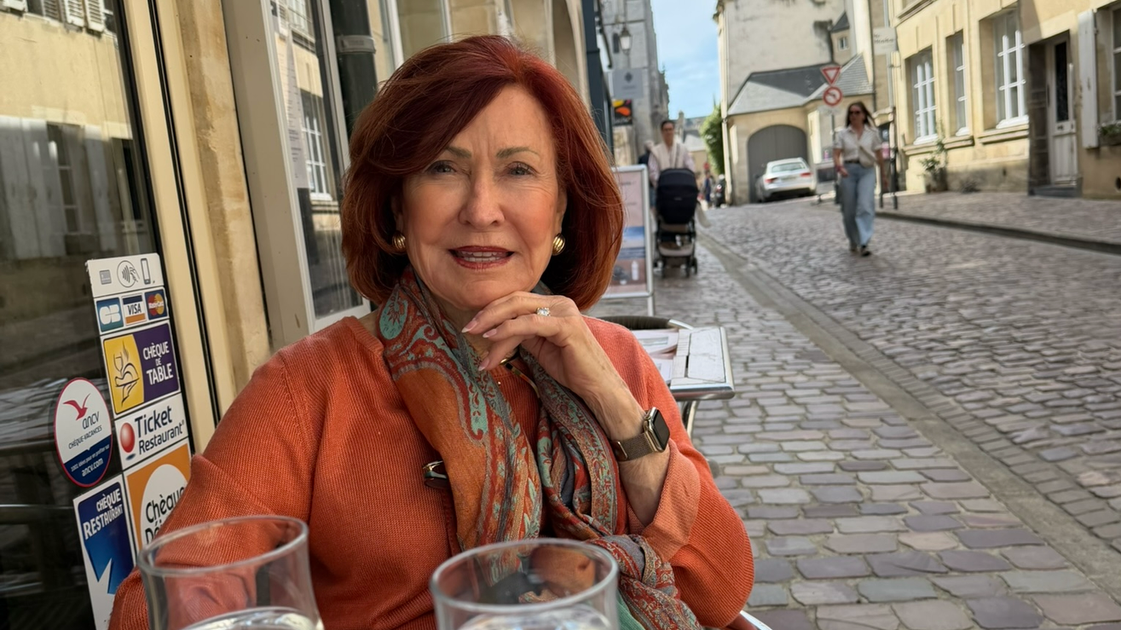
After my first HuffPost essay was published, I noticed that many other widows wrote some version of the same comment: “I spent years taking care of my husband. I loved him, and I’d do it all over again. But I don’t ever want to have to take care of another man.”As I read those comments, I understood exactly what they meant. I spent the last two years of my husband Al’s life caring for him as he battled terminal lung cancer. Caregiving is one of the greatest acts of love you’ll ever perform, but let’s be honest — it’s also exhausting. You become a nurse, advocate, chauffeur, medication manager, cheerleader and, at times, the only person holding everything together while your own heart quietly falls apart.A proud man, Al struggled the day he first needed a cane. Then came the wheelchair. He rarely wanted to go out because he didn’t want friends to see how much cancer had changed him. Instead, he sat for hours on our porch soaking up the Florida sunshine while I watched him quietly process the fact that he was dying. He was smart enough to know exactly what was happening, but too sick to stop it.He relied on me to keep him alive. Every time I handed him medication, helped him stand or cared for him in any way, he’d thank me. Those simple words somehow broke my heart more than the cancer itself.The author with her late husband Al.Photo Courtesy Of Diane HeilerOne afternoon, I told Al that life was like a long game of musical chairs. Eventually there isn’t a chair left for you.He squeezed my hand and quietly said, “I don’t want to leave you.”“I don’t want you to leave either,” I told him. “But I think we’re getting close.”Then I told him, “Sweetheart, there are only two ways you can go. You can face death with God, love and peace in your heart and a smile on your face... or you can choose to go angry. I hope you choose peace.”A few days before he died, he woke up, smiled at me and said, “I’m still here.”Without missing a beat, I replied, “Yes, you are... but I just got a call from upstairs, and they want to know what the holdup is.”We both laughed. I know some people probably think that was a shocking thing to say to a dying man. But cancer had already taken enough from us. I refused to let it steal our sense of humor, too.My humor has always had a habit of showing up at the most inappropriate moments. That’s how I’m wired. Maybe that’s how I’ve survived.Those two years caring for Al were the hardest years of my life. Then, when he died, I wasn’t only grieving my husband. I was grieving the life we had built together while trying to figure out who I was without him.I’ve learned you never really walk away from grief. It settles into you like the lines around your eyes. It hunkers down and becomes part of who you are. Sometimes it sneaks up on you when you least expect it. Other days, it simply sits quietly beside you.But one thing I knew for certain was that I didn’t want to spend the rest of my life merely existing.So I started writing. I’d always written poetry and kept journals. During those first months after Al died, poetry poured out of me day and night. Eventually those poems became something bigger, and I decided to write my memoir.When I announced this to my children, they practically panicked.“Mom,” they pleaded, “don’t put our names in your book. And don’t tell stories about us. You think they’re funny. We don’t.”I smiled and said, “Then write your own book.”Writing became therapy. It gave my grief somewhere to go besides my own heart. It reminded me that even in my 80s, I was still growing.Then, just 11 weeks after Al died, life surprised me. My sister finally convinced me to come out of my hidey-hole and join her and some friends at our club. I hadn’t eaten much that day, but I had enjoyed a couple of vodka tonics. Let’s just say I was feeling considerably more social than I had in months.A friend introduced me to a handsome man named Bob.The author with her boyfriend Bob.Photo Courtesy Of Diane HeilerWithout hesitation I said, “Let’s dance.”He twirled me around the dance floor, and on the very next turn my knee gave out. I landed flat on the floor at his feet. I was absolutely mortified. But somehow, instead of running in the opposite direction, he smiled.Before the evening ended, I asked him to take a selfie with me. My late husband’s racquetball buddies had challenged me to someday get back out there and have fun again, and I wanted proof that I’d met the best-looking man in the room. (I conveniently left out the part where I’d fallen flat on my backside.)The next day Bob called and asked if he could come by. Later he admitted he wanted to meet me again — this time while I was sober. We sat and talked for hours.After he left, I wrote in my journal: “I adore this new man in my life. Is this lust? Love? Widow’s Fire? I’m not sure. I only know it’s the best thing that’s happened to me in three years.”I also wrote a prayer: “Please, God... and Al... send me a wonderful man like the man I had.” Looking back now, I believe they did.Bob didn’t replace Al. He certainly didn’t erase my grief. We’re simply two people in our 80s who found companionship.We don’t need marriage. We need kindness. Respect. Laughter. The willingness to make room for another person’s little quirks. For instance, I’m not a cat person. Bob loves his cat. I loved Bob. So naturally, the cat won.Then there was the day I found a pair of black, sexy women’s panties folded in with Bob’s laundry. I questioned my daughters.“Not ours,” they insisted.I questioned Bob.“Nope.”Finally, I remembered another couple had stayed overnight. The panties belonged to our friend. That’s life. One moment you’re drowning in grief. The next you’re laughing over your fleeting suspicion that your boyfriend was secretly wearing black bikini panties. I’ve learned these things can exist together.The author in nature with Bob.Photo Courtesy Of Diane HeilerI know some widows will never want another relationship, and I completely respect that. Others quietly long for companionship but feel guilty admitting it. To them I’d simply say this: There is no right way to be a widow.There is no timeline. No prize for suffering longer than everyone else. If writing a book helps you heal, write it. If gardening brings you peace, plant flowers. If your grandchildren fill your heart, cherish every moment. And if one day someone makes you laugh again, don’t apologize for smiling.For a long time, I thought moving forward might somehow mean leaving Al behind. Instead, I’ve learned that love doesn’t work that way. The years I spent caring for him will always be among the hardest — and most meaningful — of my life. Loving Bob doesn’t erase those years.And falling in love again didn’t mean signing up to become a caregiver again. I’m not repeating the hardest chapter of my life. I’m discovering an entirely new one.Besides which, I didn’t spend two years caring for the man I loved only to spend the rest of my life afraid to love again. Al eventually reached the end of his game of musical chairs. But I haven’t yet. Now, almost every morning, Bob wraps his arms around me and says, “This is my favorite part of the day.” Those years of caregiving taught me just how precious these ordinary mornings really are. And those simple words remind me that love doesn’t always ask us to carry someone. Sometimes … it simply asks us to dance again.Diane Heiler is the author of “A Widow’s Fire: An Intimate Memoir of Heartbreak, Survival and Moving On.” Widowed in 2023 after caring for her husband through his battle with cancer, she writes about grief, resilience and finding joy again after profound loss.Do you have a compelling personal story you’d like to see published on HuffPost? Find out what we’re looking for here and send us a pitch at pitch@huffpost.com.
I Met A New Man Just 11 Weeks After My Husband’s Death. Here’s What I Wish People Understood.
“I wasn’t only grieving my husband. I was grieving the life we had built together while trying to figure out who I was without him.”
1,391 words~6 min read