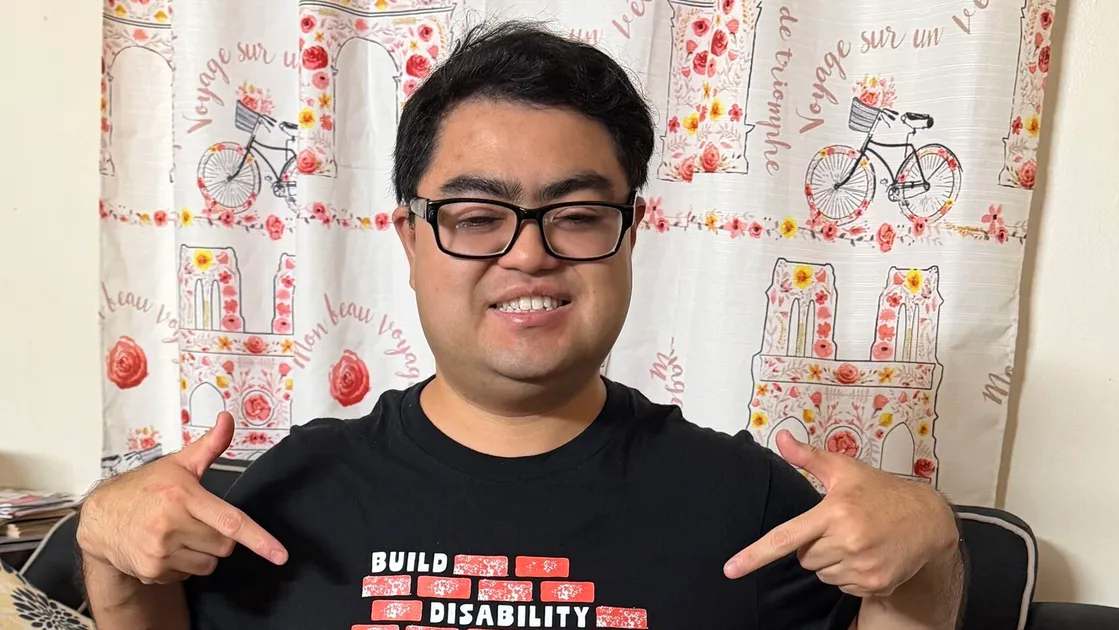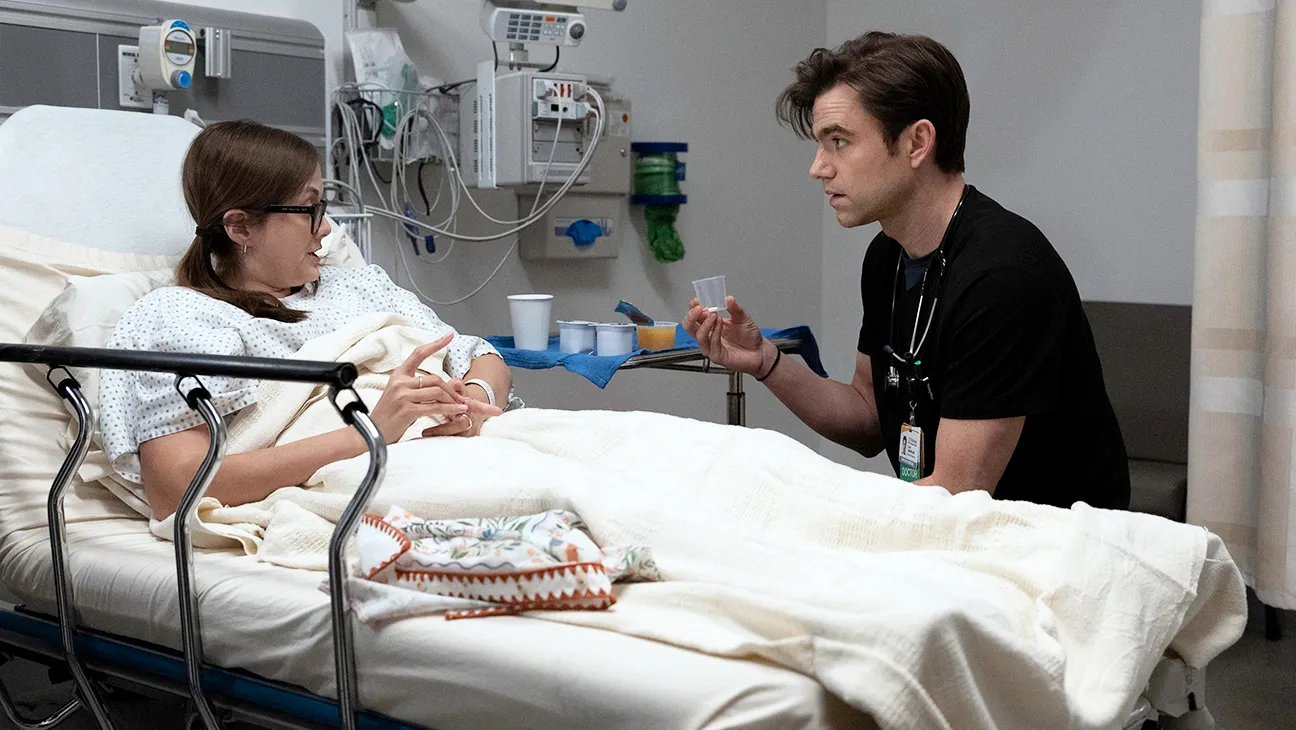
Television’s portrayal of neurodivergence has long suffered from a persistent blind spot. By casting neurotypical actors to play stereotypical — and often heavily coded yet undiagnosed — white male savant archetypes, Hollywood built a rigid standard that has largely erased women, people of color and the broader diversity of real-world neurodivergent experiences.
“When you lump all neurodivergent perspectives into the same story — like ADHD, dyslexic and autistic adults — without showing the difference in lived experiences, people start to assume that they’re all the same,” says Tal Anderson, a first-time Emmy nominee for The Pitt. “People start to think that autistic people are all low-support needs [i.e., highly functioning] if that’s all they see onscreen. When that happens, an entire half the autistic community is left out of the conversation and, long-term, that’s really damaging for all of us.”
When director Cian O’Clery co-created Love on the Spectrum — first in Australia, then as an Emmy-winning U.S. adaptation for Netflix — he never expected the docu-reality dating series to “become such a focal point of autism representation.” While his team incorporates community feedback, O’Clery emphasizes that the goal was never to “tell the story of autism,” but rather to center the “individual stories” of its castmembers, whom he considers the show’s most important consultants.