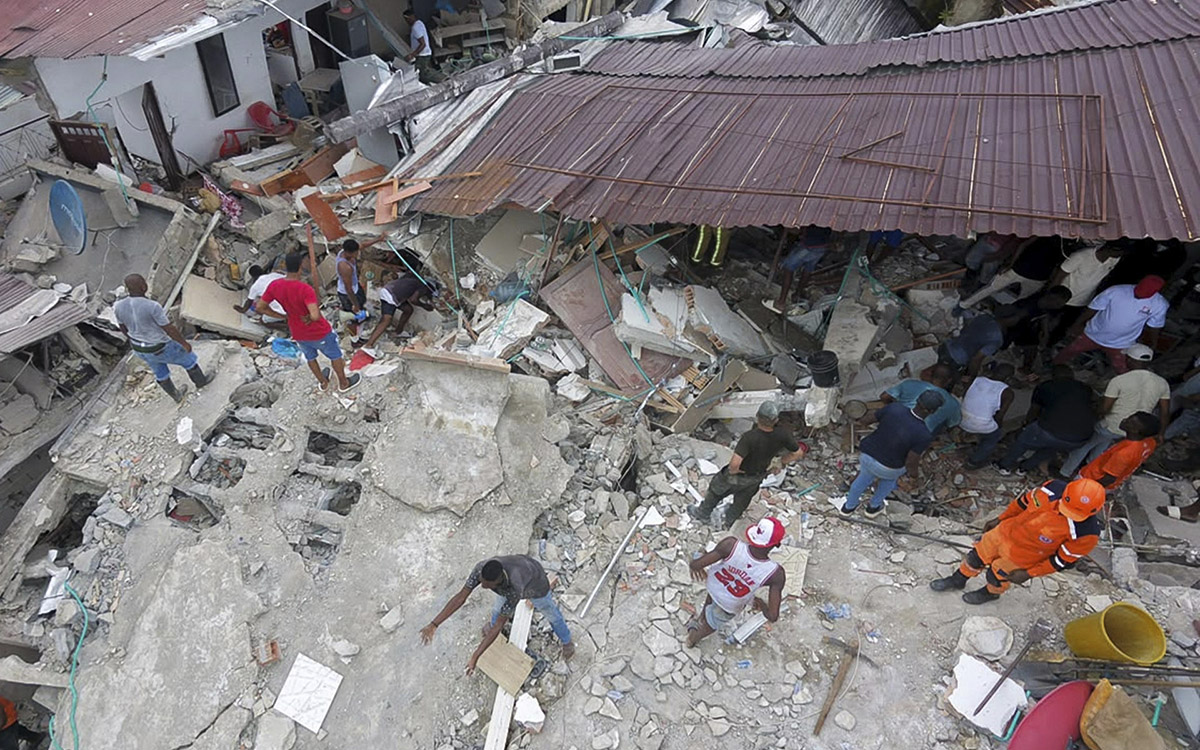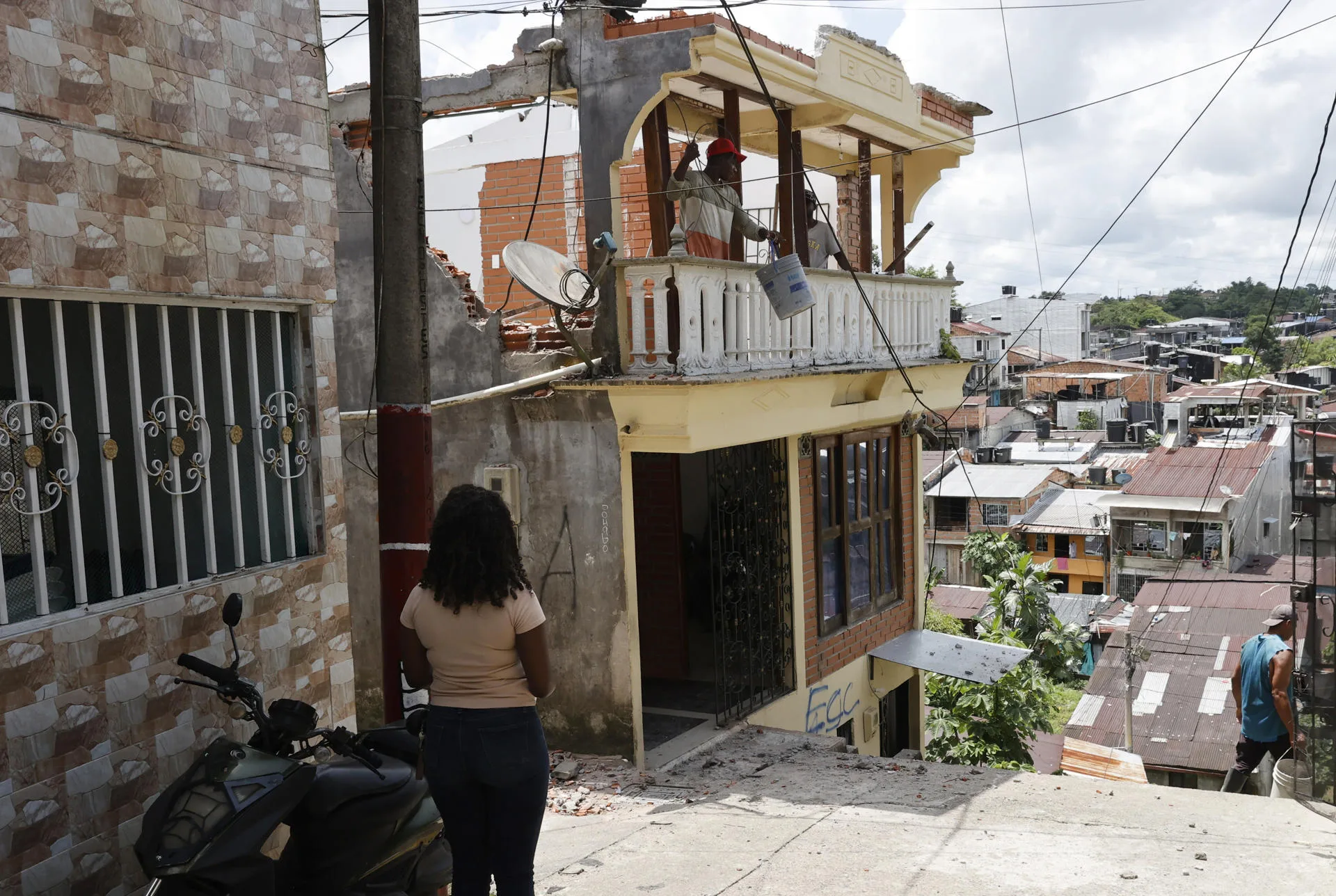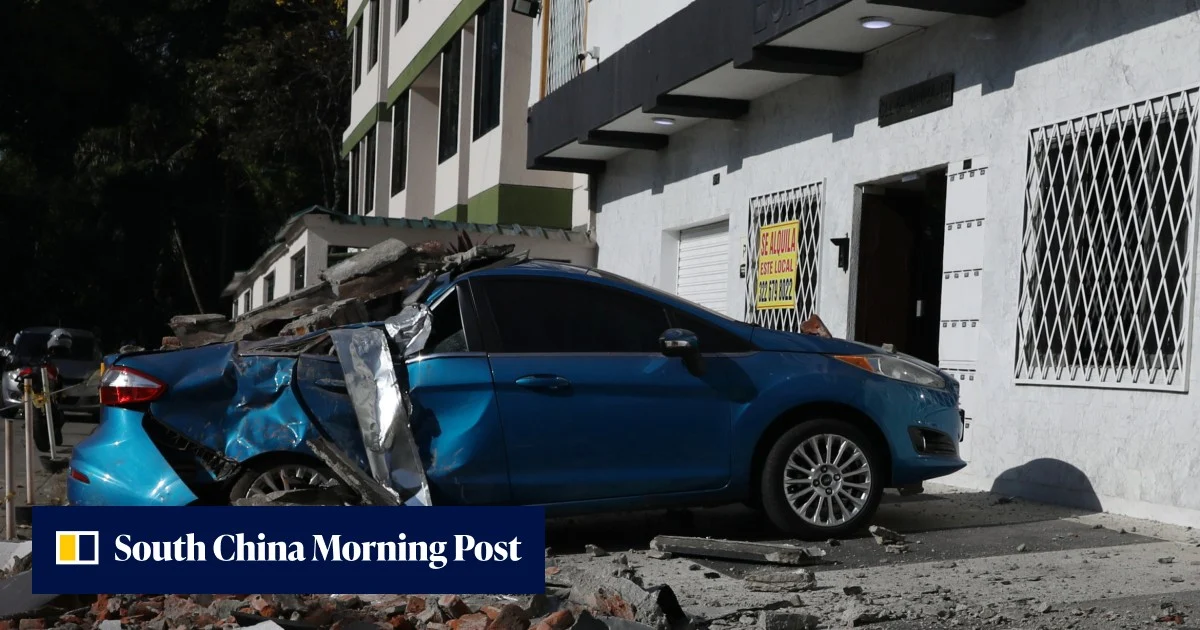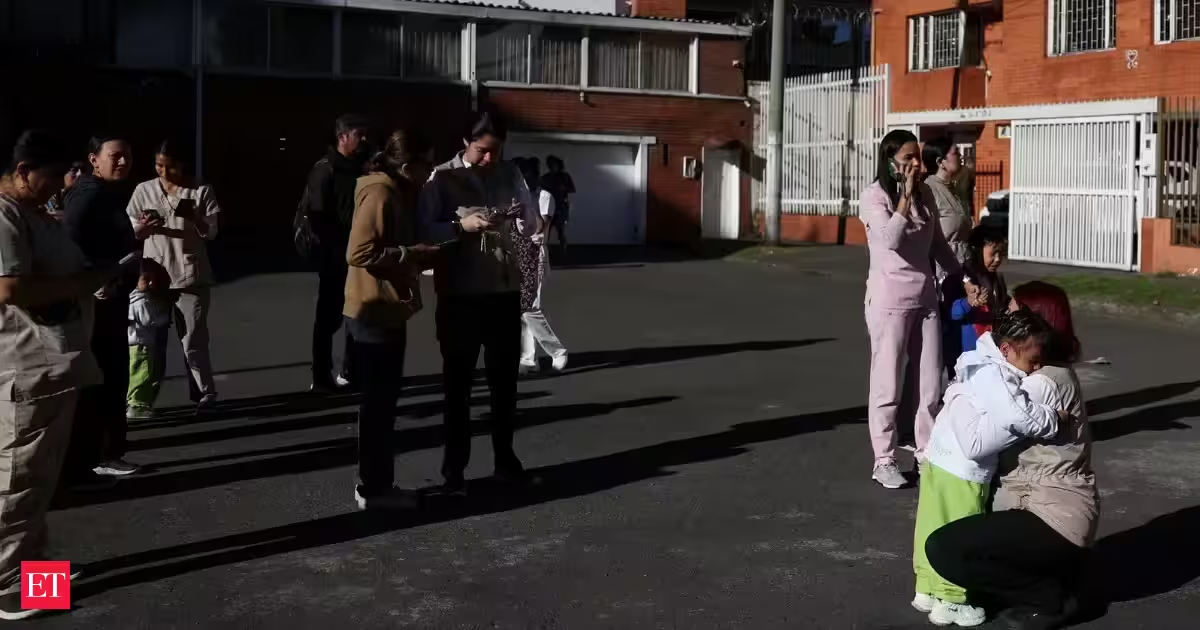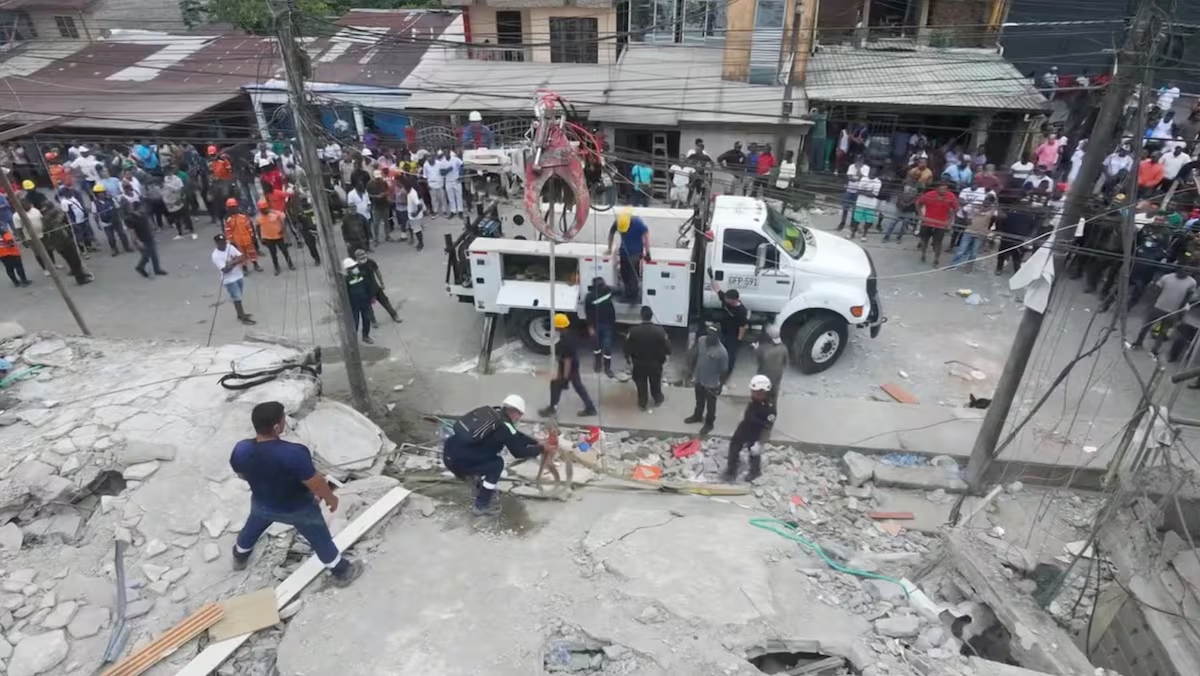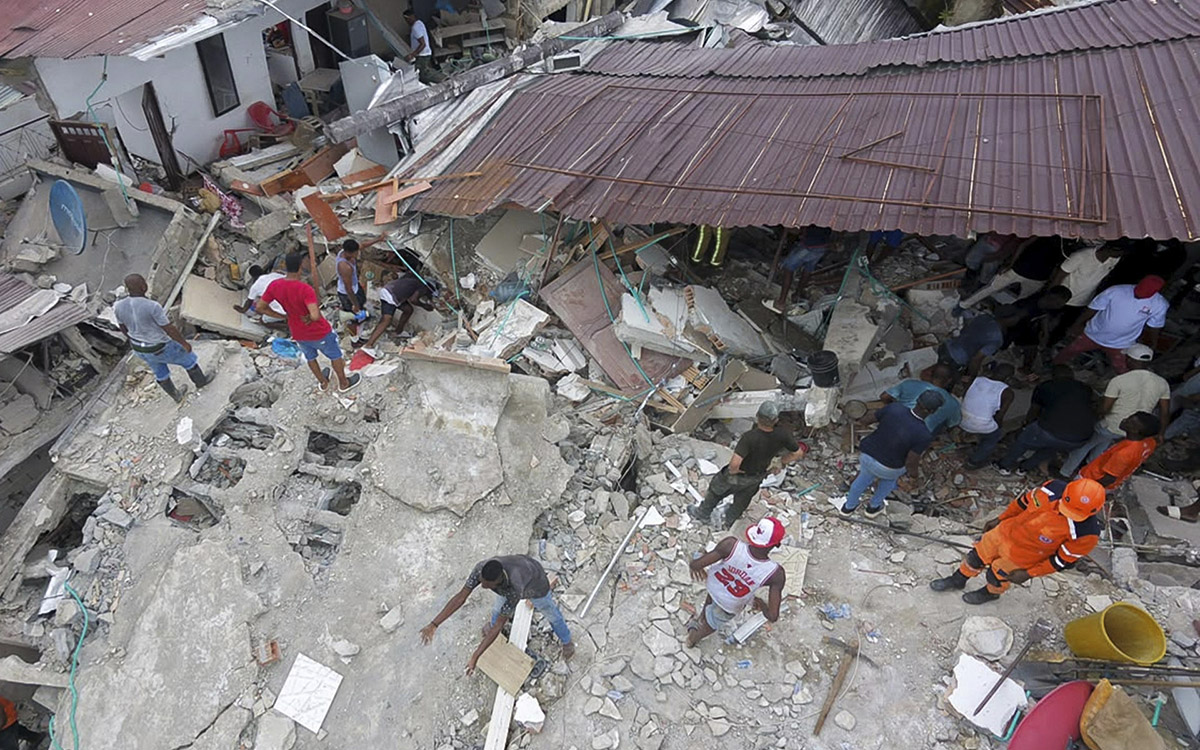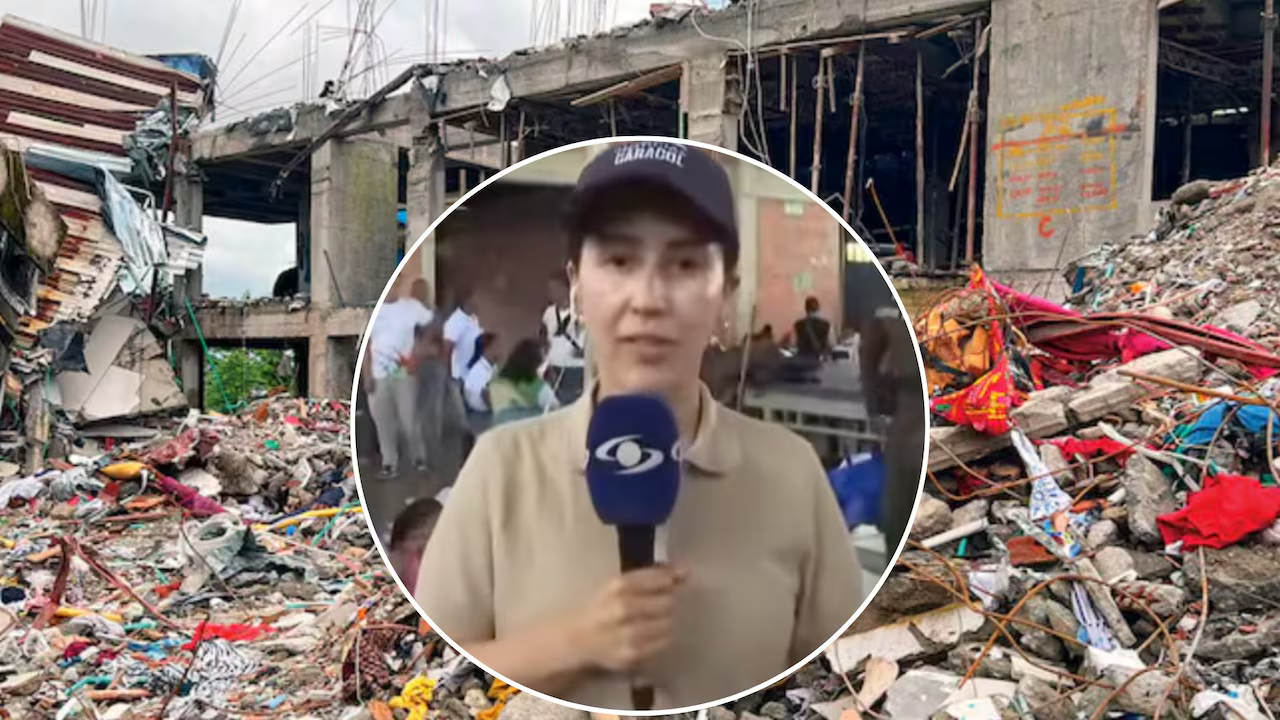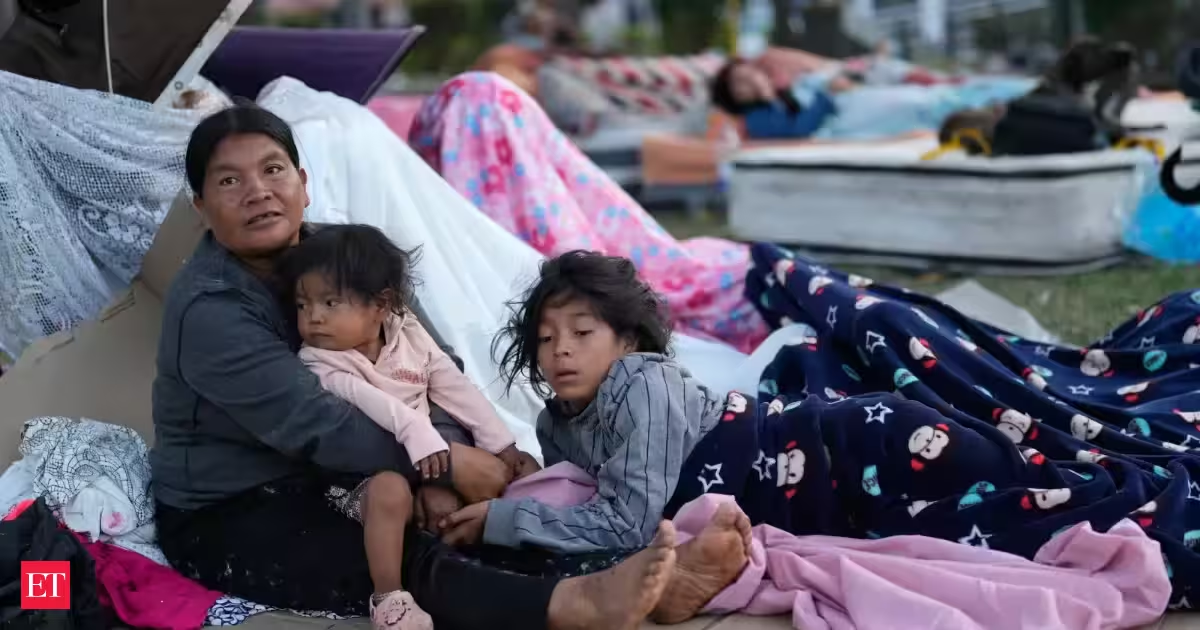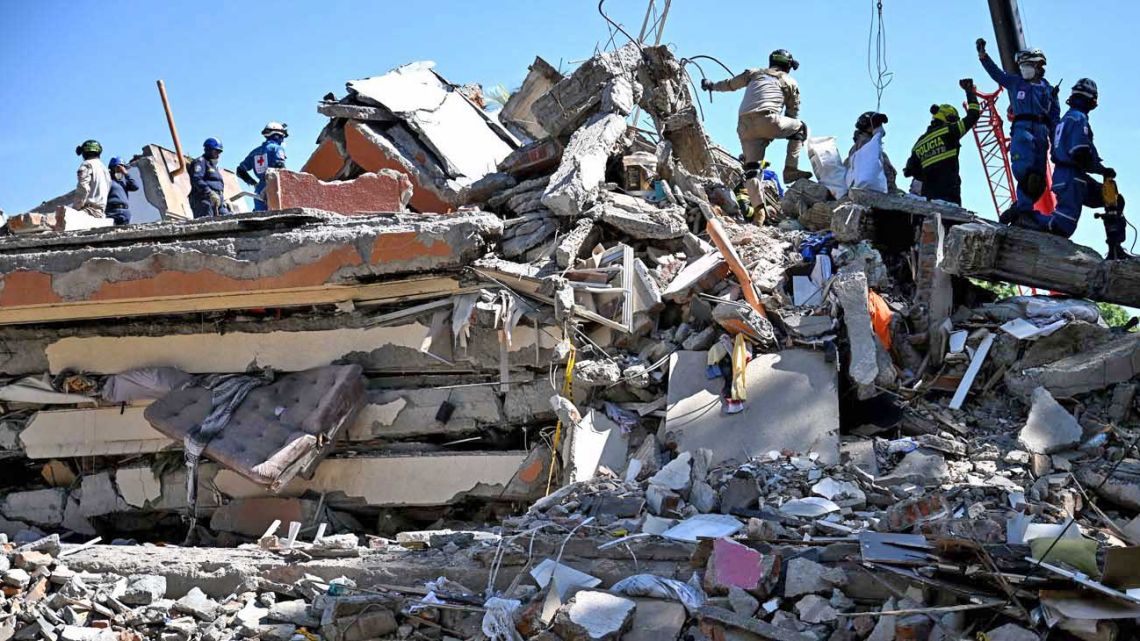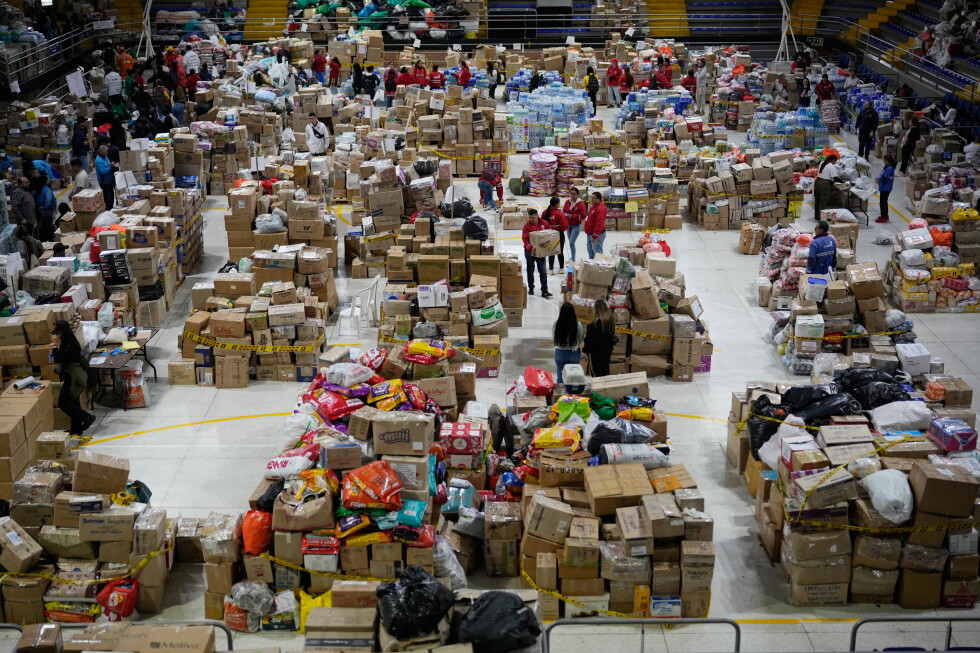
BOGOTA, Colombia (AP) — Ismael Arias was headed to the market when the devastating 7.4 magnitude earthquake hit western Colombia last week, sowing death and destruction. His home region of Choco was the epicenter.Leaving home early that day likely saved his life, he says — the two-story home he had spent years building with his modest wages collapsed during the quake.“The house is completely destroyed,” said the 66-year-old math teacher in Quibdo, the regional capital.At least 312 people were killed by the Aug. 10 quake, according to figures published Wednesday by the central government, and 29,000 homes were destroyed. Recovery will be particularly challenging for Choco, which was already struggling with high poverty rates, poor infrastructure and underfunded health and education services.According to the United Nations Office for the Coordination of Humanitarian Affairs, 69,000 people in Choco were affected or displaced by the earthquake — about 10% of its population.
The regional government says more than 200 schools were damaged, and poor internet access will make it difficult for children to take online lessons. With around 600,000 inhabitants, mostly Afro-Colombian or Indigenous people, Choco has long been one of the country’s most neglected regions.Largely covered by mountains and rainforests, only two precarious roads connect Choco to the rest of Colombia. Many towns are only reachable by plane or boats, and the rivers can be dangerous. There are no roads linking communities along the more than 650 kilometers (406 miles) of Choco’s coastline hugging the Pacific Ocean to the interior.