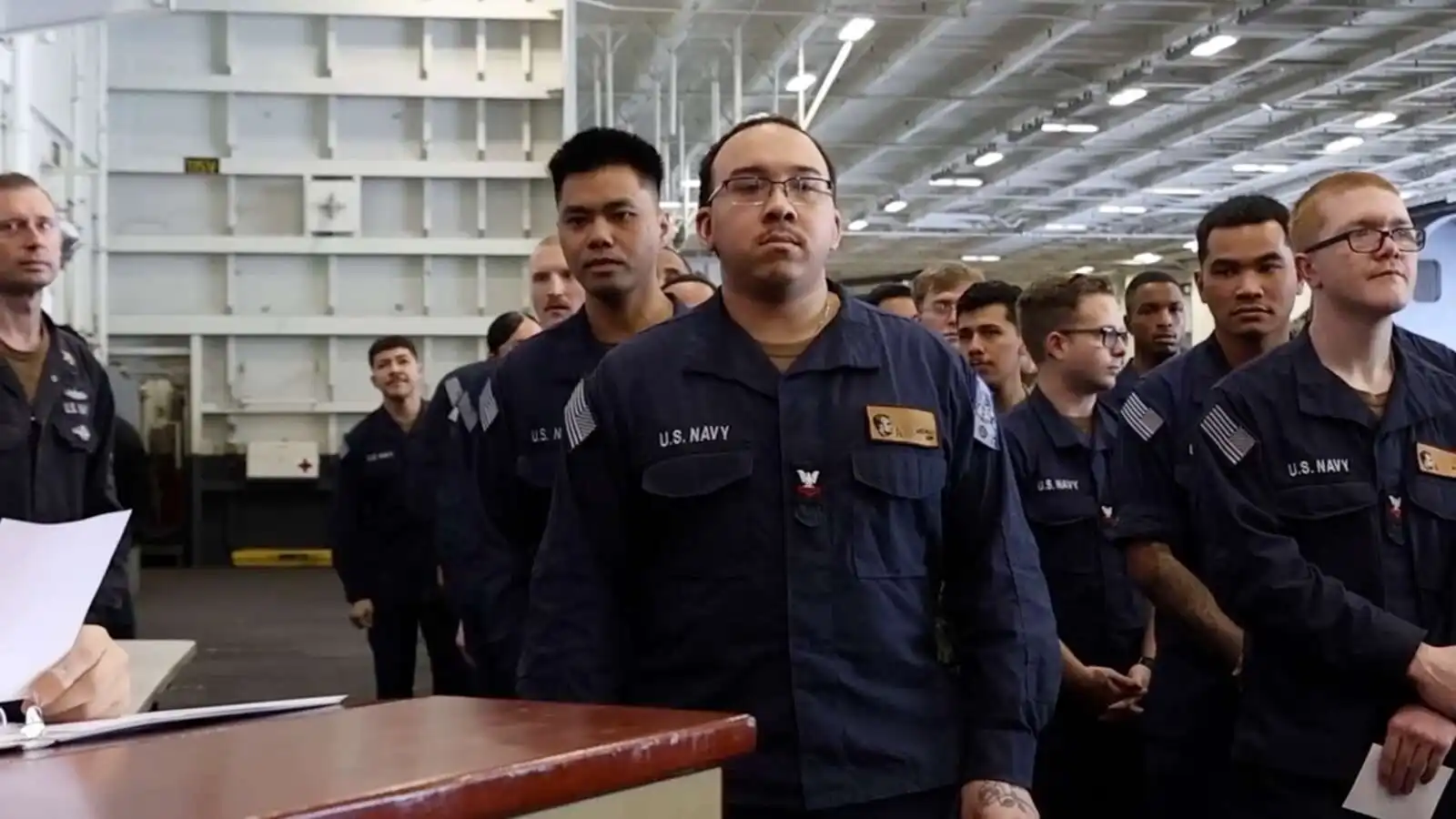
Reports of harsh living conditions and deployment strain aboard aircraft carriers like the USS Abraham Lincoln have brought renewed attention to military mental health. Addressing these challenges, psychiatrists Ronald Kessler, PhD, of Harvard Medical School in Boston, and Harold Kudler, MD, of Duke University in Durham, North Carolina, discuss the realities of screening and care at sea.
In a new JAMA Psychiatry study, Kessler's team demonstrated how predictive algorithms can flag service members at risk for suicide or suicide attempts using administrative data. While Kessler suggests these models could be paired with shipboard interventions like resilient "battle buddies," an approach that remains untested, Kudler, previously the chief consultant for mental health at the U.S. Department of Veterans Affairs (VA), emphasizes that even robust onboard care hits a wall when extreme operational conditions push personnel beyond the limits of human endurance.
The following is a transcript of their remarks:
Kudler: There probably is no more dangerous work site than the flight deck of an aircraft carrier. How many clinician hours is it going to take to touch 5,000 people? It's not going to happen.