Tony Hosmans, crisis cell spokesman, said the fire, which spread across 3,000 hectares, “has been contained and should no longer be able to spread.”
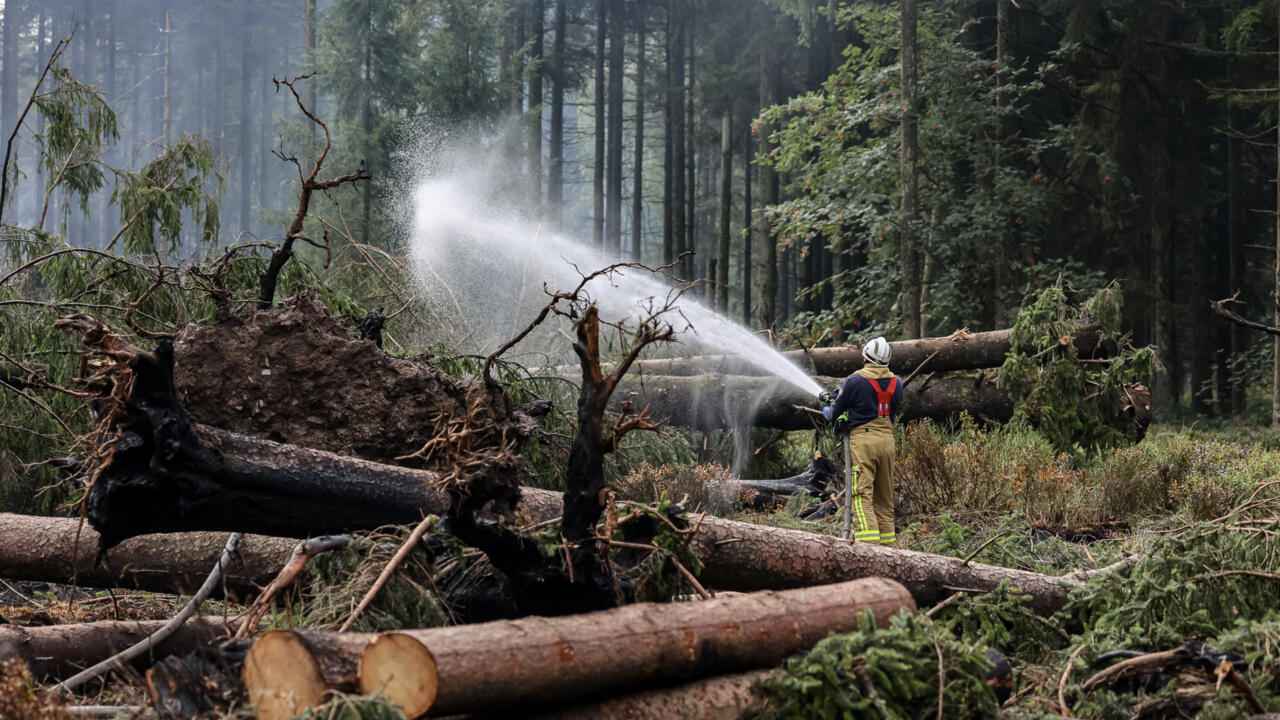
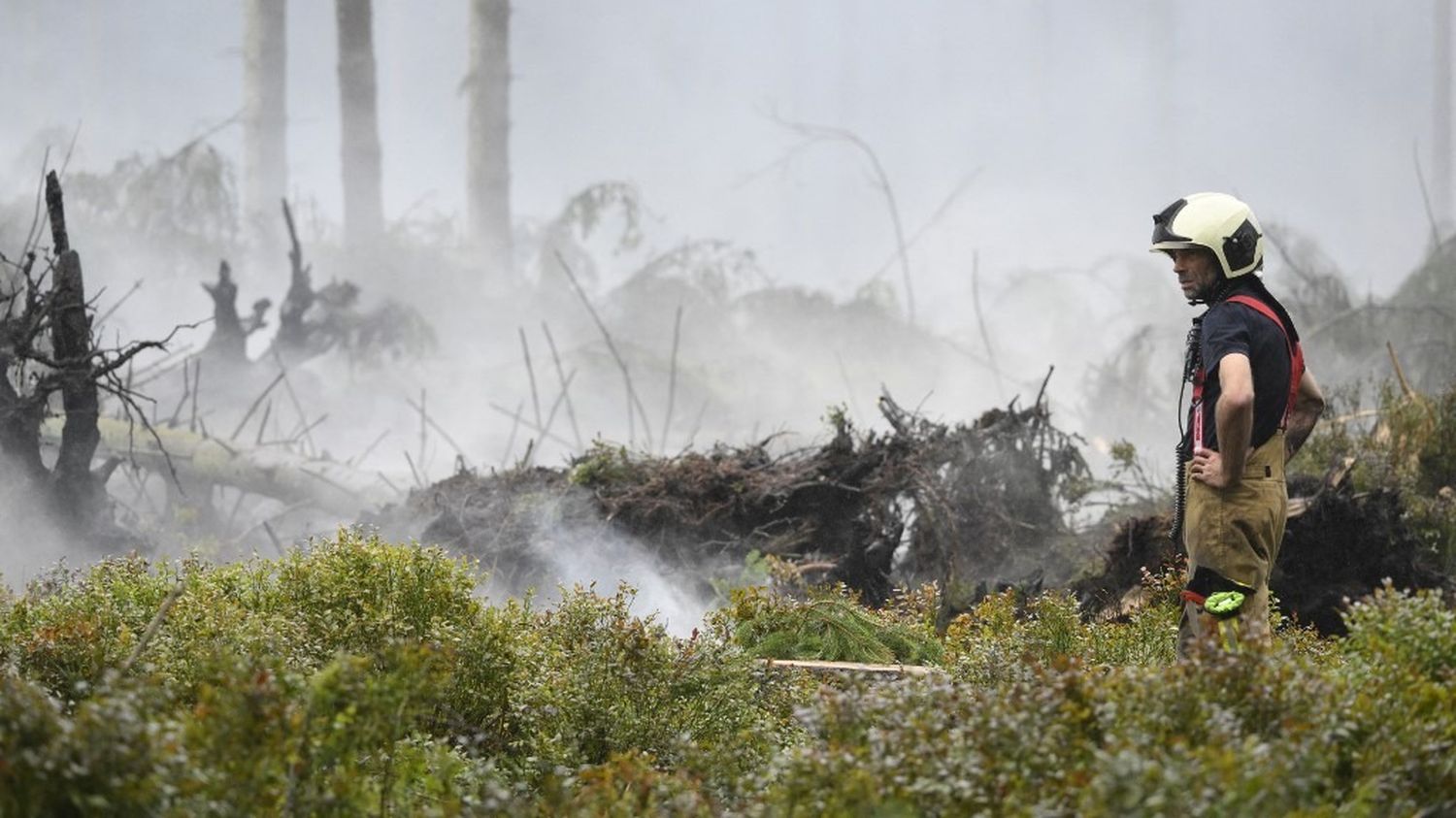
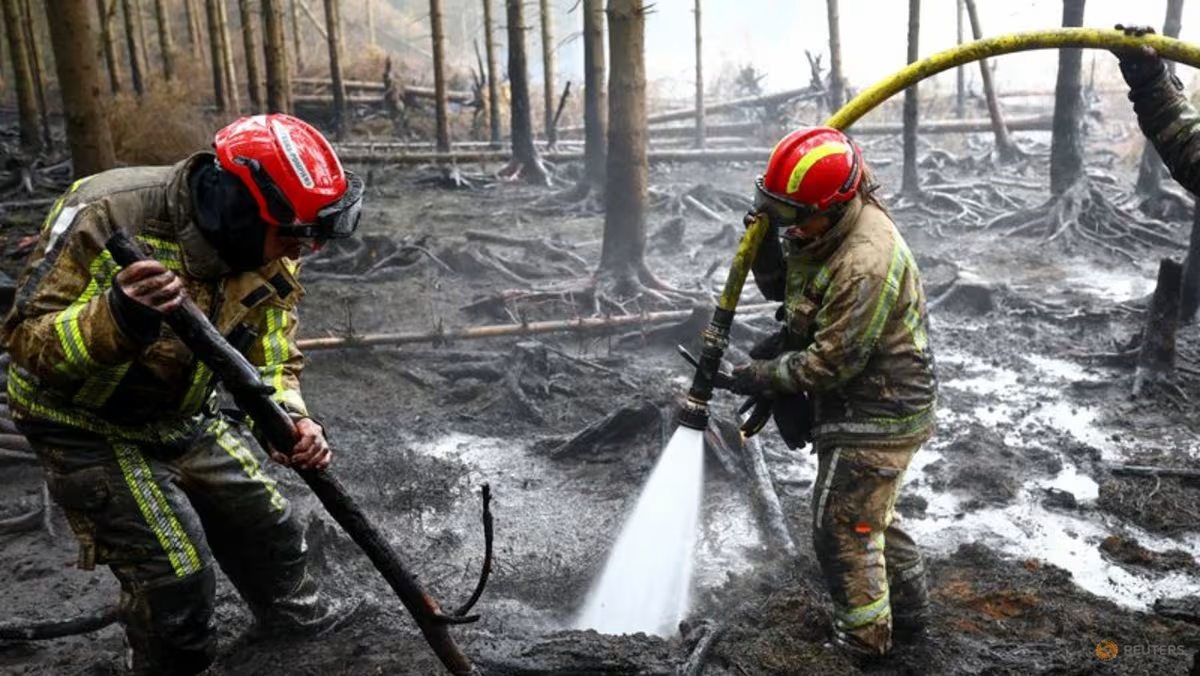
Belgian firefighters work in a forest affected by a wildfire in Waimes, in the High Fens (Hautes Fagnes) region, Belgium, Aug 18, 2026. (Photo: REUTERS/Yves Herman)
20 Aug 2026 01:26AM
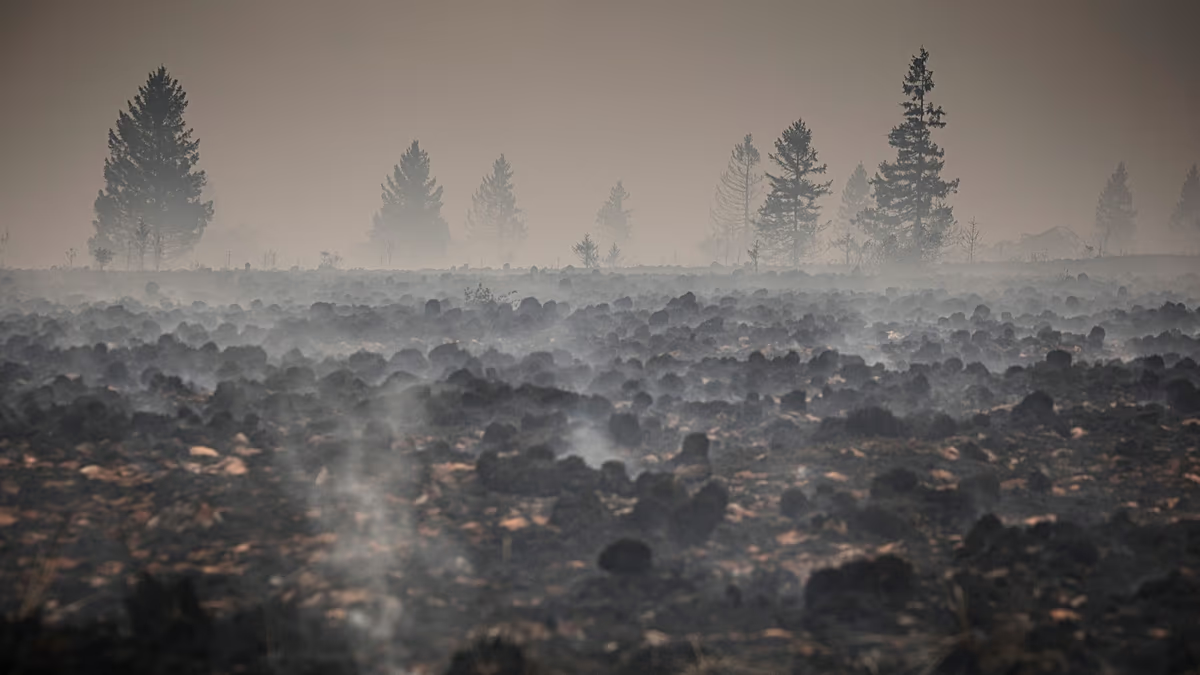
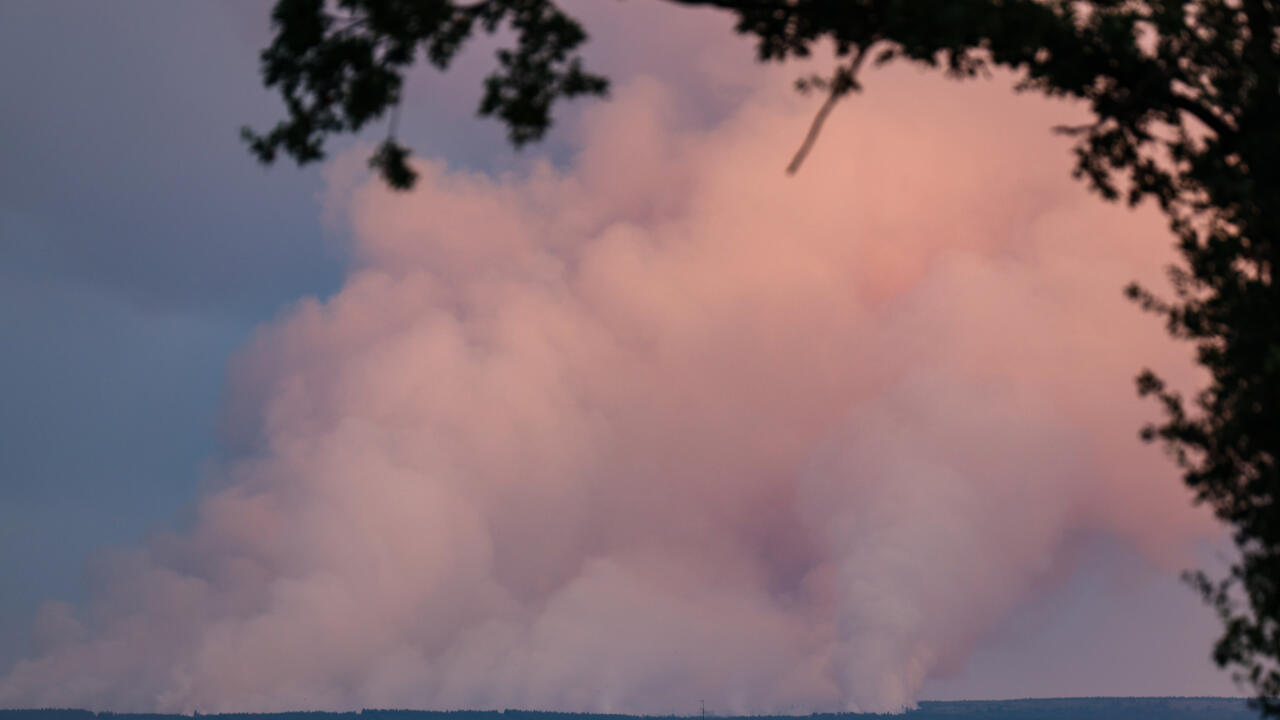
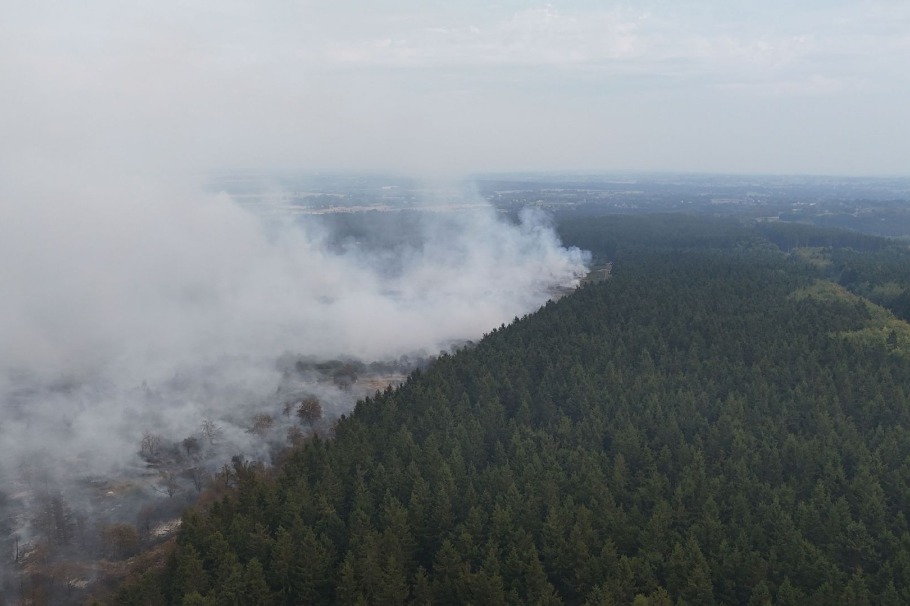
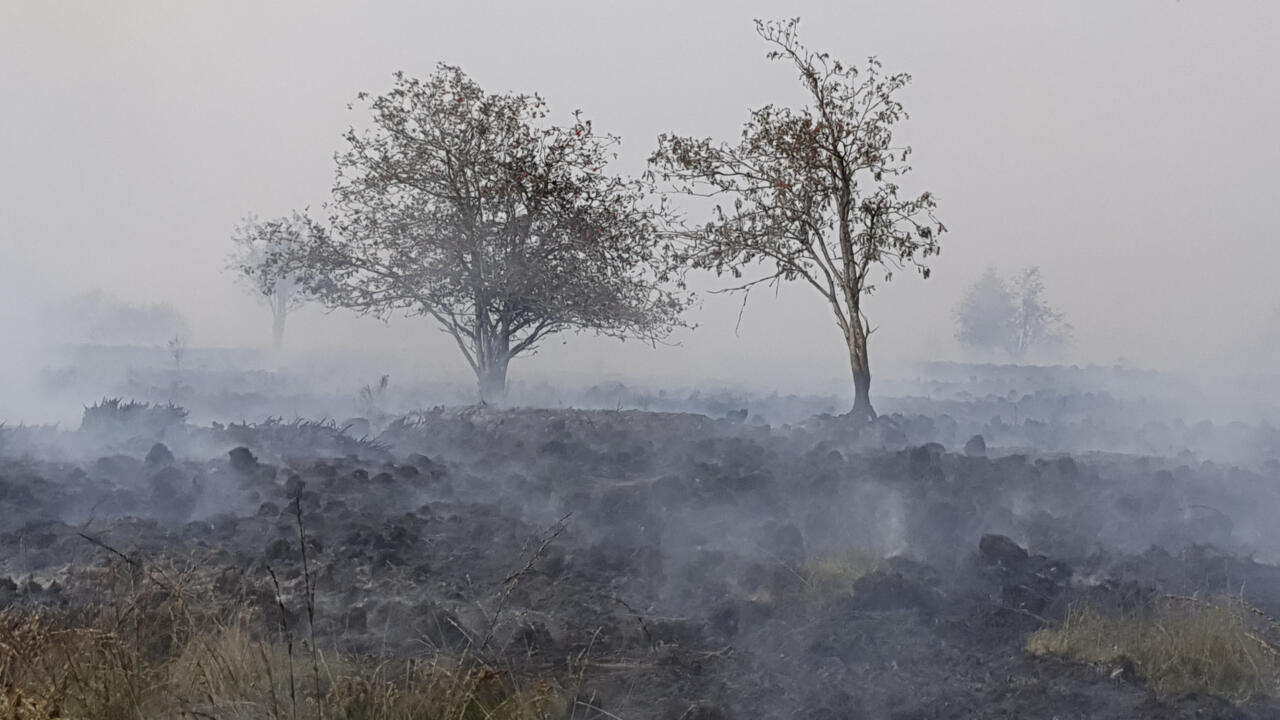
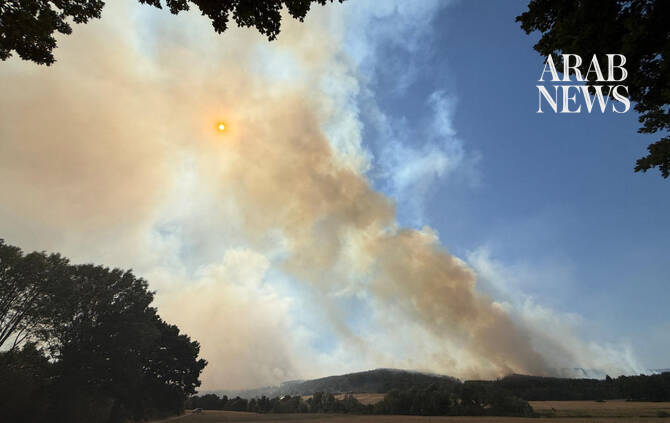
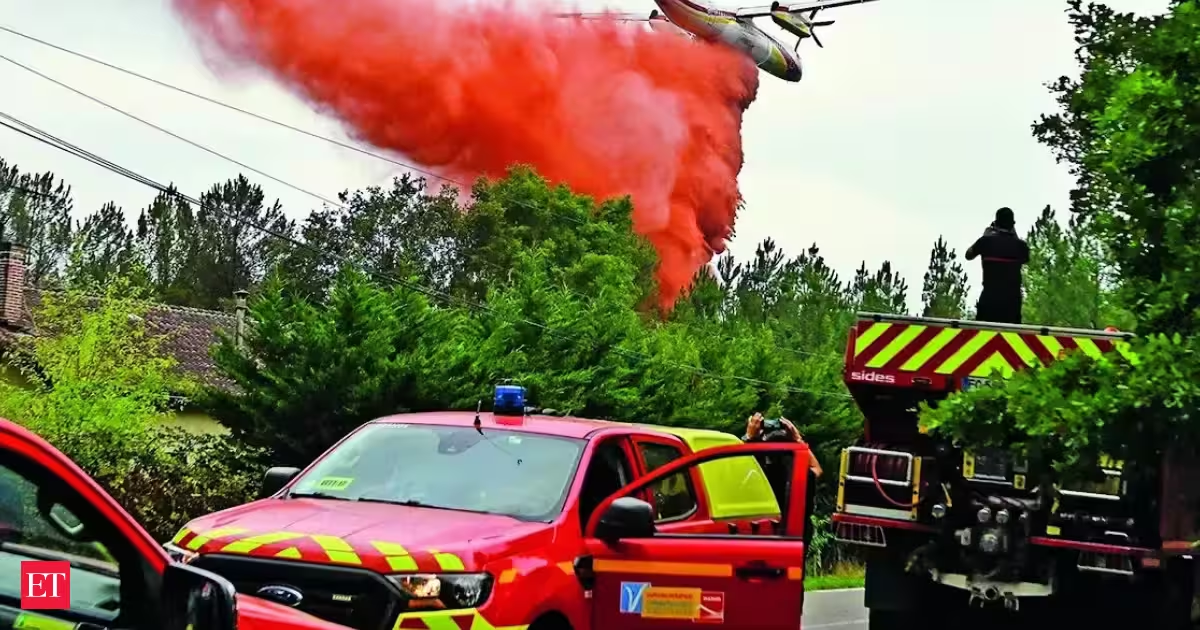
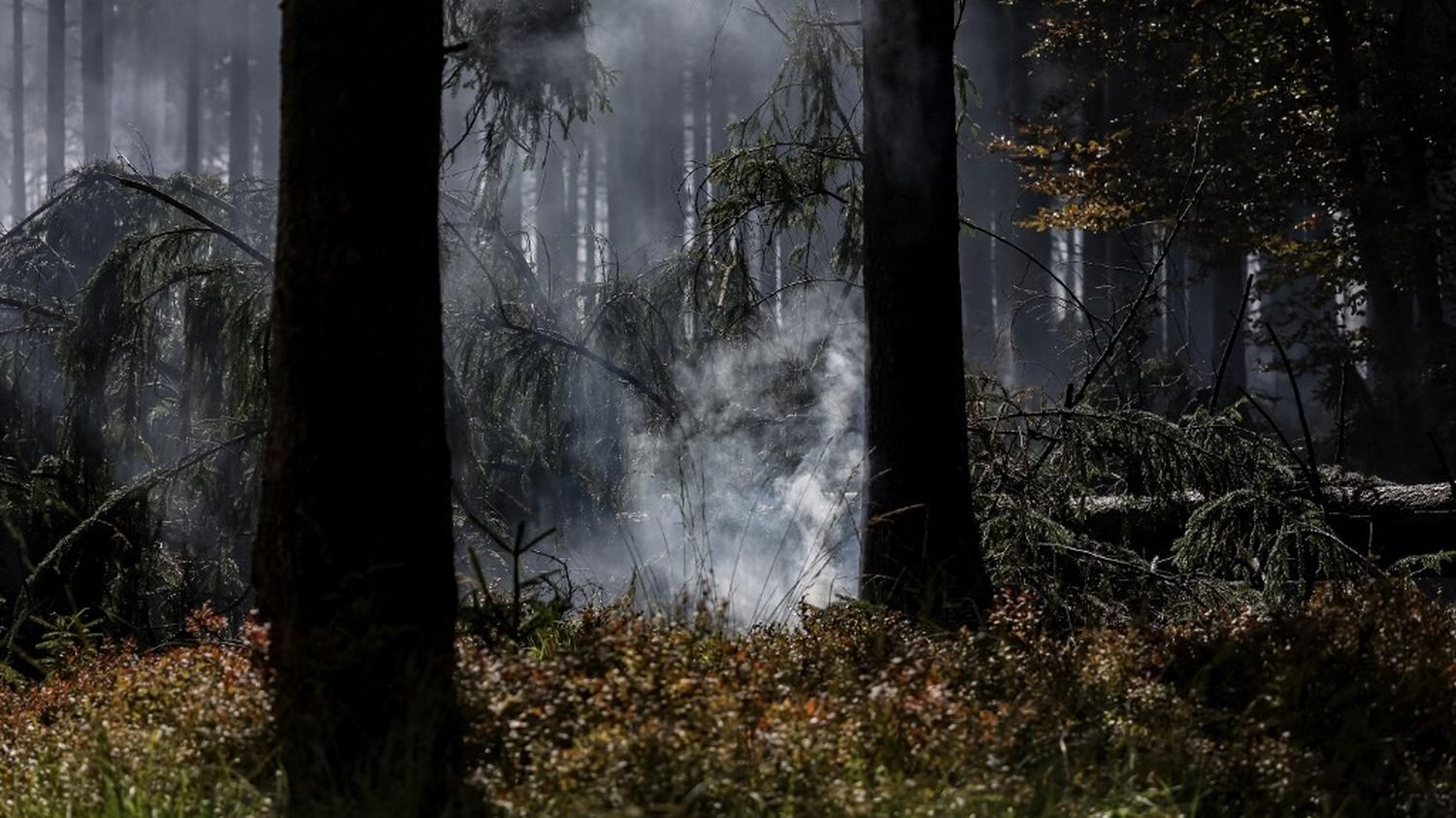
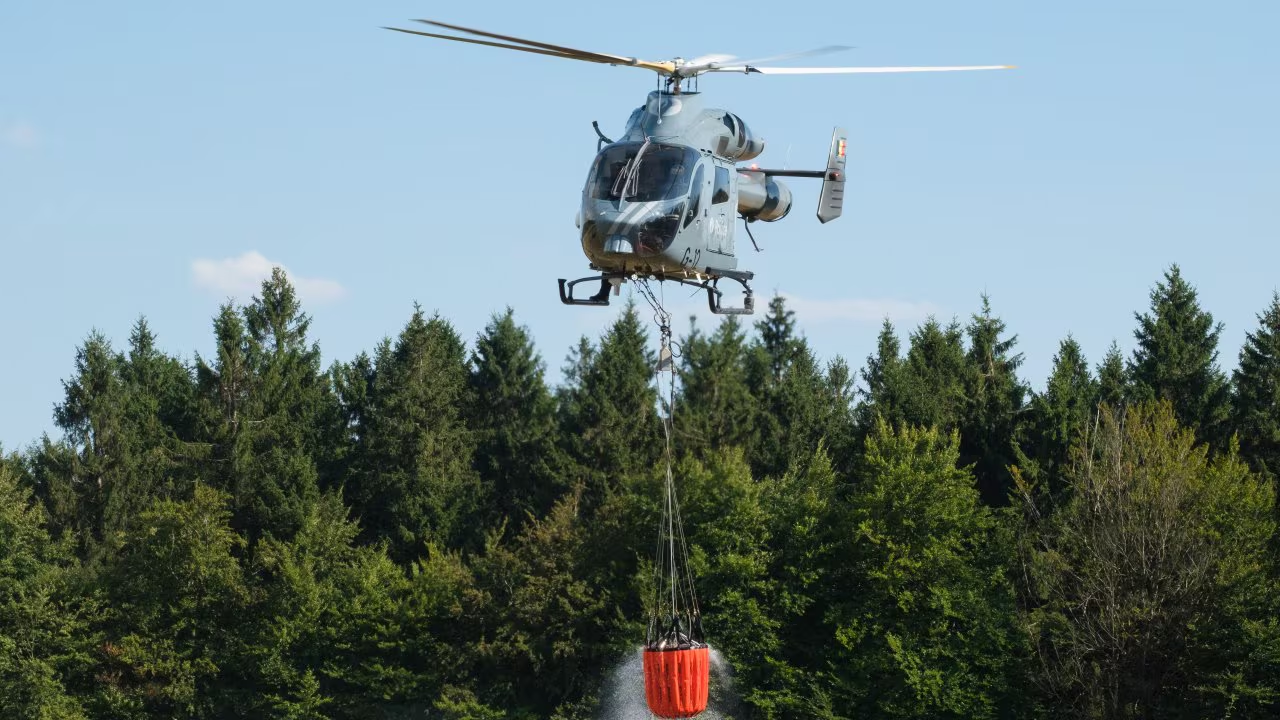
SOURBRODT, Belgium: Authorities in Belgium and Germany on Wednesday (Aug 19) lifted the last remaining evacuation orders in the border region where firefighters appeared to be gaining the upper hand against the massive High Fens wildfire.After being grounded by bad weather, water-dropping aircraft were back out helping to quell Belgium's largest wildfire in a century, after fire crews hacked their way through boggy terrain overnight to fully "encircle" the blaze.Crisis cell spokesman Tony Hosmans told AFP the fire burning since Friday "has been contained and should no longer be able to spread" - after threatening to spill over the German border to the east.New flare-ups were still emerging across the vast site - with the blaze smouldering underground in the peaty soil - but were being "brought under control" one by one, he said, with the next goal to finally tame the fire.Regional government spokesperson Stephanie Ernoux called the latest developments "reassuring", while the local governor's office said it was weighing whether to start scaling back the firefighting deployment on the ground.Villagers in two Belgian hamlets were given the all-clear to return home, while the German town of Monschau also posted a notice telling residents living near the border it was safe to go back.The High Fens fire grew over the weekend to half the size of Manhattan - 3,000 hectares (7,500 acres) - charring a huge expanse of peatland, pine trees and hiking trails, but hundreds of firefighters working night and day managed to stop it spread further.On-site operations have been complicated by the fens' terrain - a patchwork of heath, peat bogs and raised wooden boardwalks.Aircraft flown in from Norway, Germany, Sweden and the Netherlands had been pinned on the ground by low-hanging clouds, but Hosmans said both helicopters and planes were able to resume operations Wednesday and were dropping water on the site.