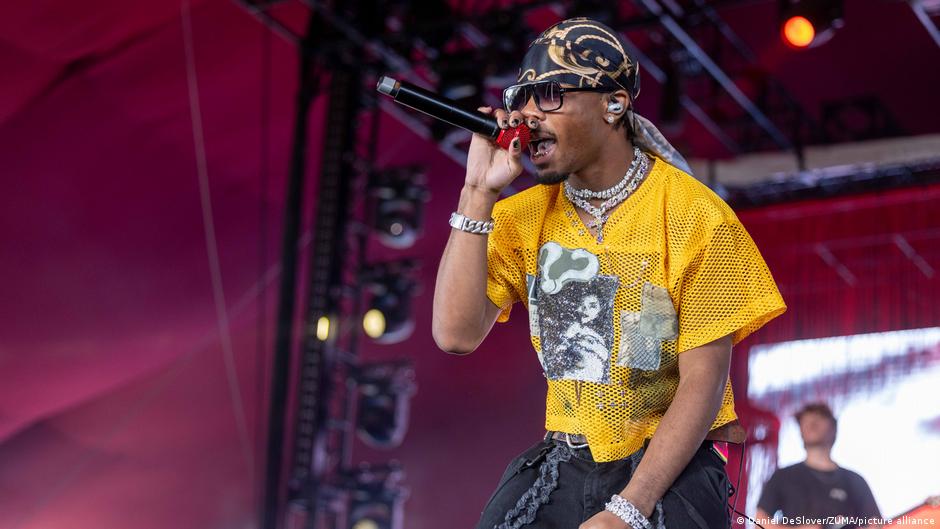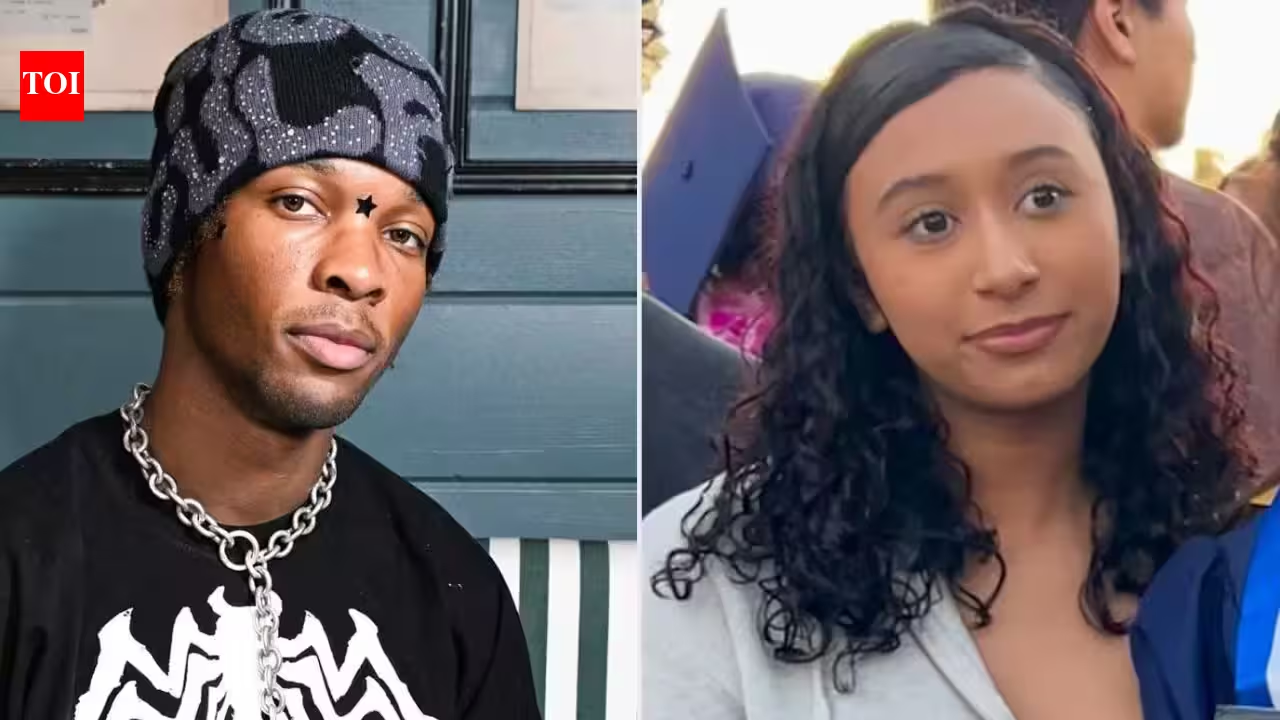
D4vd’s 2023 music video “Rehab” has taken on a disturbing new meaning as the singer awaits trial in the death of 14-year-old Celeste Rivas Hernandez. The animated video depicts a woman being brutally attacked and dismembered, imagery that has prompted renewed scrutiny following D4vd’s arrest. Three animators who helped create the project have now described how the video came together and why they view some of its details differently today.D4vd’s ‘Rehab’ video faces scrutiny after Celeste Rivas Hernandez caseD4vd, whose real name is David Anthony Burke, was arrested in April 2026 and has pleaded not guilty to charges connected to Hernandez’s death. Prosecutors allege he killed the teenager and later concealed her remains. Her dismembered body was discovered inside the front trunk of Burke’s Tesla at a Los Angeles tow facility, according to the case details cited by USA TODAY.The “Rehab” video was released in September 2023. It follows an anime-inspired storyline featuring two versions of Burke’s character, including It4mi, a violent alter ego. The character encounters a brown-haired young woman before attacking her with a sword and severing her arm.That imagery has become a focus for online speculation. Some viewers have pointed to similarities between the animated woman and Hernandez, including her brown hair and star-patterned clothing. Hernandez’s name has also led fans to connect the stars in the character’s jeans with the word “celestial.”But one animator offered an important caution. They said the star jeans were based on a pair they personally owned, rather than a deliberate reference to Hernandez.The distinction matters because the animators say music videos are often produced quickly, with several artists contributing ideas and visual details. Not every element necessarily comes directly from the performer.Animators revisit D4vd’s violent imageryThe artists said they initially viewed “Rehab” as an opportunity to work on a major project. They were not directly familiar with Burke before taking the job and communicated mainly through the video’s director.After news of Hernandez’s death and Burke’s arrest emerged, their perspective changed dramatically.“When I watched that music video again, given the accusation, the arrest, and the crime, I felt such an overwhelming sadness. I just started sobbing because the worst thing that could happen to this young girl who’s no longer with us did happen,” one animator said. “Did this music video play a part in this story?”Another artist acknowledged that the circumstances made the work difficult to revisit.“Had I known what I know now, obviously I wouldn't have had anything to do with this,” the animator said. “But at the time it was just a good opportunity for me.”The video was released one day after Hernandez’s 13th birthday, a detail that has fueled further speculation. Still, the animators stressed that timing alone does not establish a connection between the artwork and the alleged crime.The case has also raised broader questions about how entertainment companies vet disturbing creative material and protect freelance artists. One animator said independent creators often work without formal safeguards.“As people and artists who are just trying to make a living and follow our dreams, we don’t always go through the same vetting process that I’m sure someone like Disney or other major corporations do,” the animator said. “For us, there was no guide to sign a contract or anything. There’s no paper trail of this. We don’t know what goes on in these people’s lives. We’re just trying to pay the bills.”For the animators, the central issue is not whether every image in “Rehab” should be treated as evidence. It is whether the work, viewed alongside the broader case, deserves closer examination.D4vd’s legal case remains unresolved, and the allegations against him have not been proven in court. As proceedings continue, “Rehab” is likely to remain part of the public conversation about where artistic expression ends and potential warning signs begin.
D4vd murder case: Streamer's ‘Rehab’ video now looks chillingly different as disturbing parallels emerge after his arrest
D4vd’s 2023 music video “Rehab” has taken on a disturbing new meaning as the singer awaits trial in the death of 14-year-old Celeste Rivas Hernandez. The animated video depicts a woman being brutally attacked and dismembered, imagery that has prompted renewed scrutiny following D4vd’s arrest.
631 words~3 min read