The dwindling shield and the regional security equation
Short Url
https://arab.news/zv6xq
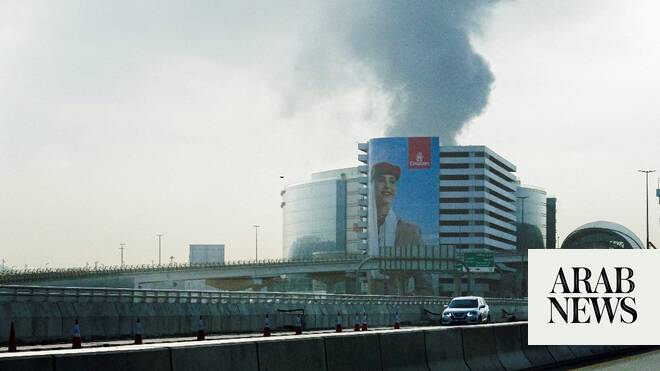
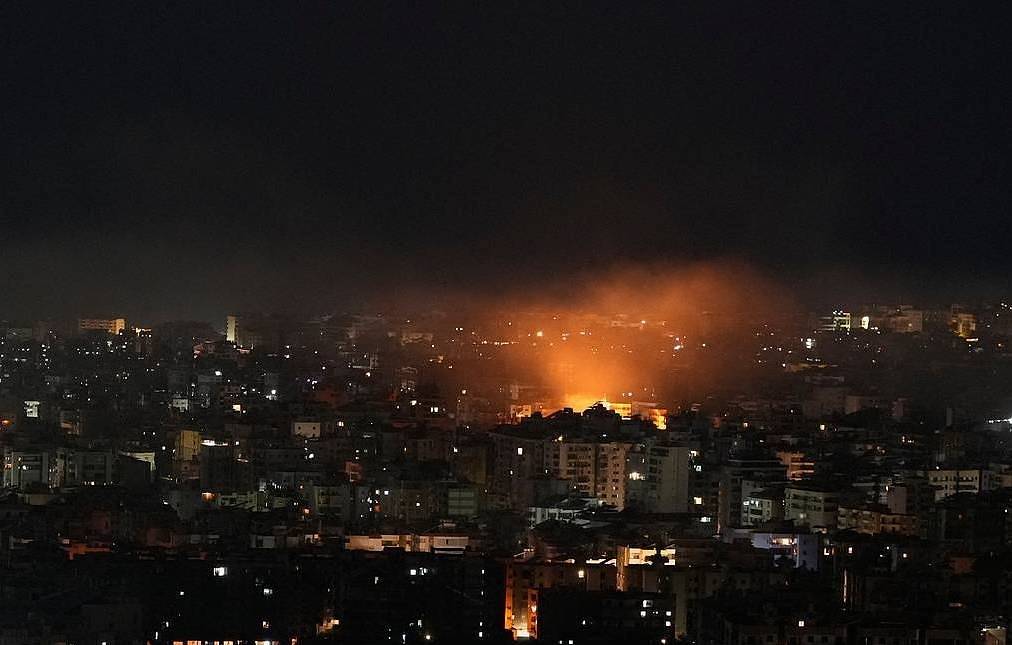
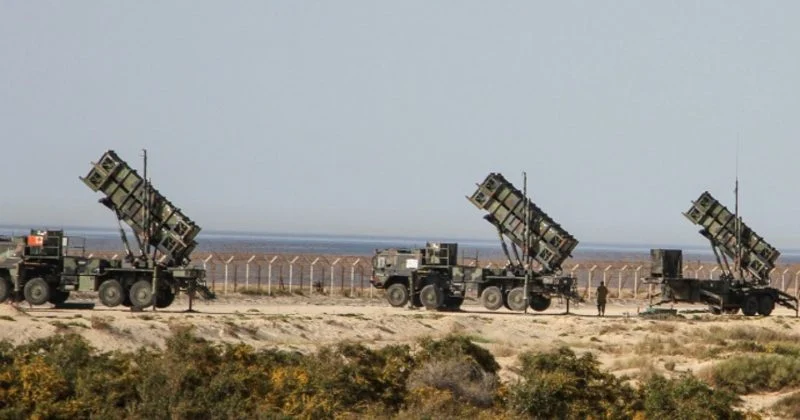
From late February, Iran launched a sustained ballistic missile and drone campaign against targets across the Gulf. Within hours, Patriot and THAAD batteries across the region were engaged. The UAE said its air defenses intercepted 537 ballistic missiles, 2,256 drones and 26 cruise missiles between Feb. 28 and early April. Saudi Arabia, meanwhile, reported 894 intercepted aerial threats between March 3 and April 7, including 86 ballistic missiles and nine cruise missiles. The Kingdom expended about 2,400 PAC-3 interceptors in the conflict’s first 38 days, equivalent to 86 percent of its pre-war inventory.
The systems proved effective, but the scale of their use has raised questions about the sustainability of Gulf air-defense capabilities in a prolonged conflict. The answer offered by Washington has been unambiguous. Facing an estimated depletion of 65 percent of its Patriot interceptor stockpile and 38 percent of its THAAD reserves, the US redeployed batteries from South Korea to the Middle East over Seoul’s objections, and awarded Lockheed Martin a $58.6 billion contract to scale PAC-3 production from 600 to 2,000 units annually. Congress assessed the interception rate against Iranian ballistic missiles at about 90 percent.