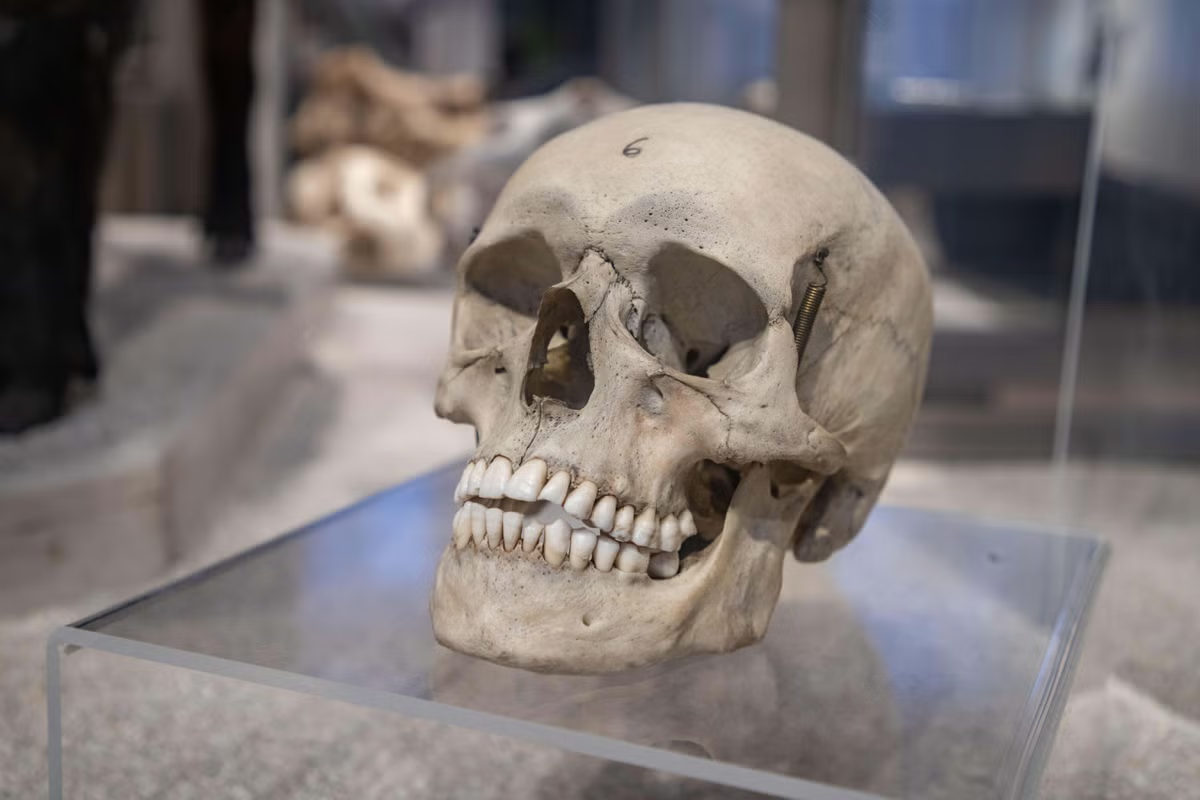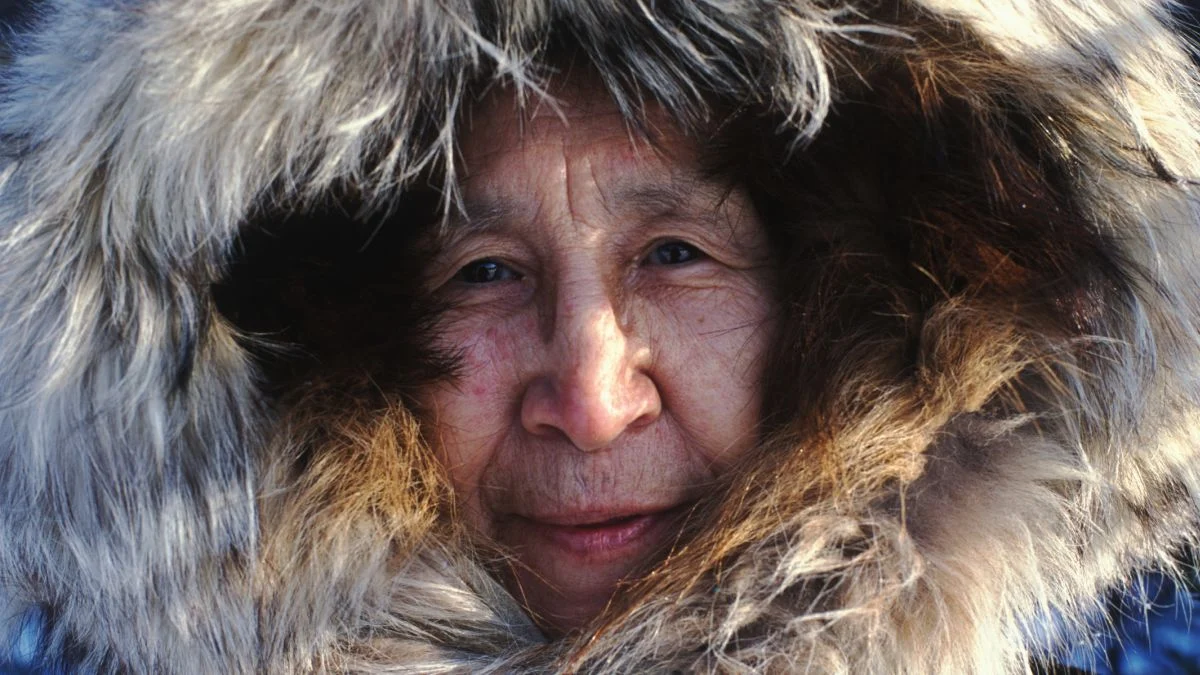
The Jomon show signs of some genetic adaptations similar to those found in Greenlandic Inuit. (Alison Wright/Corbis Documentary/Getty Images)
When you think about it, it seems remarkable that humanity is still here.Over the last few hundred thousand years, the world has changed a lot, sometimes in ways that might seem difficult for evolution to keep pace with.Yet our species is remarkably resilient, repeatedly finding ways to survive changing conditions – through culture, technology, and even genetic changes.Humanity is still evolving – and the genetic adaptability that allows us to thrive around the world today may have also contributed to past success, according to new genetic research from a team led by Yusuke Watanabe and Yoshiki Wakiyama of the University of Tokyo.They analyzed genomes from 42 Jomon hunter-gatherers who lived in the Japanese archipelago, finding multiple genetic signatures consistent with adaptations to cold conditions in their much older ancestors."Our study provides one of the first paleogenomic frameworks for investigating ancient adaptations in Upper Paleolithic East Eurasians," the researchers write in a paper published in Science Advances, "revealing an evolutionary legacy from a colder past in present-day humans."