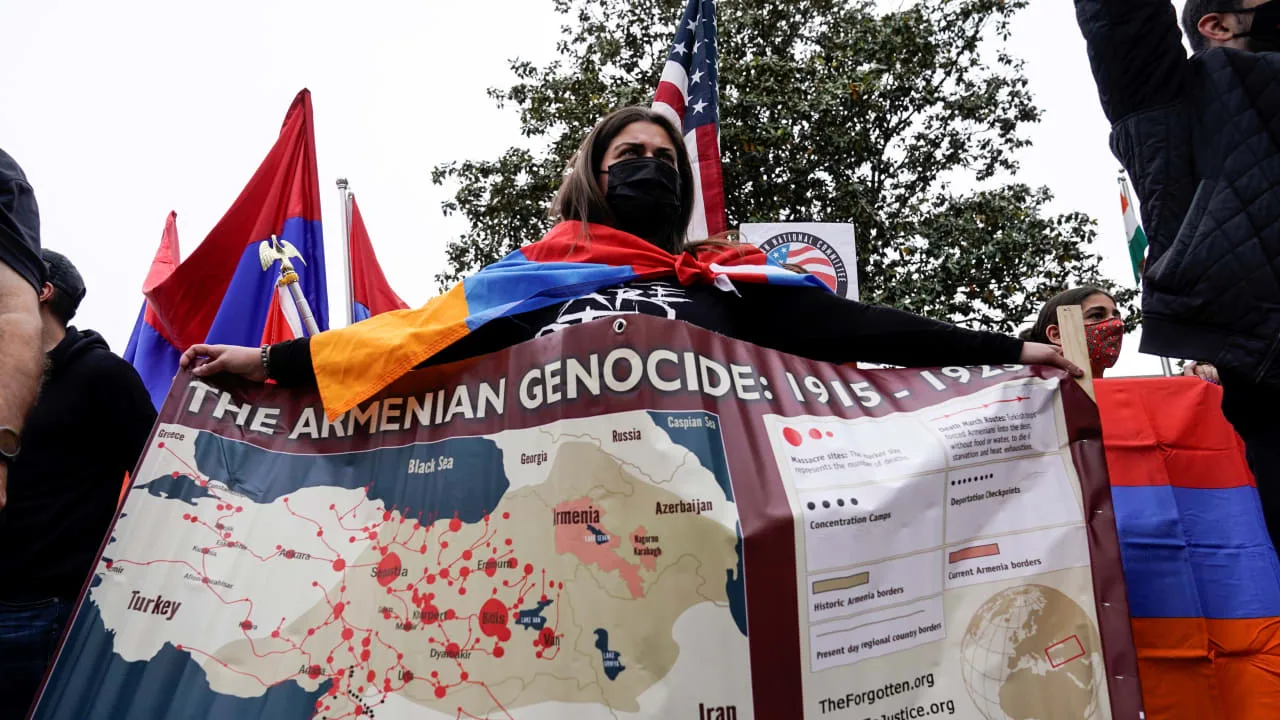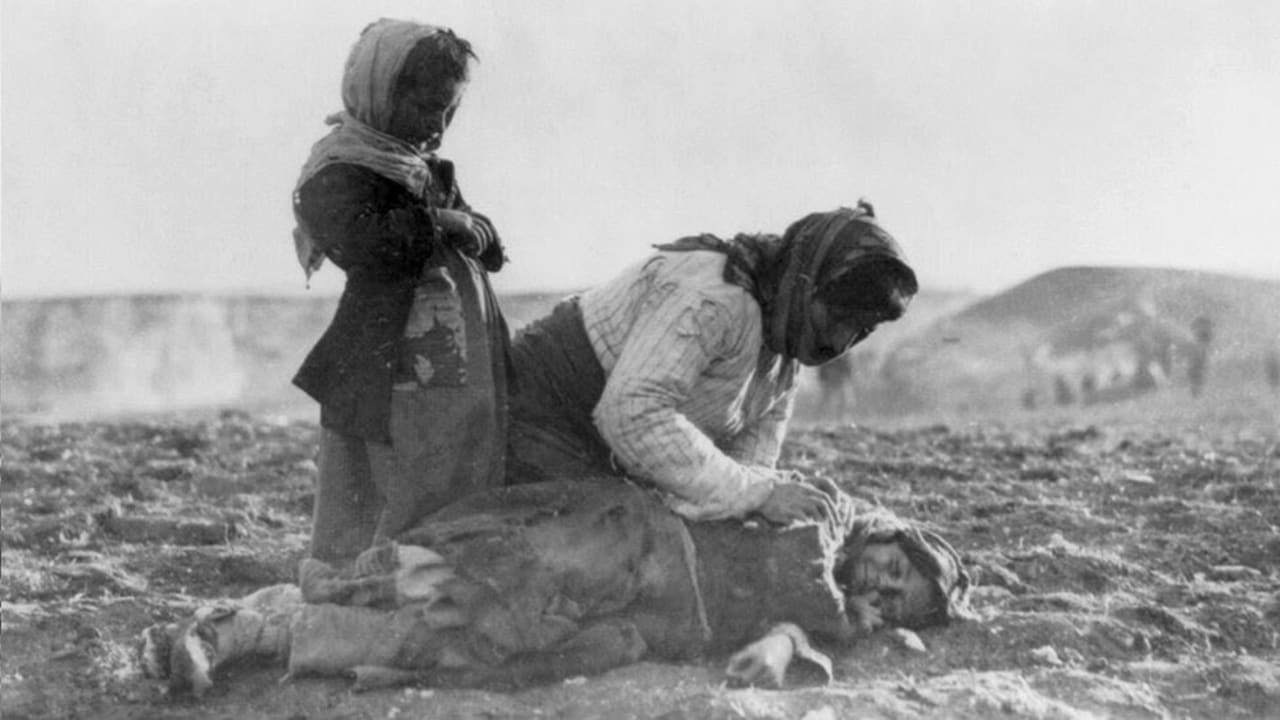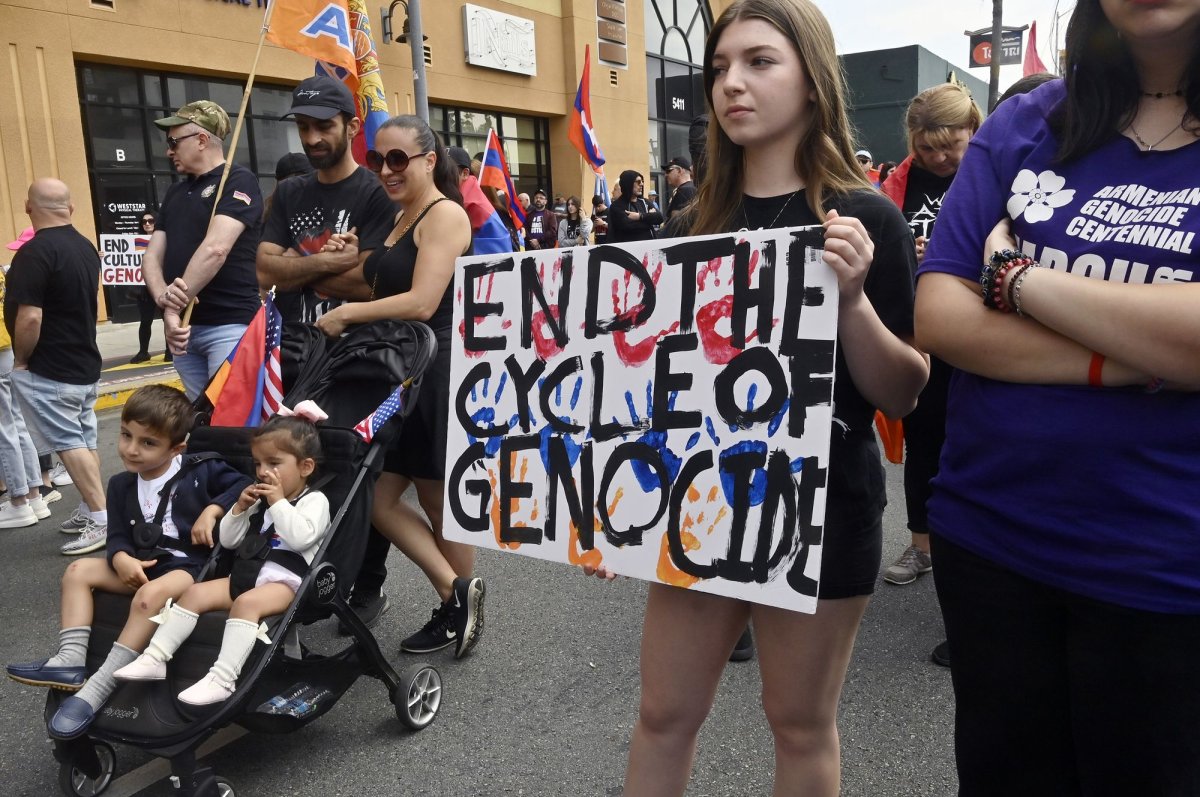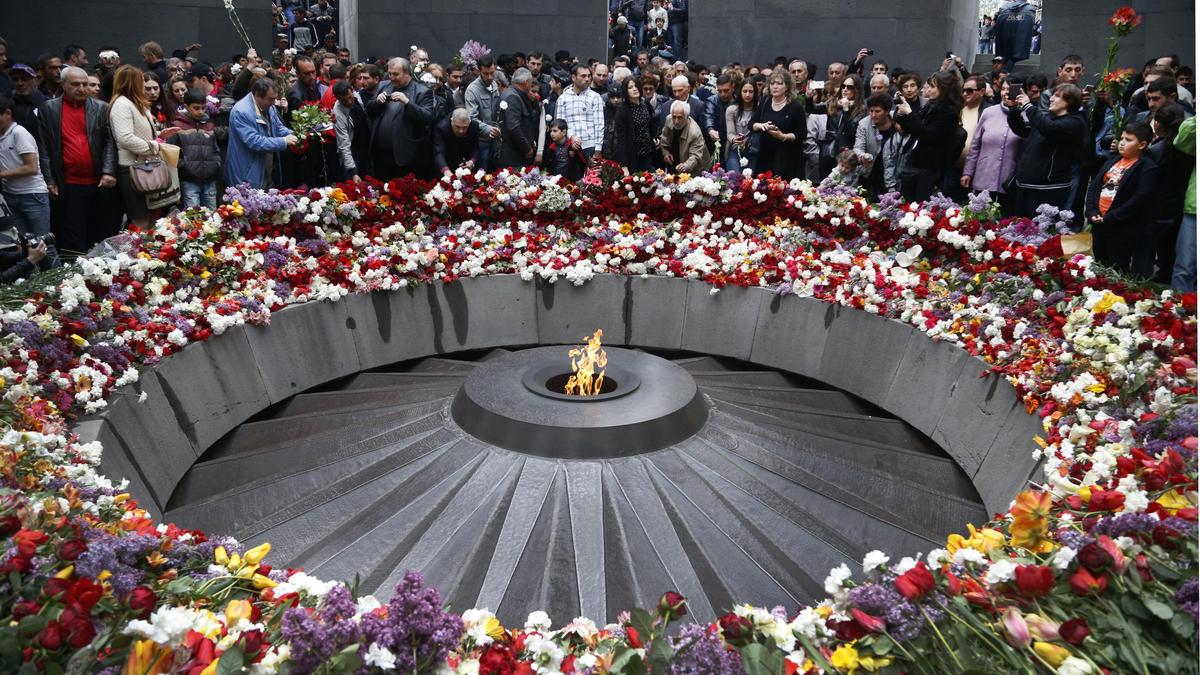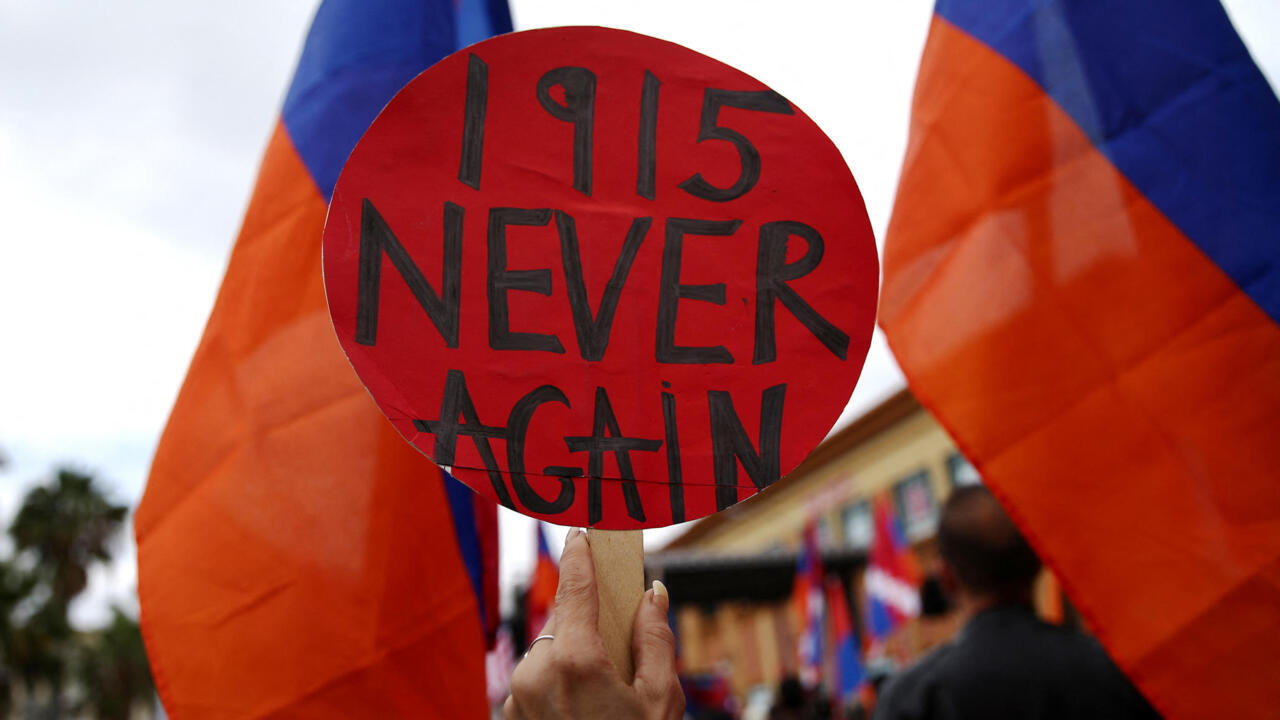
In 1915, the Ottoman Empire began the systematic deportation and massacre of its Armenian population. As many as 1.5 million Armenians were killed – widely regarded by historians as the twentieth century's first genocide, and the event for which the term was later coined. Stephan Pechdimaldji, the grandson of two of the survivors, spoke to RFI about why recognition still matters.
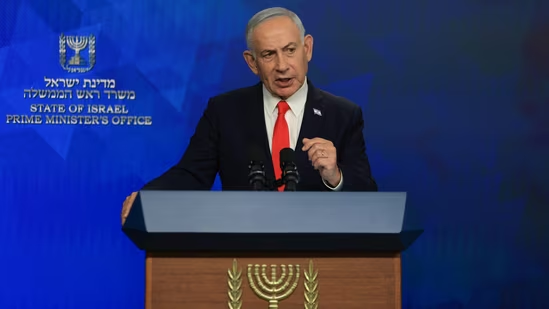
Turkey acknowledges there were mass deaths but rejects the term "genocide", and has lobbied for a century against its recognition as such. Around 35 countries, France among them, have formally recognised the Armenian Genocide. Israel appeared poised to join them this year, until fierce protests from Azerbaijan – Turkey's closest ally and a major supplier of Israeli oil – led the Israeli parliament to postpone the vote indefinitely. Stephan Pechdimaldji, an Armenian-American activist, is the descendant of survivors of the genocide. RFI: Stephan, your grandfather survived the Armenian Genocide, can you tell us his story? Stephan Pechdimaldji: My grandfather was born in 1900 in Yozgat, in modern-day Turkey, so he was 15 when the genocide started. His father and brother were taken by Turkish soldiers and were never seen again. His mother had to hide him, because that's what they would do – they would go to your home and take away the men. He escaped, fled Turkey, ended up in Aleppo in Syria, and finally settled in Egypt. My grandmother was from Smyrna, now Izmir. She also fled the persecution and settled in Egypt, and that's where my grandparents were married.