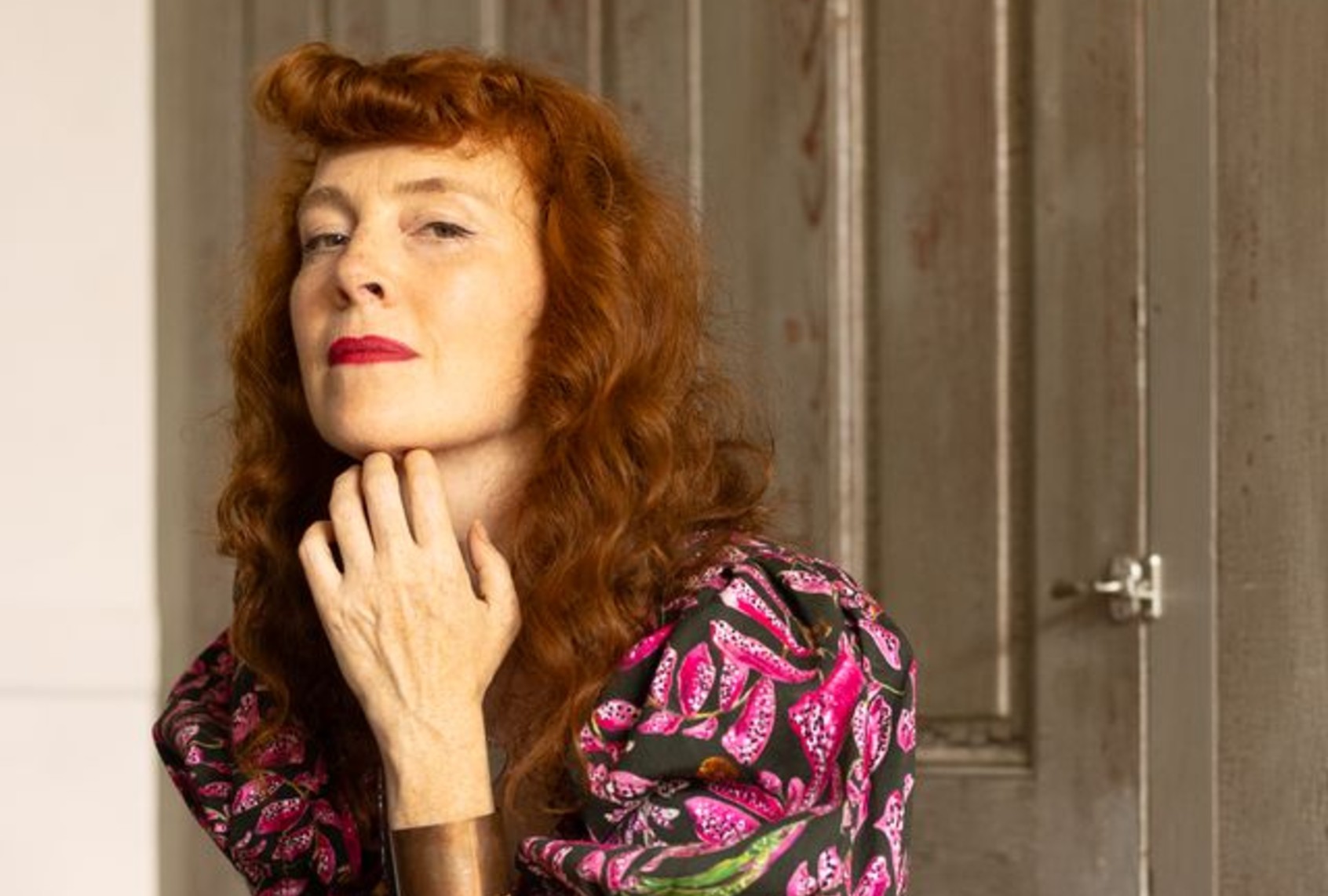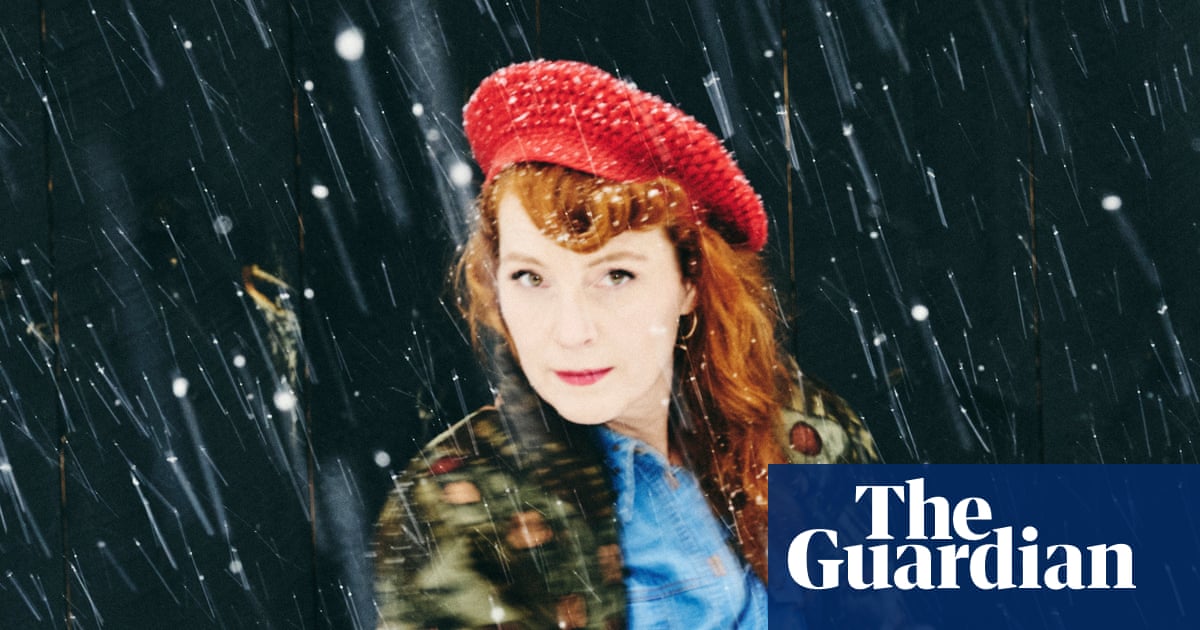
Reconciling with the past is hard when there are reminders scattered all around you. Nobody knows this better than Australian musician Ella Hooper. To a generation of fans, she will forever be the spirited young girl who rose to fame in the late ’90s as the lead singer of rock band Killing Heidi.By 2000, at just 17, she’d already made the cover of Rolling Stone Australia. It was an era when bands could get noticed on community radio stations and go on to become certified rock stars. For Killing Heidi, it culminated in their debut album, Reflector, soaring to the top of the ARIA charts.That meteoric rise coincided with a legendary spot on the Big Day Out festival line-up, also in 2000, where headliners the Red Hot Chili Peppers famously declared to their sweaty, adoring fans that they wanted to meet Ella Hooper backstage. Little did they know she was in the mosh pit with her friends.Hooper shot to fame alongside her brother Jesse, two years her senior. That brief period has defined the rest of their lives, and it’s taken Hooper many years to make peace with it. The dreadlocks, bandeau top and tight pants she sported in the early 2000s create less internal cringe these days as she’s learnt to look more kindly on those images of her past.Now 43, Hooper has traded rock posturing for rootsy Americana and is considering relocating to Nashville to give her boot-scooting passion a rightful crack. “The bombshell is I was never a rocker,” says Hooper, “so returning to country music makes absolute sense. I’ve listened to country since I was about 15.”Now, following the death of both her parents, Hooper has allowed herself space to grieve and is leaving no stone unturned in a mission to land where she feels most at home.She has no regrets about the 2000s either. “I absolutely loved being in a rock band. It shaped me, but song-wise it’s never been a genre I gravitate towards. I’m not claiming to be the world’s most authentic Americana singer, but it’s a genre that fits like a glove for me.”Indeed, it was the songs of American “highway women” such as Linda Ronstadt, Bonnie Raitt, Emmylou Harris and Lucinda Williams that inspired her to sing in the first place.Stylist’s own shirt. Zara jeans. Ella’s own belt. Route 66 boots.Jedd CooneyBorn and raised in regional Victoria’s Violet Town, population 950, Hooper went from a quiet country life to stardom rather quickly thanks to a song, Kettle, she wrote in the mid-’90s. It was noticed by Triple J, which in turn led to a major label deal. (Her life at Benalla High School is forever marked by the day she was taking the school bus home when Killing Heidi’s hit song Weir came on the radio, to much applause.)Her father, Jeremy, loved English literature and listened to Bob Dylan and Neil Young, igniting a love of language. He also owned a huge vinyl collection that laid the foundations of his daughter’s tastes, while mum Helen’s record collection was filled with Buffy Sainte-Marie and Eva Cassidy.“The music that had the biggest impact on me was American singer-songwriter Iris DeMent,” says Hooper of those formative years. “Every song of hers is etched in my soul. She is the most underrated writer in the world – I put her up there with Bob Dylan.”But starting Killing Heidi with brother Jesse, and the almost instant stardom that came with it, meant hitting pause on her dream of being a country music artist. “I often really struggled with the fame that came my way,” she admits. “I didn’t even have my periods when the band started. I was literally a child. The music was of its time – a sound that was a cultural moment. It was never meant to be an ongoing legacy, musically speaking, but it became that.”When Killing Heidi came to an end in 2006, Hooper needed to take a step back. When she released her debut solo album, In Tongues, in 2014, it was the first time she’d written songs without her brother. But it was still essentially a rock record. Hooper’s watershed moment came during a wellness retreat in Lombok with her mother in 2017.“I was at a point in my career where I wasn’t really doing anything and didn’t have much money,” she says. “I was trying to get into hosting work on radio and TV, but chose the worst back-up career – it was just as dicey. There are a lot of tightly held positions in Australian media and not many openings. I wasn’t exactly having an easy time in my career, but I had this itch to do something.Zara jacket and jeans. Bianca Spender
After Killing Heidi, Ella Hooper was at a crossroads. Then a magazine washed up on a beach
Now 43 and after a few years marred by tragedy, the one-time teen rock goddess is back with a new sound.
1,608 words~7 min read