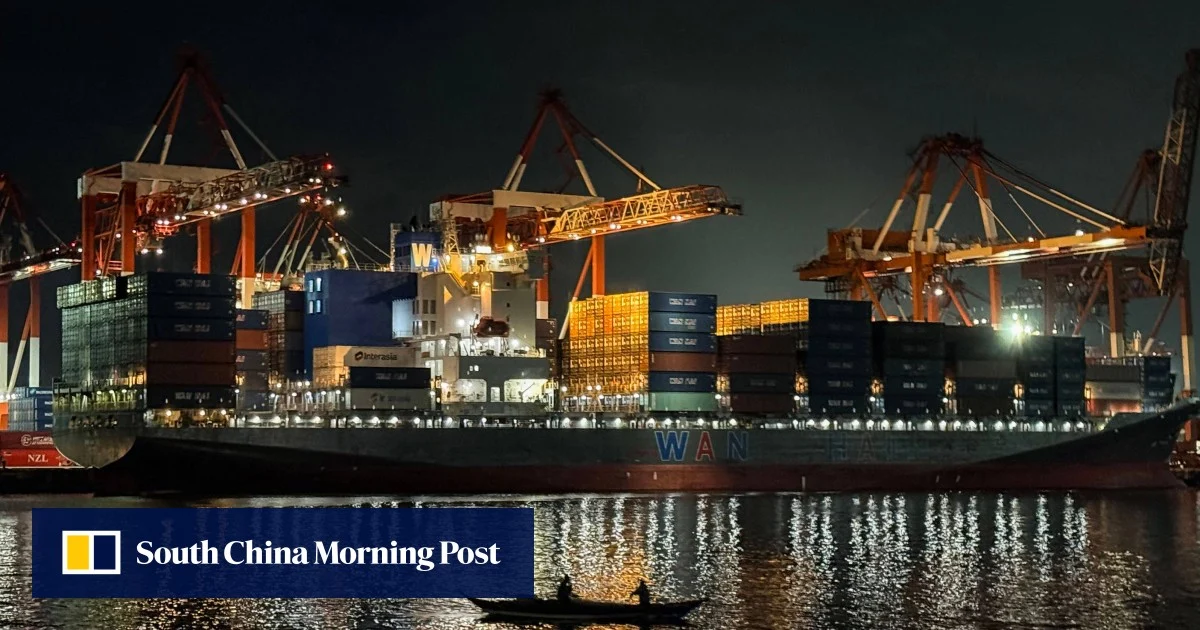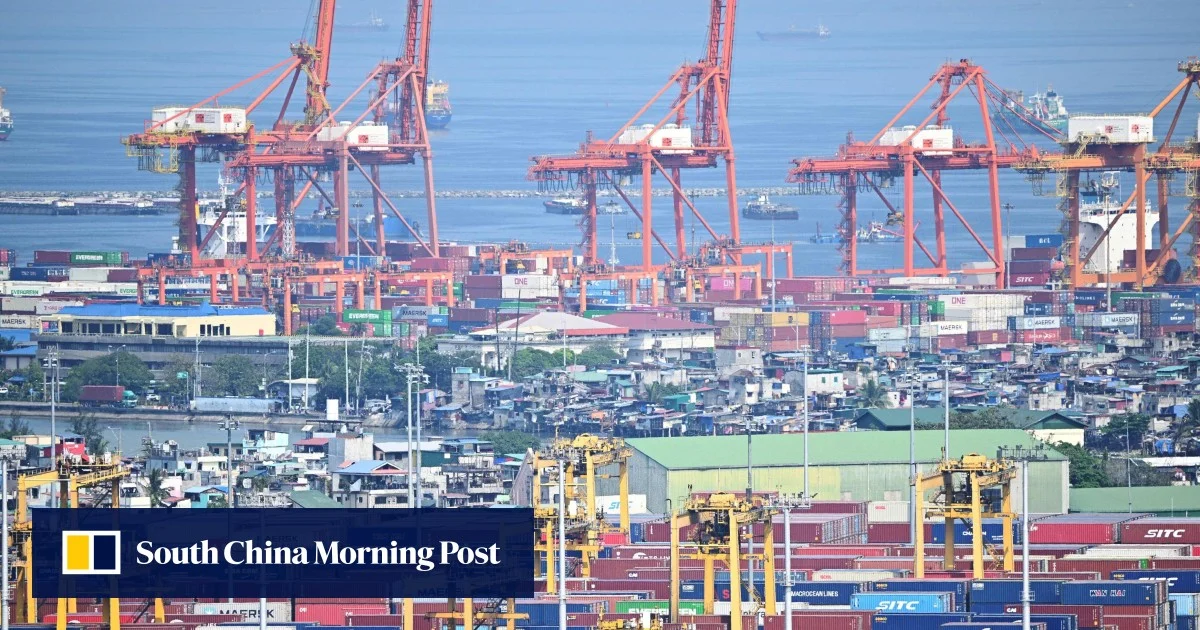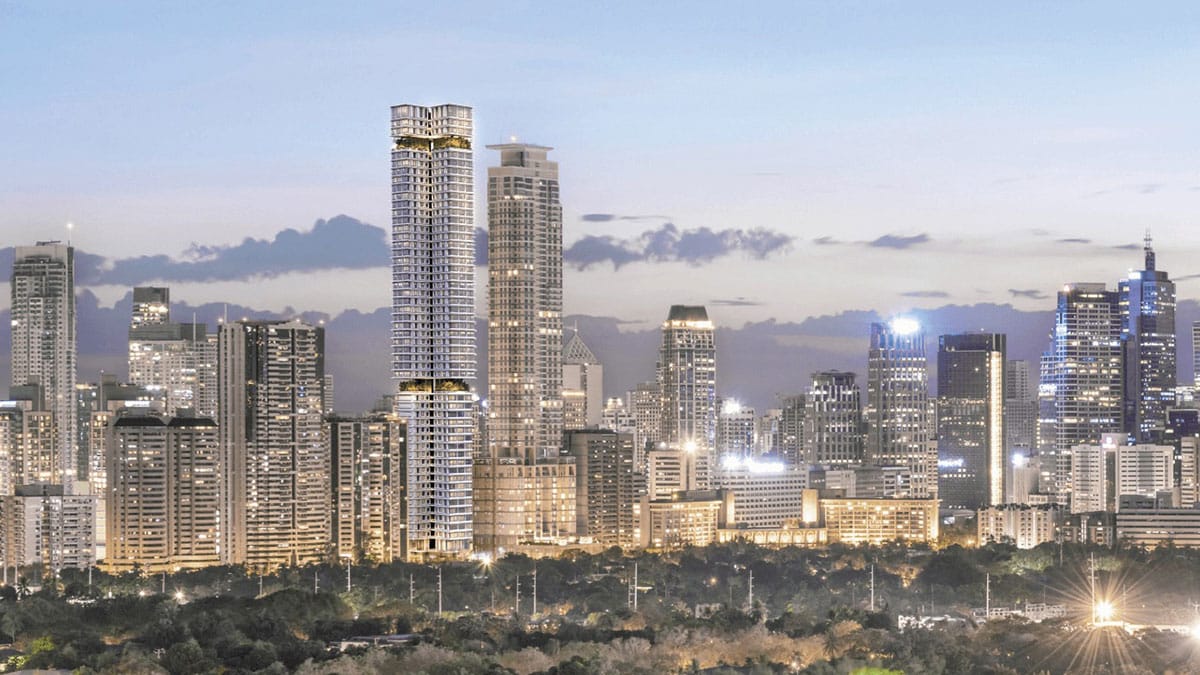
MANILA, Philippines — Southeast Asia had a strong year for foreign investment in 2025, with regional inflows passing $240 billion, up from roughly $222 billion. According to the United Nations Trade and Development’s figures, the Philippines moved the other way, easing around 4 percent to $9 billion and holding sixth place for another year.
The classification tables tell a different story. In July, the World Bank moved the Philippines to upper-middle-income status, ending close to four decades in the lower-middle-income group, on gross national income per capita of $4,850 against a threshold of $4,636. Its reasoning matters more than the milestone: broad-based expansion, with growth averaging 5.8 percent a year over five years across all major industries rather than one sector boom. That is not a claim about household prosperity, which is longer and harder work, but about the composition and durability of growth, which is what a long-term allocator assesses.
Capital also rotates rather than spreads evenly, concentrating on a theme and a market until the relative opportunity narrows, then moving on. Vietnam has had a manufacturing relocation cycle, Indonesia a resources and down-streaming cycle, the Philippines the outsourcing buildout that created an export industry from nothing in the 2000s. The question is never whether a market can attract capital, but what the next cycle is made of and whether the country is ready. Three areas suggest it is.