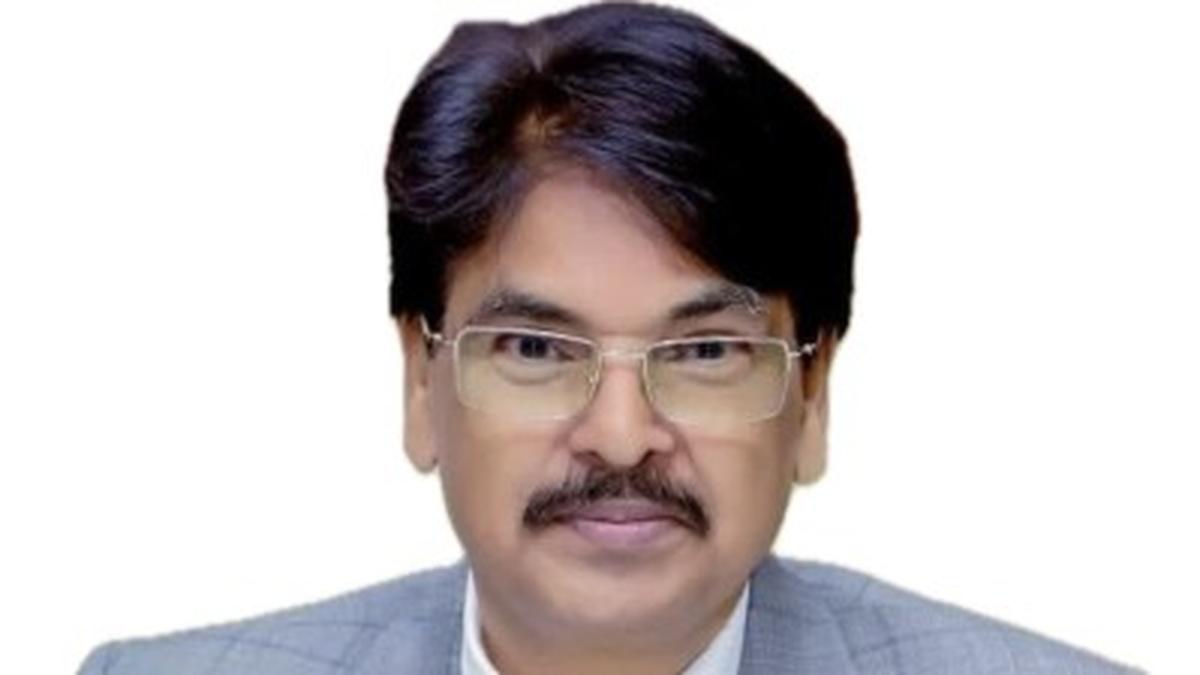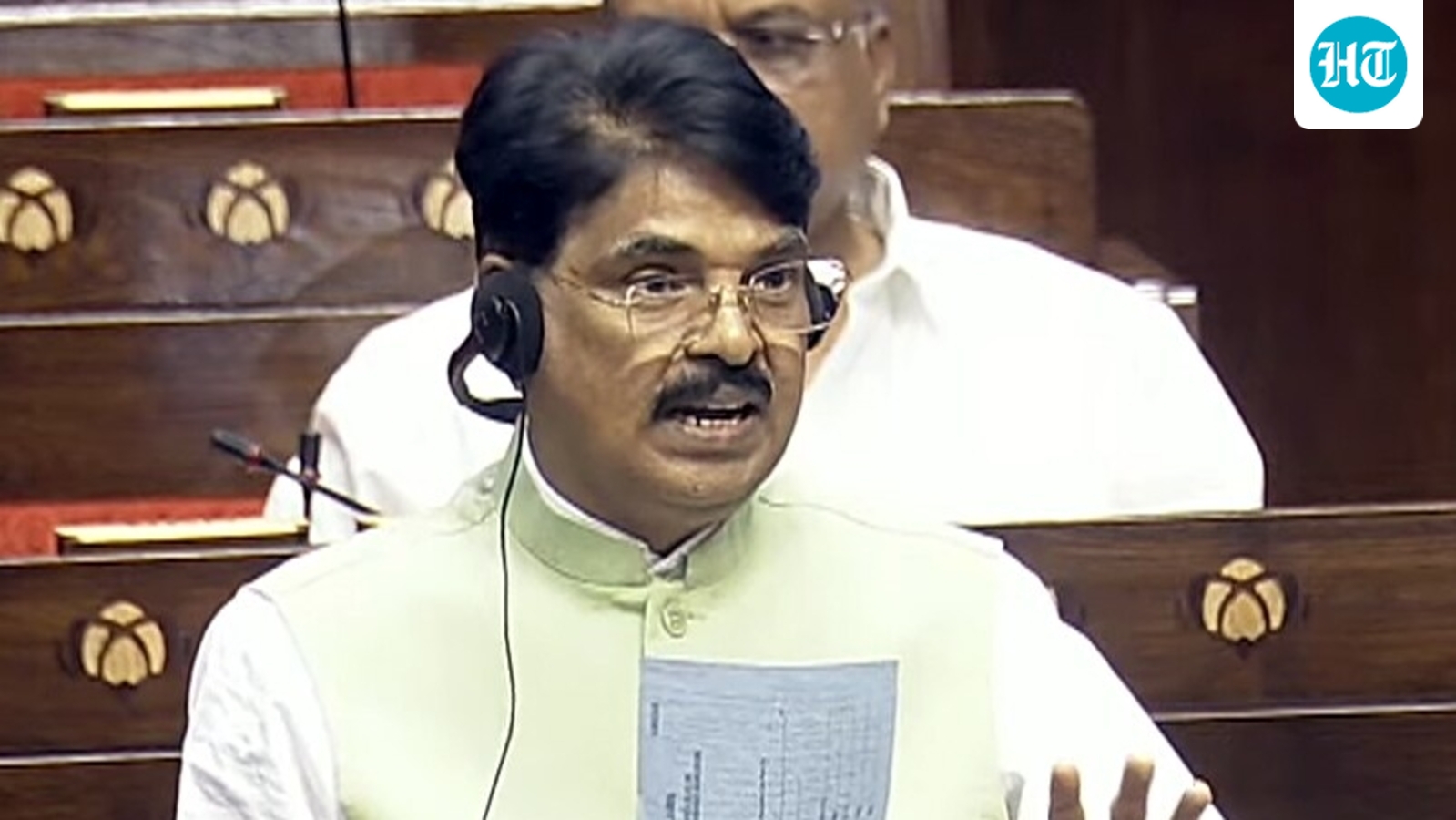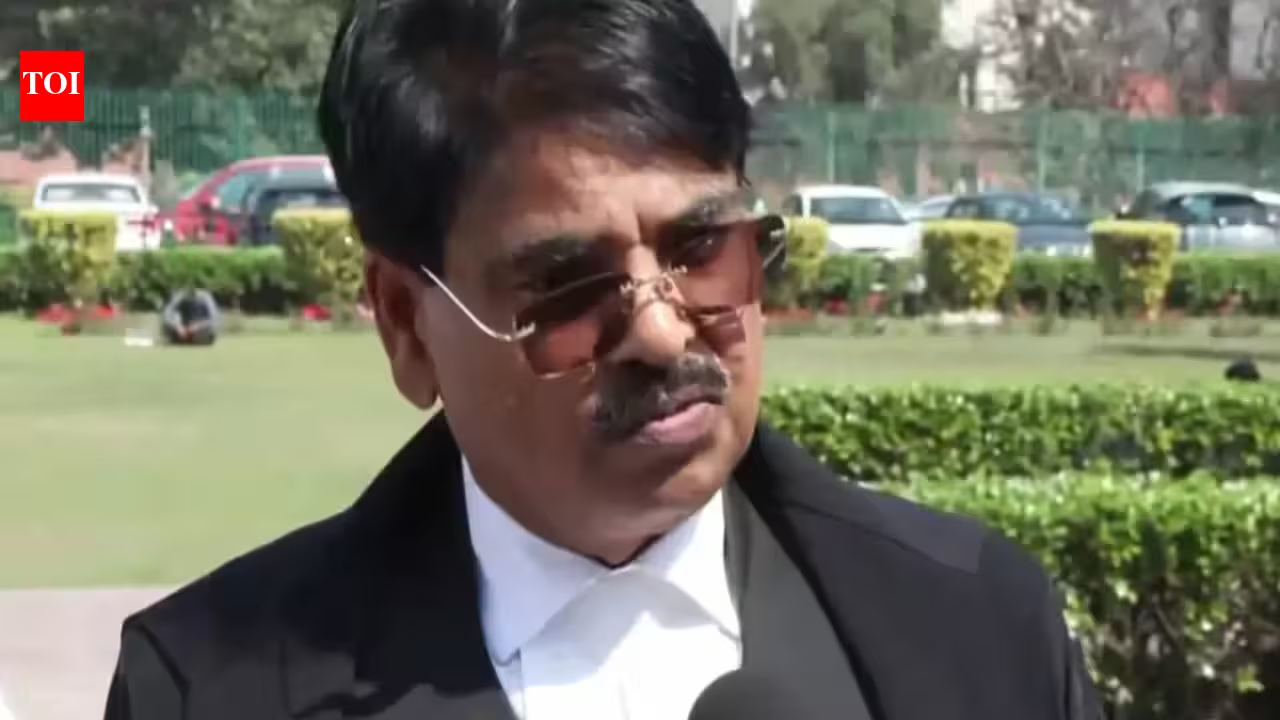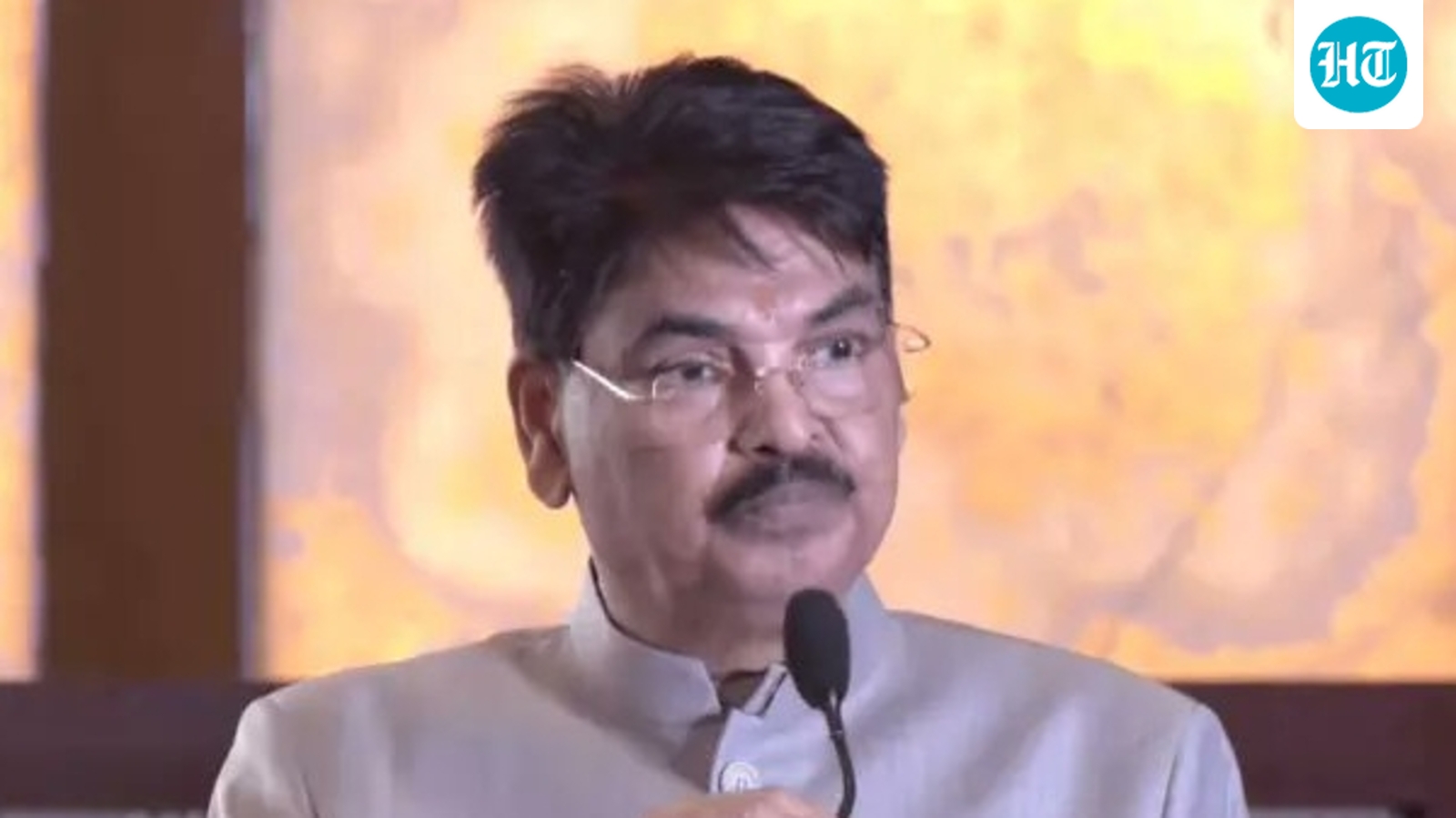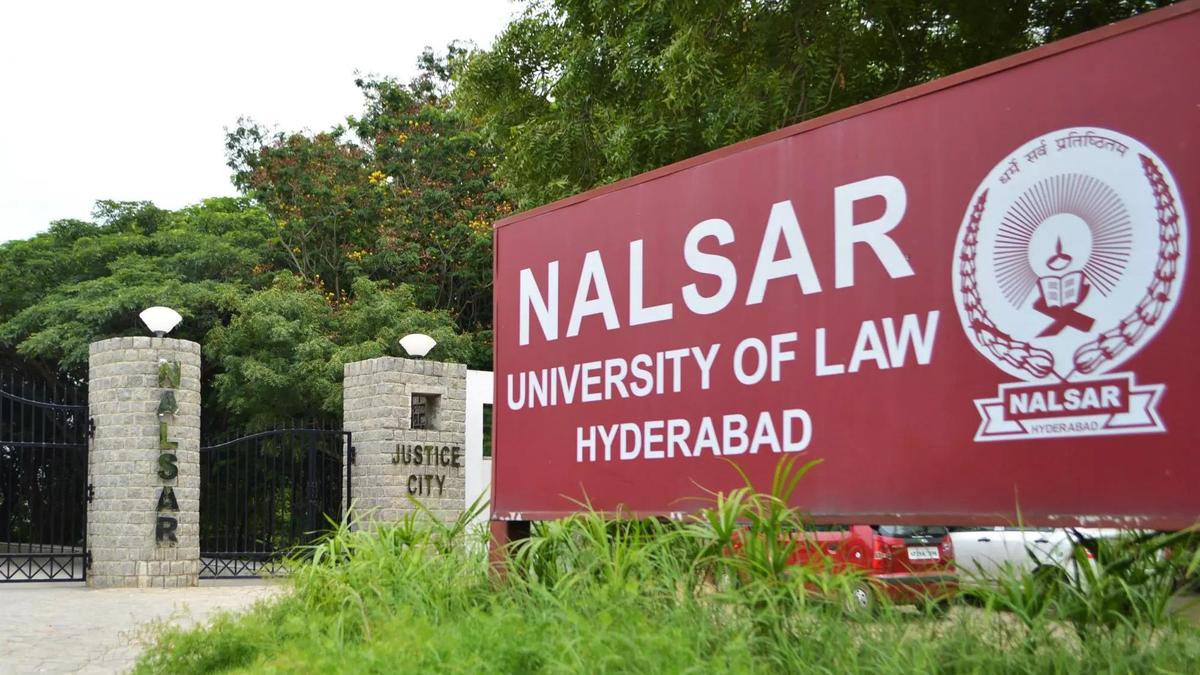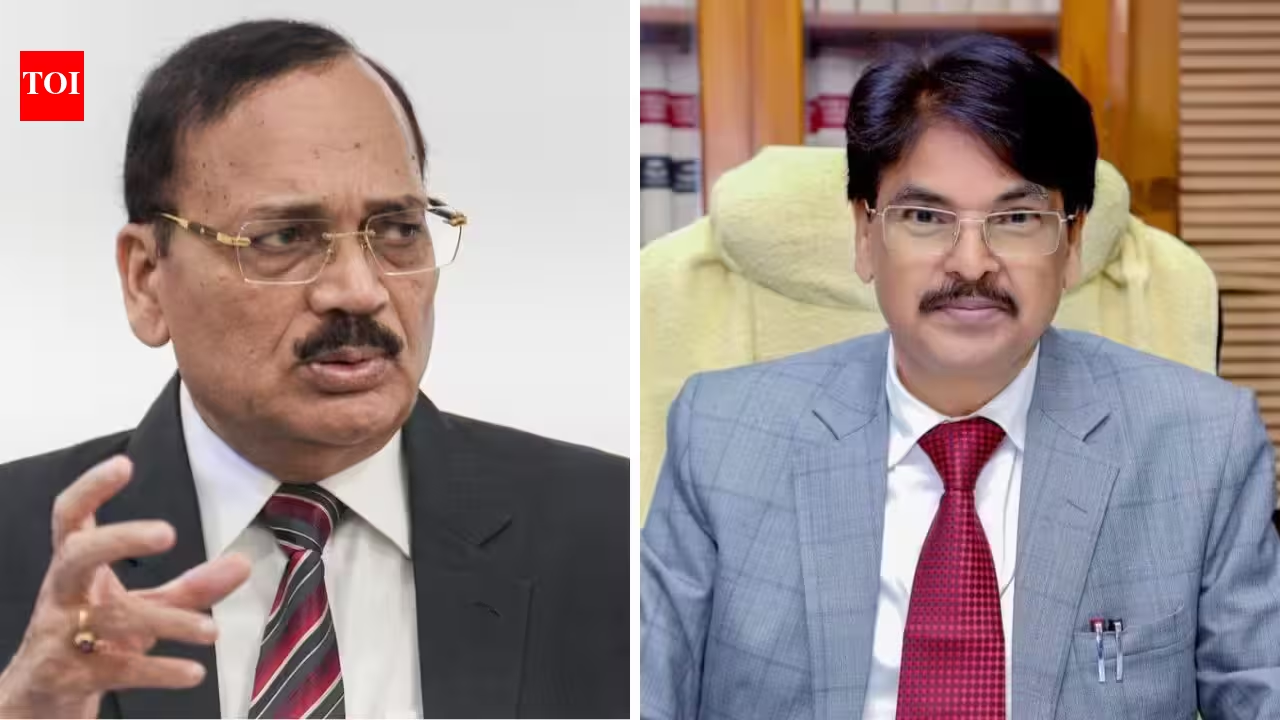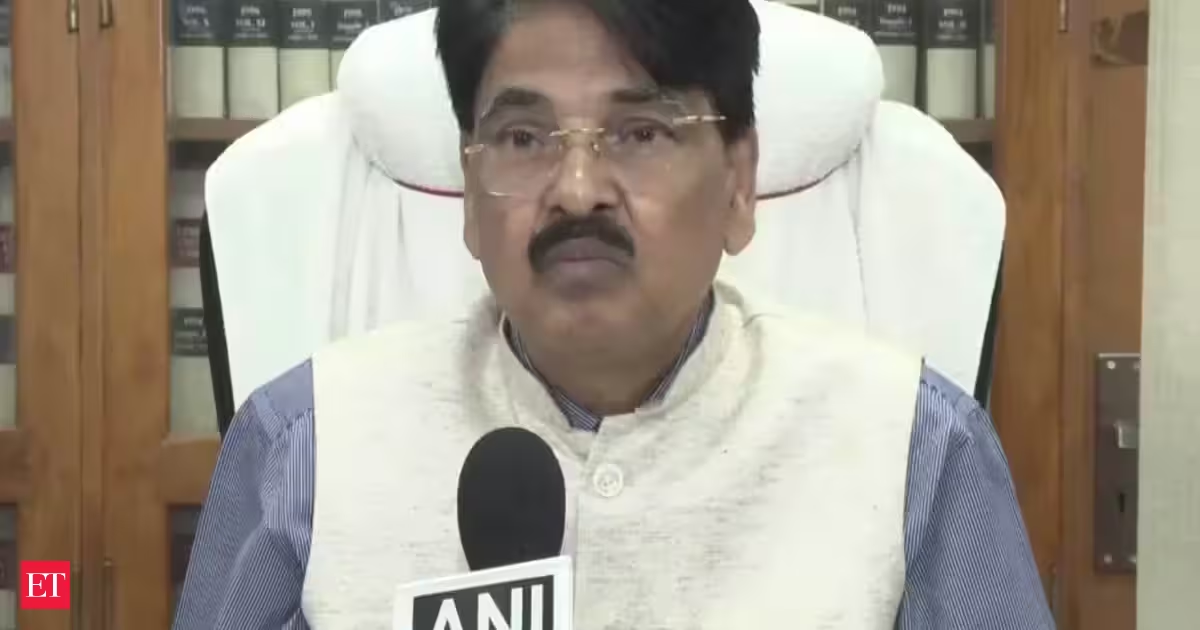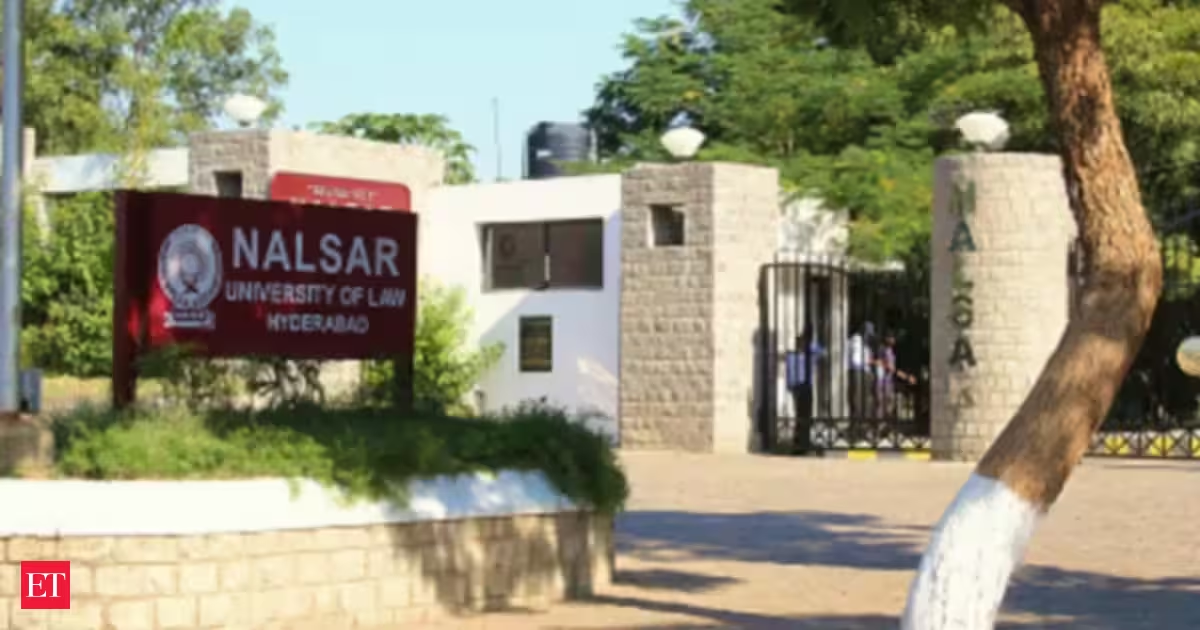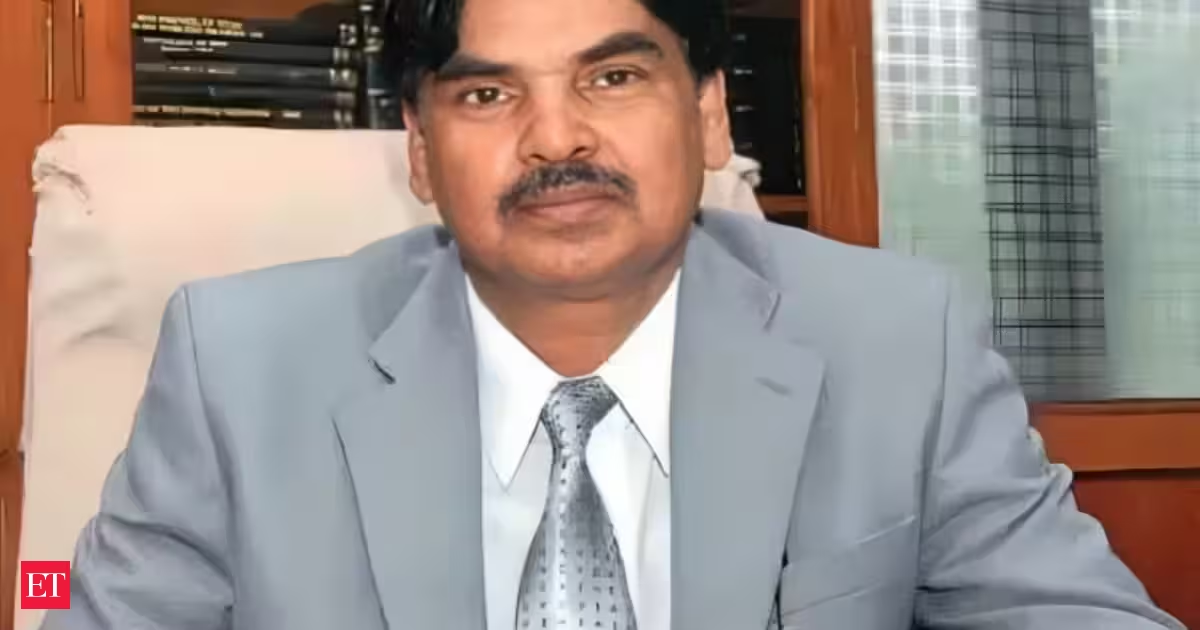
Bar Council of India chairman and Supreme Court senior advocate Manan Kumar Mishra apologised on Saturday to law students who may have been hurt by his recent remarks or correspondence, saying an expression of regret should not be seen as a matter of prestige or ego."If anything connected with the present controversy, any of my words, or letter, has hurt the feelings of our law students, I sincerely regret and apologise for the same," Mishra said in an Independence Day message.He stressed that students' concerns should be heard with "patience, sensitivity and respect", adding that there should be no hesitation in apologising when someone's feelings have been hurt.The apology comes after the BCI faced criticism over its decision to initially block the enrolment of NALSAR University's 2026 graduating batch with State Bar Councils following a student campaign over Chief Justice of India Surya Kant's proposed participation in the university's convocation.The council later withdrew the restriction, saying students should not be made to suffer without fault.Mishra placed particular emphasis on the independence of law students, especially those studying at National Law Universities and other leading institutions.— ANI (@ANI) He described them as informed young citizens who are trained to understand the Constitution, the rule of law, fairness and the importance of hearing competing viewpoints before reaching conclusions."They do not require anyone to decide for them," he said, "Nor should they be subjected to pressure or influence from any quarter."According to Mishra, the choices made by students at leading law universities can have an impact well beyond individual campuses because they are closely watched across the country's legal education system.He noted that today's students will go on to become advocates, senior advocates, academics, scholars and judges, with some potentially rising to the highest positions in India's legal and judicial institutions.Mishra backs peaceful protest The BCI chairman also defended the place of disagreement and protest within a constitutional democracy. "Peaceful disagreement, questioning and protest are important features of a constitutional democracy. Students must always remain free to express their views."He said students must remain free to question decisions, express their grievances and peacefully protest. At the same time, he urged them to remain open to new information and reconsider their position if additional facts or clarifications emerge.Mishra argued that expressing a genuine grievance and subsequently examining a clarification objectively are not contradictory."At the same time, the legal tradition teaches us something equally important, namely that when further facts or clarifications emerge, every issue should be reconsidered objectively and with an open mind," he added.Appeal over convocation participationMishra also addressed the question of students participating in convocation ceremonies, describing the event as a significant milestone for graduates and their families after years of academic work.He said the decision to attend or stay away must rest entirely with individual students."No student should be compelled to attend, and no student should feel compelled to abstain," he said, urging students to consider the complete picture before making a decision.He added that a convocation is an occasion that cannot easily be recreated, making the choice particularly significant for graduating students and their families.Call for dialogue instead of escalationMishra said the relationship between the judiciary, the Bar, universities and law students extends far beyond the current dispute.While disagreements and strong opinions are inevitable, he said they should eventually be addressed through dialogue, clarification and mutual respect.The BCI chairman further cautioned against allowing the controversy to take on a political or unrelated dimension because of outside influence.He urged institutions to respect students' independence of thought and give them the space to assess the facts, consider any explanations offered and reach their own conclusions.
'I sincerely regret': BCI chief Manan Kumar Mishra apologises to law students in Independence Day message
Bar Council of India chairman Manan Kumar Mishra apologized to law students for recent remarks. He expressed regret for any hurt feelings caused by his words or letters. The apology followed criticism over a temporary enrollment block for NALSAR graduates. Mishra emphasized listening to students with patience and respect. He also highlighted the independence of informed young citizens and their right to express views.
603 words~3 min read