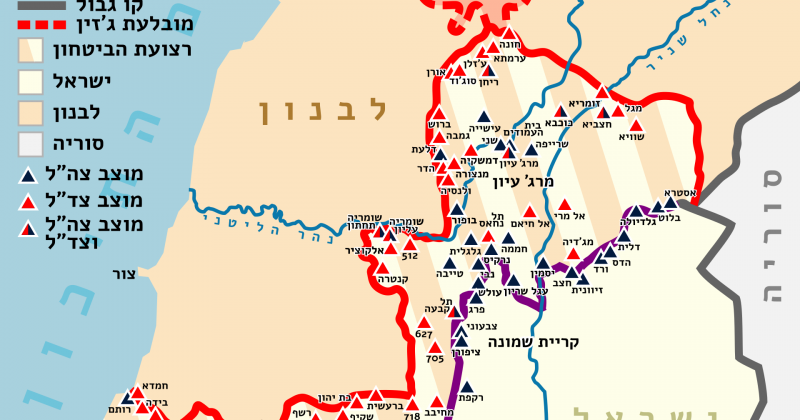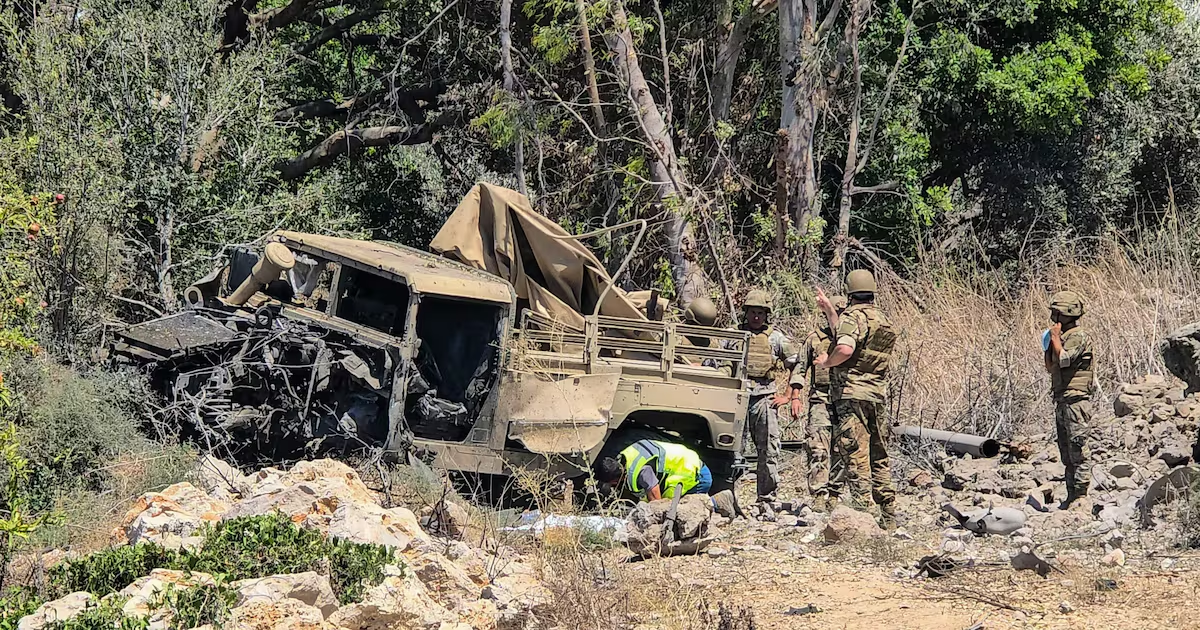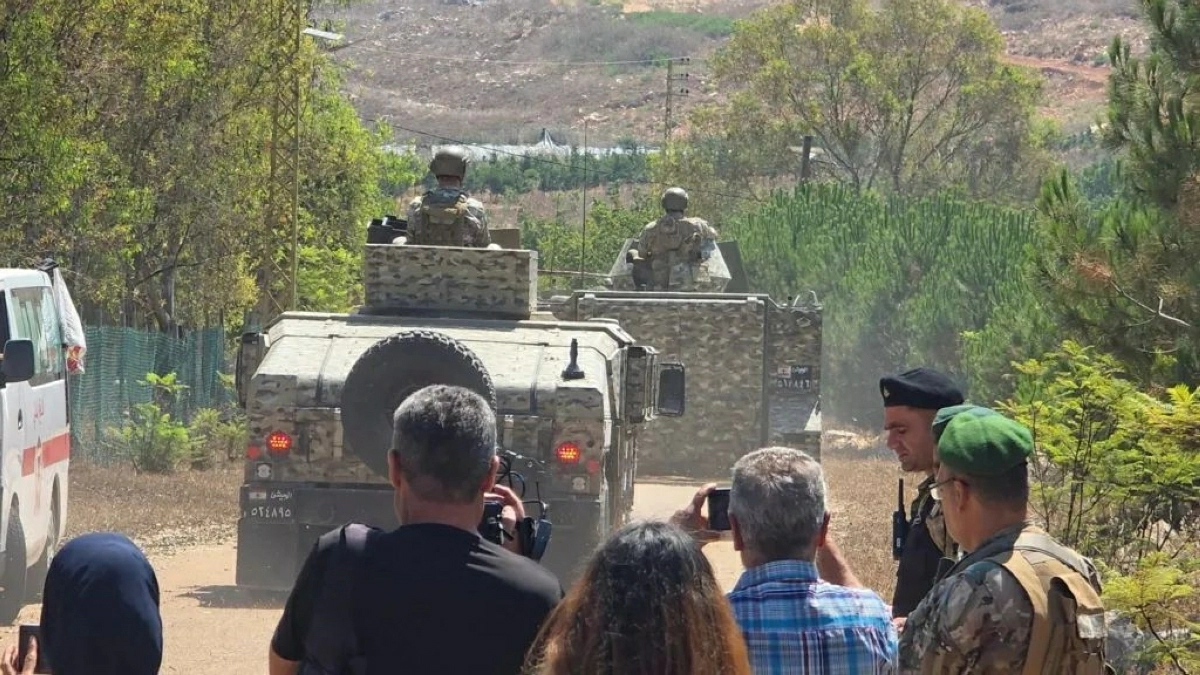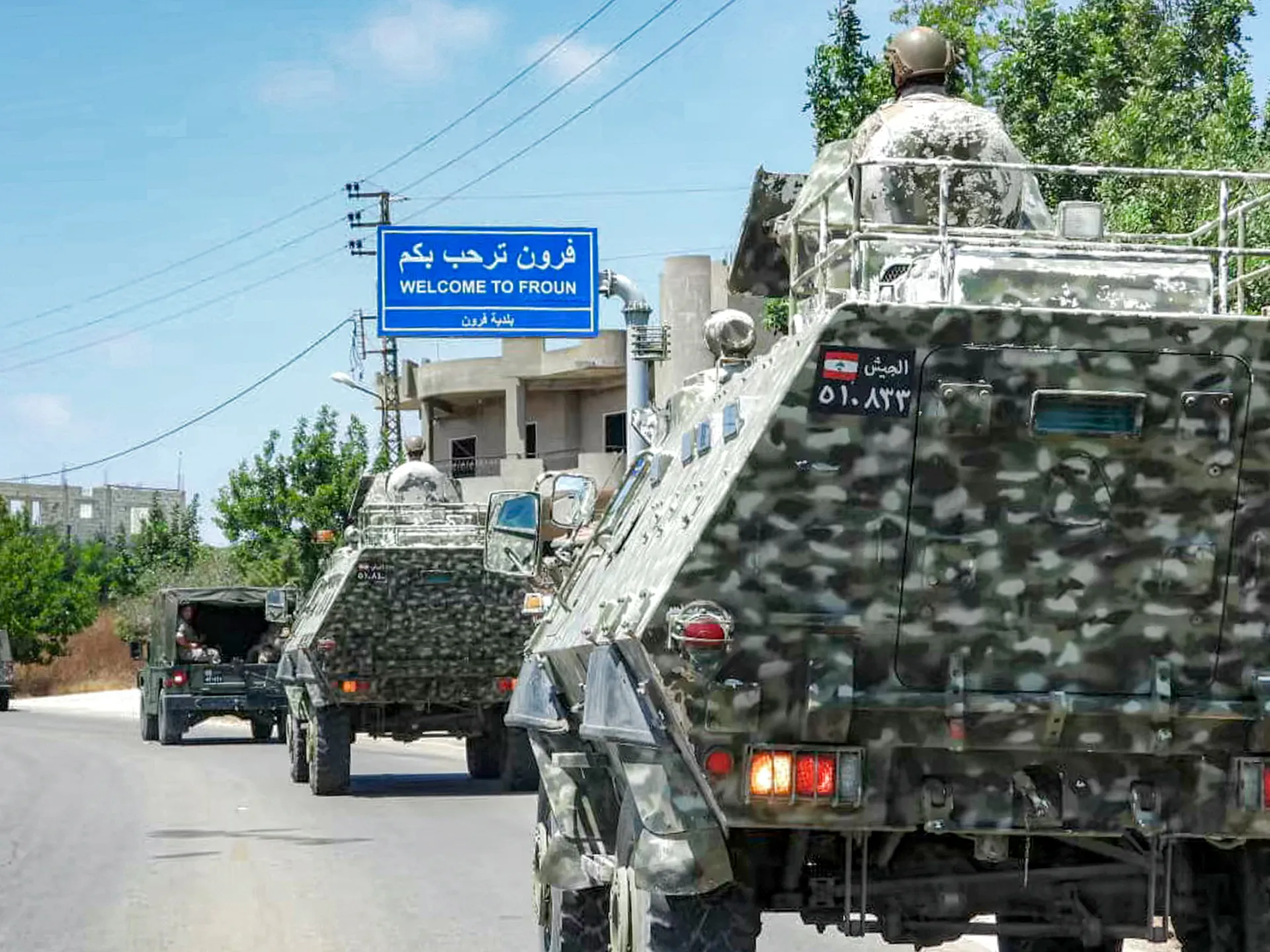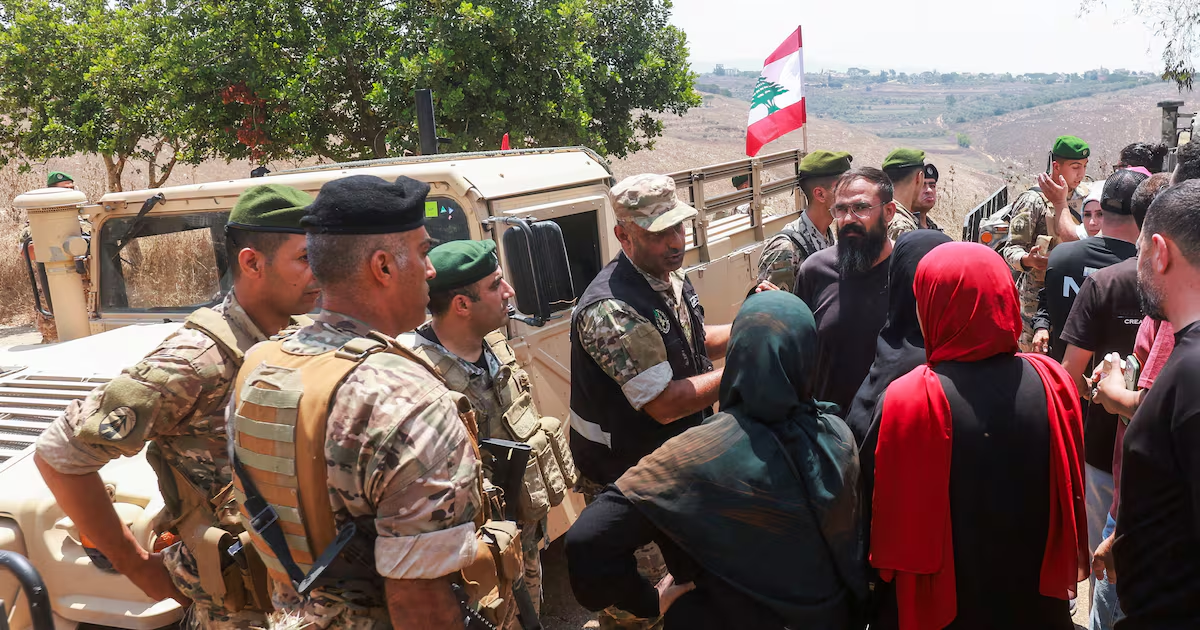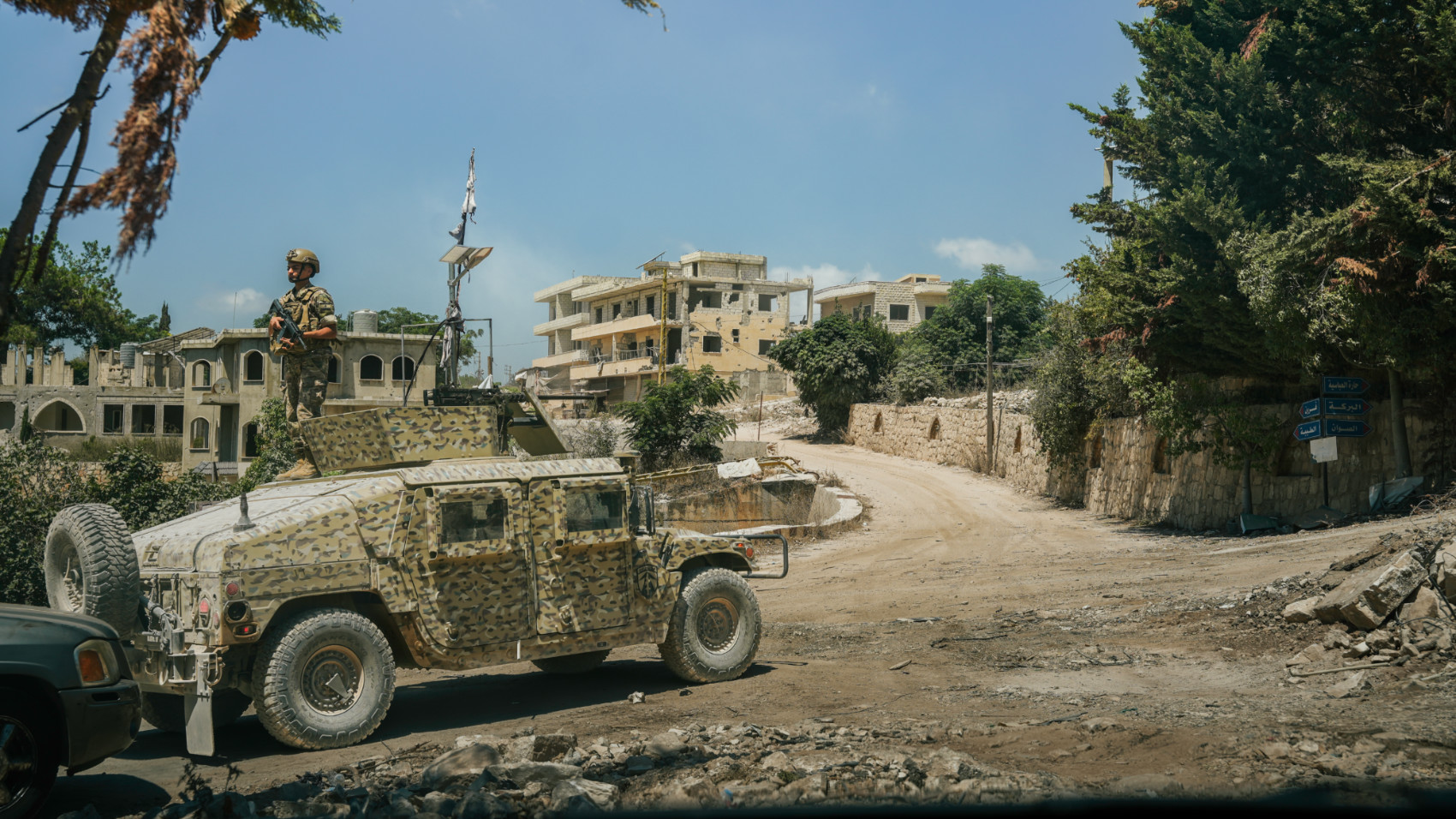
At the entrance to Zawtar al-Gharbiyeh, a village in southern Lebanon, a Lebanese Army checkpoint marks the edge of what is now officially known as a "pilot zone".
It is one of three villages - along with Froun and Srifa - designated as such under the framework agreement between Israel, the United States and Lebanon, signed in June 2026.
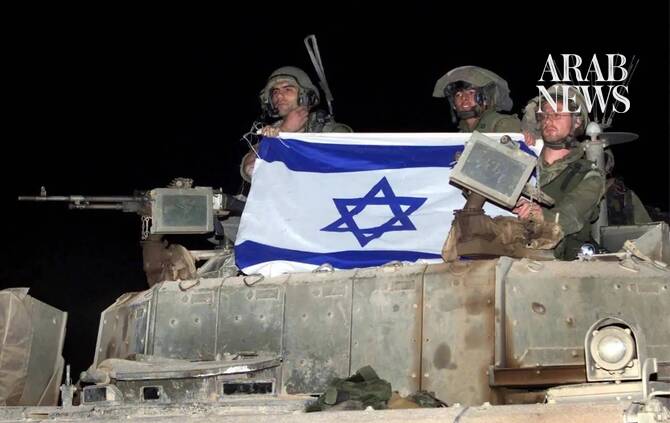
On paper, the pilot zones, whose implementation began on 20 July, are meant to work as a formula: a gradual Israeli withdrawal, paired with a handover of sovereignty to the Lebanese Army, and the end of Hezbollah's armed presence in these locations.
But Daniel Meier, professor of political science and director of the Master in Middle Eastern Studies at Sciences Po Grenoble, says Israel has sought to use the mechanism for a different purpose.
"Israel sees these pilot zones as another tool to undermine any possibilities for Hezbollah to continue in the south of Lebanon, and not for withdrawing its army," he said.