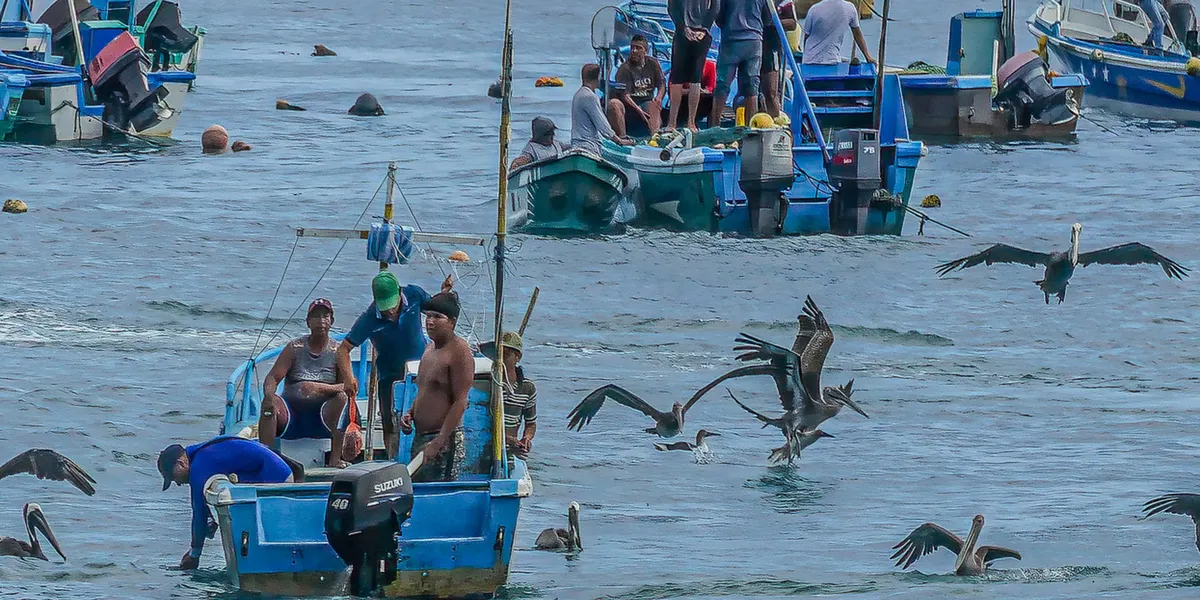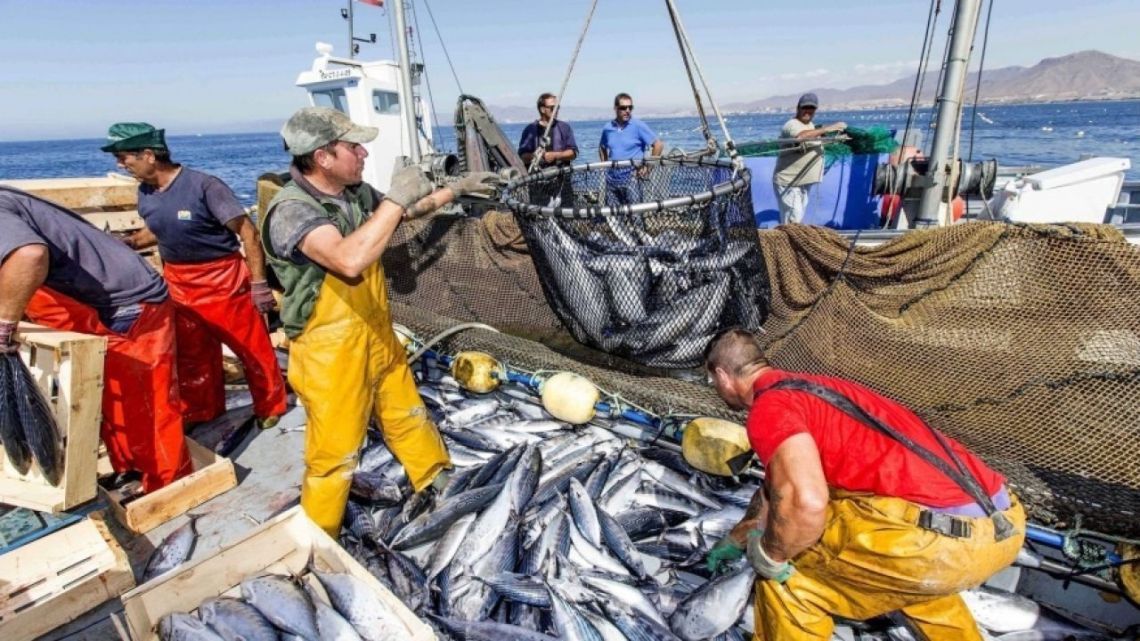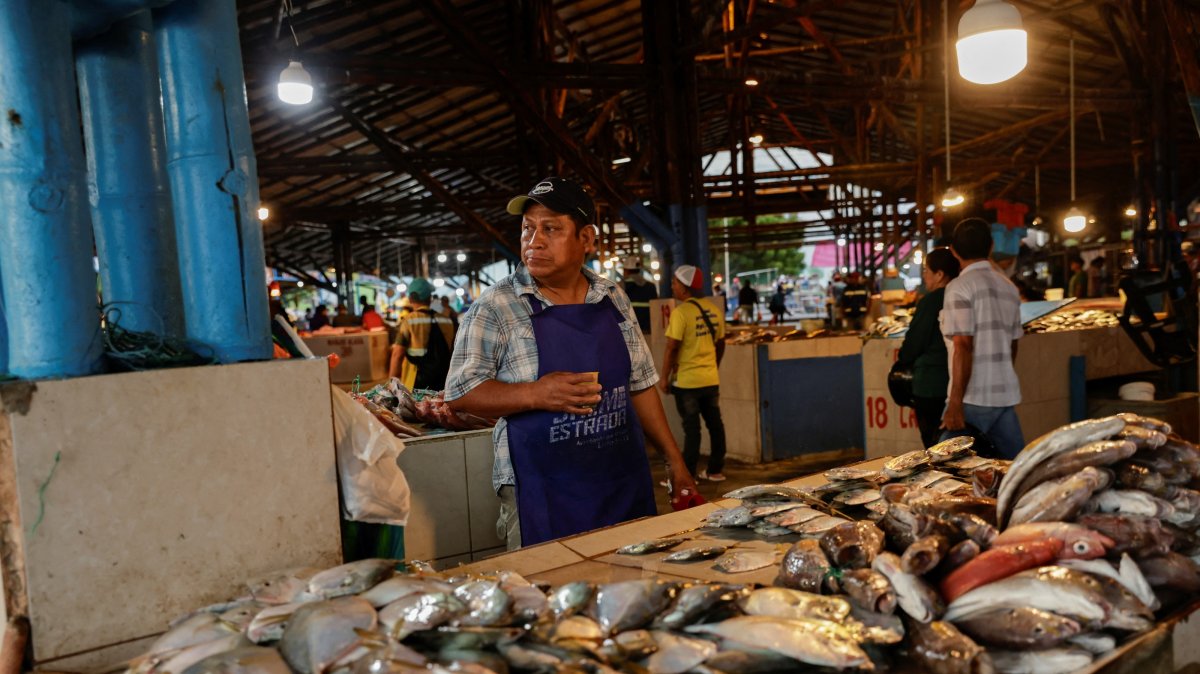
At first light along Ecuador’s Pacific coast, small fishing boats leave the villages of San Mateo and Jaramijo, heading toward deeper waters in search of the day’s catch. Others make their way back through the rolling surf to battered coves, where crews unload baskets of tuna and swordfish as traders rush to assess the haul.
But beneath the familiar rhythm of life at sea lies a growing threat. In Manabi province, drug cartels have turned small fishing ports into key links in cocaine trafficking networks, exploiting fishermen who know the coastline and waters intimately. The cartels lure them with the prospect of earning more from a single smuggling trip than they could make legally in a year, while those who refuse can face extortion, threats and violence.
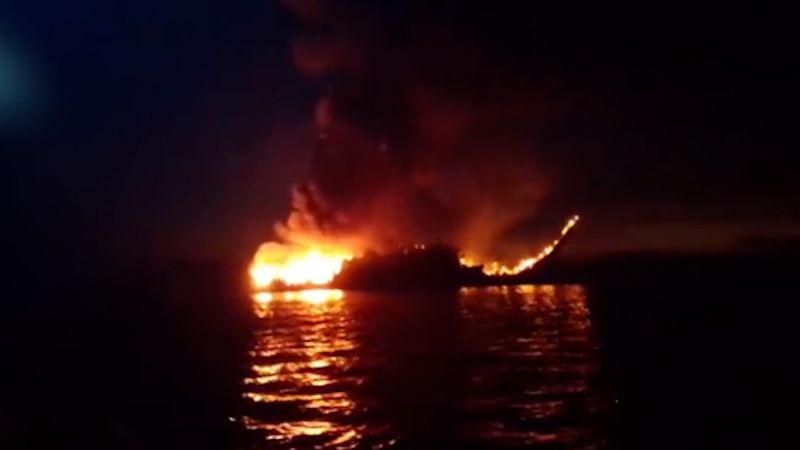
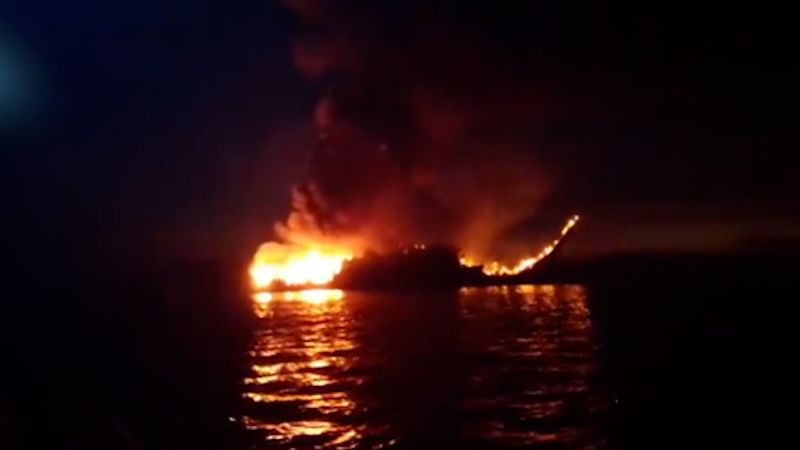
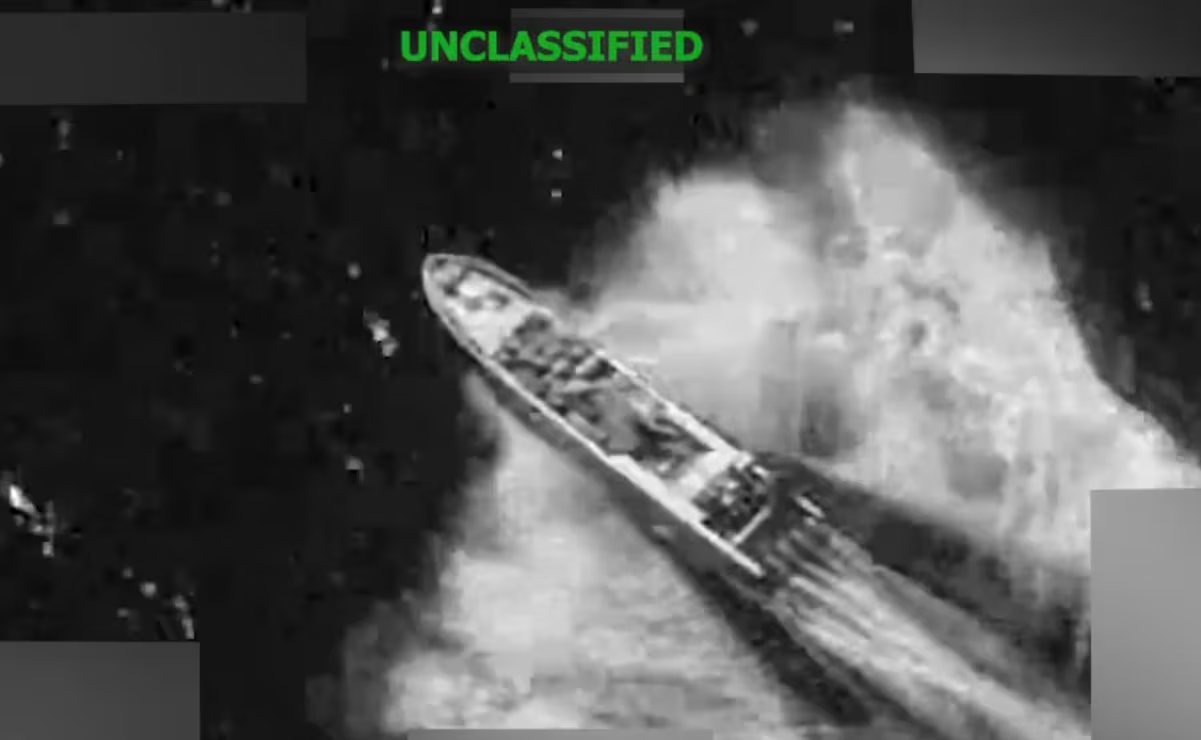
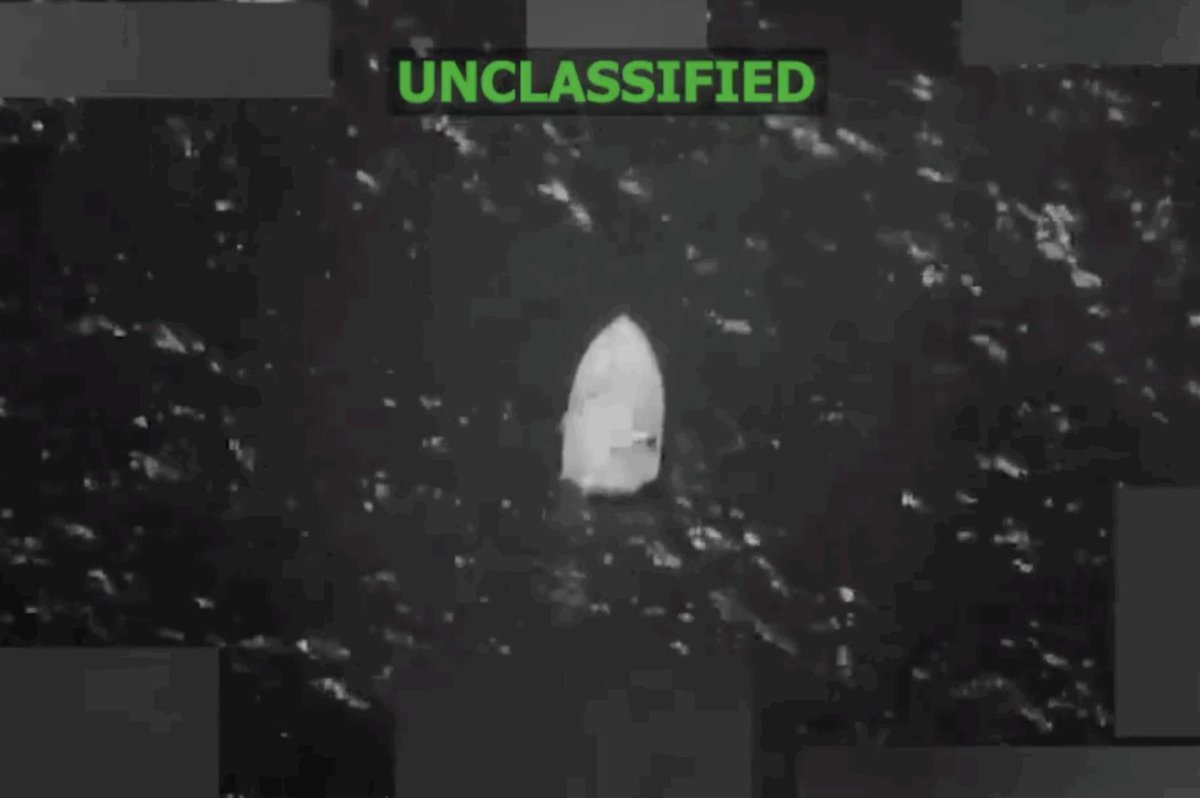
And for fishermen who venture offshore, another danger can emerge without warning: U.S. airstrikes targeting people authorities allege are involved in drug trafficking and linked to “narco-terrorism.”
The U.S. military has destroyed 67 vessels and killed more than 220 people since September as part of Operation Southern Spear. The U.S. government has acknowledged responsibility for those attacks and deaths.
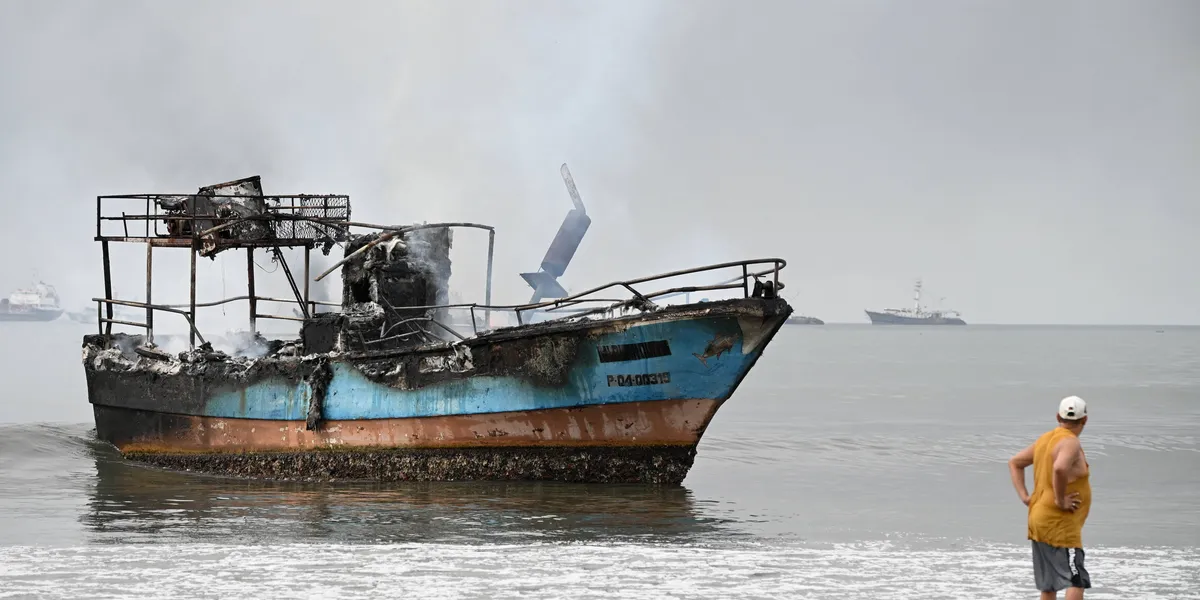
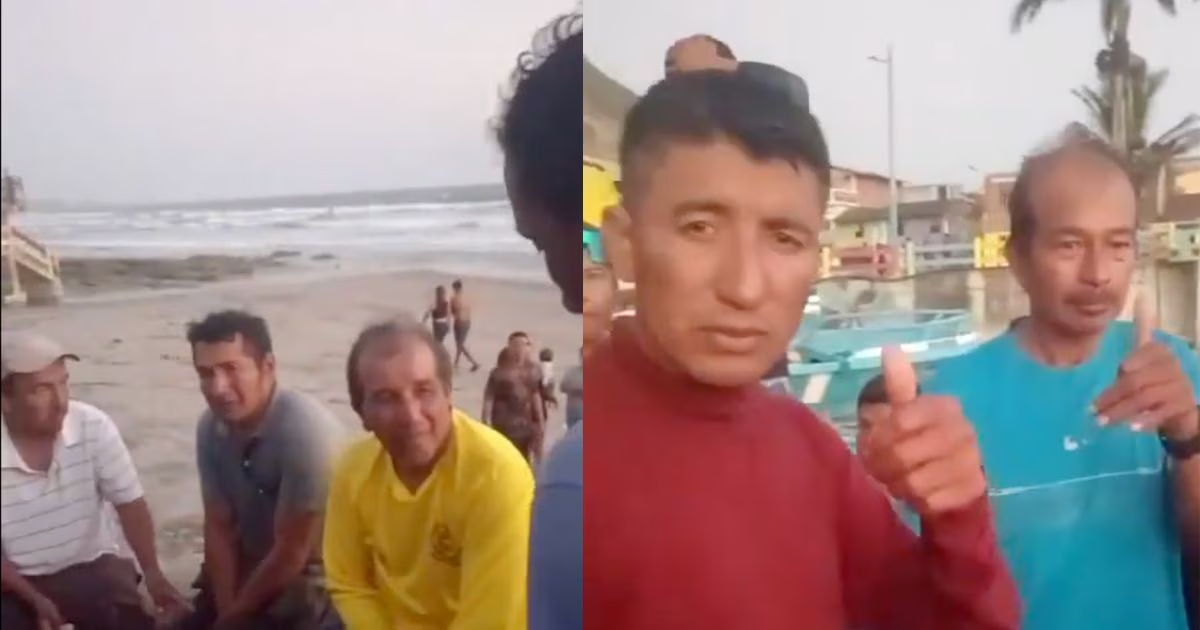
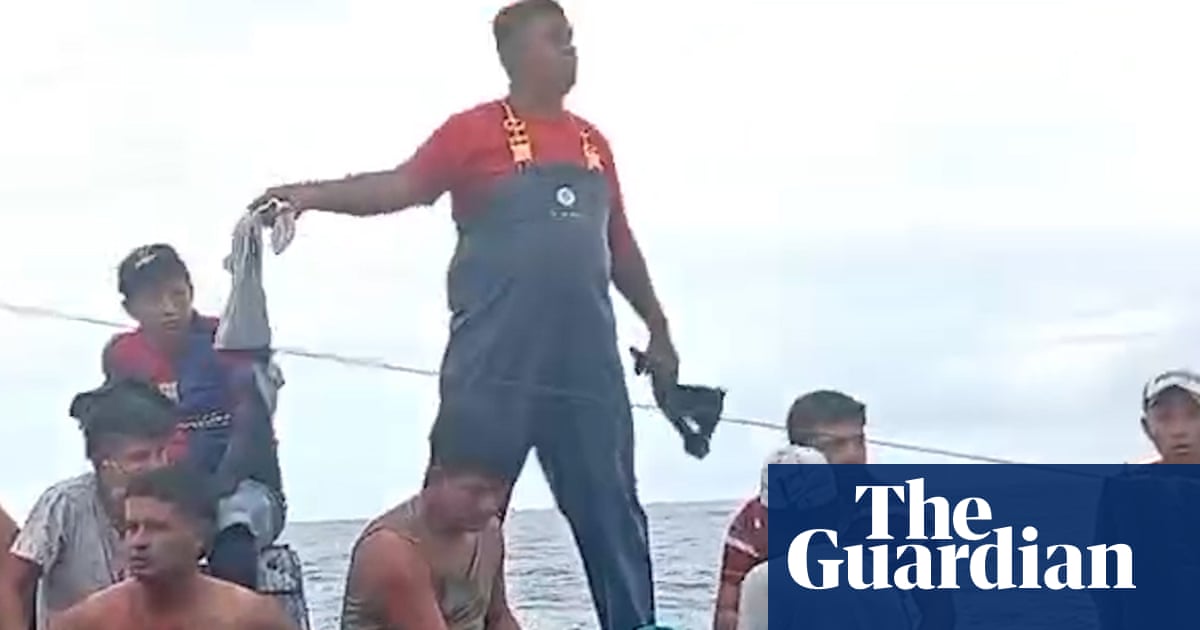
Two other strikes that Washington has not claimed, but which bear the hallmarks of U.S. attacks, involved fishing vessels from Manabí province, according to Reuters interviews with three survivors of one strike and accounts from a dozen survivors collected by the Permanent Committee on Human Rights, a local advocacy group. The Washington Post reported this week that the boats were targeted as part of a covert CIA program.