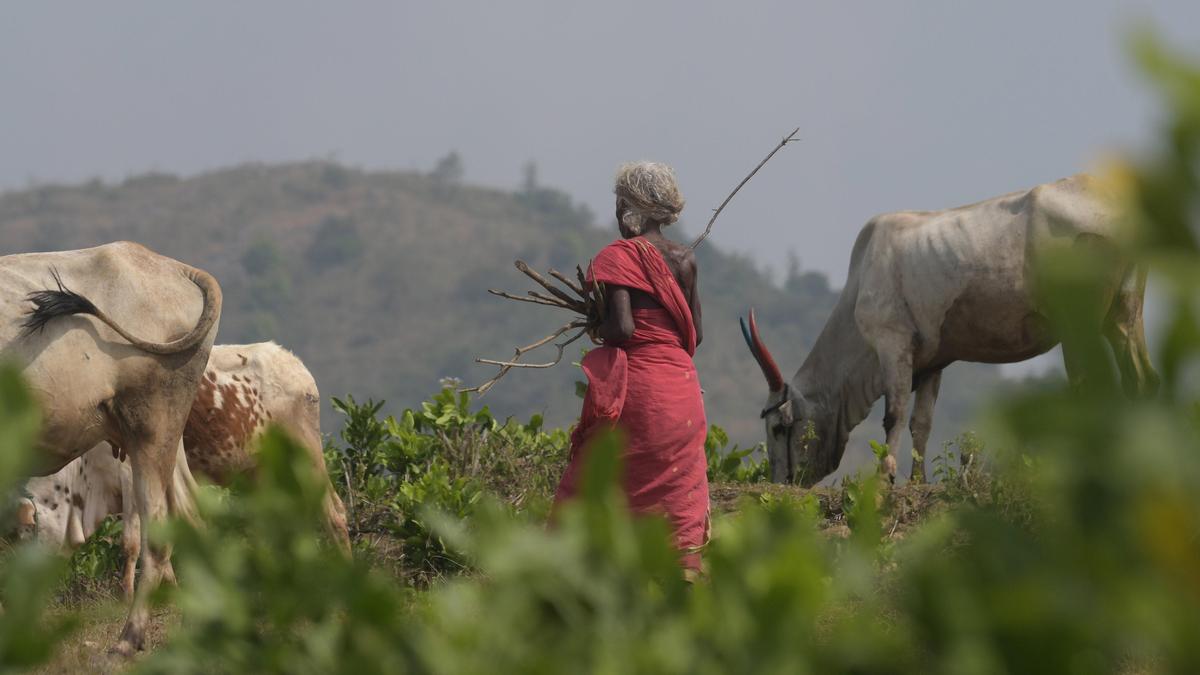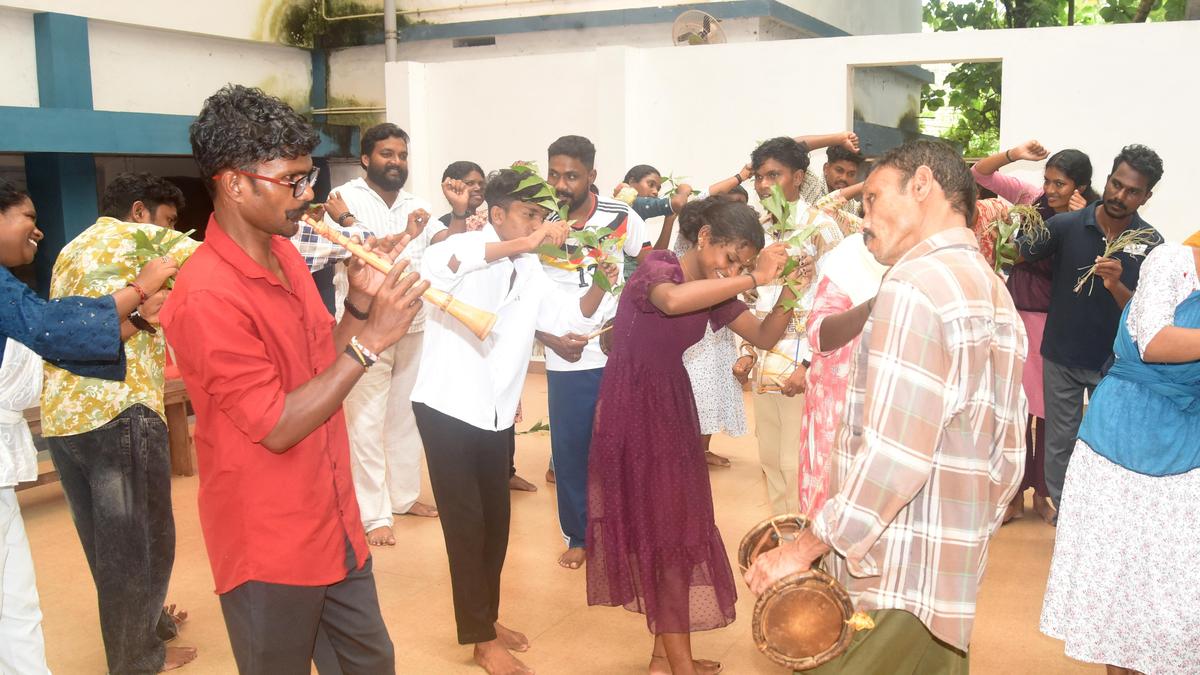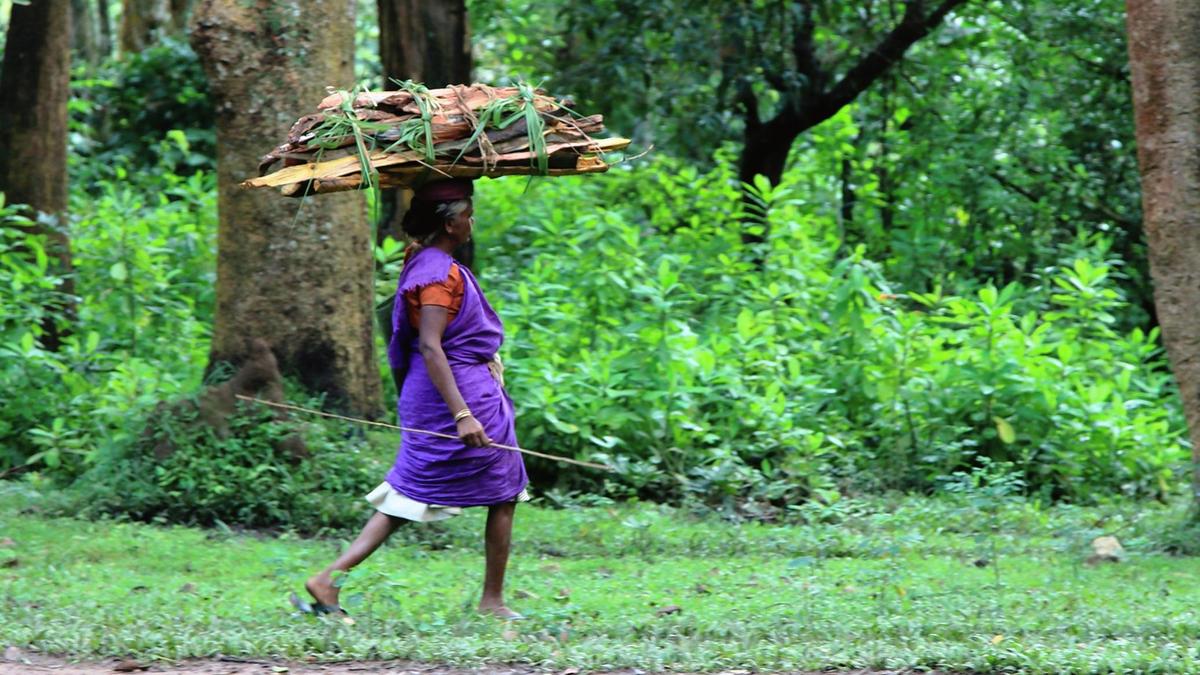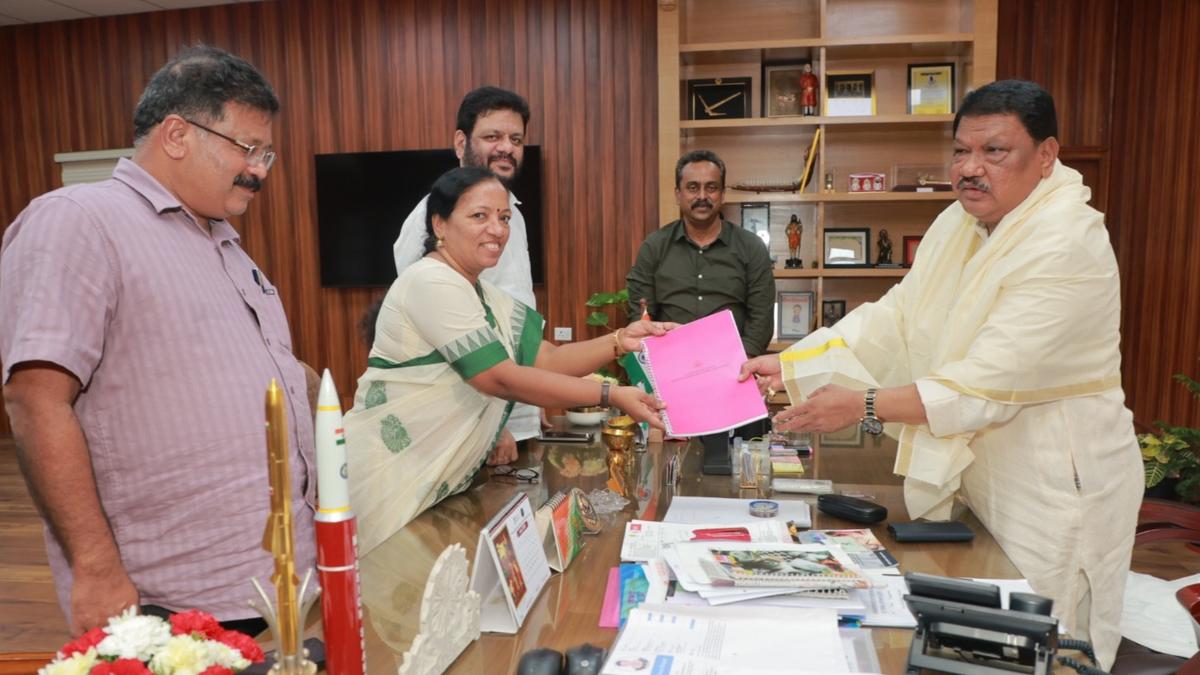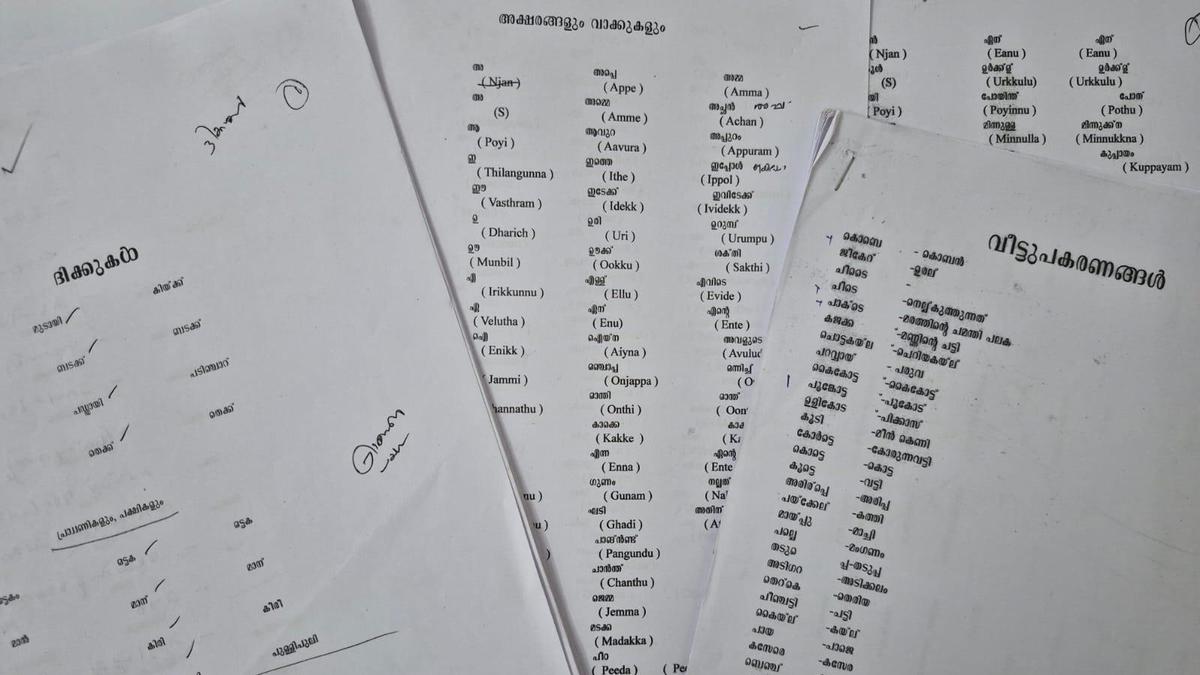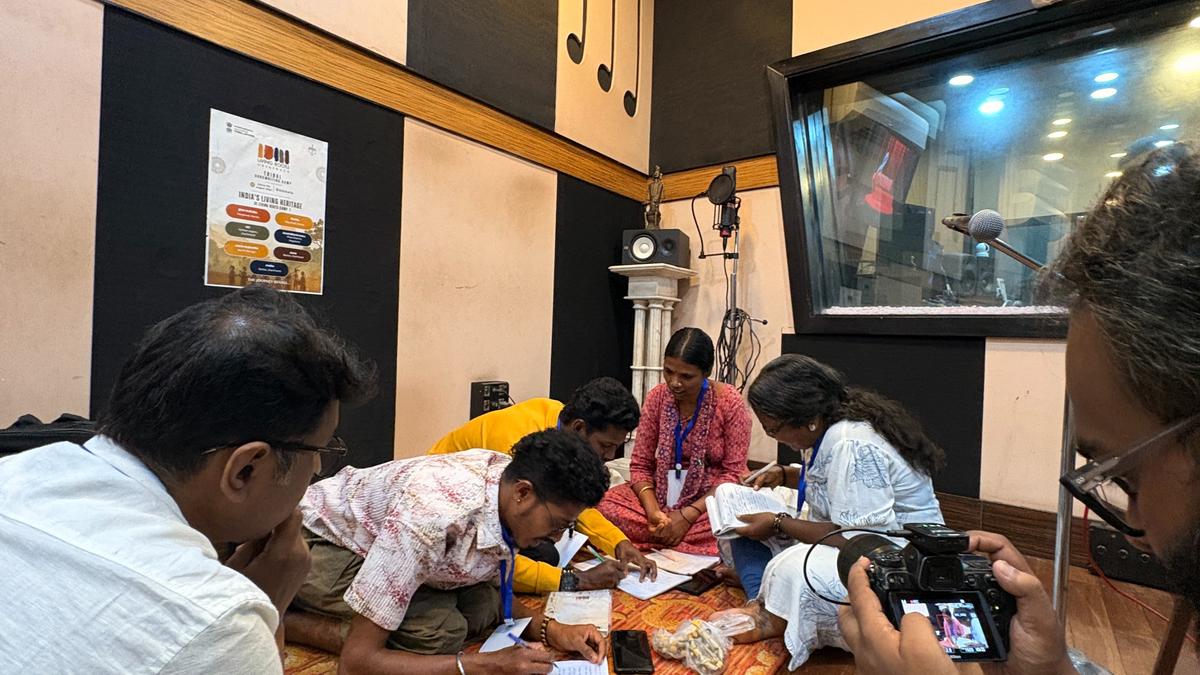
Artistes from tribal communities attending a songwriting and a music production programme in Kolkata, West Bengal, recently.
| Photo Credit: Special Arrangement
New avenues of professional recognition are getting opened up for musicians from tribal communities in Kerala as they are being made aware of protecting the copyright of their creations and earning royalties from them.Practitioners of indigenous tribal and folk music often struggle to get rewarded in mainstream commercial music due to various reasons, say functionaries of non-governmental organisations who work in the field. Nanjiamma from Attappadi in Palakkad, who won the National Film Award for the Best Female Playback Singer for the viral song Kalakkatha in the Prithviraj-starrer Ayyappanum Koshiyum, is among the exceptions, they say. Awareness about copyright and royalties is the bare minimum too.This is gradually being changed now. On the one hand, independent festivals and archival groups are offering them opportunities for performances without any interference. Young musicians from the community are coming up with new experiments, blending traditional rhythms with modern band formats and jazz music. Efforts are also being made to help them navigate the world of professional music, where royalties and copyright play a crucial role.As part of this, eight artistes from Wayanad, four each from the Paniya and Kattunaika communities, attended a recent residential camp in Kolkata, West Bengal. The national songwriting and music production programme, titled ‘Living Roots Originals’, was organised by the Indian Performing Right Society (IPRS) with the support of the Union Ministry of Tribal Affairs. The five-day event was held from August 3.M.R. Mini or Mini ‘Kanavu’, one of the attendees, says she was earlier part of the Earthlore Fellowship run by Archival and Research Project (ARPO), a non-profit organisation that works in the area of preserving Kerala’s heritage. “We were taught about the professional aspects of songwriting, composing, and recording to effectively reach out to more people. We also learnt how important issues related to copyright and royalties are. The Kolkata camp was a continuation of that process,” she says.Such efforts also come against the backdrop of tales of financial exploitation faced by artistes from the community who associate with the commercial music industry. Some of the artistes, who do not wish to be quoted, say they are paid a pittance quite often. Unscrupulous elements in the industry also try to subvert laws related to copyright and royalties.K. Prasad, a lyricist from the community, another participant at the camp, says recording and preserving traditional music and folklore are crucial. “Many among us are still not aware of our legal rights when it comes to our musical creations. After the fellowship and the camp, we learnt about using our work to earn more income. For example, how the monetisation process works with YouTube, how the revenue is divided between the lyricist, composer, singer, and producer,” he says.Twenty-five artistes from eight communities in five States attended the camp, where the participants co-created original songs rooted in their traditions, languages, and instruments. This was supervised by senior musicians. Sources say that all these musicians will be enrolled for free at the IPRS, and they will also get the authorship and rights of songs that they created.Sruthin Lal, executive director, ARPO, says that when historically marginalised communities face issues related to royalties and copyright, they should be given more focus. “If cultural heritage, including songs and language, is to be preserved, members of these communities need to get a proper livelihood from it,” he says. Published - August 15, 2026 07:38 pm IST