In many regions, data center developments are now facing seven-year power queues in some markets, water scarcity, and regulatory/community resistance, all of which threaten deployment timelines.
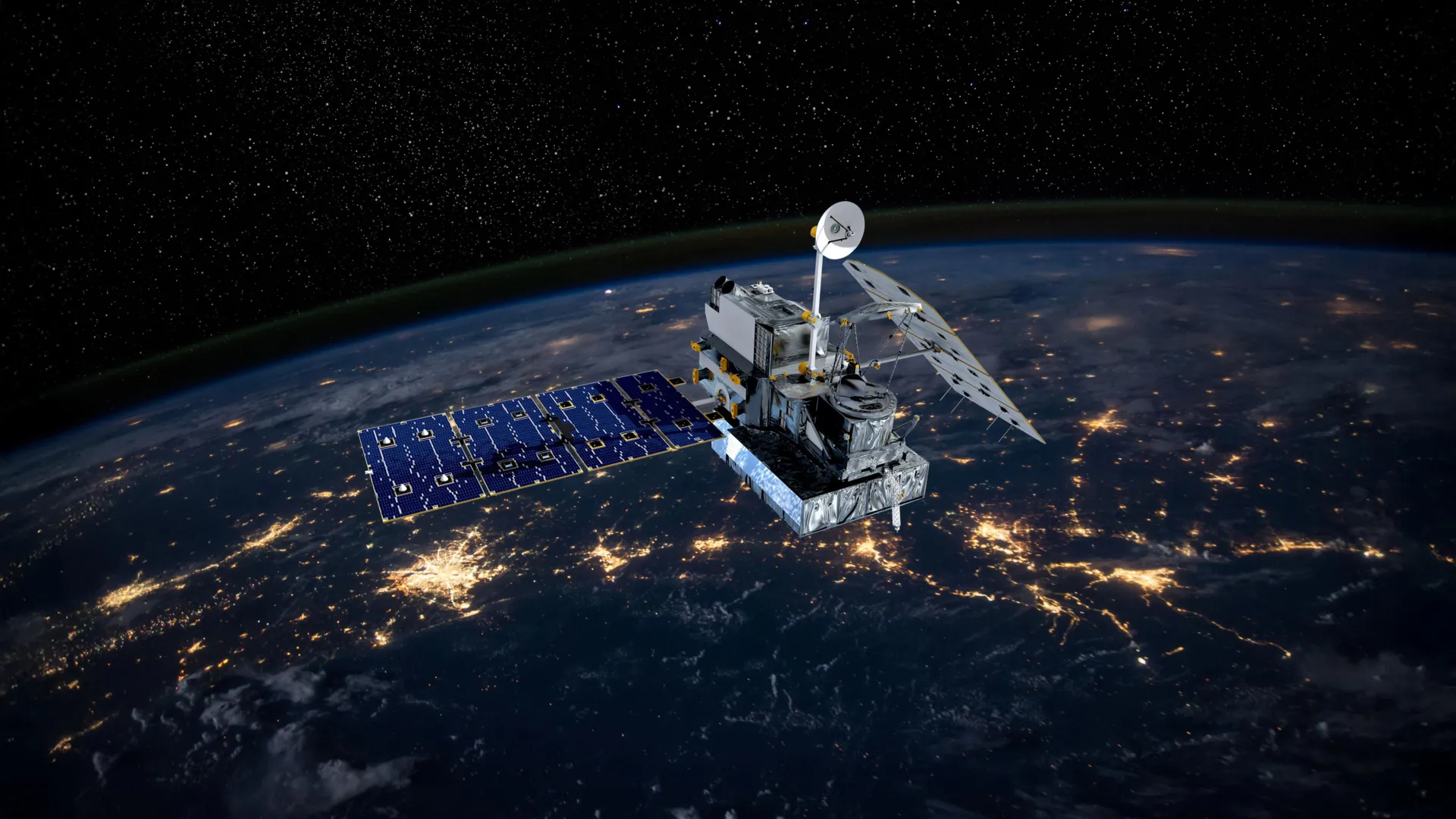
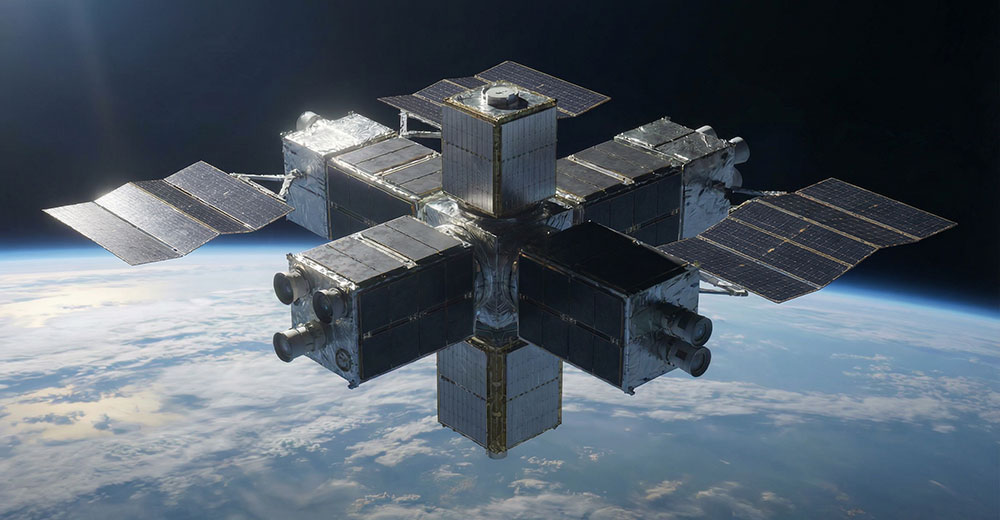
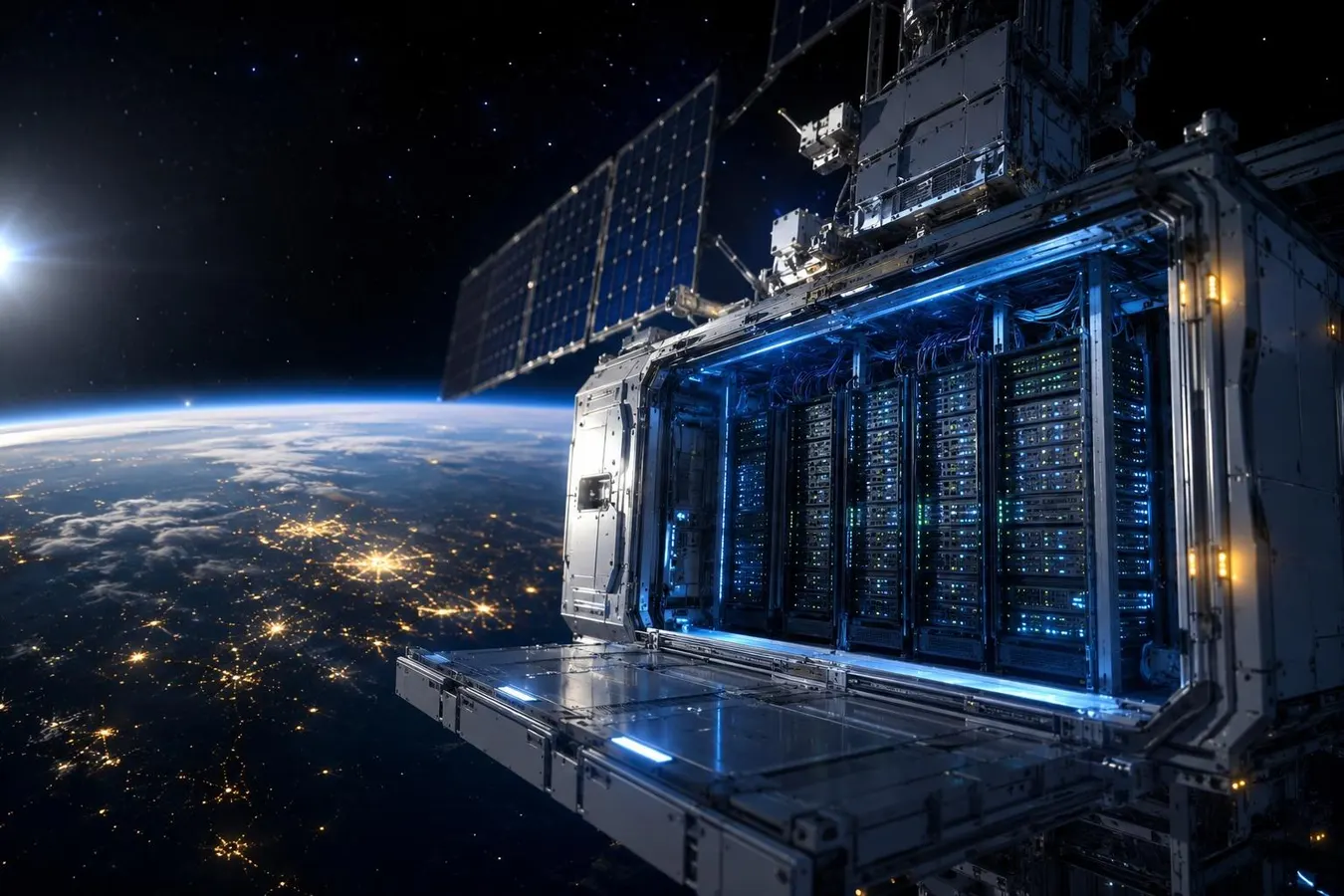
Meanwhile, orbital compute has moved from concept to early operational demonstrations, with recent GPU-in-space demonstrations showing the technical feasibility of orbital AI compute and SpaceX recently revealing its first generation of orbital data center satellites. The question is not whether compute can run in space. The more important question is whether orbit removes greater bottlenecks than it introduces. Can these space-based data centers help bypass terrestrial constraints, and what hurdles still need to be overcome before they become operational?
The growing interest in orbital compute reflects a broader shift in AI infrastructure. For decades, compute itself was the scarce resource. Today, access to power, cooling, permitting, and grid connections increasingly determines how quickly new AI capacity can be deployed. As infrastructure constraints become more important than compute constraints, the conversation has expanded beyond faster chips to alternative architectures, including orbital compute.