How I Built a Real-Time Multilingual AI Voice Tutor for Bharat (And Solved the 55ms Latency Problem)
When you build a traditional text chatbot, a 1.5-second API delay feels completely normal. But in conversational voice AI, a 1.5-second delay feels like an uncomfortable eternity.
Now imagine building a voice tutor for students across India — where learners naturally flip mid-sentence between English, Hindi, and regional terms ("Bhaiya, is quadratic equation ko solve karne ka simple trick kya hai?"). Suddenly, latency isn't just a performance metric. Latency is the entire user experience.
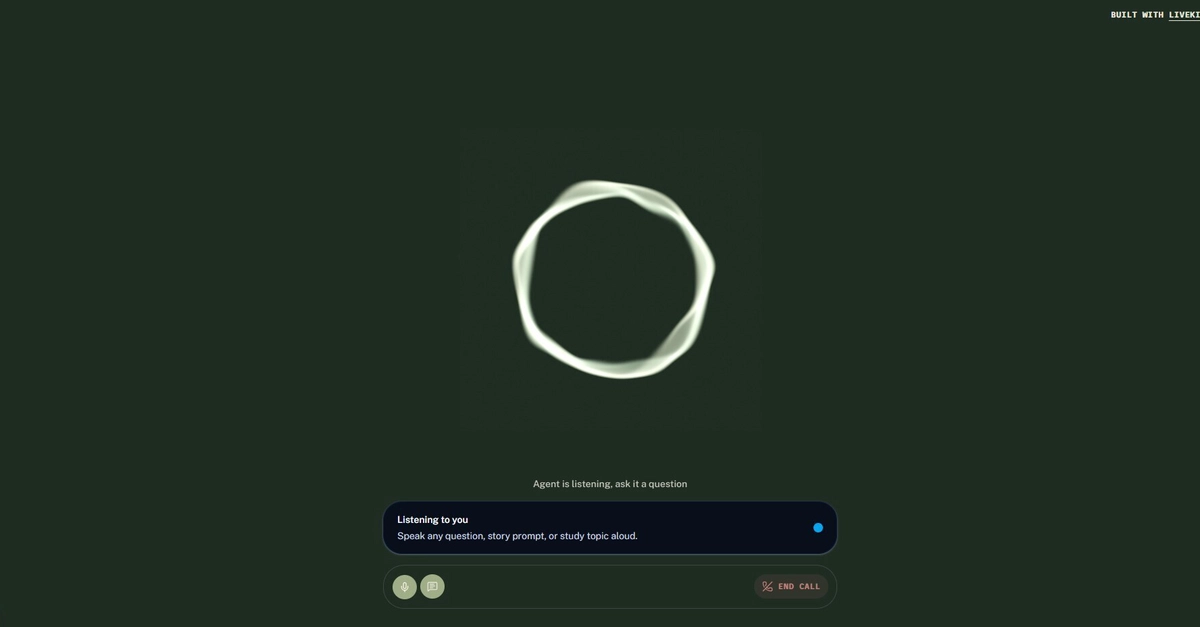
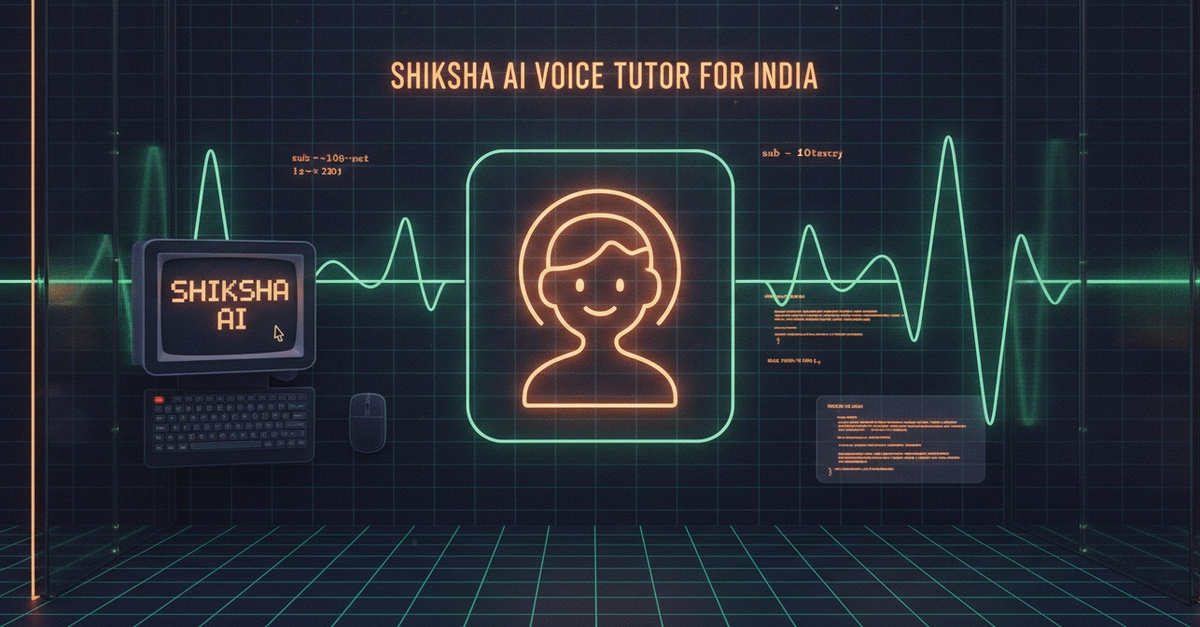
Over the last 10 days, as part of the #VoiceForBharat AI Challenge, I built Shiksha AI (शिक्षा AI) — an empathetic, multilingual voice tutor powered by Murf Falcon TTS, LiveKit Agents, Deepgram Nova-3, and Google Gemini.
In this article, I want to break down how I built it, the architecture decisions behind sub-100ms voice responses, the hardest bugs I ran into, and how you can run the entire open-source setup yourself in under two minutes.