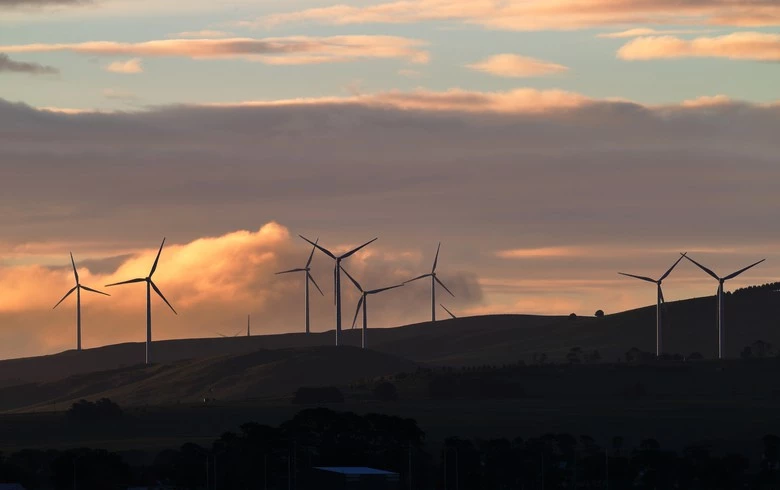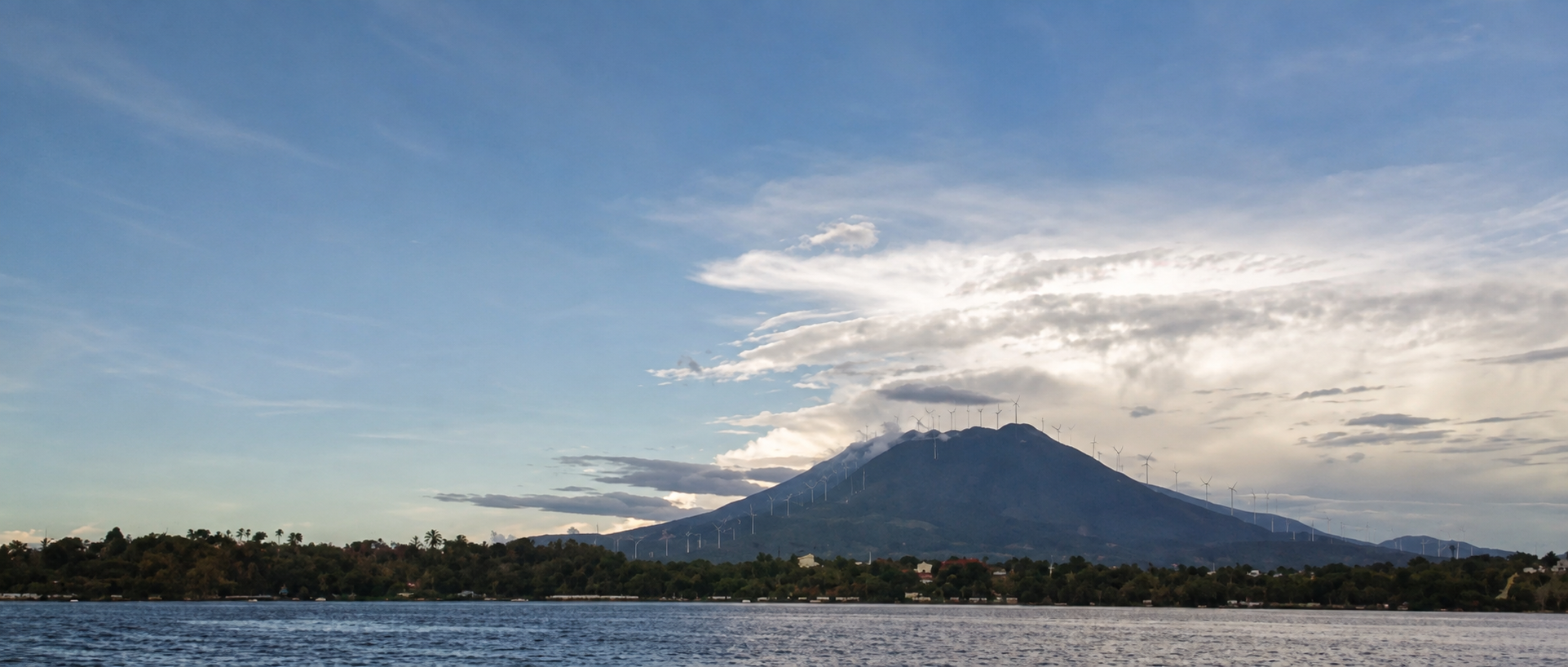
A conceptual image of wind turbines in the mountains of San Cristobal and the supposedly mystical Banahaw. (Image from author, edited with ChatGPT)
Support CleanTechnica's work through a Substack subscription, on Patreon, or on Stripe. Help us produce all of the high-quality, original content we publish week after week despite the challenges of content-scraping AI, antisocial media, inflation, and other hurdles.
The ambitious push by the Department of Energy (DOE) in the Philippines to accelerate clean energy transitions is encountering major friction on the ground. As developers race to build onshore wind facilities to hit national decarbonization targets, projects are running directly into complex regulatory frameworks, environmental constraints, and organized community resistance. The troubled trajectory of the proposed Banahaw Wind Power Project in Quezon Province serves as a prime case study of how onshore wind developments are stalling across the country.
GigaWind4, Inc., a unit under ACEN Corp., unveiled plans for a P34.5 billion wind power project spanning over 4,500 hectares across Tayabas City and Sariaya. The 247-megawatt installation was designed to deploy 38 high-capacity wind turbine generators to strengthen the Luzon grid. However, the proposal almost immediately bogged down in early pre-development stages.