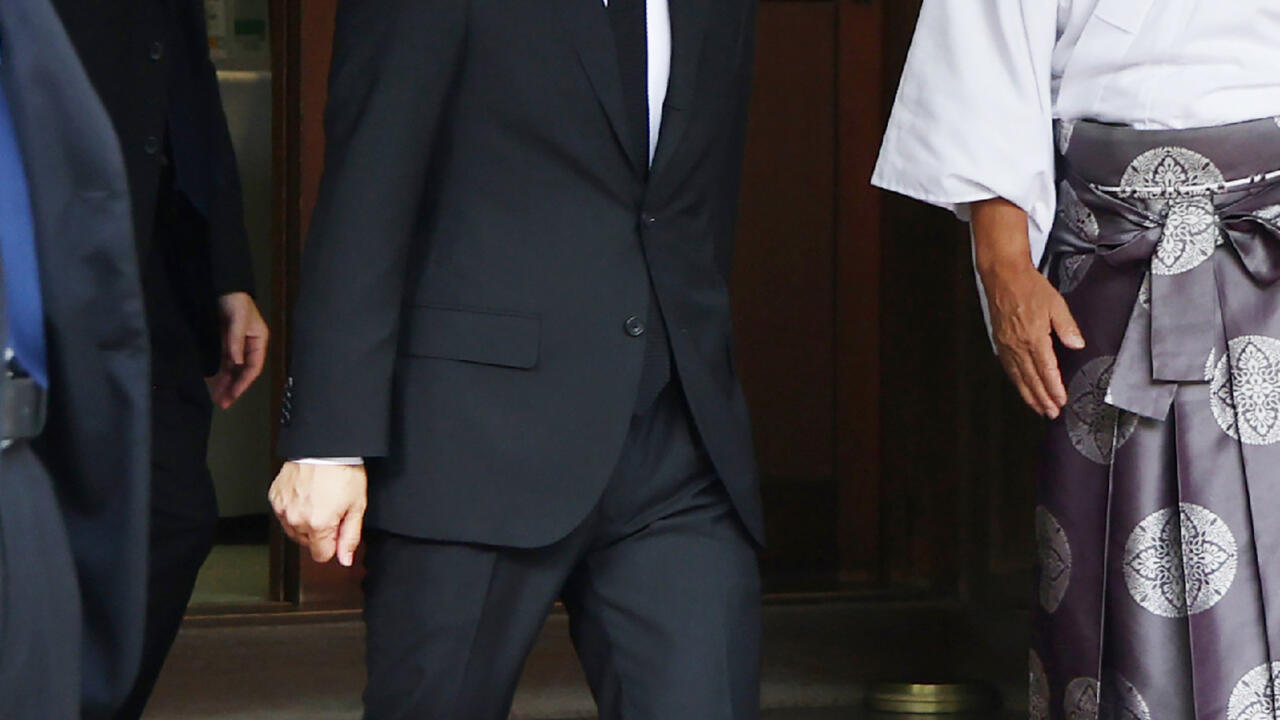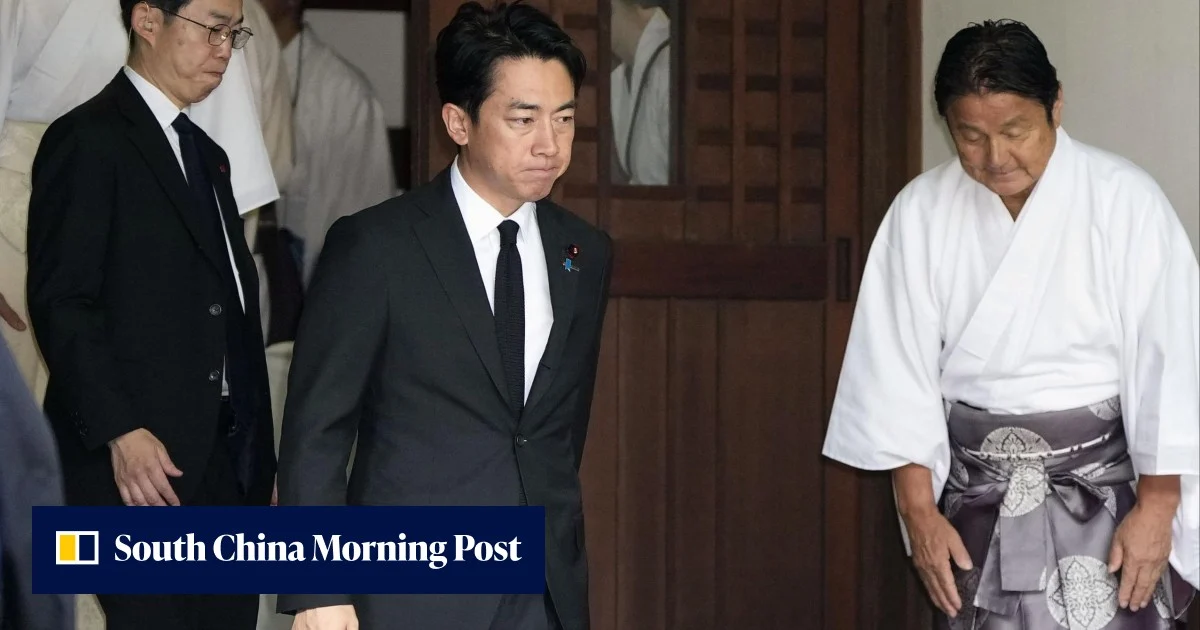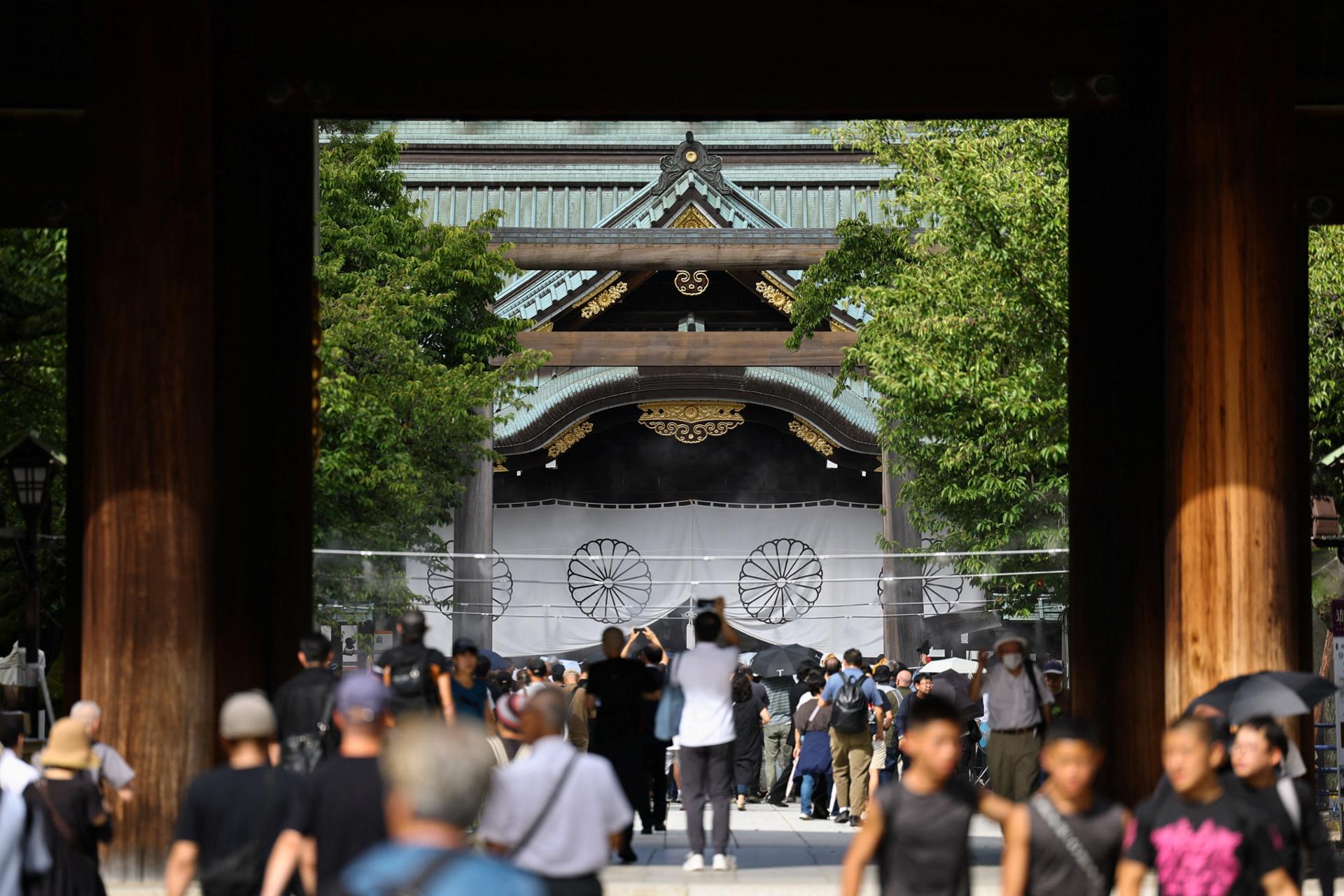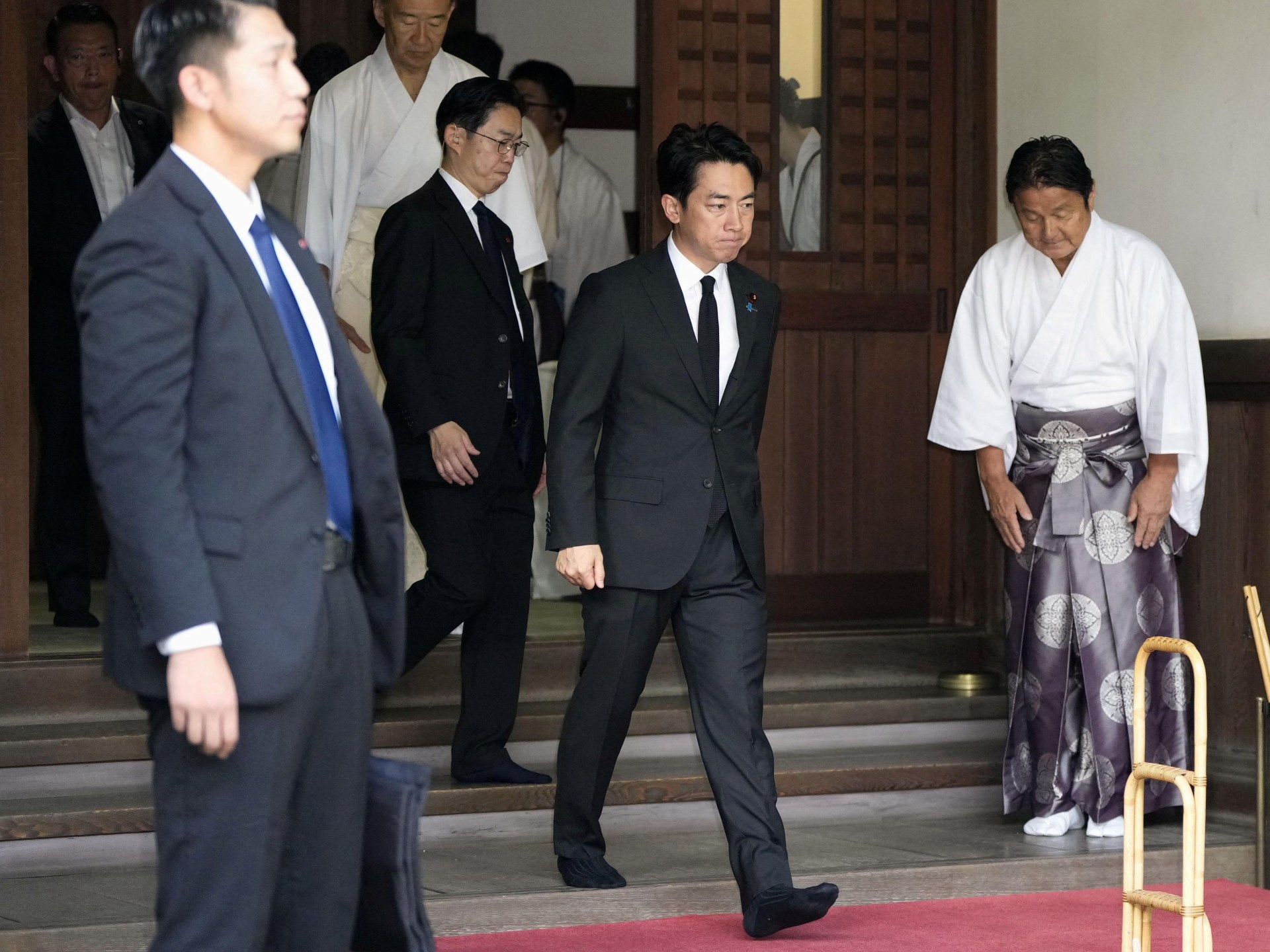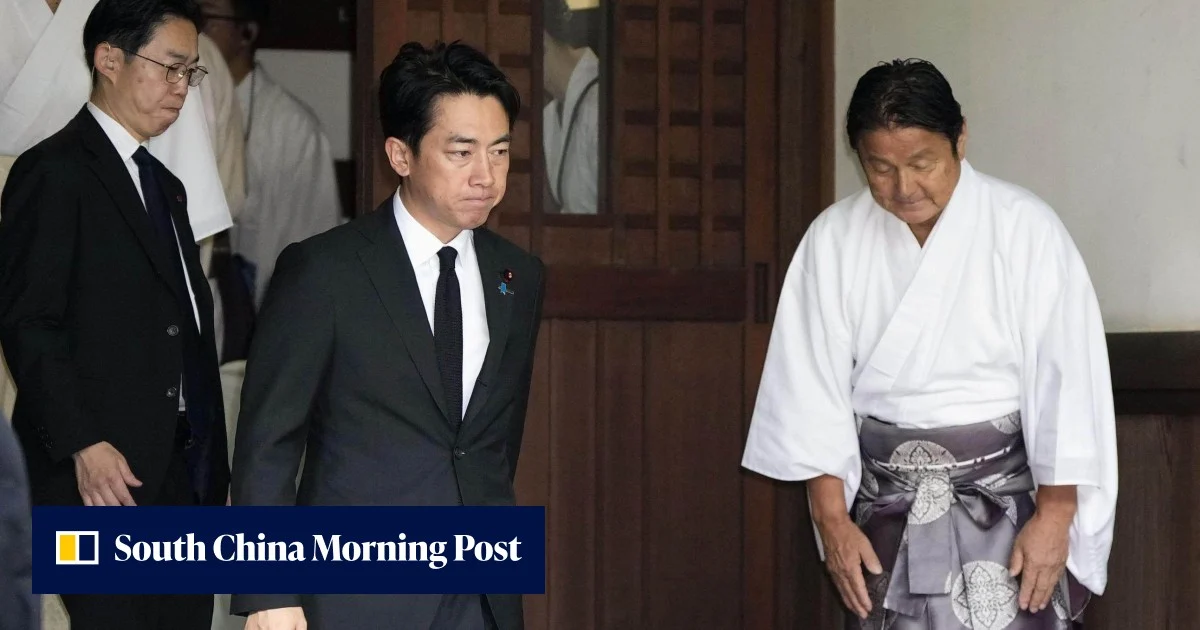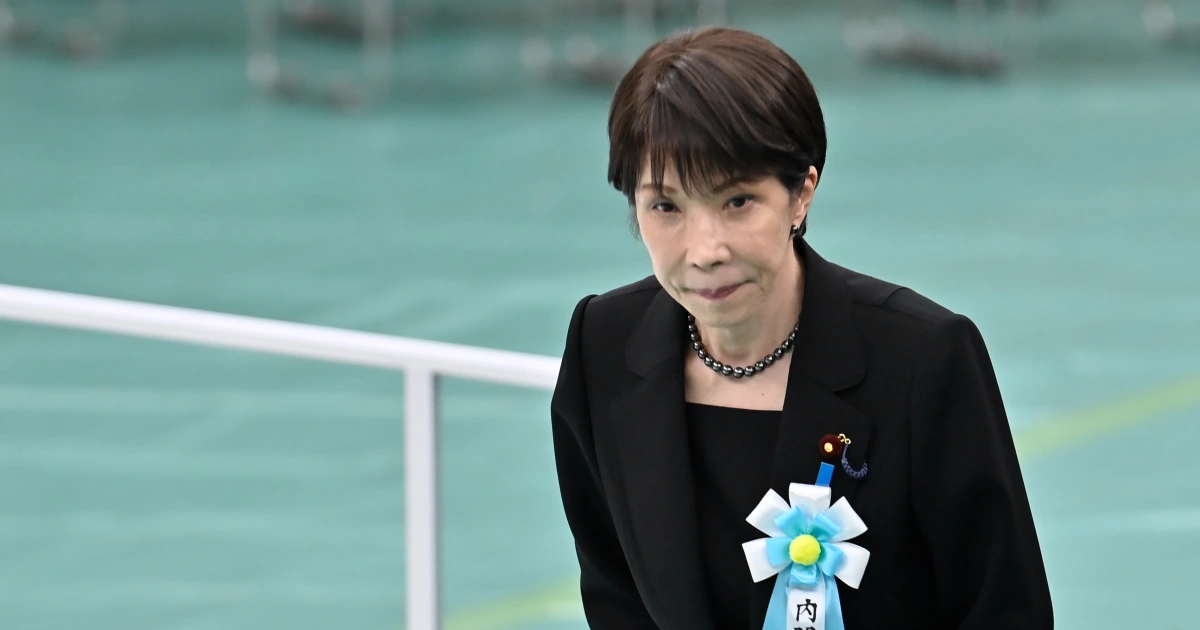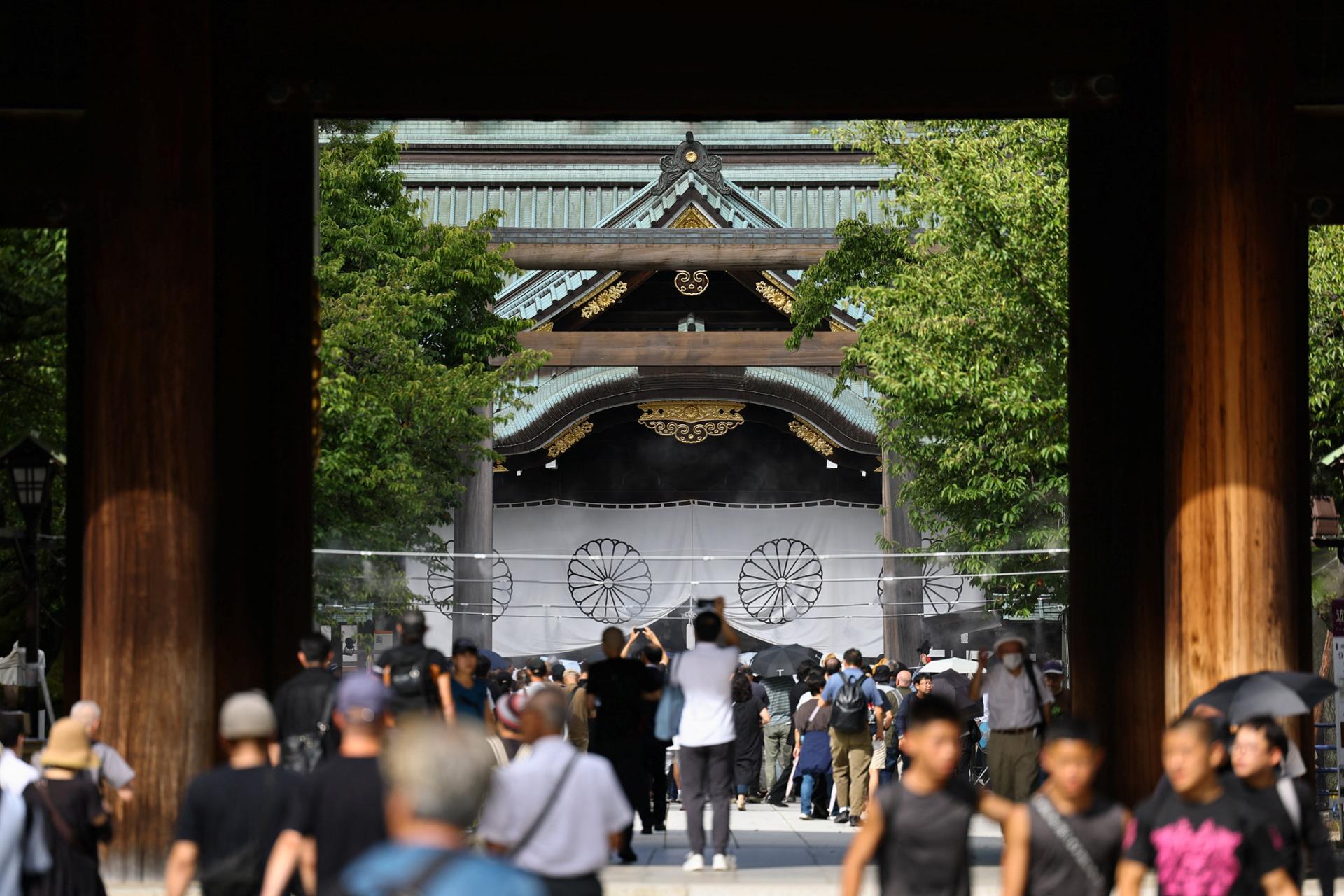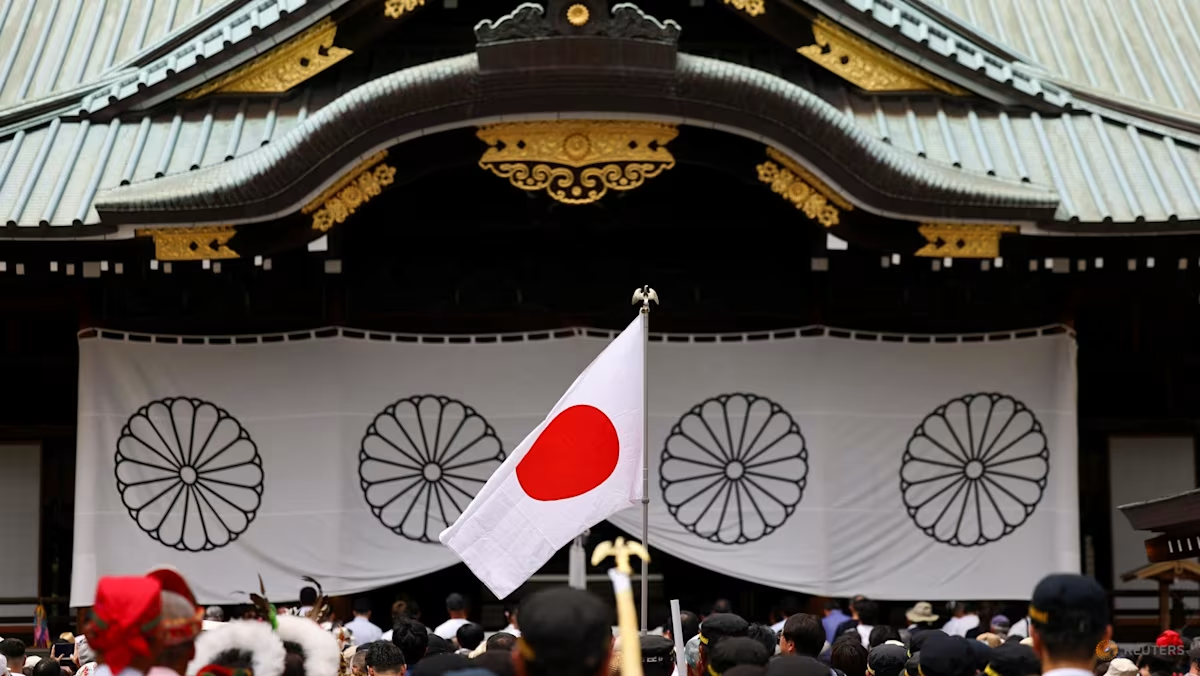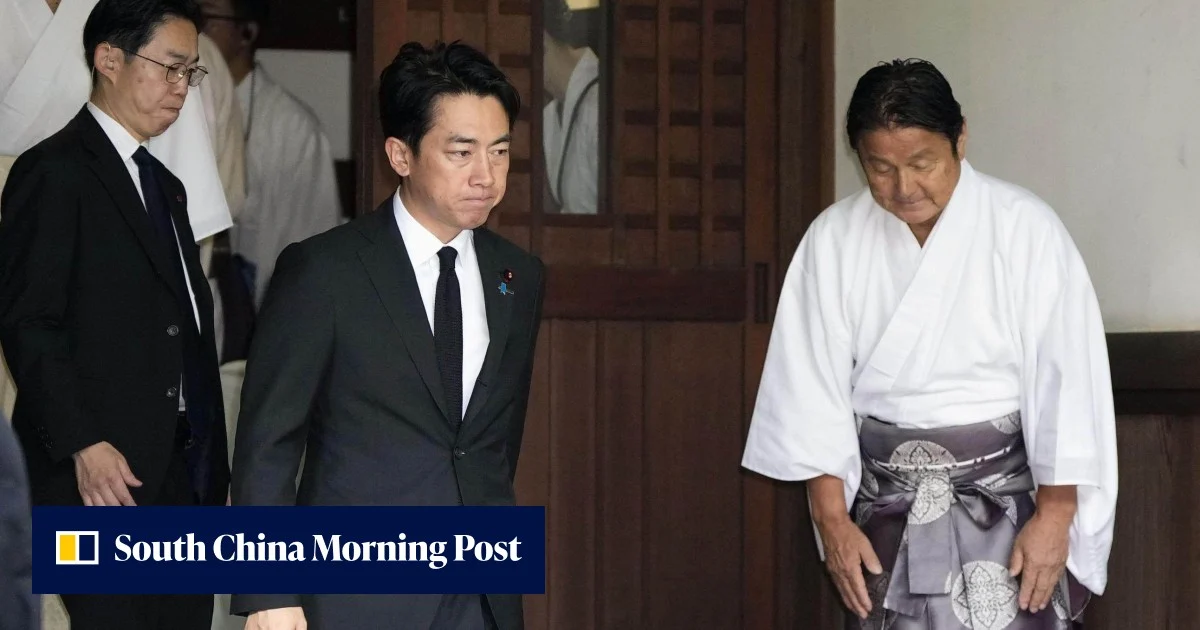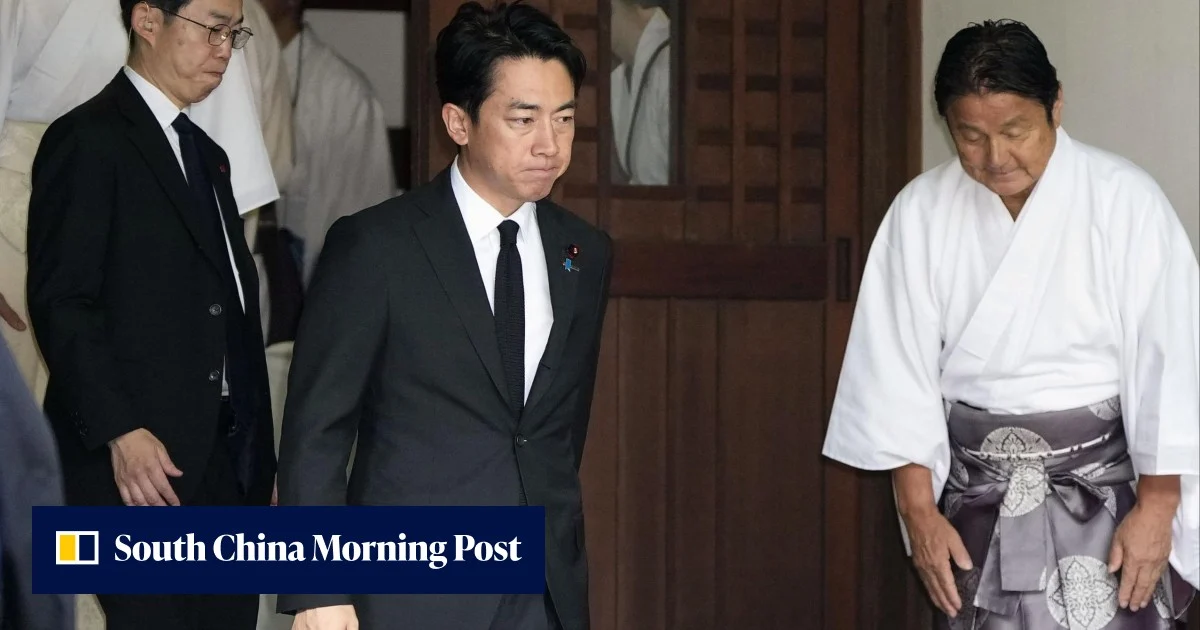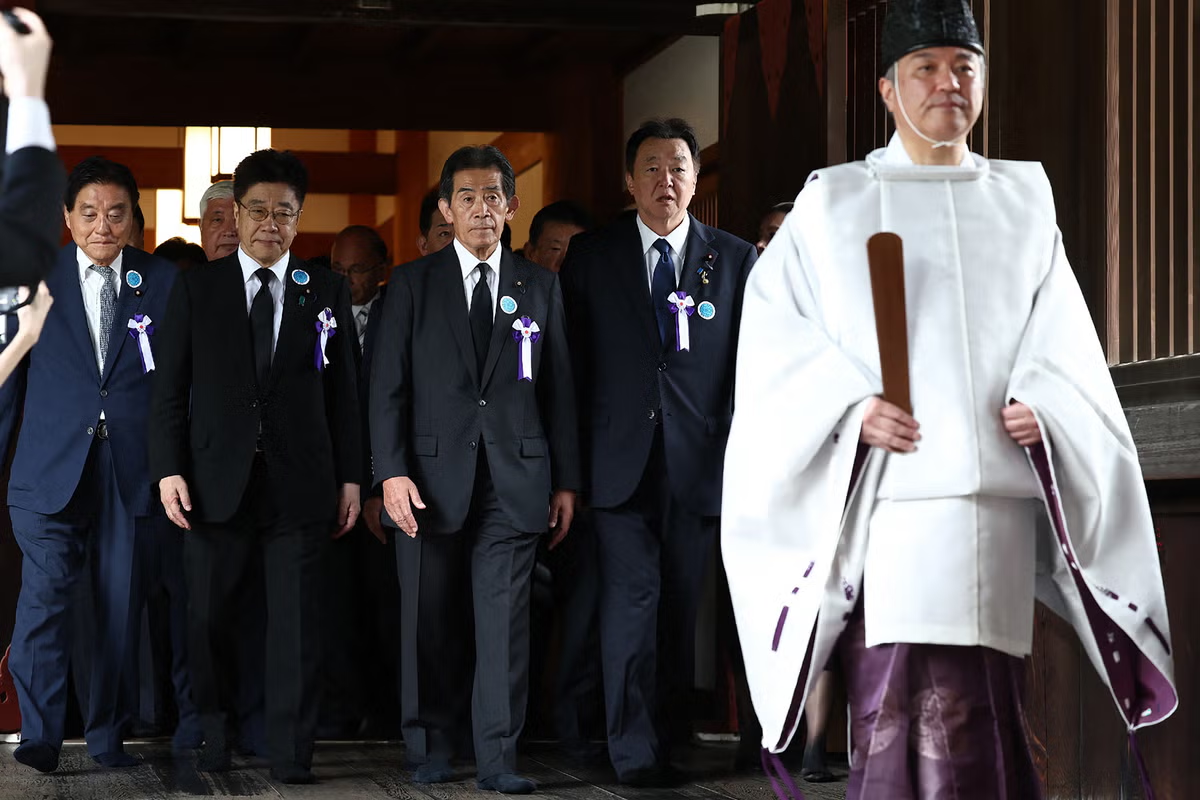
Sanae Takaichi avoided visiting the controversial Yasukuni Shrine in Tokyo despite past pledges to visit the monument on the anniversary of Japan’s surrender during World War II.The shrine honours some 2.4 million people, including 14 war criminals, who died for the Asian nation during the war and is seen as a symbol of Japanese militarism. The prime minister’s decision to stay away from the shrine signals a desire to prioritise diplomatic ties with China and South Korea, which see any visit to the memorial as showing a lack of remorse over the neighbouring country’s wartime atrocities. Imperial Japan occupied China, Korea, and several nations across Southeast Asia during the war. In a speech marking the 81st anniversary of Japan’s surrender on Saturday, the prime minister didn’t mention the Japanese empire’s wartime abuses in Asia or expressed remorse about them.But while Ms Takaichi did not visit the shrine, her defence minister, Shinjiro Koizumi, as well as three executives of her party paid their respects at the memorial.Japanese lawmakers follow a Shinto priest during a visit to the Yasukuni Shrine in Tokyo on 15 August 2026 (AFP via Getty)While the defence minister had visited the shrine previously as well, his latest visit was immediately seen as contentious given Japan’s ongoing push to expand its military capability.Mr Koizumi had said in October that it was natural for anyone in Japan to pay respect to people who sacrificed their lives for their nation.China’s foreign ministry protested to Tokyo claiming the intention behind the visit to the shrine by senior politicians appeared to be to “change the verdict on the war criminals, cover up Japan’s war crimes, distort the historical facts and pave the way for accelerating militarisation”.Beijing urged the neighbouring country to do some “serious soul-searching” and to break away from militarism.A woman prepares to release a white dove as a tribute to the war dead at the Yasukuni Shrine in Tokyo on 15 August 2026 (AFP via Getty)South Korea’s president stated that his administration sought to resolve common challenges with Japan, adding that “Korea-Japan cooperation” was now “more important than ever”.“The new bilateral relationship we are building must warmly illuminate those who are still suffering from pain in the shadows of history,” Lee Jae Myung said on Saturday.The three executives of the ruling party who visited the shrine on Saturday brought offerings in what was seen as a move to make up for Ms Takaichi’s absence, and to appeal to her right-wing supporters.Ms Takaichi looks eager to shore up support from right-wing voters as her popularity is falling sharply, in part due to unpopular revisions to the country’s imperial family succession rules.A man cosplays in military uniform while visiting the Yasukuni Shrine in Tokyo on August 15, 2026, on the 81st anniversary of Japan's surrender in World War II (AFP via Getty Images)Ms Takaichi has routinely held that the post-war generation did not bear any responsibility for Japan’s past actions, reiterating that she had no intention to apologise.She has also denied that Japanese troops held women as sex slaves and the politician was part of a campaign to remove references to wartime sexual slavery from school textbooks.In contrast to the prime minister, Japanese emperor Naruhito said he hoped the ravages of war would never be repeated, while “reflecting on our past and bearing in mind the feelings of deep remorse”.“It is my sincere hope that we shall continue to pass down the memories of the sufferings endured during and after the war,” the emperor said.
Japan PM avoids shrine to WWII dead but defence minister’s visit sparks anger
China urges Tokyo to do ‘serious soul-searching’ after defence minister visits shrine seen as symbol of Japanese militarism
582 words~3 min read