Twenty-four years ago, France went to the polls to stop Jean-Marie Le Pen from becoming President of the Republic. In the second round of the 2002 election, Jacques Chirac won 82.21 percent of the vote to Le Pen’s 17.79. Le Pen’s presence in the run-off was treated as a political emergency requiring something close to national mobilization. Three years later in Germany, the NPD, then the country’s most visible far-right party, won just 1.6 percent in the federal election. Between them, the CDU/CSU and SPD commanded almost 70 percent of the German electorate. The far right was nowhere near exercising serious influence over the federal government. By the summer of 2026, that Europe survives only in political memory. Marine Le Pen enters the 2027 presidential race with 36 percent in the first round in an Ifop poll conducted in July. In Germany, the AfD won 20.8 percent in the 2025 election and is polling as high as 27 percent in the summer of 2026, enough for first place. In Italy, Giorgia Meloni has already done what Le Pen is still trying to do, and what the AfD remains far from achieving: the right won power, kept it, and then increased its support at the next major electoral test.JOIN US ON TELEGRAMFollow our coverage of the war on the @Kyivpost_official. The easiest explanation is that Europe has simply become more radical. It is also the laziest and the most superficial. The Europe of 2005 Europe’s political order in the early years of this century rested on a broad consensus between parties of the center-left and center-right. They differed over taxation, the welfare state, the labor market, and the pace of European integration, but their basic assumptions were shared. Globalization brought more benefits than costs. European integration widened the space for prosperity and stability. Migration was something the state could manage. Europe’s industrial competitiveness was regarded as an enduring advantage.
Why Europe’s Traditional Parties Are Losing Ground to the Right
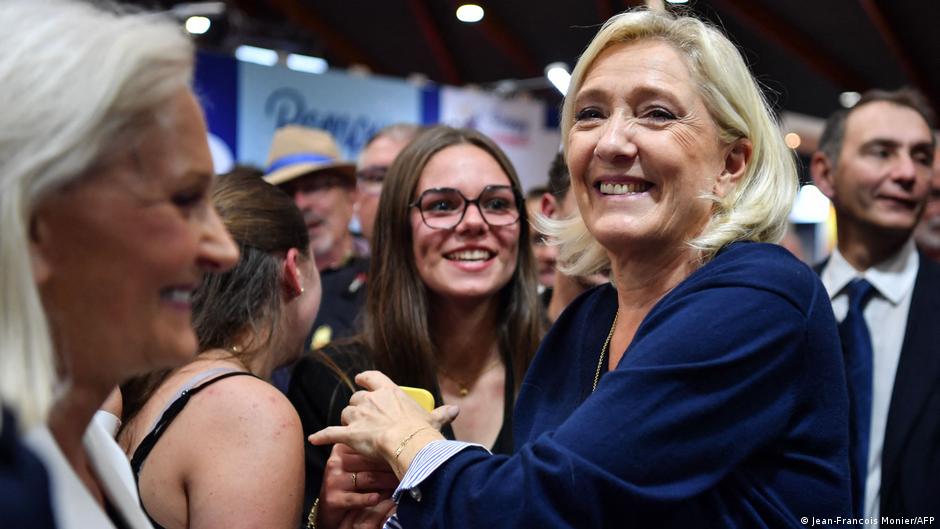
Many voters increasingly feel that mainstream politicians have failed to address problems that directly affect their daily lives.
2,484 words~11 min read