eBPF-Powered Request Tracing in Go Microservices Without Instrumentation Tax
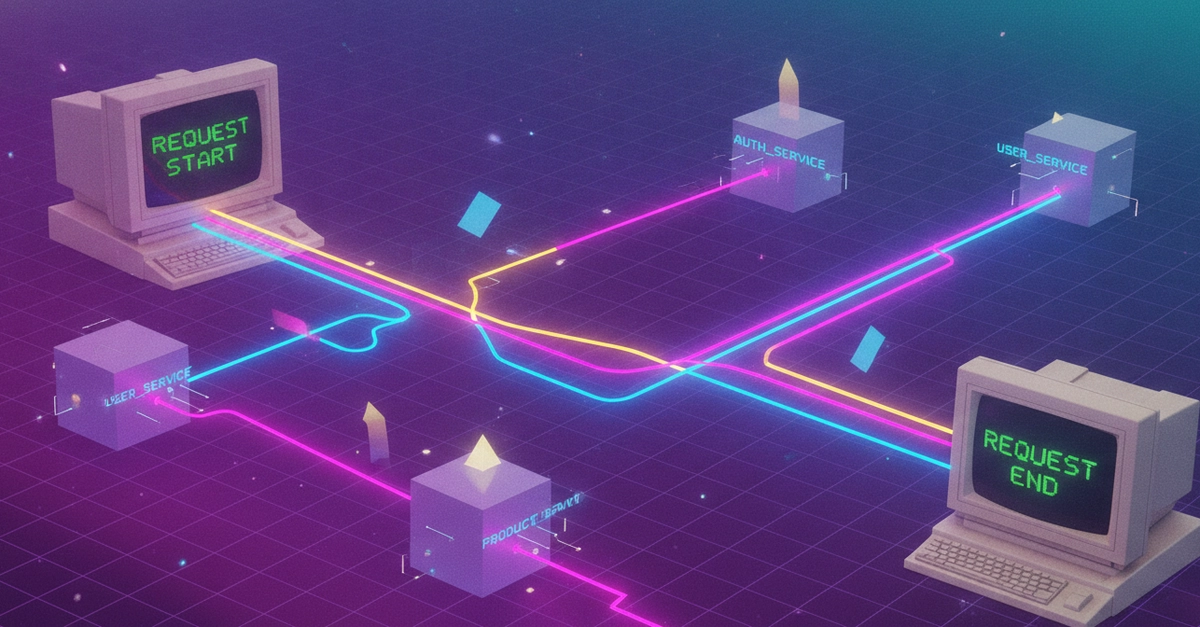
Manual OpenTelemetry instrumentation in Go microservices carries a compounding cost: every SDK call site, every context propagation branch, every baggage extraction is code that can drift, be omitted in a hot path, or impose measurable CPU overhead at high RPS. The alternative that has become operationally viable in 2025–2026 is attaching eBPF uprobes directly to Go runtime symbols and HTTP/gRPC library entry points to reconstruct distributed traces from kernel and user-space events—no code change required in the target binary.
This article examines the mechanics of that approach, where it breaks, and the tradeoffs that determine whether it belongs in your production stack.
Why Go's Runtime Makes eBPF Tracing Non-Trivial
eBPF uprobes work by patching a breakpoint instruction at a specified offset in a running binary. When execution hits that offset, the kernel pauses the thread, runs the attached BPF program, and resumes. For C or Rust binaries this maps cleanly onto function prologues. Go introduces three complications.