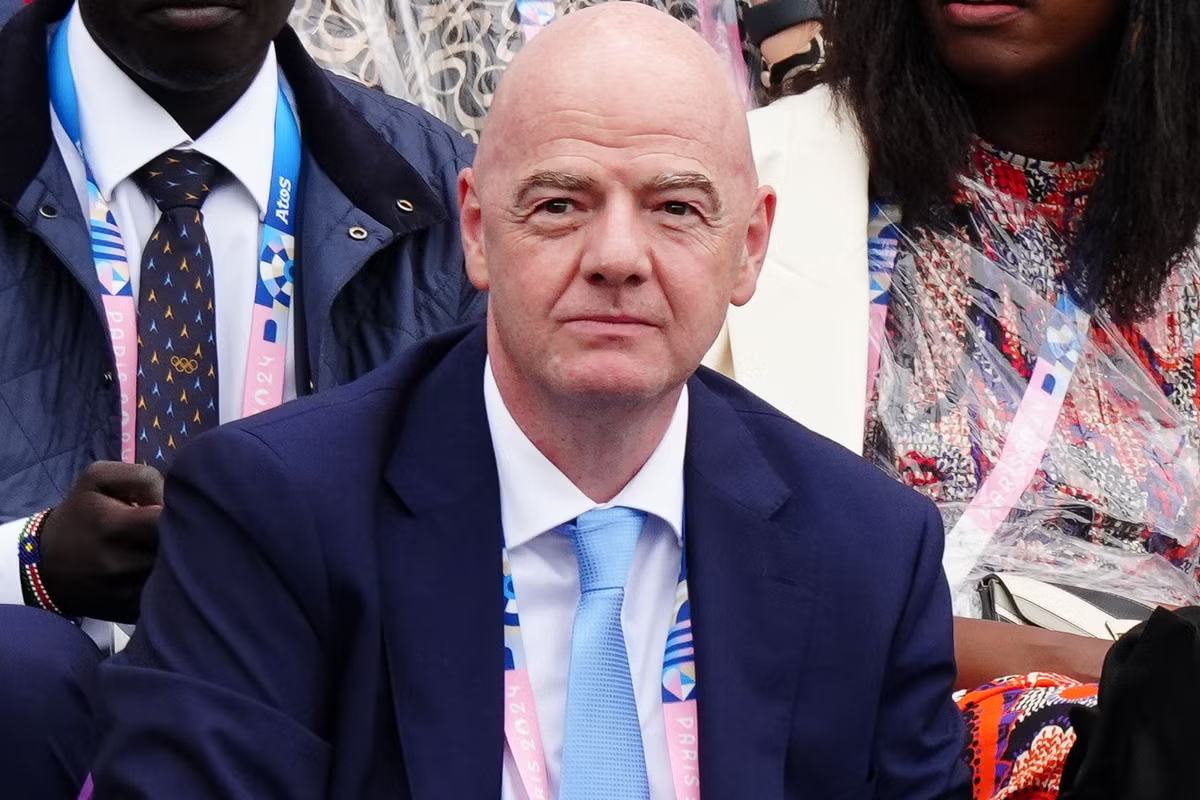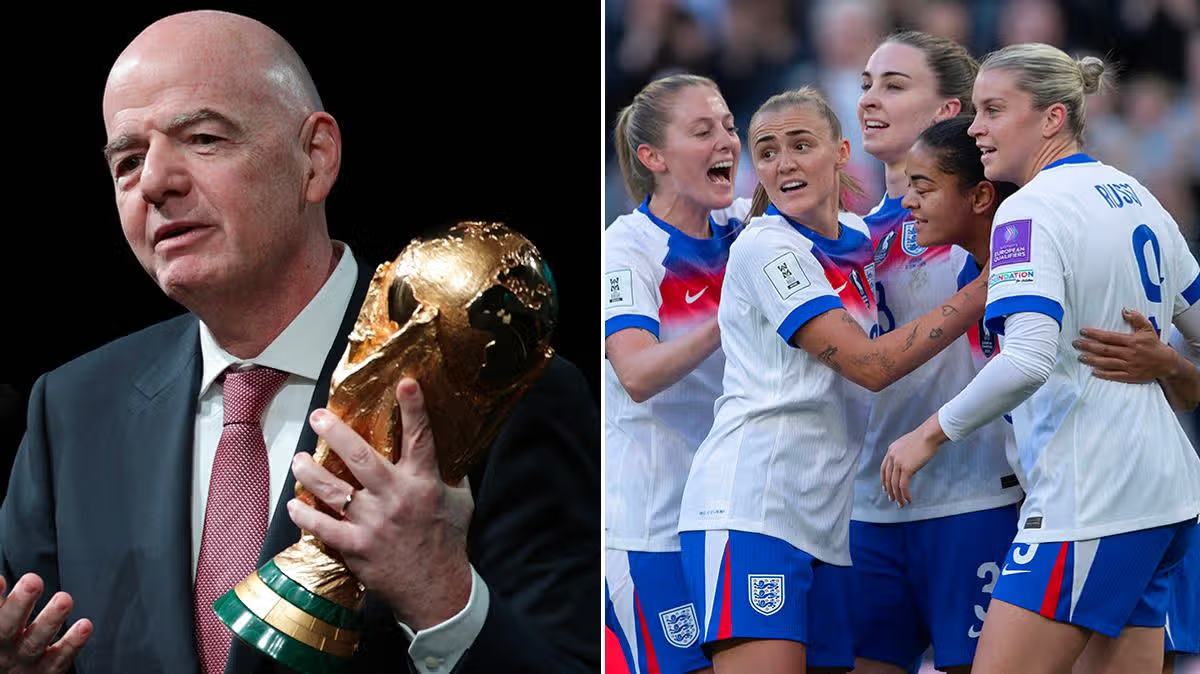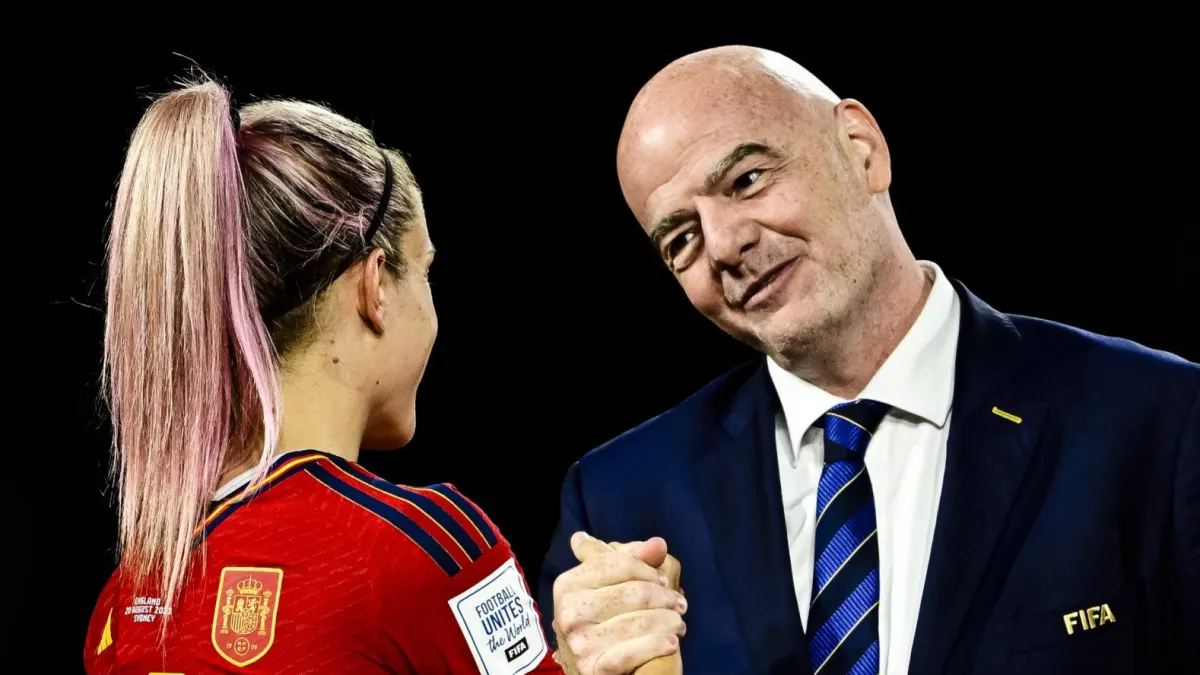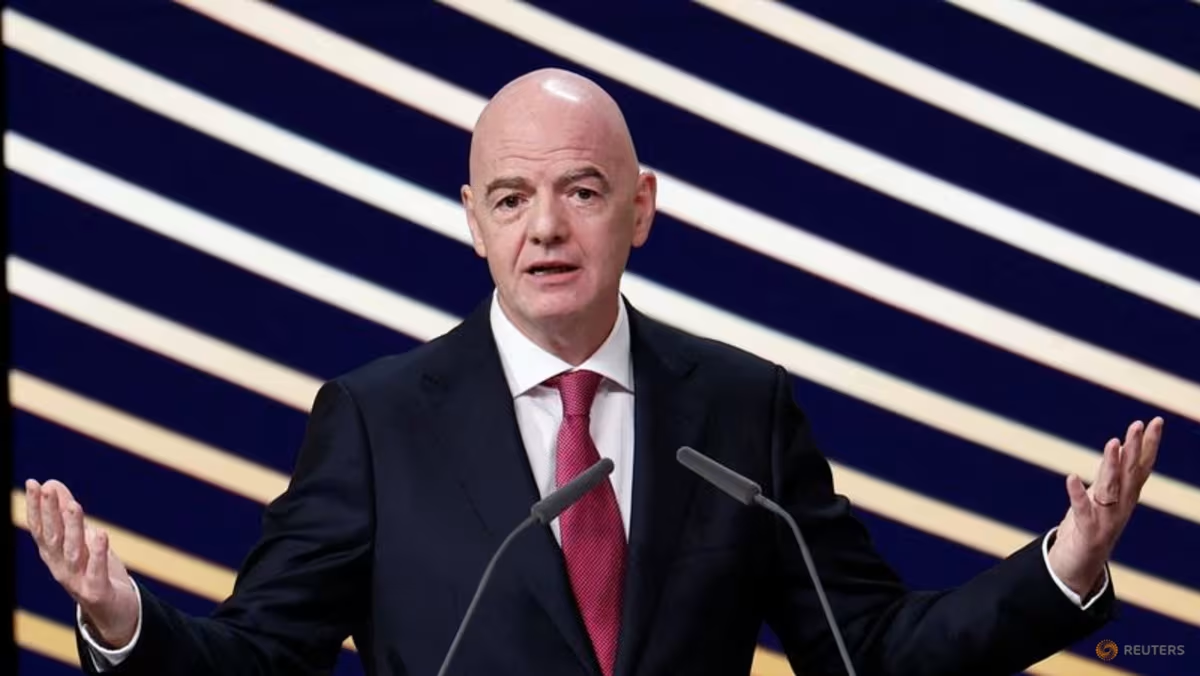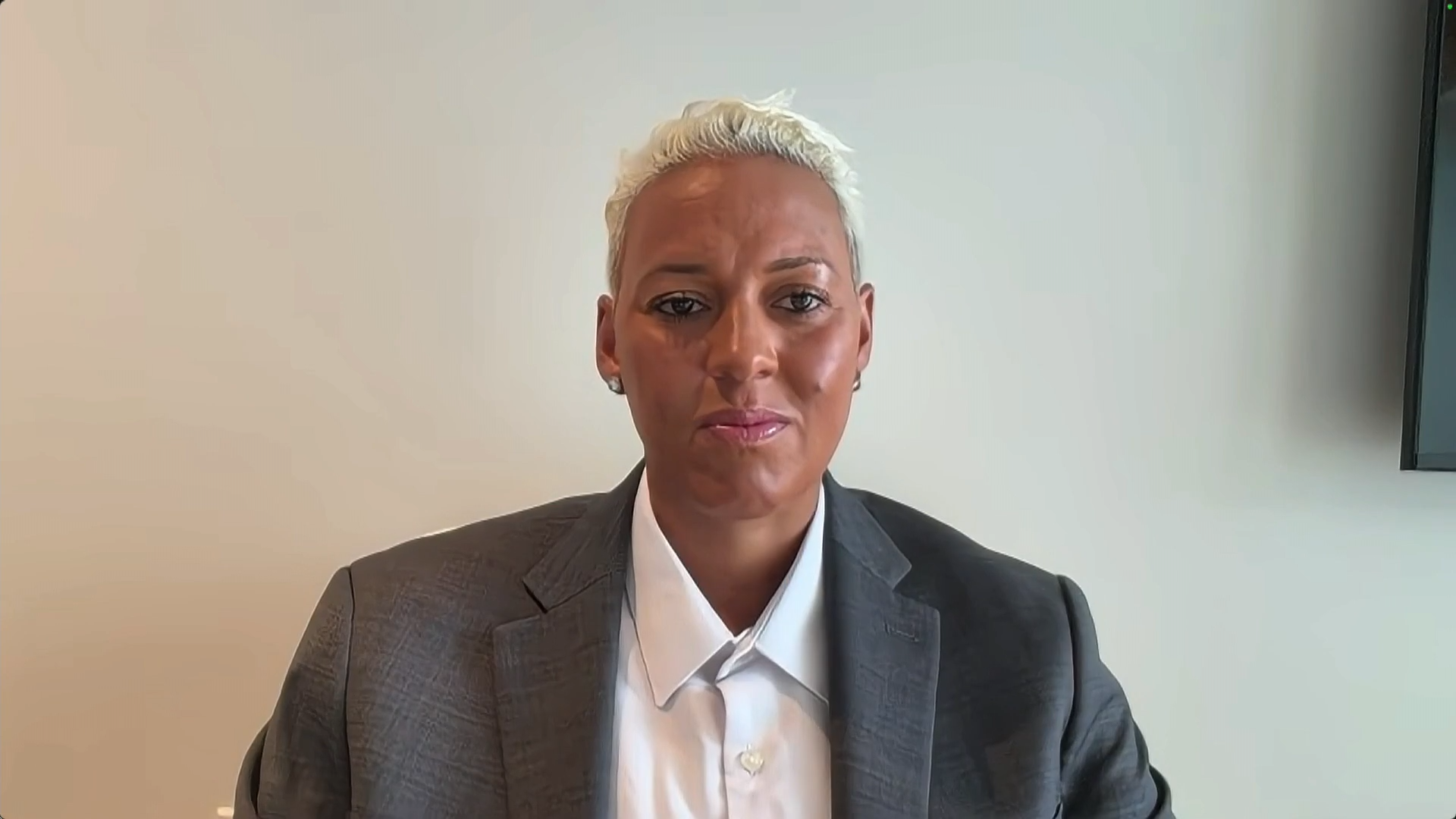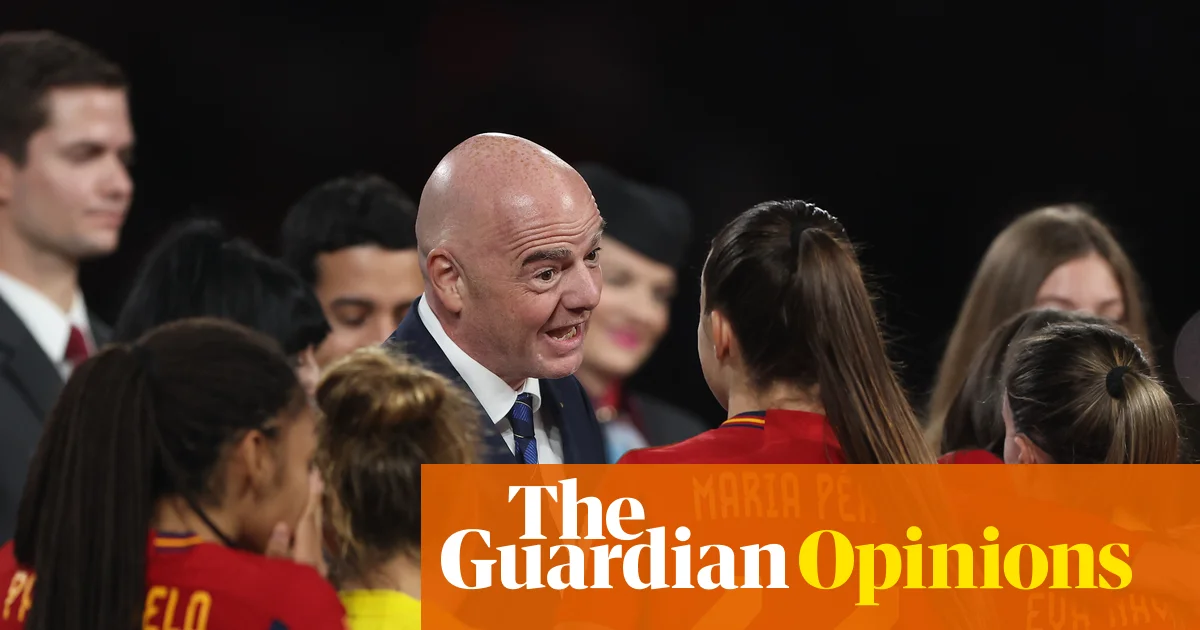
“And I say to all the women … Pick the right battles. Pick the right fights. You have the power to change. You have the power to convince us men what we have to do and what we don’t have to do. You do it. Just do it. With men, with Fifa, you will find open doors. Just push the doors. They are open.”Those were the condescending words of Fifa’s president, Gianni Infantino, three years ago during a tone-deaf speech in Sydney, which left his audience, including some of the most senior women in the game, exasperated. It is a damning indictment of Infantino’s tenure that his patronising monologue on the eve of the Women’s World Cup final now barely even creeps into the top 10 of the most controversial moments since his latest re-election, in March 2023.Yet, with the Swiss administrator’s future hanging finely in the balance, the power to enforce once-in-a-generation change at Fifa may well be in the hands of women’s teams after all, as the threat of a boycott lingers over September’s Women’s Under-20 World Cup, the Women’s Under-17 World Cup, which gets under way in October, and that month’s senior World Cup playoff ties for next summer’s major showpiece, the Women’s World Cup in Brazil.This week Lisa Nandy told the BBC that Infantino “should go” and, overall, the culture secretary spoke well on the matter, but she added that she would not support a boycott of the U20 World Cup and said she was “not generally in favour of sporting boycotts full stop – because they unfairly penalise athletes and competitors who are not responsible for the reason that these boycotts take place”. On that specific element, it is important to respectfully disagree with Nandy and the many others who share that view.Yes, it would feel deeply unjust for football’s political turmoil to have an adverse impact on the development of the world’s best young women footballers through no fault of their own, but that is why any participating countries being prepared to boycott the upcoming under-20 tournament would send such a powerful message.It is tempting to follow the stance that many working within the women’s game are taking privately, which is that it would be a travesty if women’s football, having been neglected and let down by the authorities for generations, was harmed again by disruption to such a significant tournament, but the painful reality is that the young generation of women’s stars stand to be most affected by the decisions that are made by governing bodies in the days, weeks and months ahead.North Korea celebrate winning the most recent Women’s U20 World Cup, in 2024. Photograph: Julian Medina/SPP/ShutterstockAnd yes, is it unfair for women’s teams, and young women’s teams in particular, to shoulder the responsibility of taking a stance against the now-scrapped vision of selling off a stake in Fifa tournaments – which, we should remember, would include all Fifa’s women’s tournaments too – through the murky concept of the Fifa Forward Enterprise subsidiary, but it is their futures, and the organisation of the World Cups finals that will come to define their careers, which are at stake.And the future of the governance of the sport, and decisions about who runs the game, is a debate that women’s football players, coaches and fans all deserve a much more vocal say in, on far more deep-rooted injustices than those that have dominated the news in recent weeks.Is it fair that, for example, there are only two women – Paola López of Mexico and Vietnam’s Thi My Dung Nguyen – among the 18 members of Fifa’s disciplinary committee, which hit the headlines amid the farcical Folarin Balogun scandal this summer? Or that all 10 of the members of Fifa’s Future of Football committee are men?Is it fair that, of the 37 members of Fifa’s council, the organisation’s strategic and oversight body, 29 are men and only eight are women? Or that seven of the eight vice-presidents are men?Is it fair that the 2023 Women’s World Cup prize money totalled $110m and this summer’s men’s World Cup’s prize pot was around eight times larger, at a record-breaking $871m?skip past newsletter promotionafter newsletter promotionIt would be wrong to say that there have not been positive improvements in women’s football across the world since Infantino took office in 2016. The past decade has included long overdue, albeit still very important and welcome, enhancements to provisions for players and coaches at women’s tournaments, a sizeable growth in financial investment and huge uplift in prize money, albeit from a very low bar. It is also fair to say that there are many key figures in the women’s game, across all continents, who support Infantino and are appreciative of the gradual improvements that are being made, while acknowledging that there is still a very long way to go.Lucy Bronze has backed a boycott. Photograph: Mike Egerton/PABut everyone associated with women’s football should be concerned that the 25-page sales pitch that was titled Fifa Forward Enterprise Member Materials contained only one token reference to women’s football. It is why the England defender Lucy Bronze was right to use her voice to say she backed a boycott “for the good of the game”.On Friday morning, the latest twist in Infantino’s future delivered both positives and negatives for the under-fire president, as on the one hand, the Oceania Football Confederation declared its support for Infantino, while the confederation’s biggest member, New Zealand, withdrew its backing for him. New Zealand, impeccable co-hosts of the most recent Women’s World Cup, will have had plenty of reasons to support Infantino but has chosen to use its platform to call for “stronger governance, accountability and transparency”.Shortly before that news, on Thursday, a feature article was published on Fifa’s website entitled “Europe’s finest hours at the Under-20 Women’s World Cup”, looking back at dazzling performances of young breakthrough stars such as Spain’s Salma Paralluelo’s in 2022 or the Germany striker Alexandra Popp in 2010. Next month six European teams – including the hosts, Poland – are scheduled to show the world what they are capable of, but – whether the timing of that article was purely coincidental, political or ironic – European women’s under-20 teams’ finest hour may still be yet to come.
Women’s U20 World Cup boycott may hurt in short term but can send Fifa a vital message | Tom Garry
Women’s football has much to gain from the kind of reforms that threats to snub upcoming tournaments might prompt. Infantino should be taken on
1,044 words~5 min read