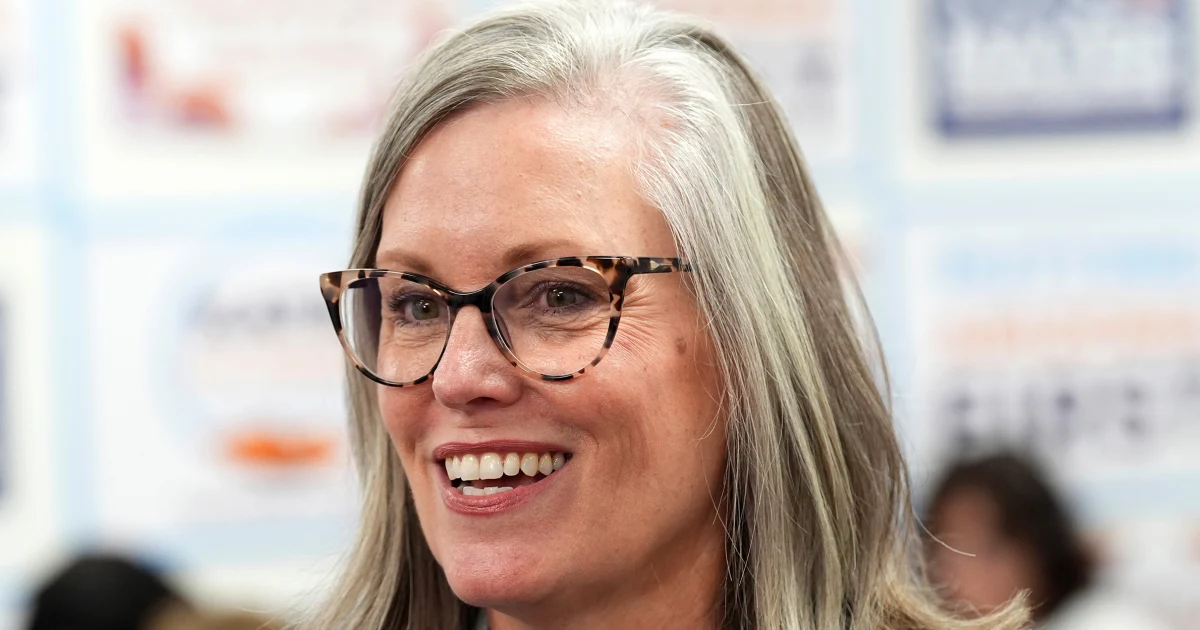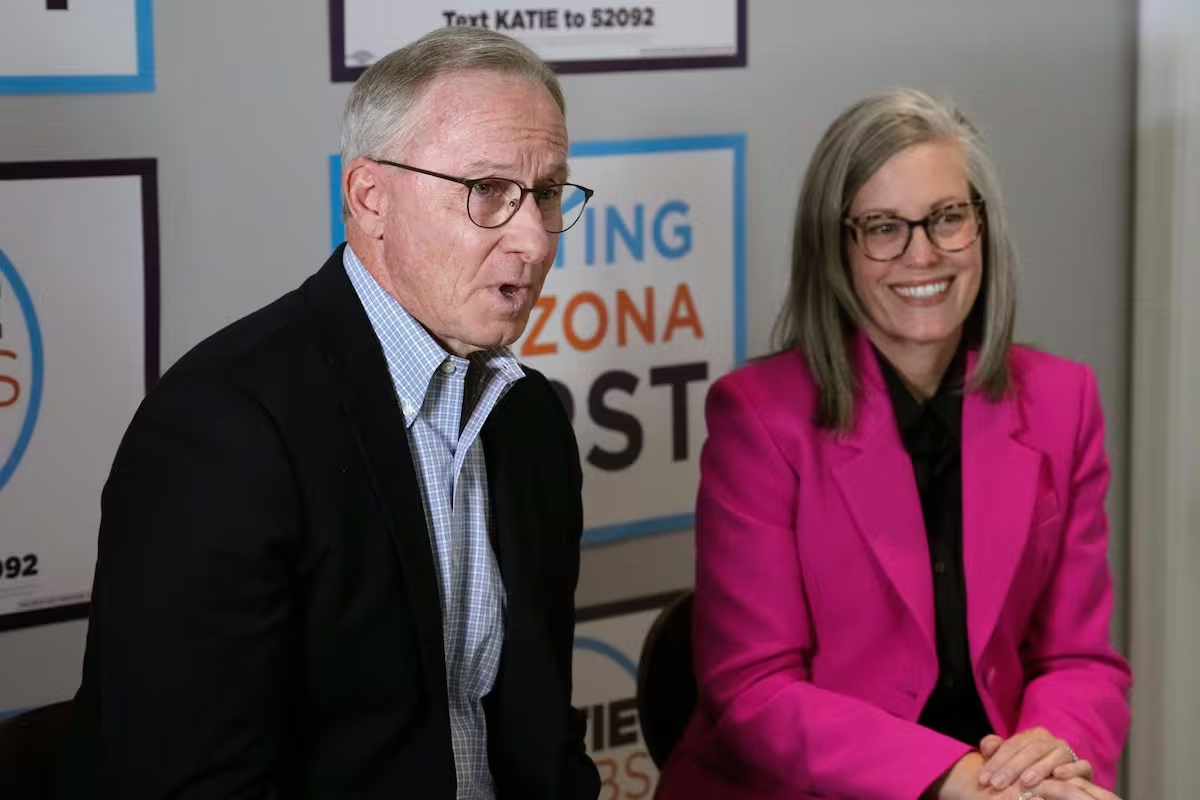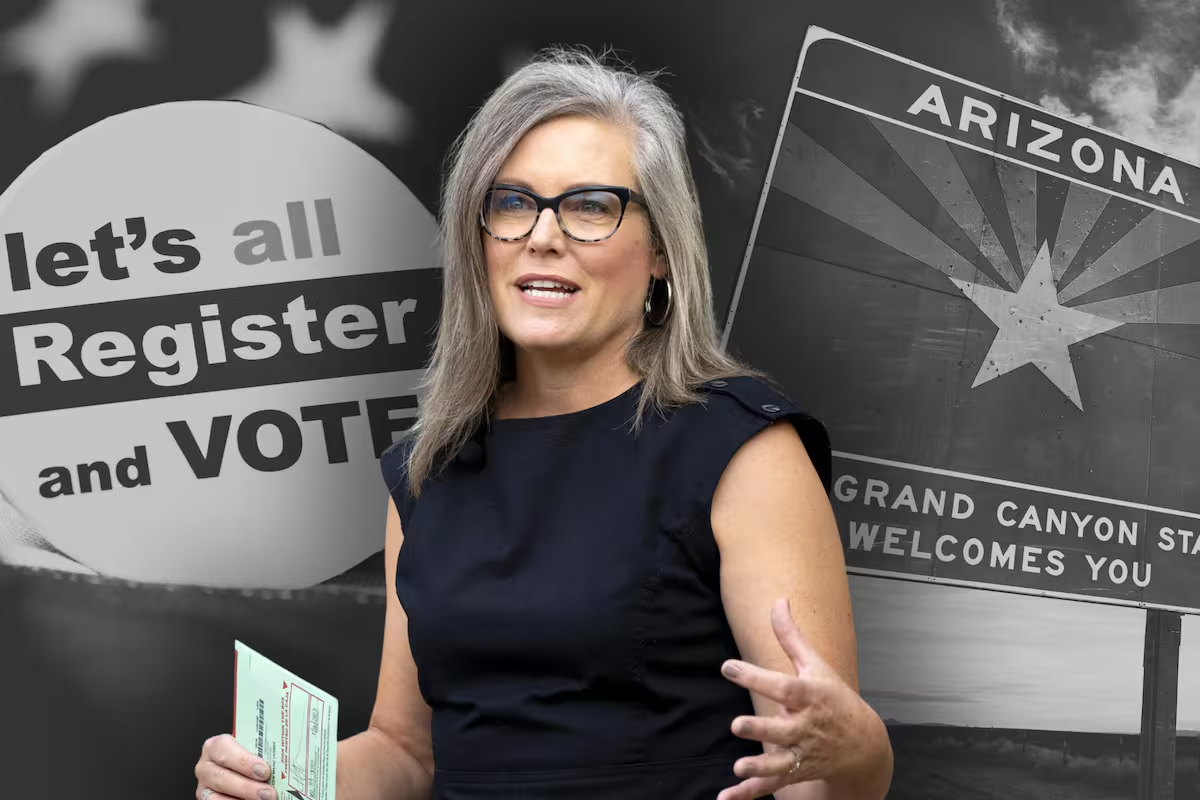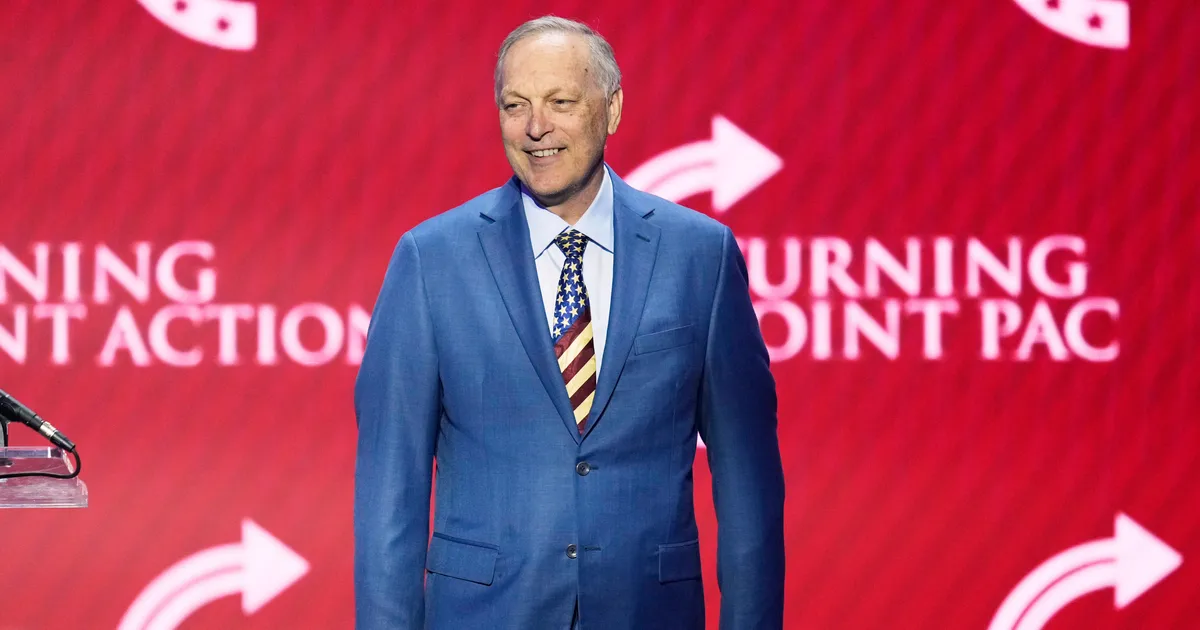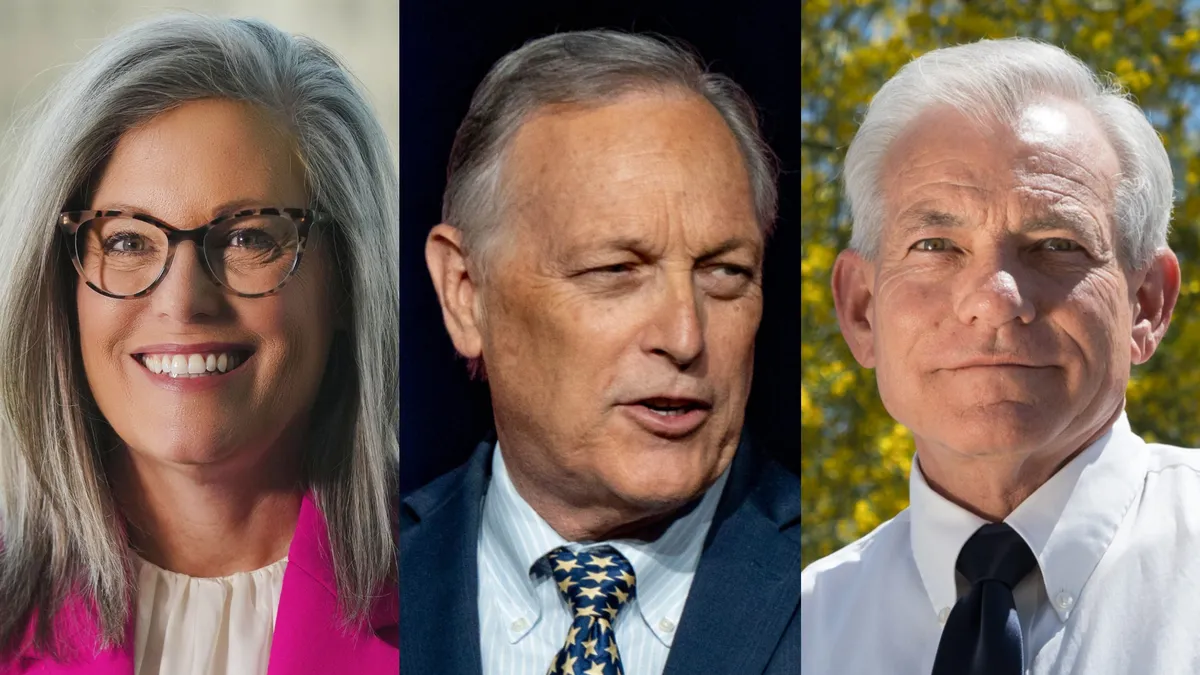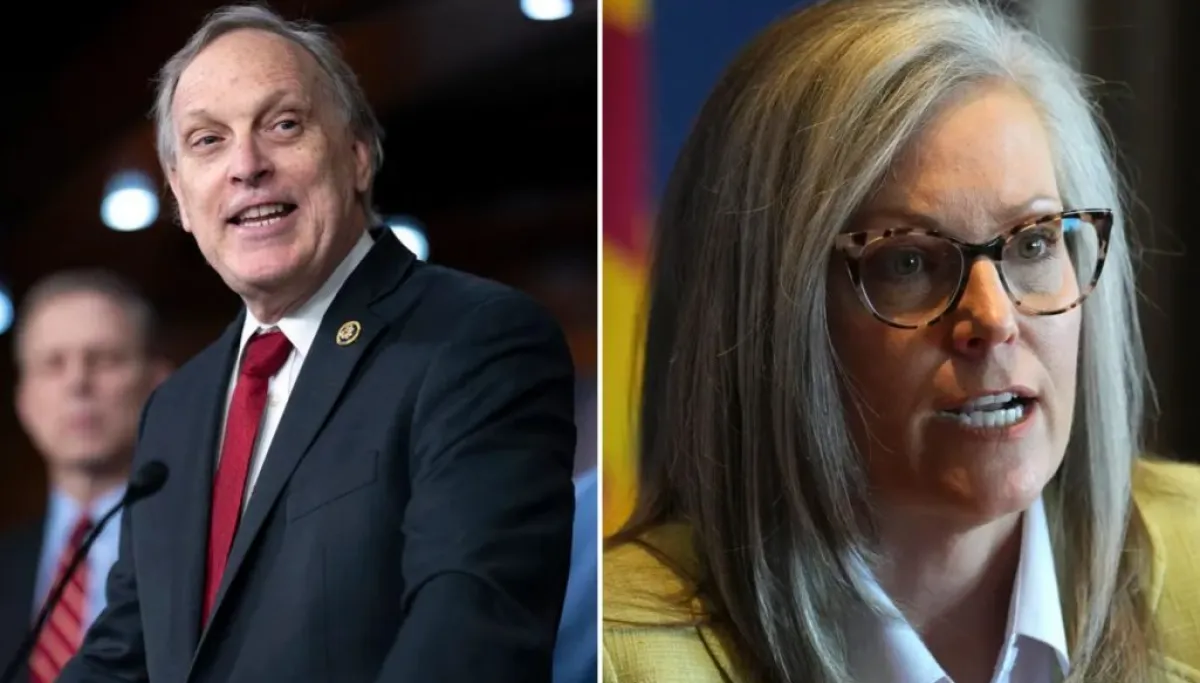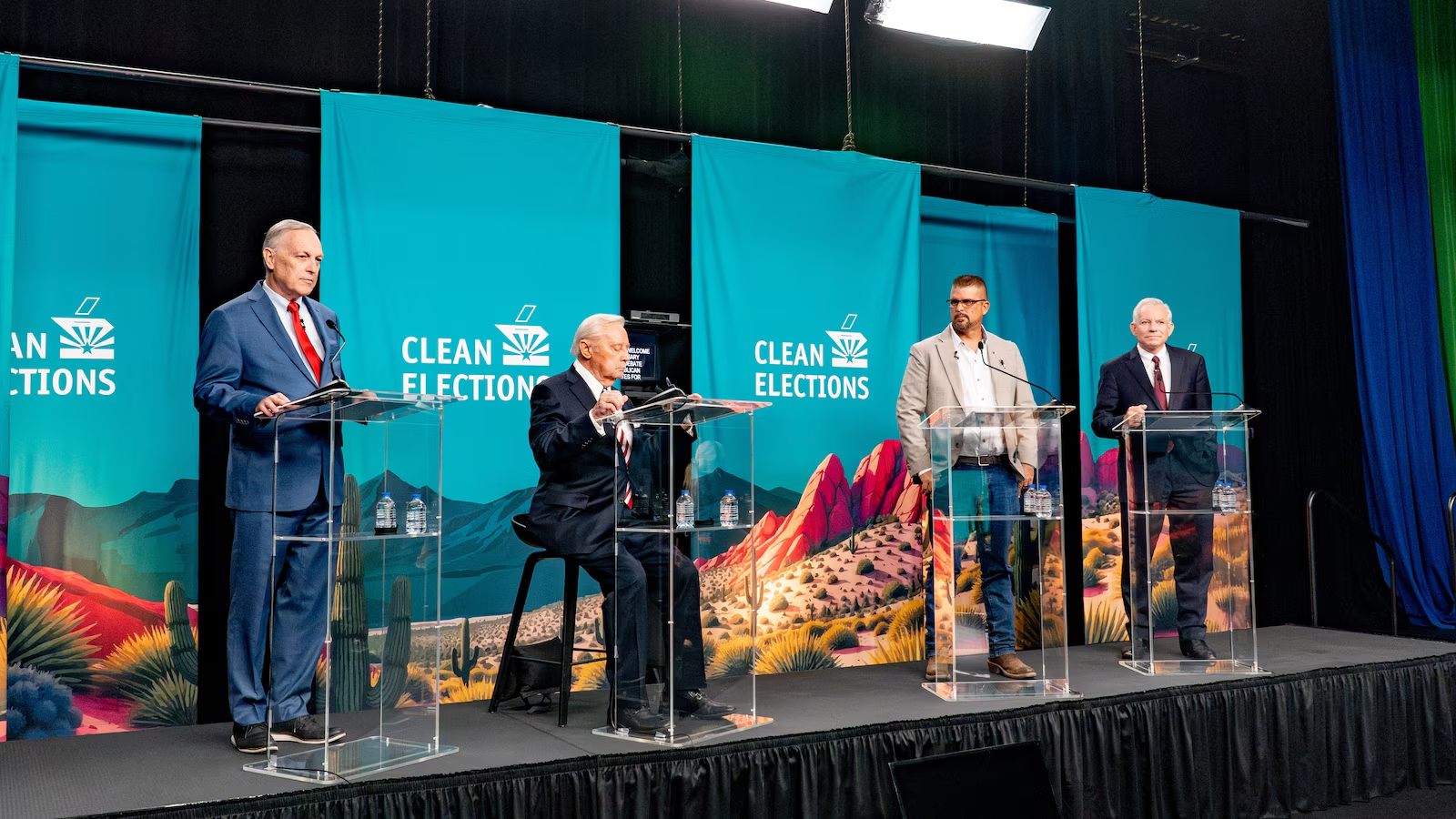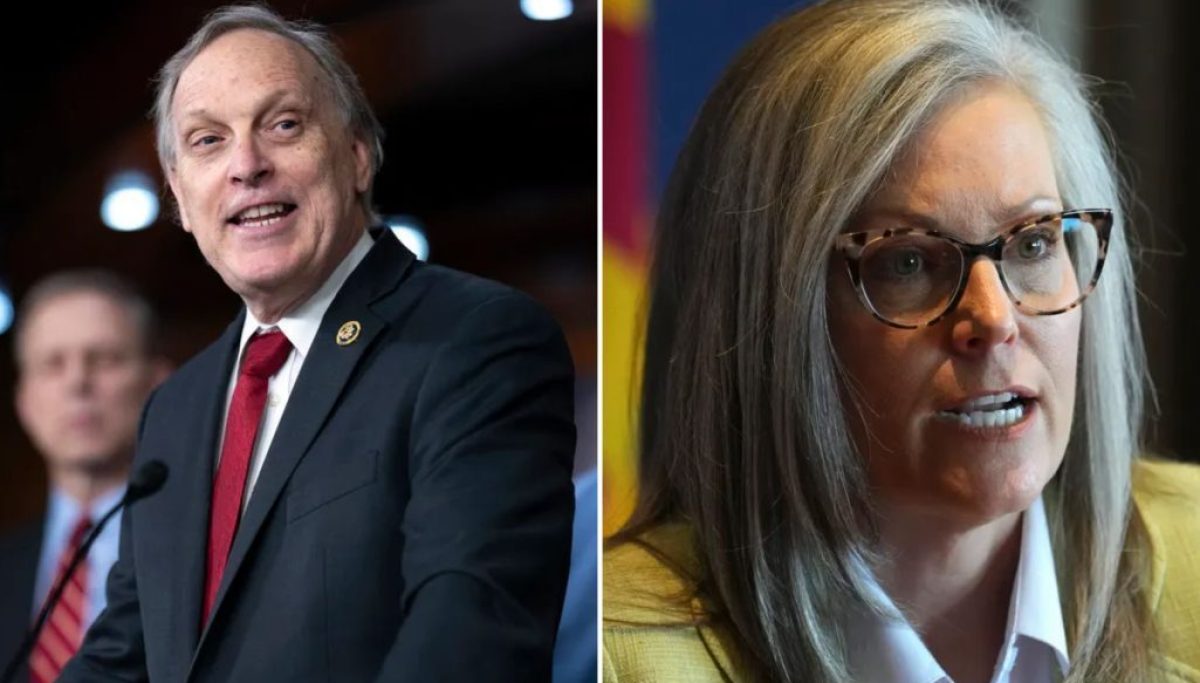
Gov. Katie Hobbs (D-AZ) is once again refusing to debate a Republican challenger, reviving a question that could become increasingly difficult for incumbent governors to avoid: Can they get away with avoiding a face-off against their opponent, a staple of modern statewide campaigns?Hobbs says she won’t debate Rep. Andy Biggs (R-AZ), the GOP gubernatorial nominee. Hobbs took the same approach four years ago, declining to debate Kari Lake in the 2022 race. Hobbs, then Arizona’s secretary of state, argued that Lake, a sharp-tongued former television newscaster, was more interested in political spectacle than substance.Hobbs, 56, ultimately won by a bit over 17,000 votes out of more than 596,000 cast, good for a 50.32%-49.65% edge. This time, however, she is an incumbent facing a sitting member of Congress, and the political calculus may be different.
Her campaign says she has participated in more than 100 open-press events and interviews this year and argues that meeting voters directly is more valuable than appearing on a stage designed for “short soundbites and political theater.” Biggs, 67, has seized on the refusal, repeatedly challenging Hobbs to debate and making her absence itself part of his campaign message.The standoff echoes a developing dynamic in California, Arizona’s behemoth neighbor to the west. There, Republican gubernatorial candidate Steve Hilton has repeatedly pressed Democratic front-runner Xavier Becerra to debate him. Together, the races raise a larger question about whether incumbents and front-runners increasingly calculate that debates offer more risk than reward, particularly when campaigns can communicate directly to voters through television, digital, and social media.For incumbents, debates can do more harm than good