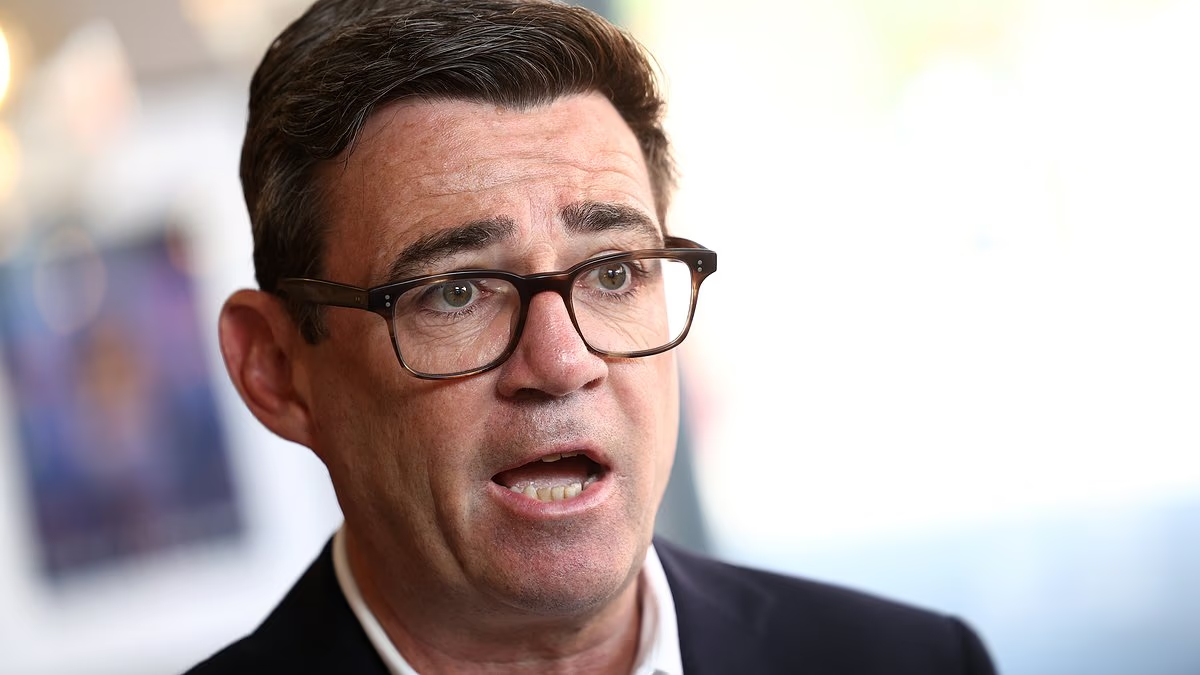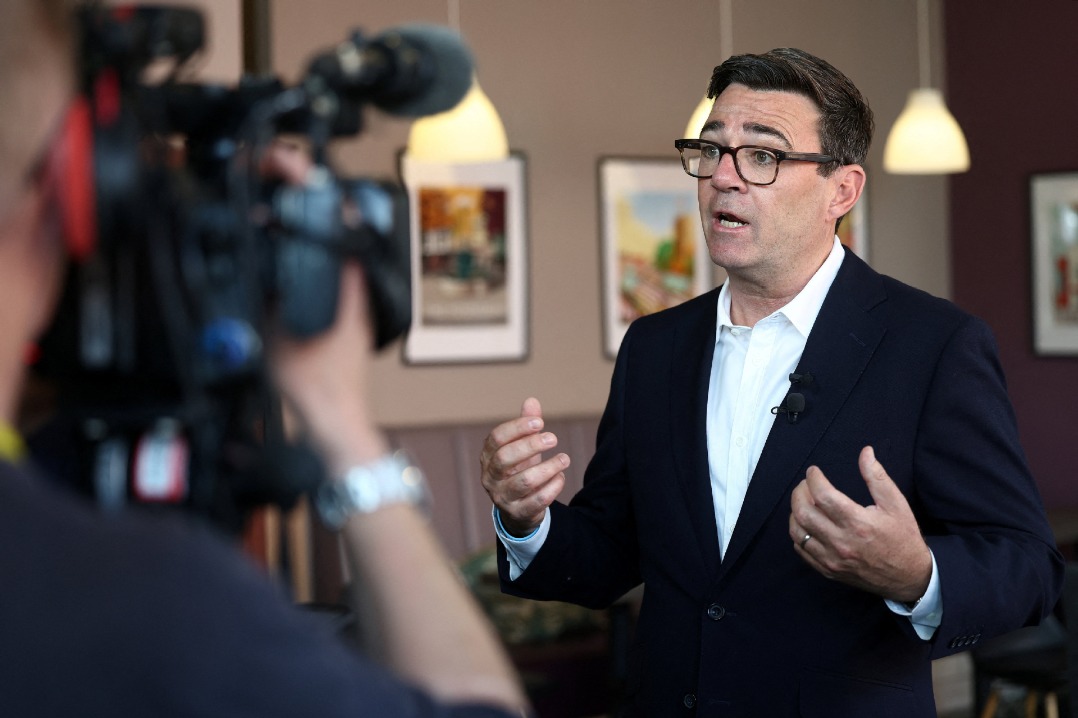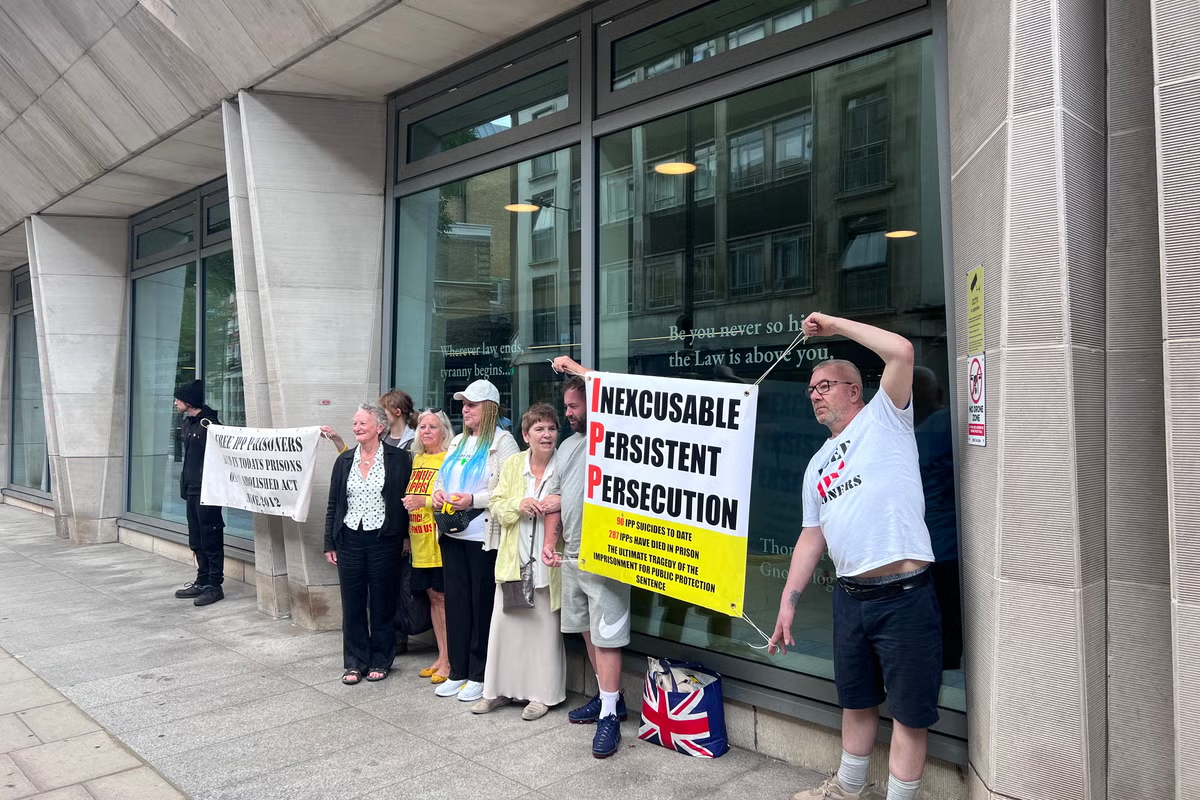
The prime minister has been urged not to dash the hopes of thousands of prisoners trapped on indefinite jail terms after he pledged to find a resolution to the “long-running injustice”.Andy Burnham is facing calls to revisit proposals to appoint a specialist panel of former and serving high court judges to review the cases of almost 2,300 prisoners serving controversial Imprisonment for Public Protection (IPP) sentences.It comes after he vowed to address the legacy of the “clearly unfair” open-ended jail terms as part of potential measures to ease prison overcrowding and curb early release plans. His comments this week were a major breakthrough for IPP prisoners languishing without a release date, an issue The Independent has campaigned to end.Labour MP Kim Johnson, who has long called for IPP reform, has urged the prime minister and justice secretary Alex Norris not to dash their hopes as he prepares a plan to present to Parliament in September.Writing exclusively in The Independent, she said: “For those who have spent years trapped in the abolished sentence, and for the families who have suffered alongside them, a glimmer of hope can be incredibly powerful. “But if that hope is once again raised only to be snatched away, it will deepen an already profound injustice. These prisoners do not need another promise of a review. They need justice.”Labour MP Kim Johnson (AFP/Getty)The Liverpool Riverside MP said the jail terms, which were abolished in 2012 but not retroactively, remain one of the greatest stains on our criminal justice system.The government is facing legal action after the United Nations, which has long raised concerns the punishment causes psychological torture, found some IPP prisoners are being arbitrarily detained in a damning legal opinion issued last month. “The UN has described their continued impact as perpetuating serious human rights violations, with UN experts warning that the prolonged uncertainty under the IPP regime is causing serious psychological deterioration, including self-harm and an increased risk of suicide,” Ms Johnson added. “That is the reality of this dreadful sentence.“More than a decade after IPPs were abolished, we still have people trapped in an indeterminate sentence that parliament itself has rejected. Behind every IPP prisoner is a person who has been through the same agonising cycle over and over again: parole hearings, preparation for release, hope that this might finally be the moment they can come home – followed by another refusal and another indefinite period behind bars.“We cannot allow for this to happen ever again.“If the justice secretary’s review produces another report, another set of recommendations and another promise to look at the issue in the future, that would be more than inadequate. After all these years, it would honestly be cruel.”Burnham has urged his justice secretary, Alex Norris to review IPP terms (Getty)She called for a resentencing or reconsideration exercise, suggesting proposals raised at the start of the year for a judge-led reconsideration panel to be “brought back and developed”.The idea was previously raised in an unsuccessful amendment to the Sentencing Act brought by former Conservative solicitor general Lord Edward Garnier, who has also urged the prime minister to look again at the idea. It was backed by the UN special rapporteur on torture, Dr Alice Jill Edwards, who said in January it was a “pragmatic compromise that could pave the way toward individualised and just outcomes for those affected”, adding: “Something must be done to prevent the continuation of what has become a never-ending saga of injustice and cruelty.”Under the proposals, a panel of 12 serving and former judges would review each case – considering the prisoner’s offending, how long they have served, their risk to the public and what support they would need in the community – and decide whether they should be released on licence. However, if the justice secretary disagrees with the panel’s decision to free a prisoner, they would have the power to decline their release.In cases where the prisoner is suffering from a mental disorder or would present a risk to the public or themselves on release, judges would also consider whether they should be transferred to hospital for treatment.UN special rapporteur on torture Alice Jill Edwards previously backed the idea of a judicial reconsideration exercise (AFP/Getty)Ms Johnson said: “Putting the process back in the hands of the judiciary would provide the legal safeguards and independence that this issue requires. Those who no longer pose a risk should be able to have their sentence reconsidered and, where appropriate, released under properly resourced supervision in the community.”She continued: “I’ll be pushing for the prime minister not to give IPP prisoners another glimmer of hope to then snatch it away.“Hear their cases, reconsider their sentences and properly resource the support they need when coming back to their communities.“After years of injustice, they need a fair and workable pathway to freedom. It is time to end this grave miscarriage of justice once and for all.”A Ministry of Justice spokesperson said: "It is right that these sentences were abolished, and as the IPP annual report shows, support has significantly improved for these offenders, with greater access to rehabilitation and mental health support. We are now looking at what more can be done.“As we have set out, the justice secretary is reviewing reforms to these unjust sentences."
Burnham warned: don’t dash hopes of inmates stuck on indefinite jail terms
The government should appoint a panel of judges to reconsider the cases of every IPP prisoner, a Labour MP has told Burnham
876 words~4 min read