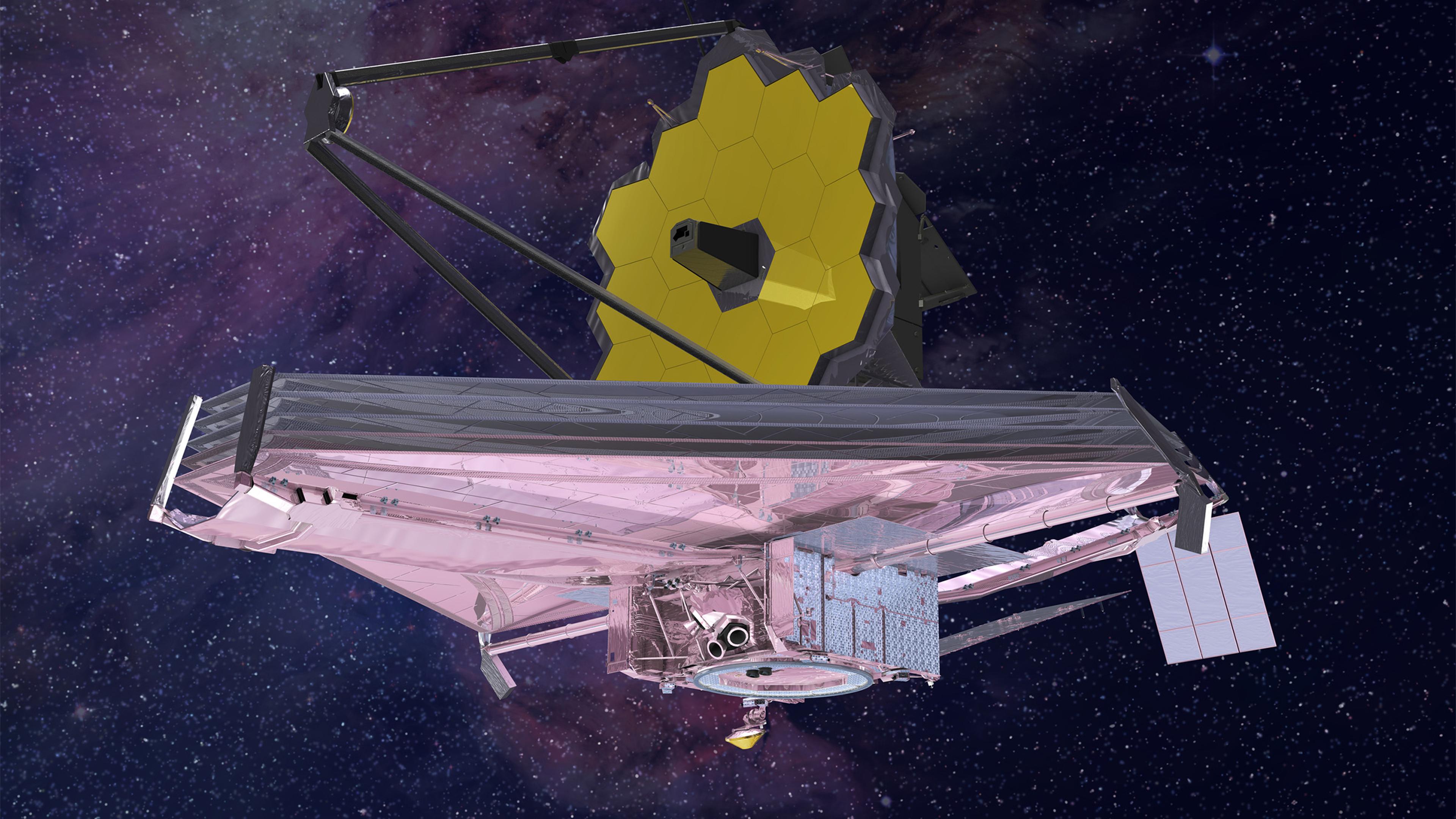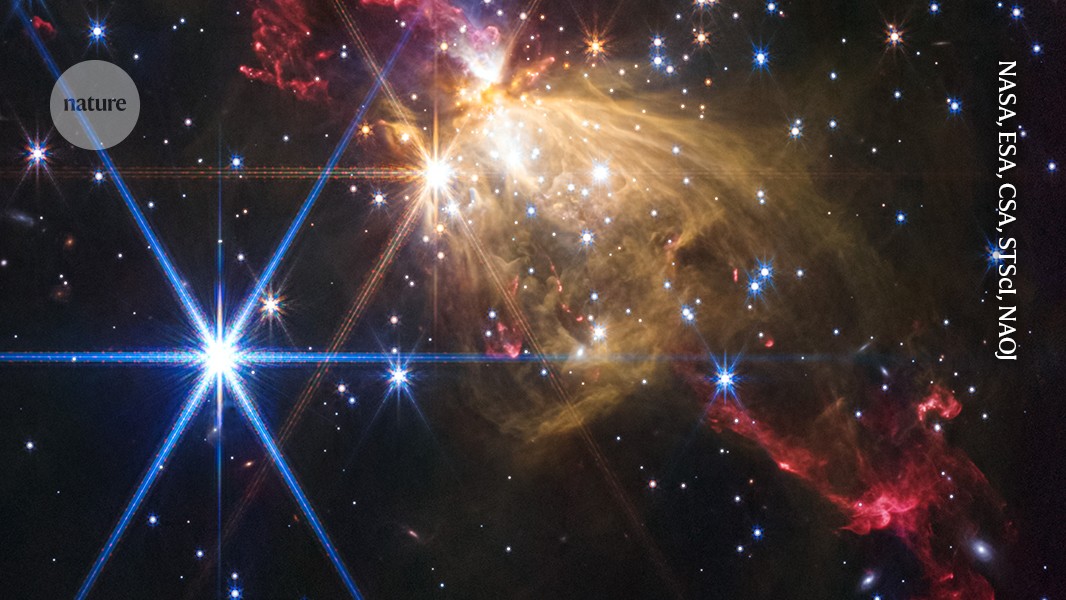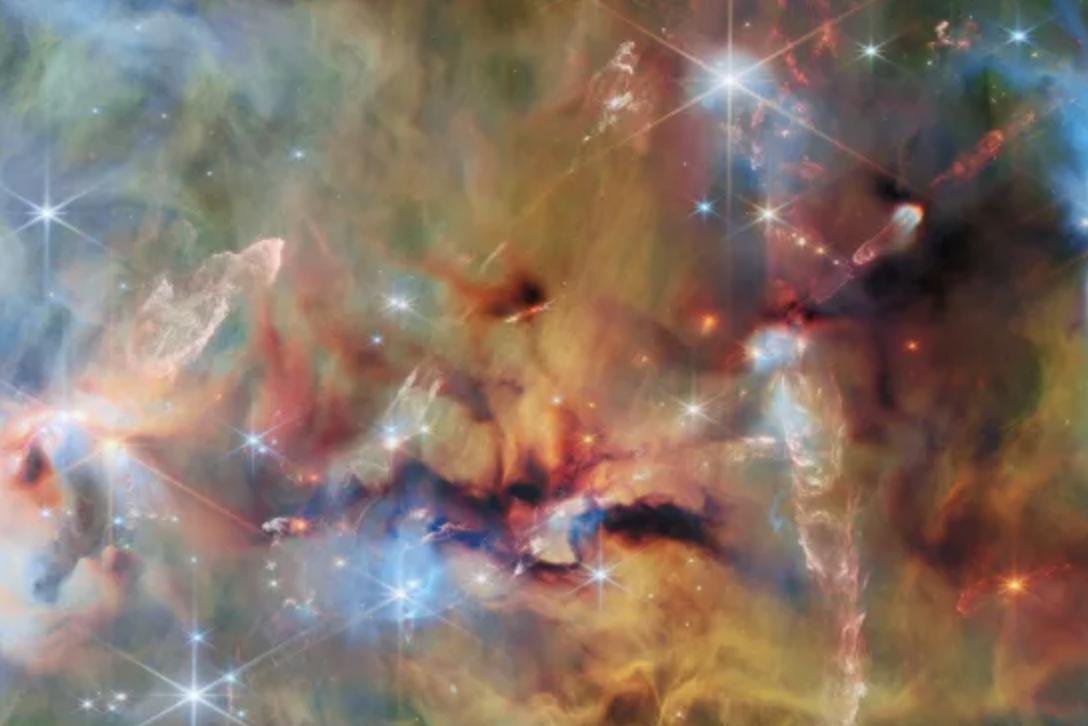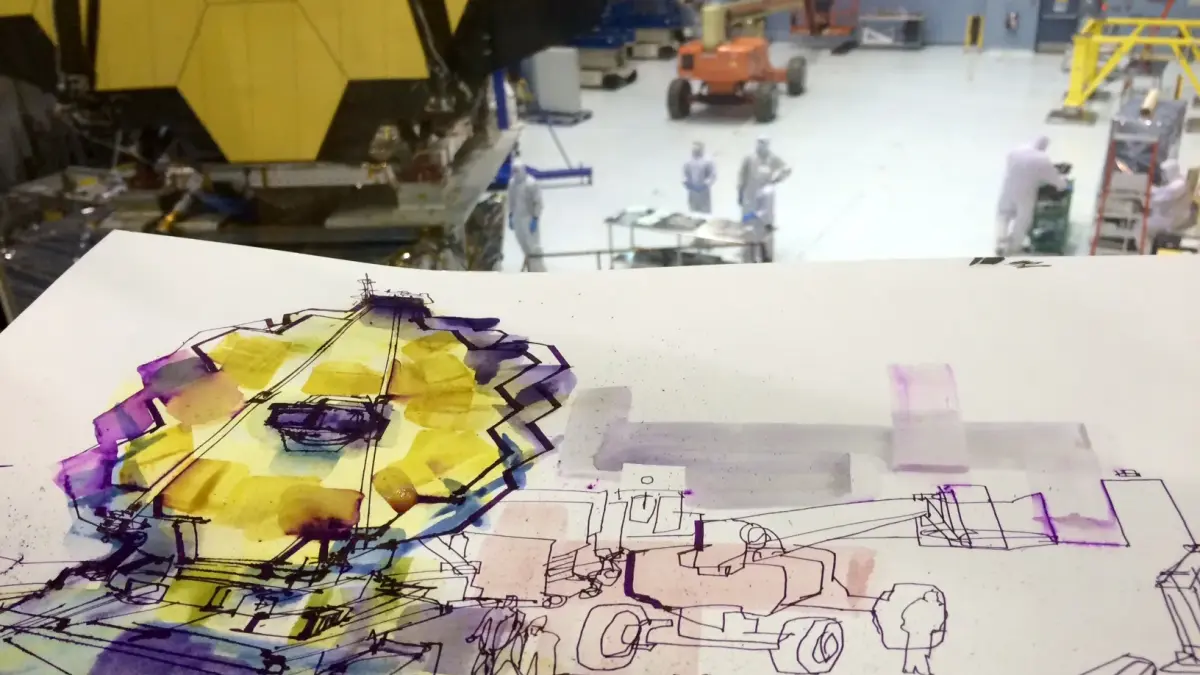
When Nobel Laureate John C. Mather used to give talks about the James Webb Space Telescope, he would often use an impressive analogy — that the observatory was so sensitive, it could detect the heat of a bumblebee as far away as the moon.That's because Webb, a collaboration of NASA and the European and Canadian space agencies, was built to detect the faintest, most ancient light in the universe — galaxies and stars that formed just a few hundred million years after the Big Bang.But there's an irony to having the world's most powerful infrared telescope in space: While Webb is exceptional at seeing unfathomably distant things, it struggles to take pictures of objects in our own cosmic backyard, like Mars and Saturn.
You May Also Like
Because the planets in our solar system are so bright, they flood the telescope's sensors with more light than they can handle. To get these shots, astronomers have had to use dark filters — akin to wearing solar eclipse glasses — to avoid blinding the camera.Now, telescope operators have a workaround, and it doesn't require astronauts visiting the spacecraft a million miles away for maintenance. Instead, engineers are sending a software update from the ground that will let Webb photograph bright planets without throwing away useful data.