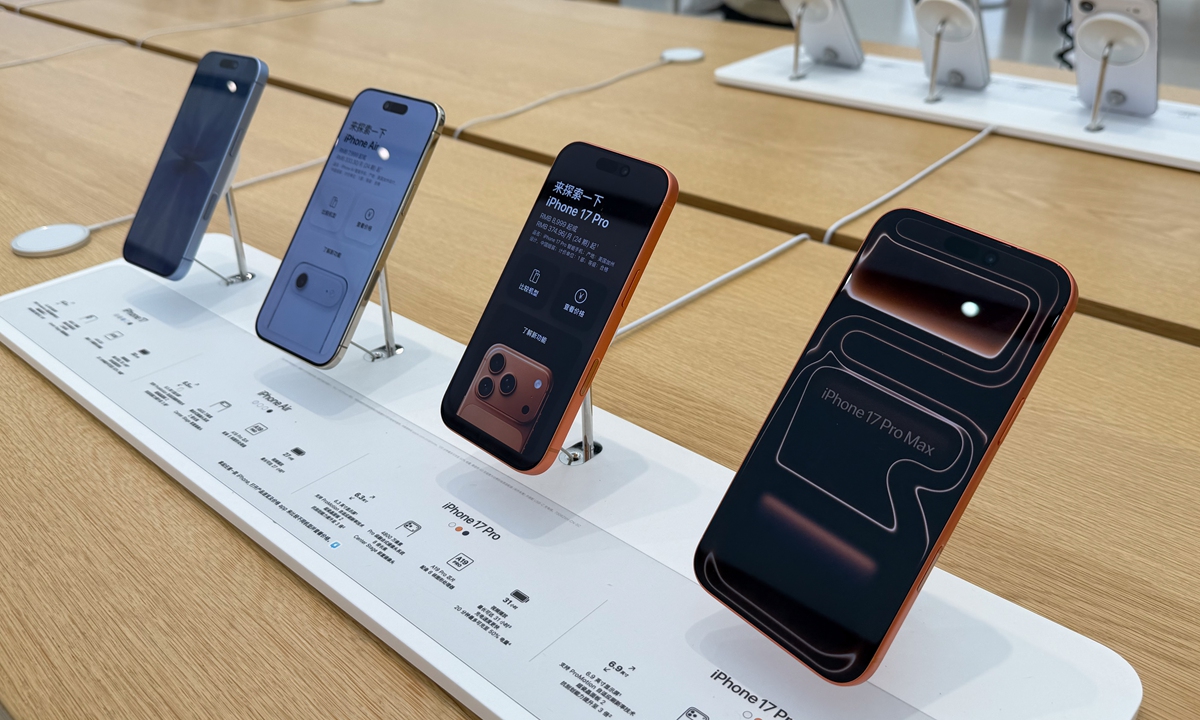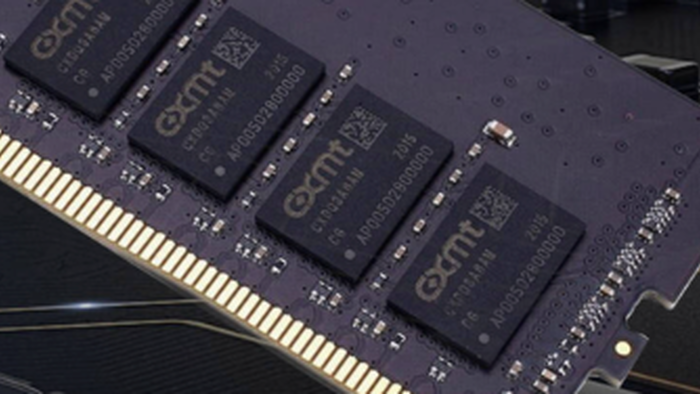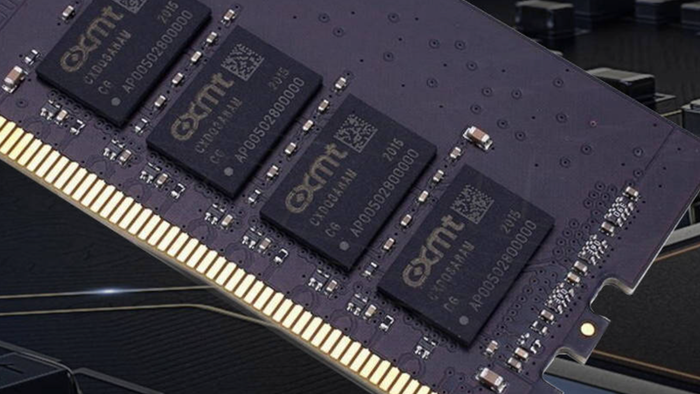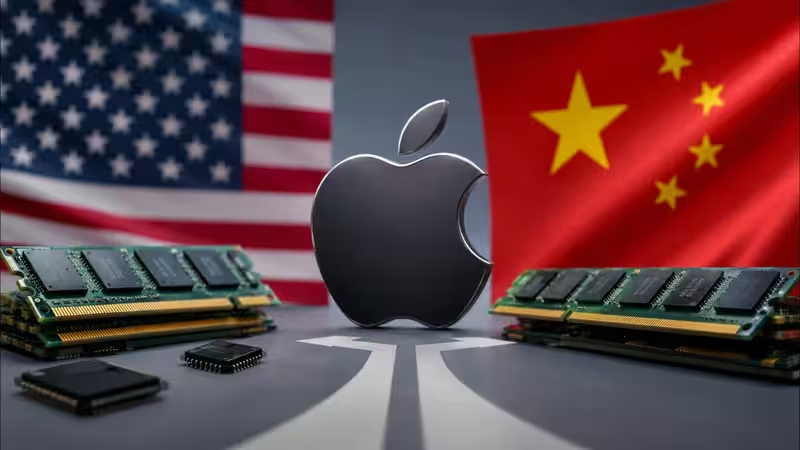
Commerce Secretary Howard Lutnick has urged Apple to choose alternatives to Chinese memory as the company searches for supply during an AI-led shortage. Apple’s interest in CXMT DRAM and YMTC NAND exposes different US restrictions, domestic production delays and higher costs that have reached Mac and iPad buyers.By asking Apple to reject Chinese memory, Howard Lutnick has attached a clear price to the administration’s industrial policy: established suppliers can charge more and deliver smaller allocations. The US administration is putting national-security and domestic-manufacturing goals ahead of the quickest response to a shortage that has pushed Apple to raise Mac and iPad prices.About The AuthorAt heart, I am a storyteller drawn to the watershed moments that bend the technology landscape. I braid narrative with data, humanise statistics, and trace the arc from first spark to world-changing impact. My reportage, features and reviews are witty, sardonic, visual and vivid, using anecdote to illuminate rather than eviscerate.
As a technology journalist with over sixteen years of experience, I have travelled the world and the seven seas, covered every major tech conference worth its lanyard, chronicled the defining breakthroughs of the last decade and a half, and played a pivotal role in launching some of India’s most important technology publishing platforms across web, print and TV.