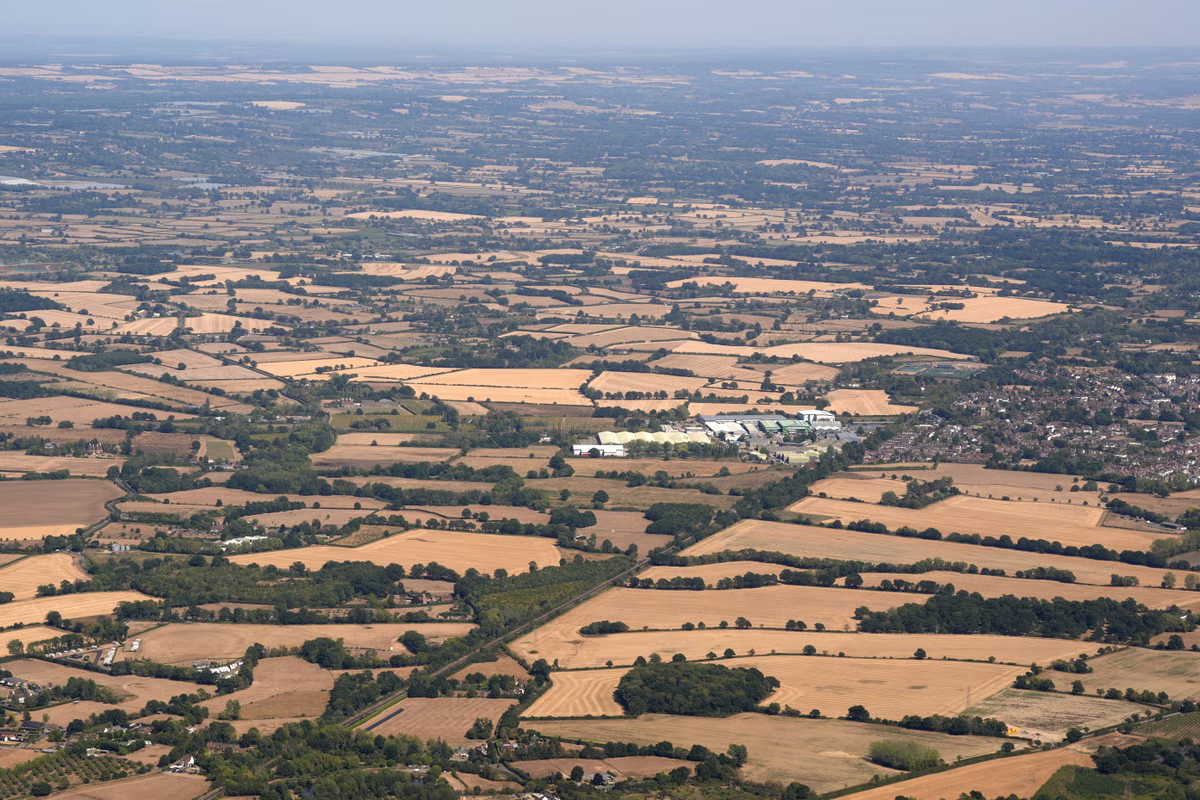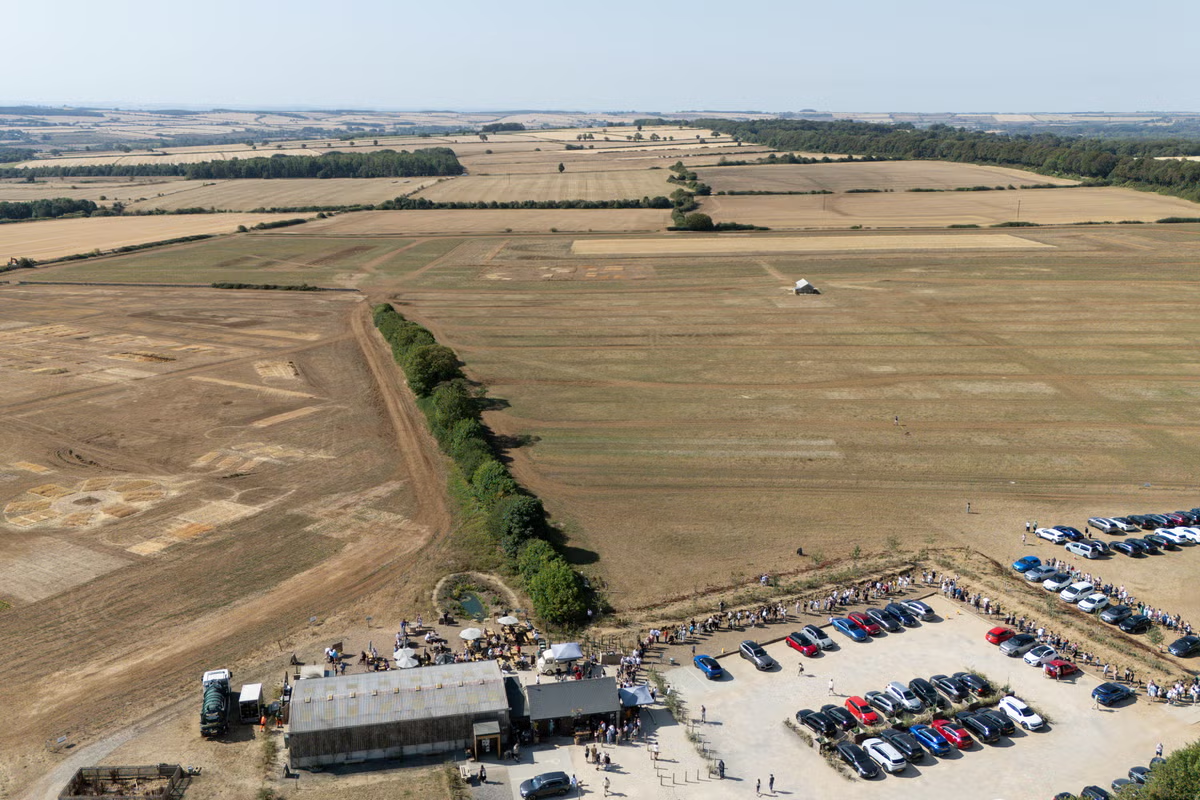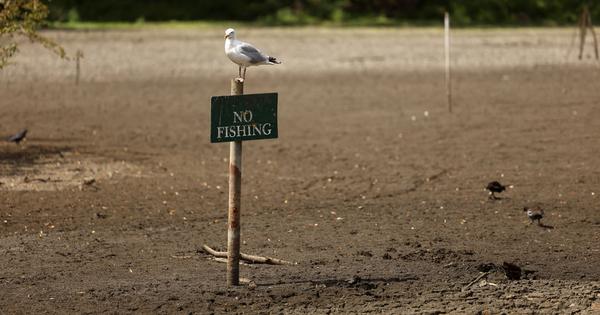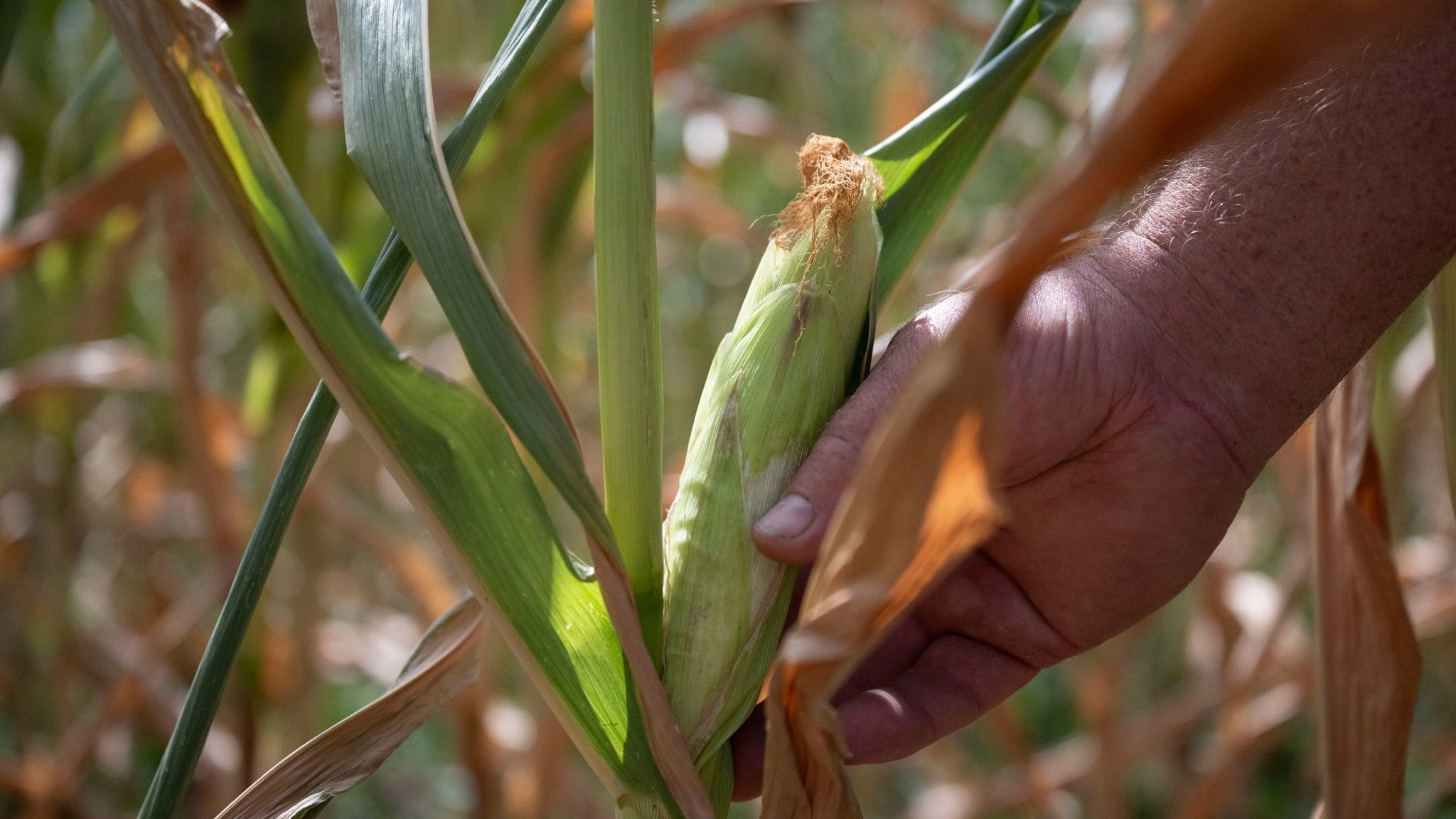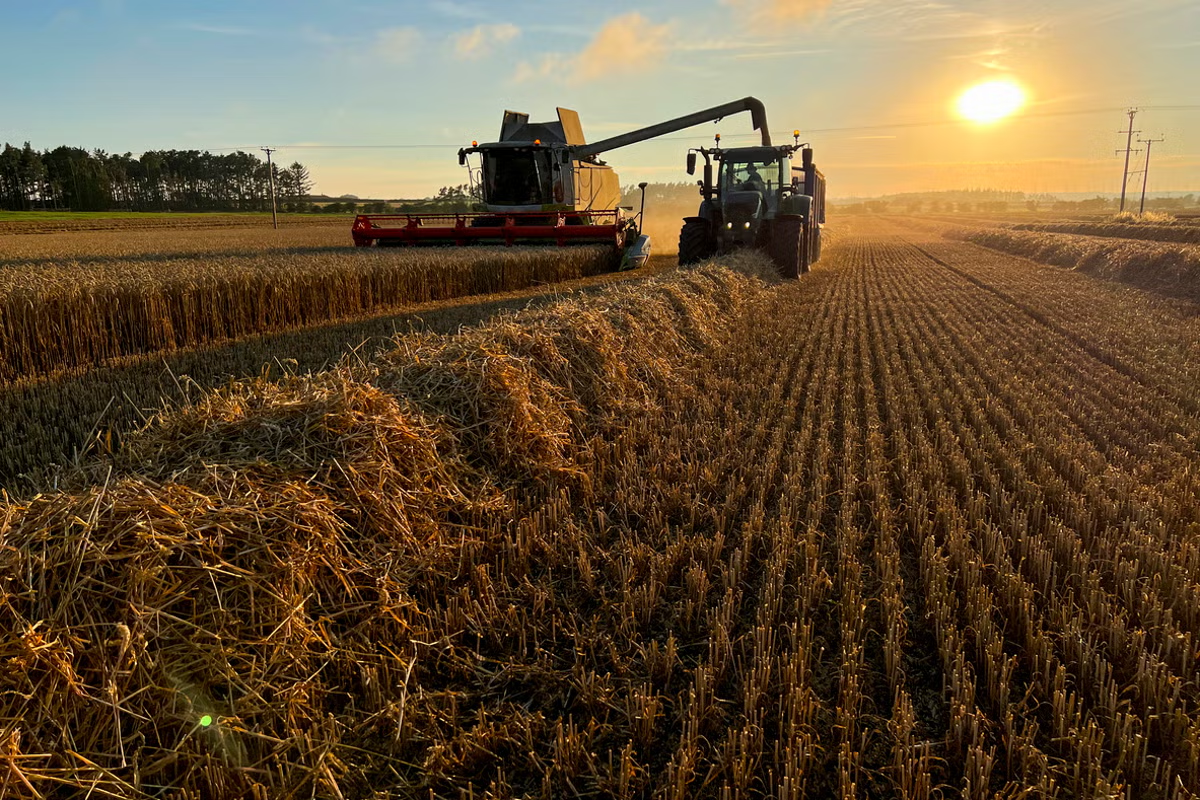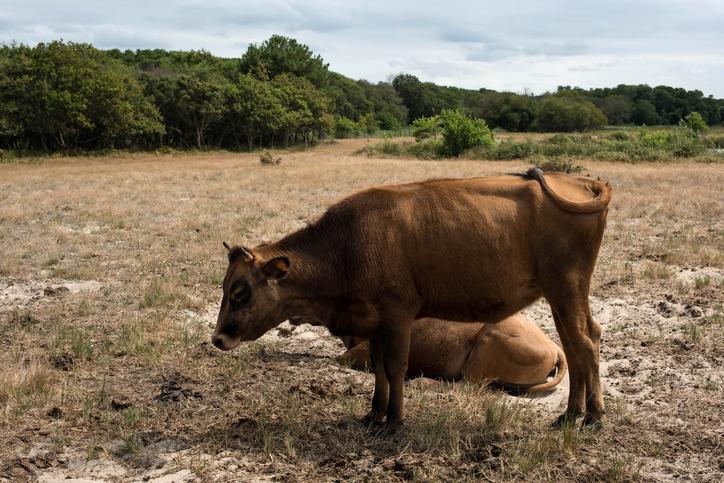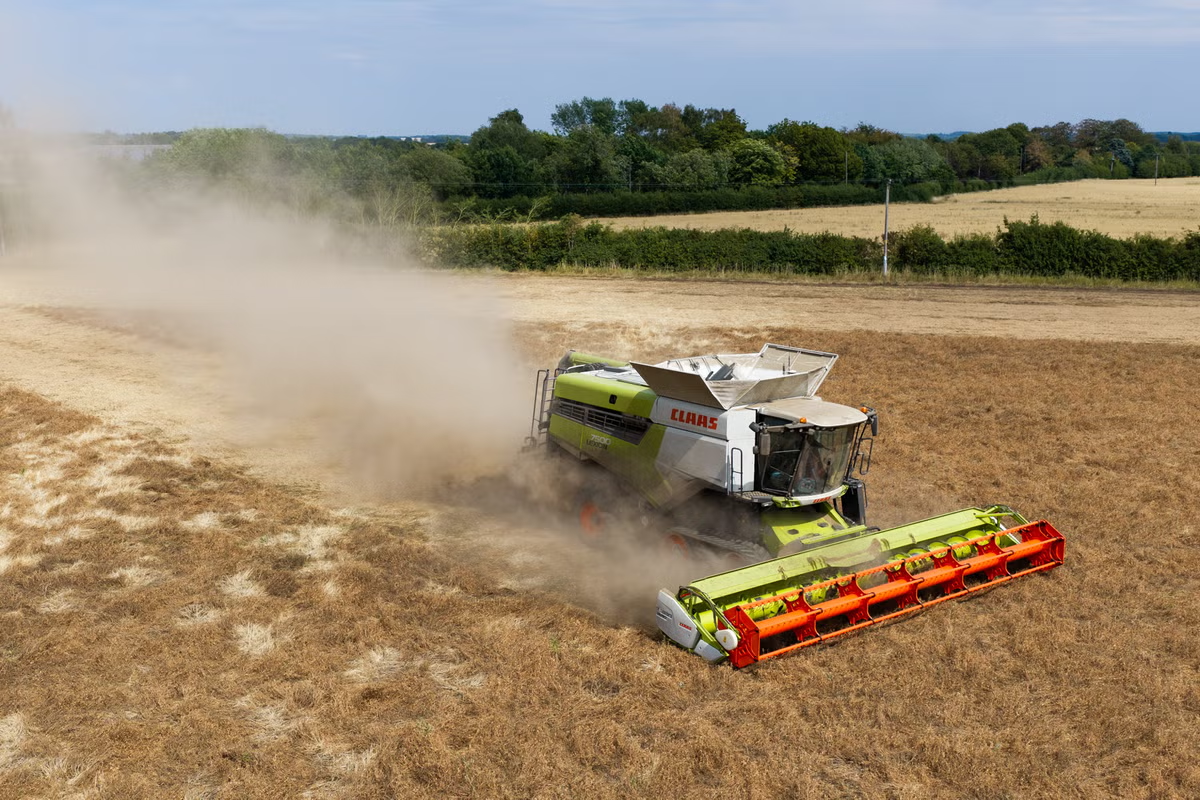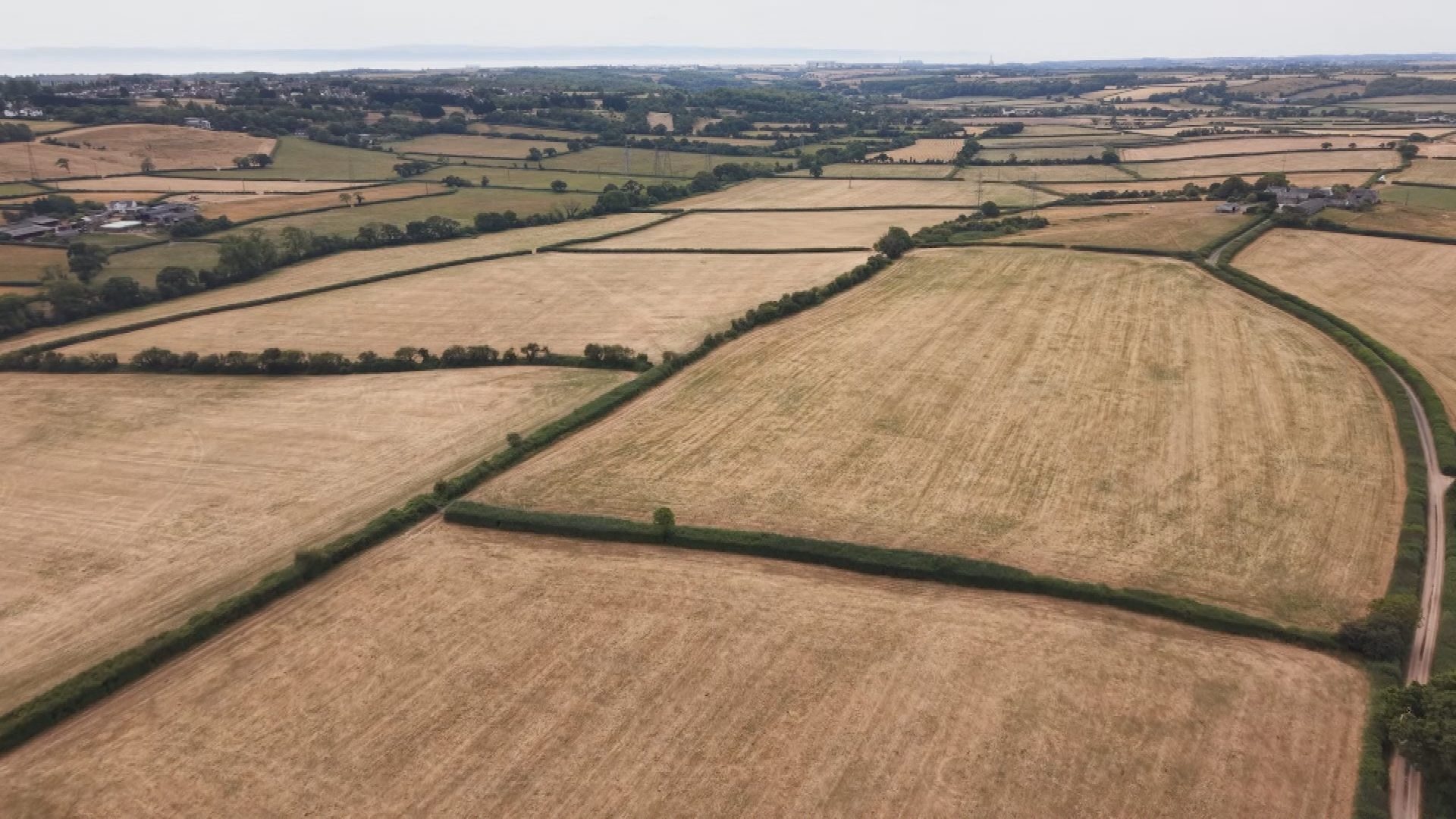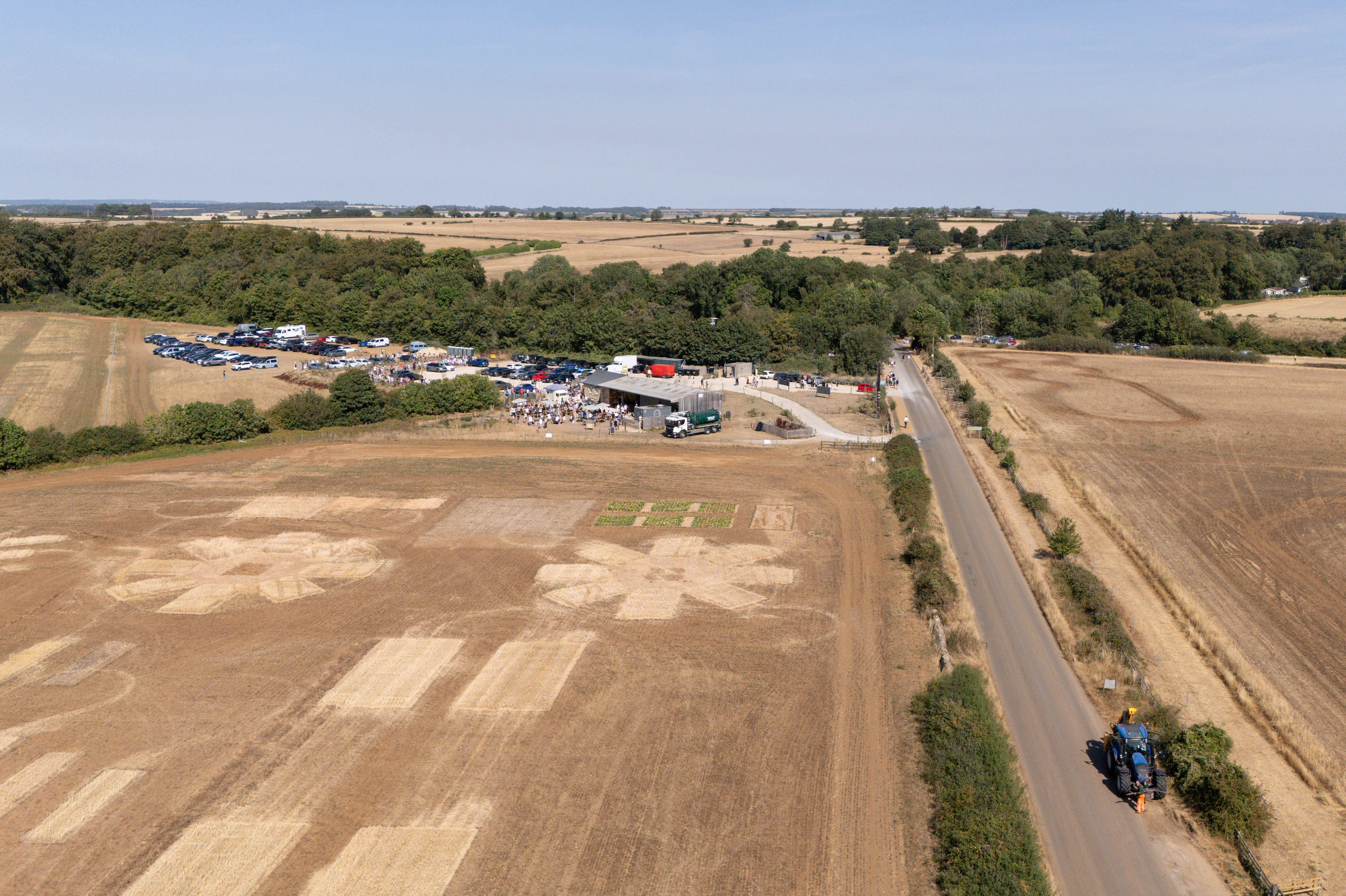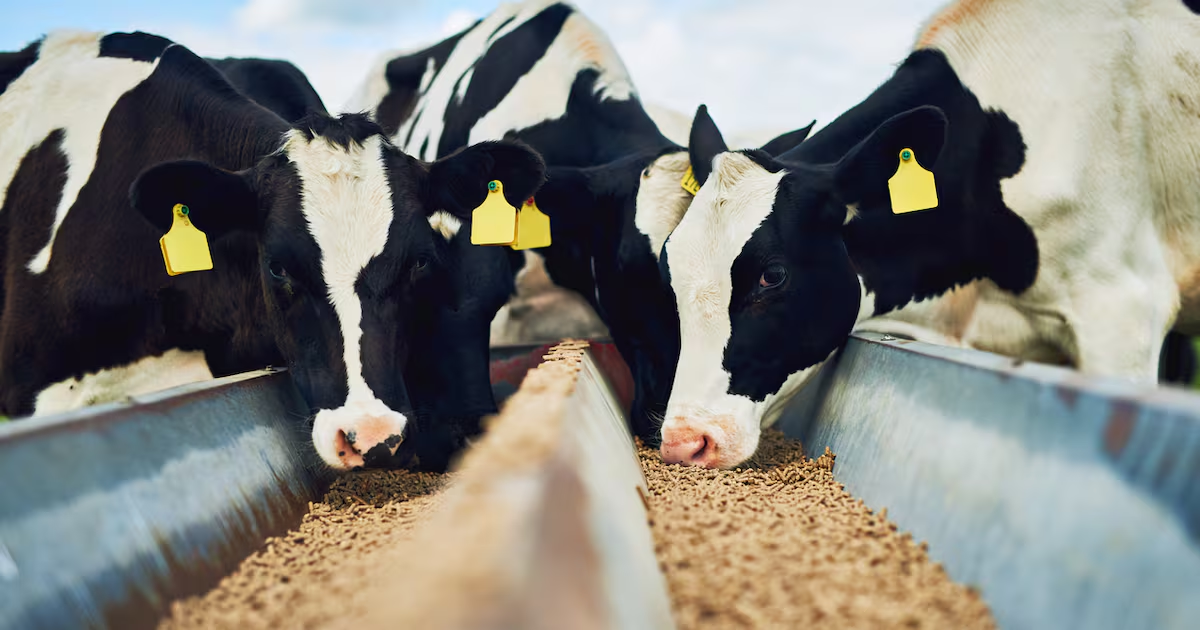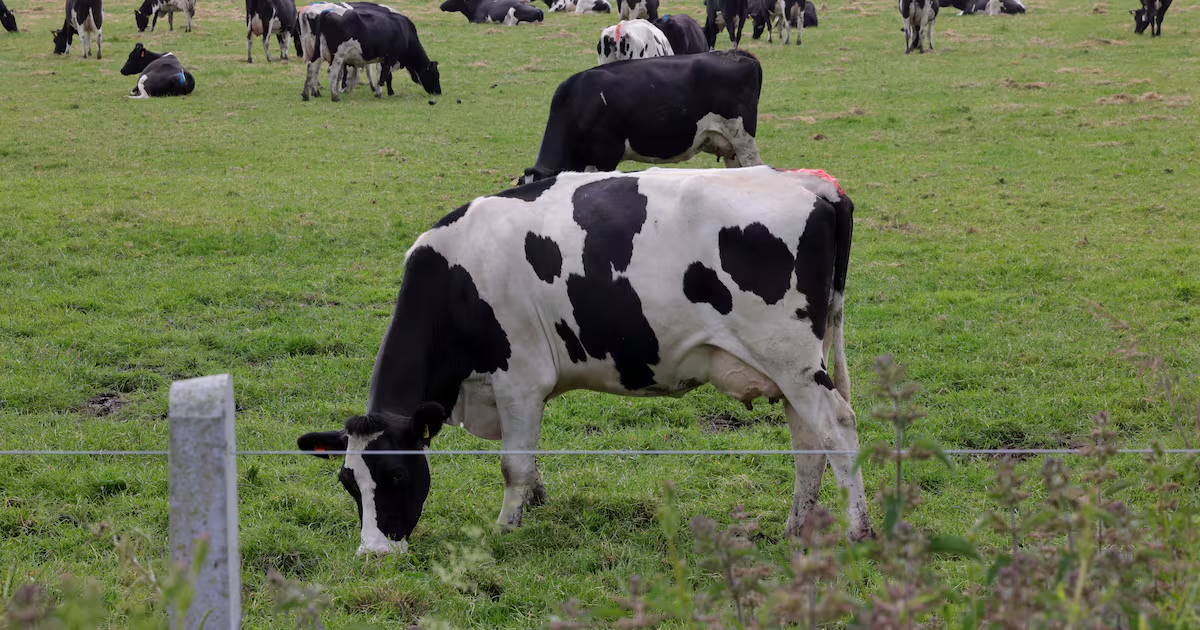
There will be an emergency meeting of the National Fodder and Food Security Committee next week to address the ongoing drought. The meeting on Tuesday has been convened by the Minister for Agriculture Martin Heydon and will involve all the big farming organisations.The minister said he has asked Teagasc to carry out a national fodder survey to see where need is greatest. That survey will have to be completed by next Friday. “It’s very concerning, but we know there is fodder in the country, but grass growth was ahead on the five-year average up to the end of July, but we have had a very dry spell since then,” the minister’s spokesman said. “We have to be informed by the facts and the most up-to-date information.” The west of Ireland has had normal grass growth this summer, the southwest between 50 per cent and 75 per cent, but in the south grass growth is just 20 per cent and in the east 10 per cent of what is normal for July and August. Many parts of the southeast, east and midlands have had little or no rain since the beginning of July. As a consequence, some livestock farmers are spending hundreds of euros a day feeding their cattle with winter fodder because grass growth has been so poor. The Irish Farmers Association, the Irish Creamery Milk Suppliers Association (ICMSA), the Irish Co-operative Organisation Society (ICOS), along with Sinn Féin, are among those calling for urgent action from the Government. IFA president Francie Gorman, who toured farms affected by the continuing drought earlier this week, called on the Government to initiate actions to help farmers now, as no significant rain is forecast. Farmers are comparing the current drought to the one experienced during the summer of 2018, when many parts of the country had nearly no rain between the end of May and the end of July.The ICMSA president Denis Drennan said the fodder shortage of 2018 should be a template for dealing with the current drought. He said it will be “almost certain” that the State will end up subsidising fodder imports like haulage and alfalfa, as happened in 2018, to aid Irish farmers. Sinn Féin’s agriculture spokesman Martin Kenny backed calls by the IFA for the Government to start planning for a winter silage shortage. “This is not just an issue for Irish farmers; it is an issue for farmers in England and right across Europe,” he said. “We cannot depend on our neighbours in England or Europe to help us out with fodder as they simply don’t have any to spare.“Farmers, in the main, have been managing the situation effectively over the past few weeks. There are also significant stocks of fodder in reserve on a lot of farms. But if we do not get rain soon, the situation could exacerbate quite quickly.”No heavy rain is forecast in areas affected by drought at present. Parts of Co Carlow have soil moisture deficits of 98mm, meaning it would take a month’s worth of rain just to restore the soil to normal saturation levels.
Farm organisations and minister to meet as drought crisis deepens
Growing fears that farmers will be left without winter fodder due to recent lack of grass growth
514 words~2 min read